Tag: Dental Orthodontics

  • Non-Surgical Underbite Correction: 3 Criteria You Need to Know

    Non-Surgical Underbite Correction: 3 Criteria You Need to Know

    SummaryA protruding lower jaw doesn’t automatically mean you need surgery. This guide covers the skeletal criteria for non-surgical underbite correction, how to tell a pseudo (dental) underbite apart, typical treatment timelines, and what to check when reading non-surgical underbite correction reviews.

    When you notice your lower jaw standing out in profile, it’s easy to assume jaw surgery is the only option.
    However, if the difference in jaw bone size is minor and the main issue is how the teeth are arranged, non-surgical underbite correction alone may be able to correct the bite.

    Even so, many people look into surgery first without knowing these criteria.
    With a thorough consultation and diagnosis, some cases are reported to improve with orthodontic treatment alone, without surgery.

    Key Takeaways
    If your back teeth bite normally but only your front teeth meet in reverse — a pattern known as a pseudo (dental) underbite — non-surgical underbite correction may help improve the bite.
    Treatment typically takes about 18 to 30 months, and the first step is always an accurate 3D CT scan to measure any skeletal discrepancy.
    Below, we outline the specific criteria for non-surgical correction and what to watch for when reading treatment reviews.

    What Causes an Underbite, and What Types Are There?
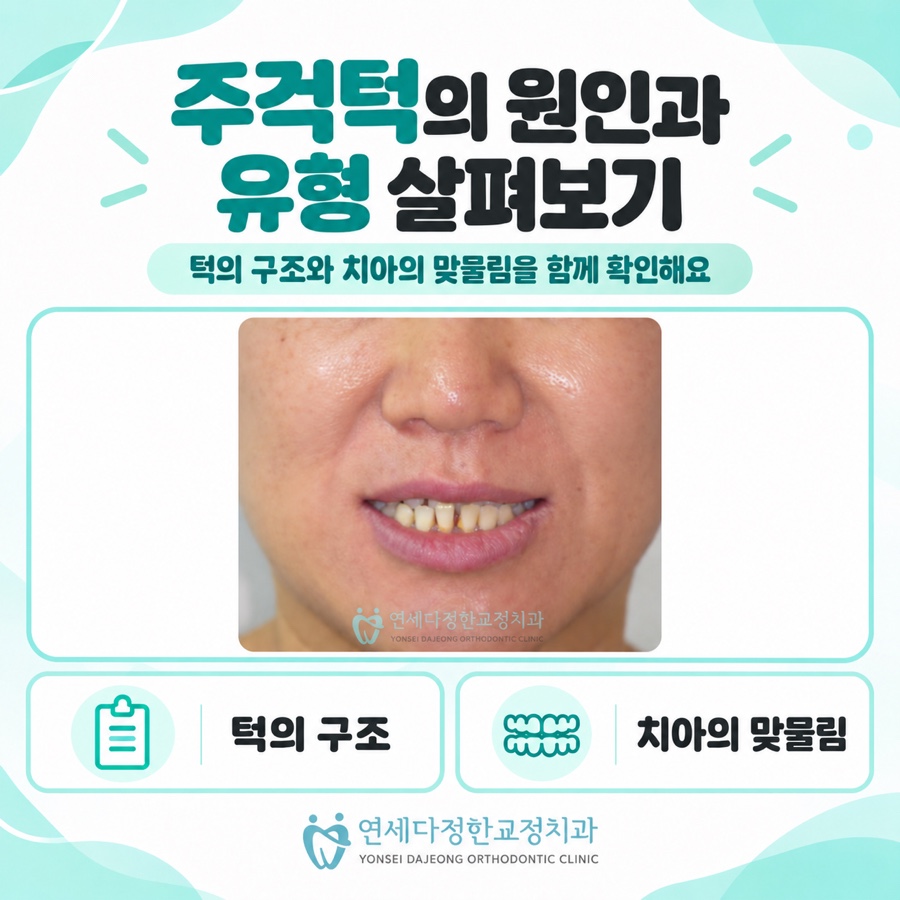
    non-surgical underbite correction

    To put it simply, underbites fall into two categories — skeletal and dental — and the more dental the cause, the better the odds for non-surgical correction.
    An underbite refers to a condition in which the lower jaw protrudes forward relative to the upper jaw or grows excessively.

    Asan Medical Center classifies an underbite as a type of malocclusion.
    Below is the definition published by the hospital.

    An underbite (mandibular protrusion, mandibular prognathism) occurs when the lower jaw is abnormally large relative to the upper jaw, resulting in malocclusion.

    According to Asan Medical Center’s health information, this is how it’s explained.
    An underbite is classified as Class III malocclusion.

    Causes include not only genetic jaw growth patterns but also habits such as tongue-thrusting or mouth breathing.
    Viewed from the front, it’s often accompanied by facial asymmetry, and from the side, the lower third of the face tends to look elongated.
    non-surgical underbite correction illustration 7

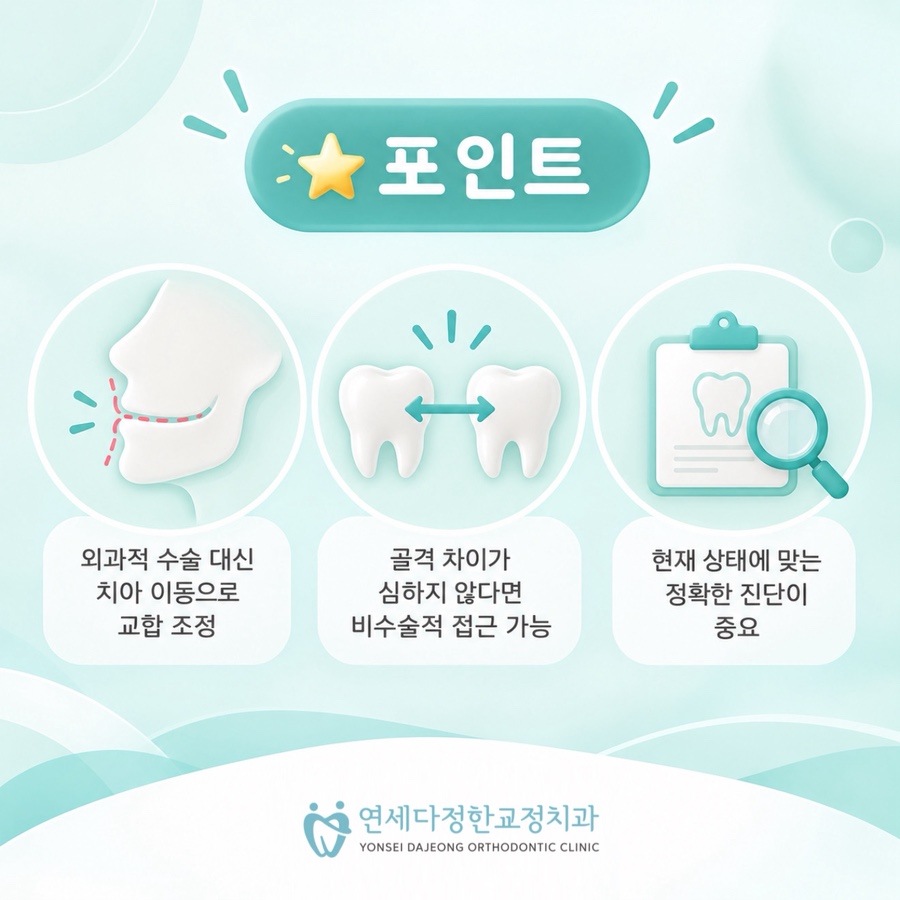
    Key Point
    Not every underbite requires surgery.
    If the difference in jaw bone size is minor and tooth position is the main issue, bite adjustment alone may bring improvement.
    A detailed diagnostic exam is the first step toward understanding exactly where you stand.

    What Are the Criteria for Non-Surgical Underbite Correction?
    non-surgical underbite correction illustration 8

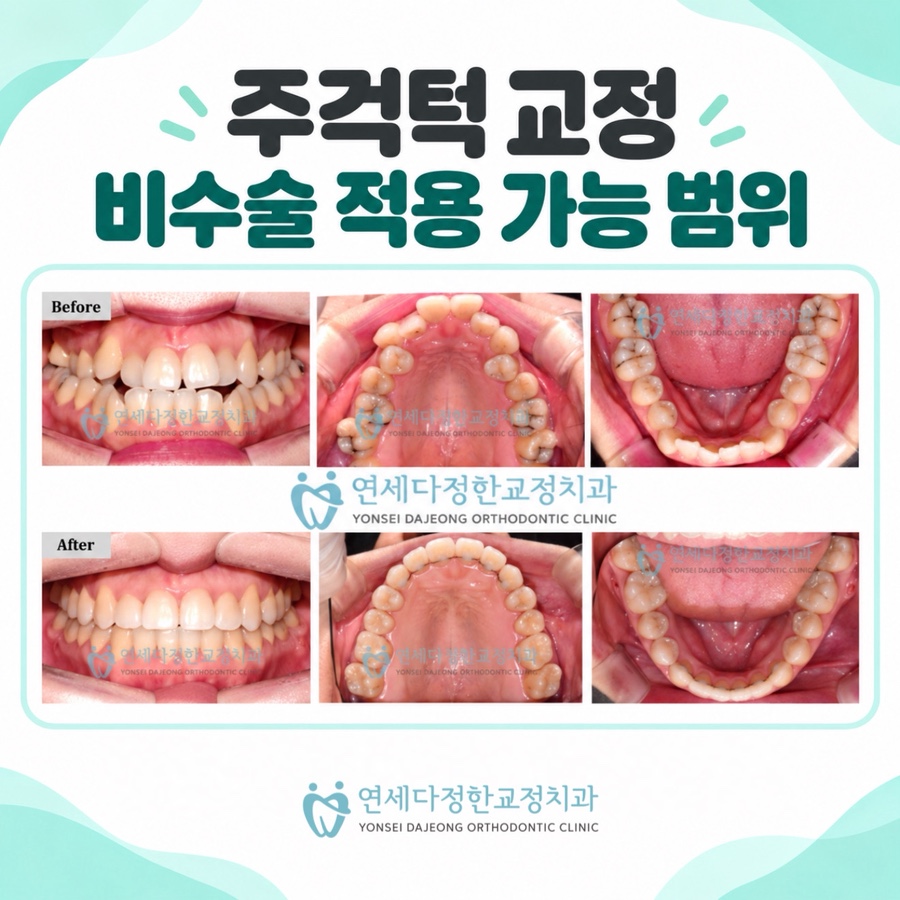
    In short, this approach is an option when the size difference between the upper and lower jaw bones is minor and the back teeth already bite normally.
    Non-surgical underbite correction is a treatment that aims to improve a reverse bite through tooth movement and bite adjustment alone, without jaw surgery.

    This approach is reported to be particularly effective for a pseudo (dental) underbite, where the back teeth bite correctly but only the front teeth meet in reverse.
    In these cases, moving the teeth backward or adjusting their angle can help create a normal bite.

    Category Non-Surgical Correction Possible Surgery Required
    Jaw bone size difference Minor Clearly significant
    Molar (back teeth) bite Normal bite Misaligned
    Main cause Tooth position/angle (pseudo underbite) Excessive skeletal growth itself
    Treatment method Adjustment with orthodontic appliances alone Orthodontics combined with jaw surgery

    non-surgical underbite correction illustration 9

    Changes You May Expect
    ✅ Moving the lower dental arch backward can help the upper and lower teeth meet more normally.
    ✅ Correcting the angle of front teeth that previously met in reverse may help improve the reverse bite.
    ✅ Chewing may feel more comfortable, and the lip line may look more natural as a result.

    Treatment length varies from person to person, but non-surgical correction generally takes about 18 to 30 months.
    Cases like a pseudo underbite, where only tooth alignment needs adjusting, can sometimes finish sooner.

    Timing also matters for growing children — the Korean Association of Orthodontists recommends starting treatment around ages 7 to 9 if a skeletal reverse bite is suspected.
    This recommendation applies specifically to children who are still growing; whether non-surgical correction is possible for an adult needs to be determined through a separate diagnosis.


    Reading Non-Surgical Underbite Correction Reviews: What to Look For

    non-surgical underbite correction illustration 10

    A review is only meaningful if you look past subjective impressions and focus on bite measurements and the treatment process.
    A trustworthy review is one that includes before-and-after bite data from a case with a jaw structure similar to your own.

    You need to objectively assess how much improvement in appearance and function is realistic through tooth movement alone, within the limits of the jaw bone itself.
    Rather than taking someone else’s success story at face value, check first whether the treatment plan actually fits your own oral structure.
    non-surgical underbite correction illustration 11

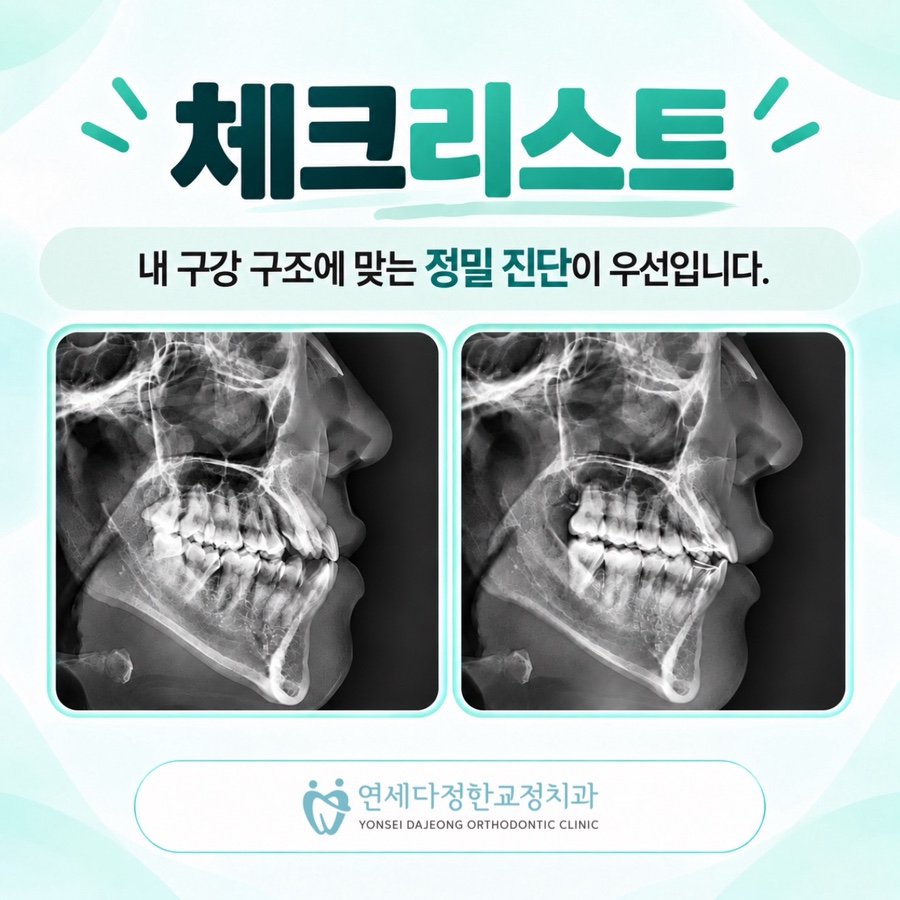
    Checklist
    ✅ Was the degree of skeletal discrepancy accurately measured with a 3D CT scan?
    ✅ Was it confirmed that the upper and lower teeth bite evenly after treatment?
    ✅ Was the treatment plan based on a range of clinical cases?

    Because outcomes for underbite correction vary depending on each person’s individual jaw structure, a detailed diagnostic exam is essential.


    How Do You Care for Your Orthodontic Appliance Safely?
    non-surgical underbite correction illustration 12

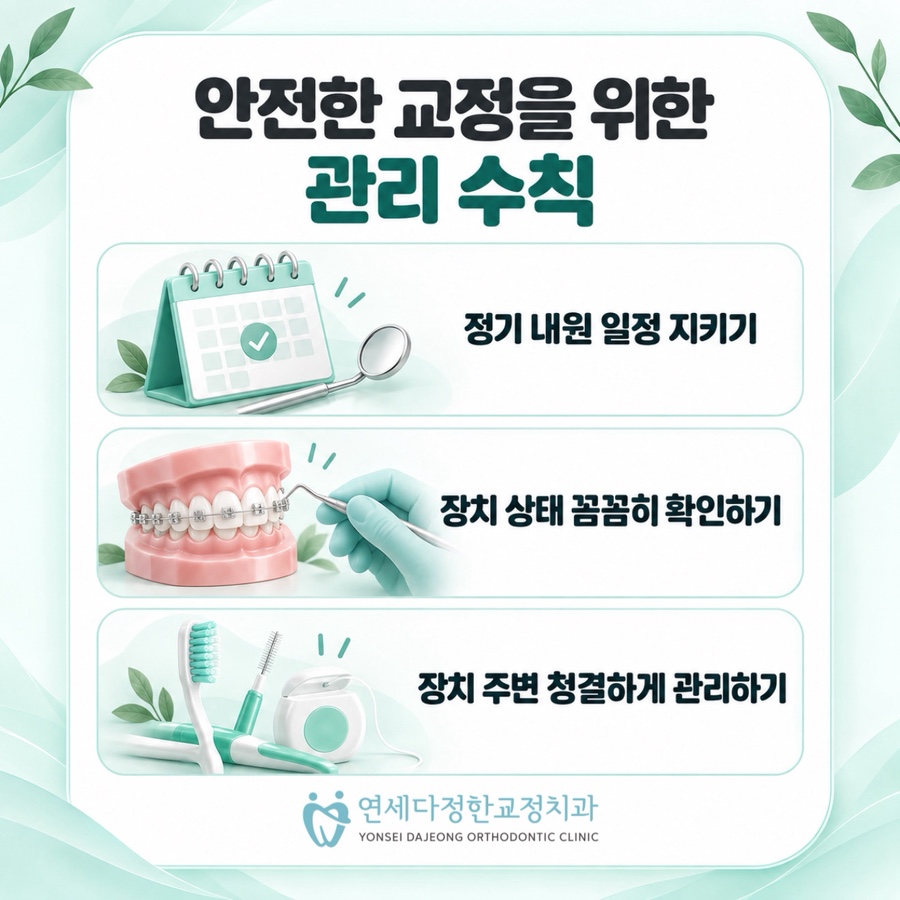
    The key to safe management is keeping up with regular visits and thorough at-home care.
    How finely the force from the appliance is adjusted directly affects how the teeth move and how the bite ultimately turns out.

    Food tends to get trapped around the appliance easily, so it’s important to make active use of oral hygiene tools.
    non-surgical underbite correction illustration 13

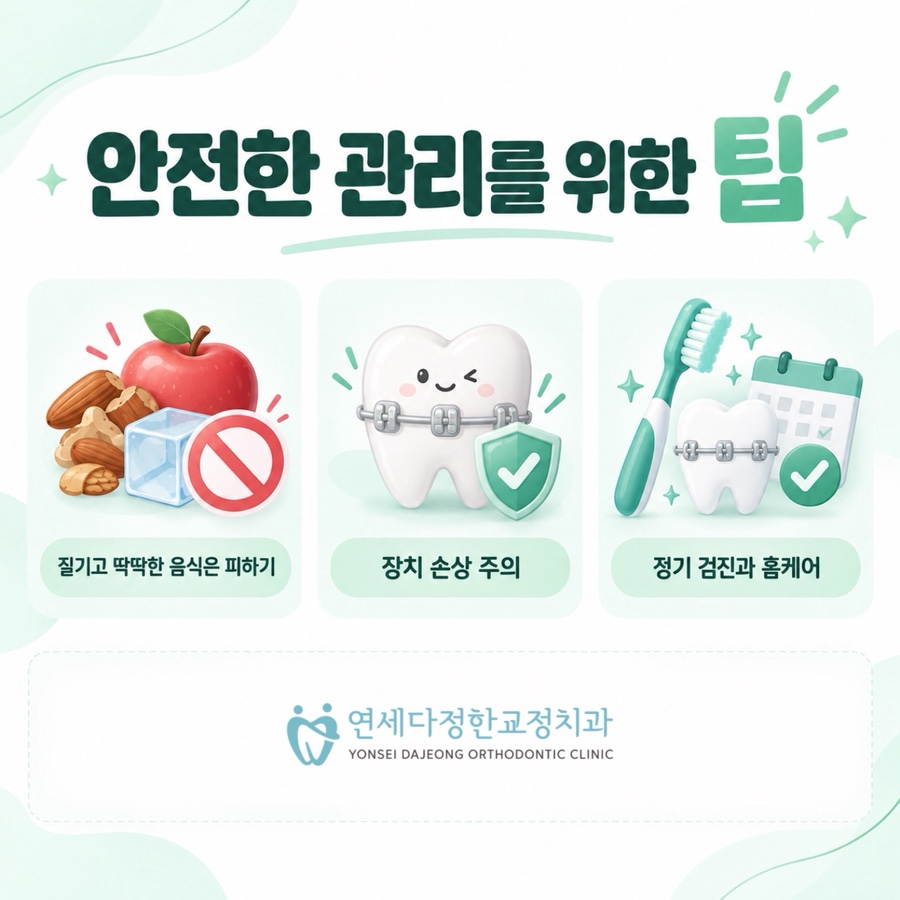
    Precautions
    Chewy or hard foods can dislodge the appliance or put excess strain on tooth movement, so it’s best to avoid them.
    Skipping regular checkups can cause the bite to end up not aligning as planned.

    Following your provider’s guidance for thorough home care alongside regular checkups can help support a well-balanced result.
    If you’re wondering whether your own case meets the criteria for non-surgical correction, consult an orthodontic specialist first.
    For more details on treatment options, visit the Yonsei Dajeonghan Orthodontics Cheongnyangni homepage.


    Frequently Asked Questions
    non-surgical underbite correction illustration 14

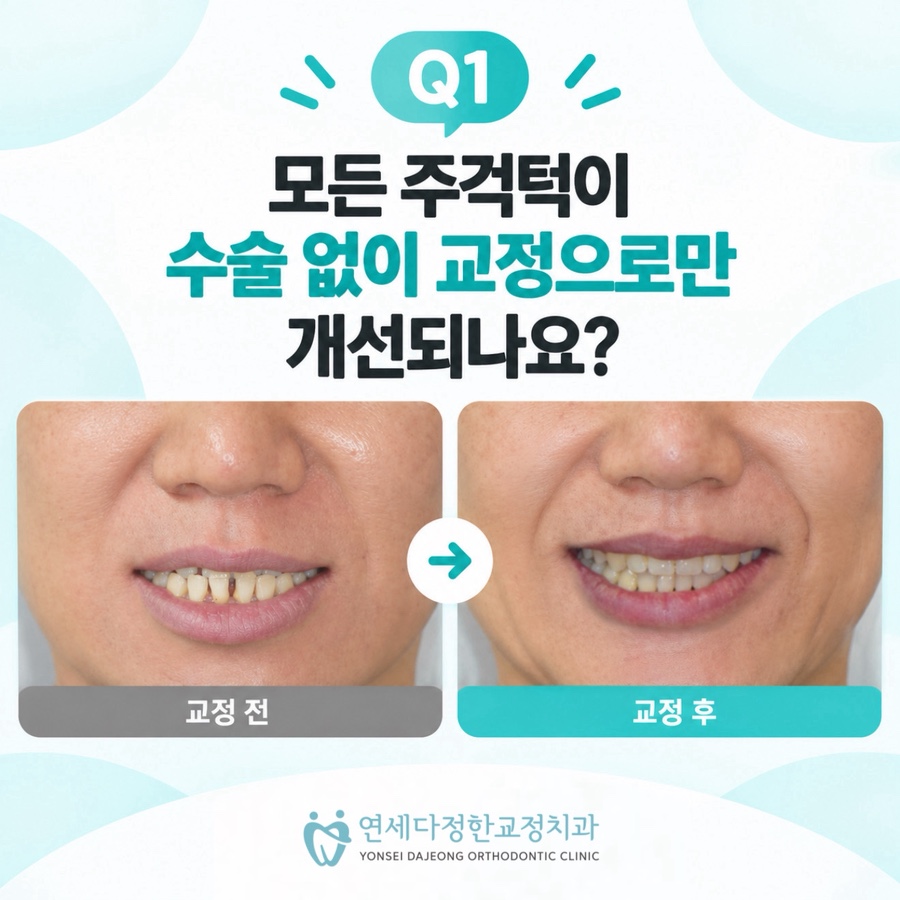
    1. Can every underbite be corrected with orthodontics alone, without surgery?
    If the skeletal discrepancy is very severe, orthodontic treatment combined with surgery may be necessary, so a detailed diagnosis should always come first.
    non-surgical underbite correction illustration 15

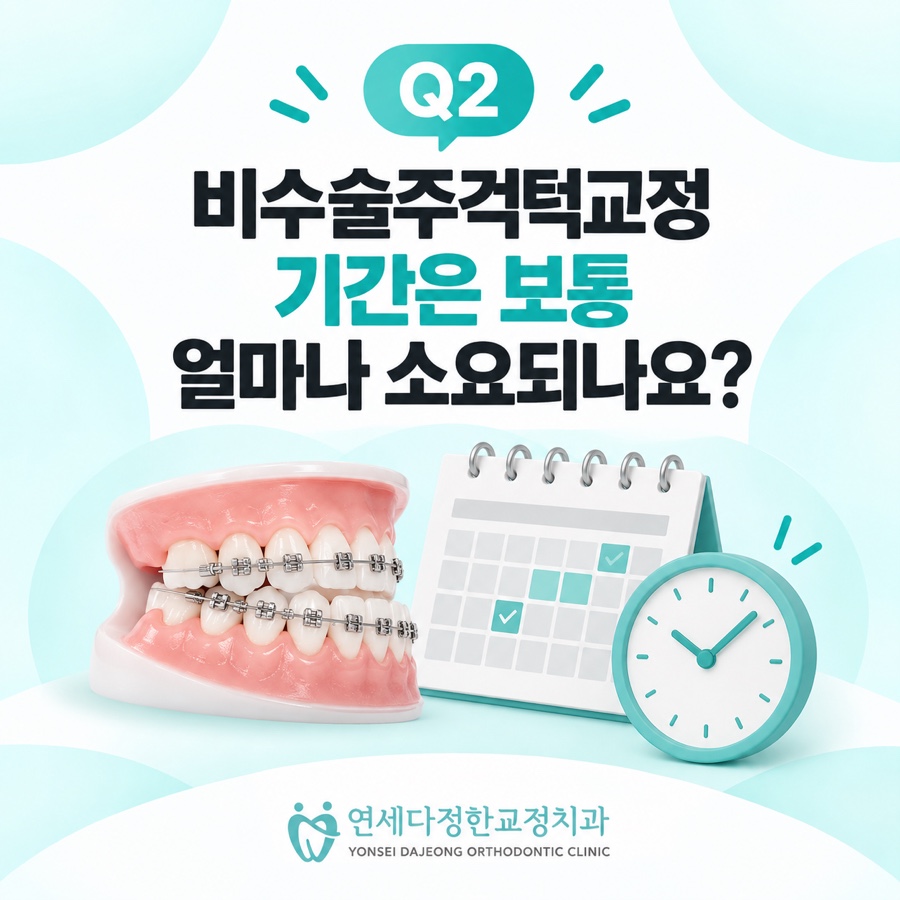
    2. How long does non-surgical underbite correction usually take?
    It varies depending on the speed of tooth movement and the severity of the malocclusion, but it generally takes about 18 to 30 months.
    Cases involving only tooth alignment, like a pseudo underbite, may finish sooner.
    non-surgical underbite correction illustration 16

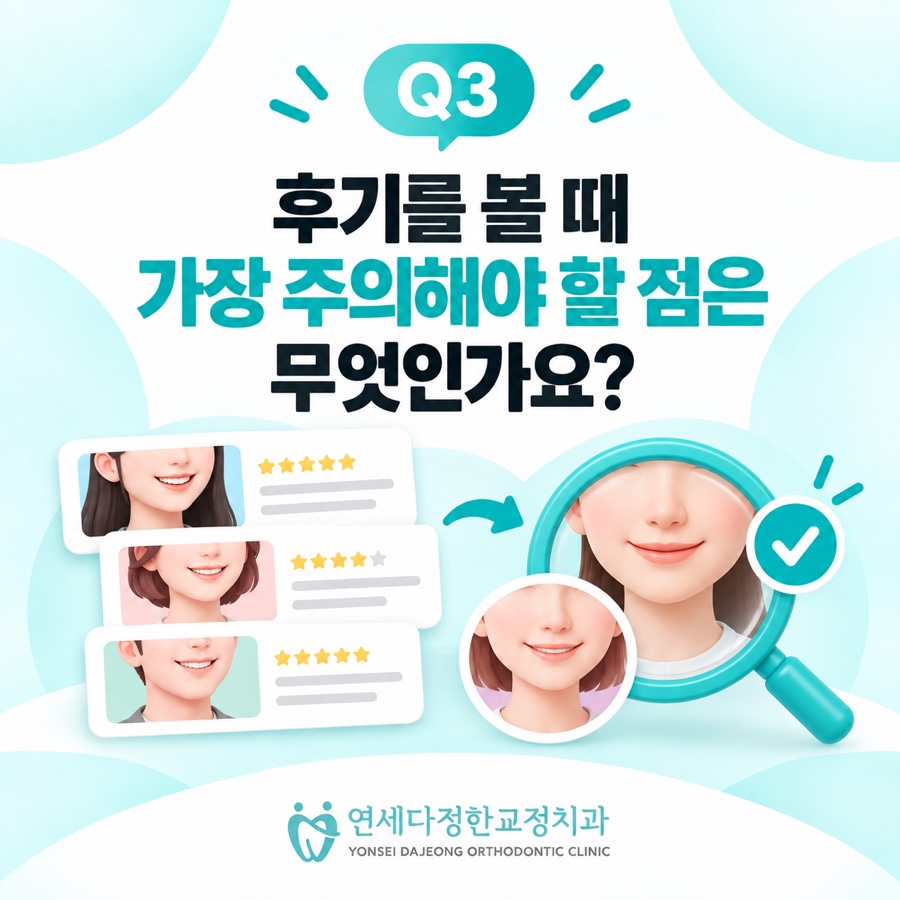
    3. What should I watch out for most when reading reviews?
    Rather than relying on someone else’s subjective impressions, it’s important to check whether the case involves a jaw structure similar to your own.

    non-surgical underbite correction illustration 17

    4. Why is it essential to wear a retainer after orthodontic treatment?
    Teeth naturally tend to shift back toward their original position, so a retainer is essential for keeping the bite stable over the long term.


    References
    non-surgical underbite correction illustration 18

    · Asan Medical Center, “Underbite (Class III Malocclusion),” Asan Medical Center Health Information. View source
    · Korean Association of Orthodontists, “Underbite: Treatment Should Start Around Ages 7–9 to Correct It Properly,” Korean Association of Orthodontists. View source
    · Pharm News, “Adult Reverse Bite Improved Through Non-Surgical Underbite Correction,” Pharm News. View source


    This article is intended for general health information purposes only and is not a substitute for individual diagnosis or treatment. If you have symptoms, please consult a specialist.

  • Malocclusion Braces Cost: 3 Reasons Price and Duration Vary

    Malocclusion Braces Cost: 3 Reasons Price and Duration Vary

    SummaryMalocclusion braces cost varies from clinic to clinic. This article explains why price and treatment duration differ based on whether the issue is skeletal or dental, whether extraction is needed, and the type of appliance used — plus how to make use of payment plans.

    Have you ever felt discomfort while eating because your back teeth didn’t line up right?

    Many people also feel self-conscious about smiling freely because of crooked teeth in the mirror.

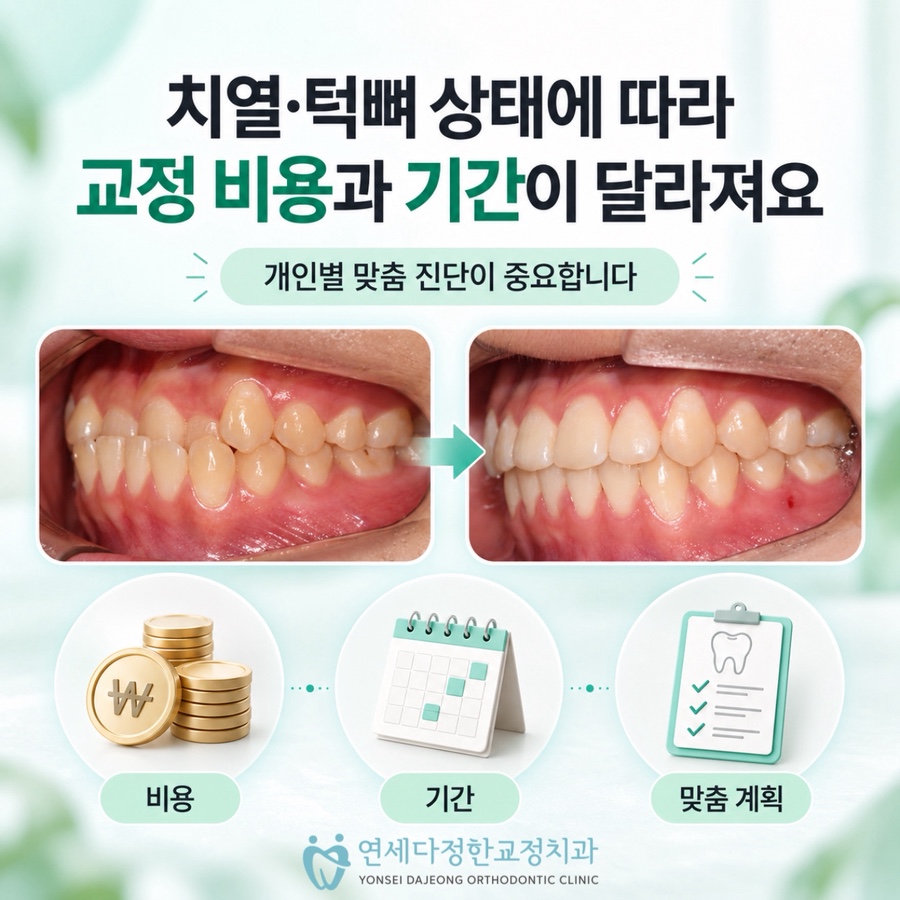
    Once you actually go in for a consultation, malocclusion braces cost can vary widely from clinic to clinic, which only deepens the worry.

    In fact, this difference often starts with a single diagnostic distinction: whether the problem is skeletal or purely dental.

    malocclusion braces cost

    malocclusion braces cost illustration 2

    This article walks through how malocclusion braces cost is determined, the diagnostic process, the appliance and difficulty factors that create price differences, and how payment plans and treatment scheduling can help ease the financial burden.

    malocclusion braces cost illustration 3

    malocclusion braces cost illustration 4

    How Is Malocclusion Diagnosed and Classified?

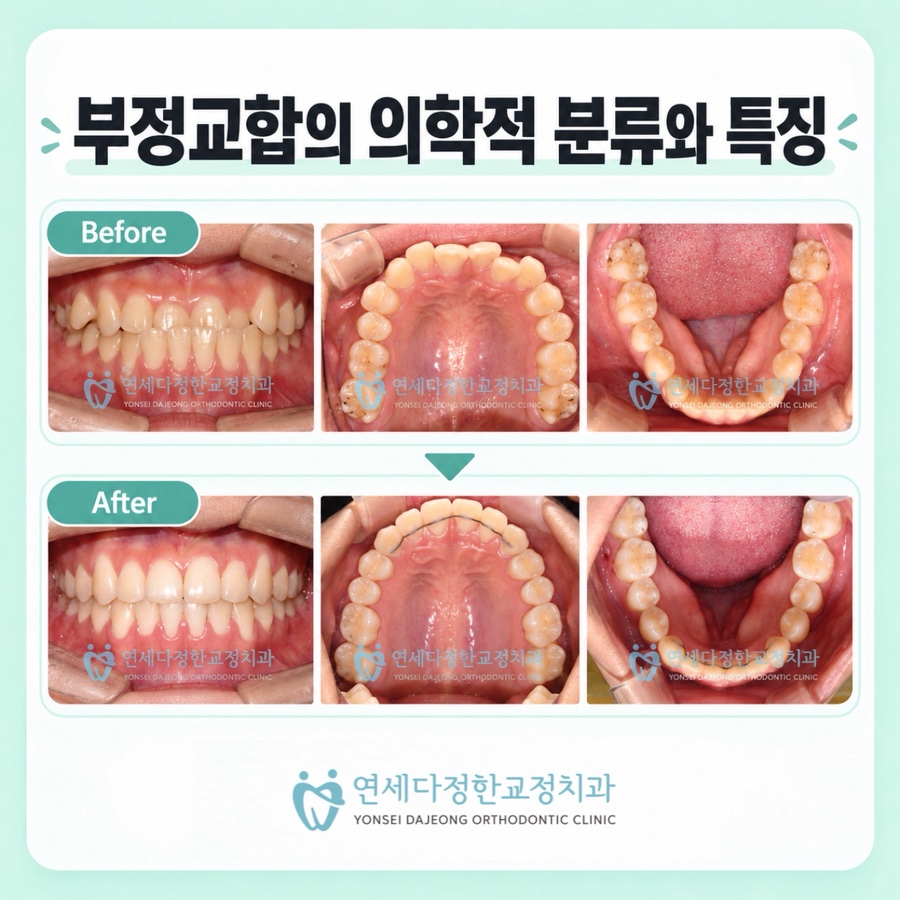
    To put it simply, malocclusion is a condition in which the upper and lower teeth don’t bite together properly.

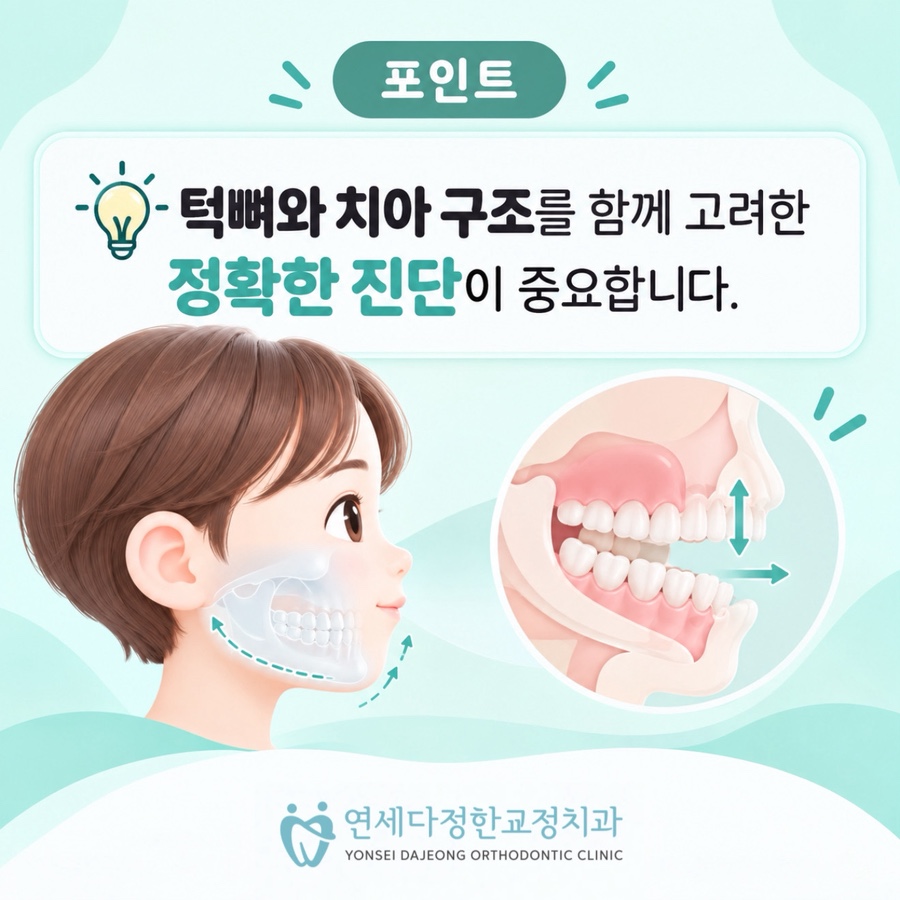
    Whether the issue is purely dental (crooked teeth) or skeletal (misaligned jawbones) makes a major difference in treatment difficulty.

    It isn’t just about teeth looking crowded — it can also affect chewing function, speech, and TMJ (jaw joint) health.

    malocclusion braces cost illustration 5

    malocclusion braces cost illustration 6

    Presentations vary widely — protruding or reversed front teeth, back teeth that don’t meet, and more.

    This is why it’s difficult to accurately estimate malocclusion braces cost before a detailed diagnostic workup.

    Key Points
    ✔ When both the jawbone and tooth structure are affected, realigning the teeth alone may not be enough.
    ✔ Treatment to guide jaw growth may also be needed, which makes a detailed diagnosis especially important.

    malocclusion braces cost illustration 7

    malocclusion braces cost illustration 8

    Leaving this condition untreated can lead to worsening gum health, speech issues, and other discomfort over time.

    So if you notice these symptoms, it’s a good idea to see a specialist for a diagnosis rather than putting it off.


    What Determines Malocclusion Braces Cost?

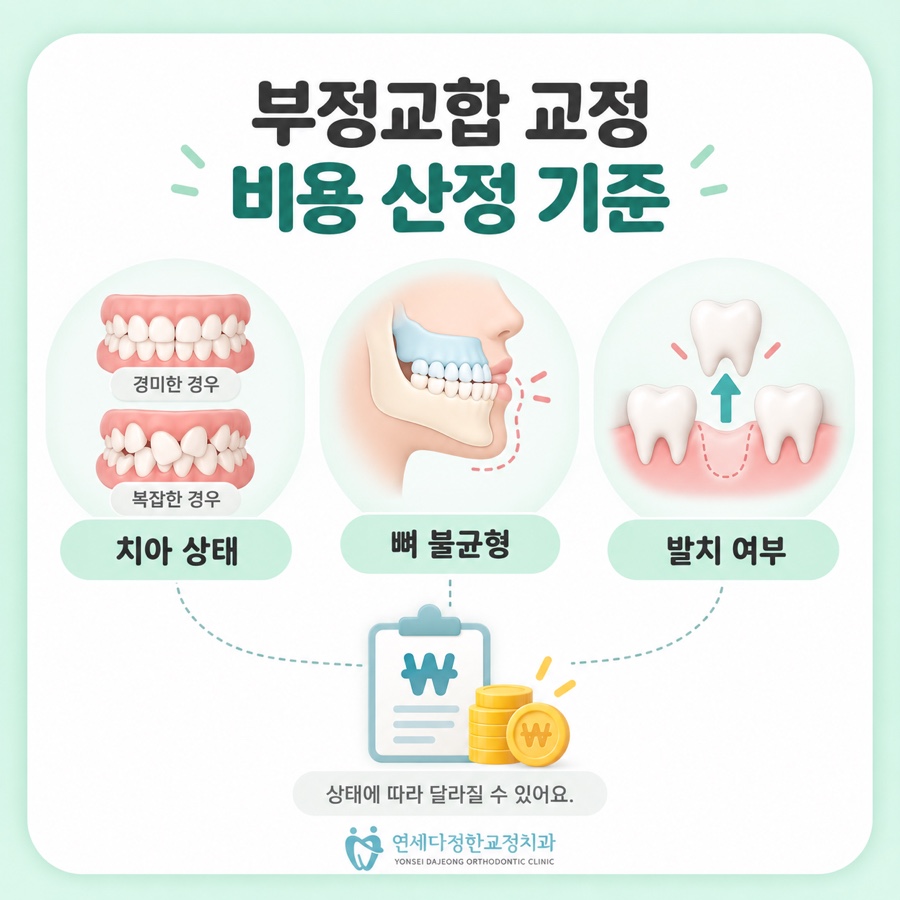
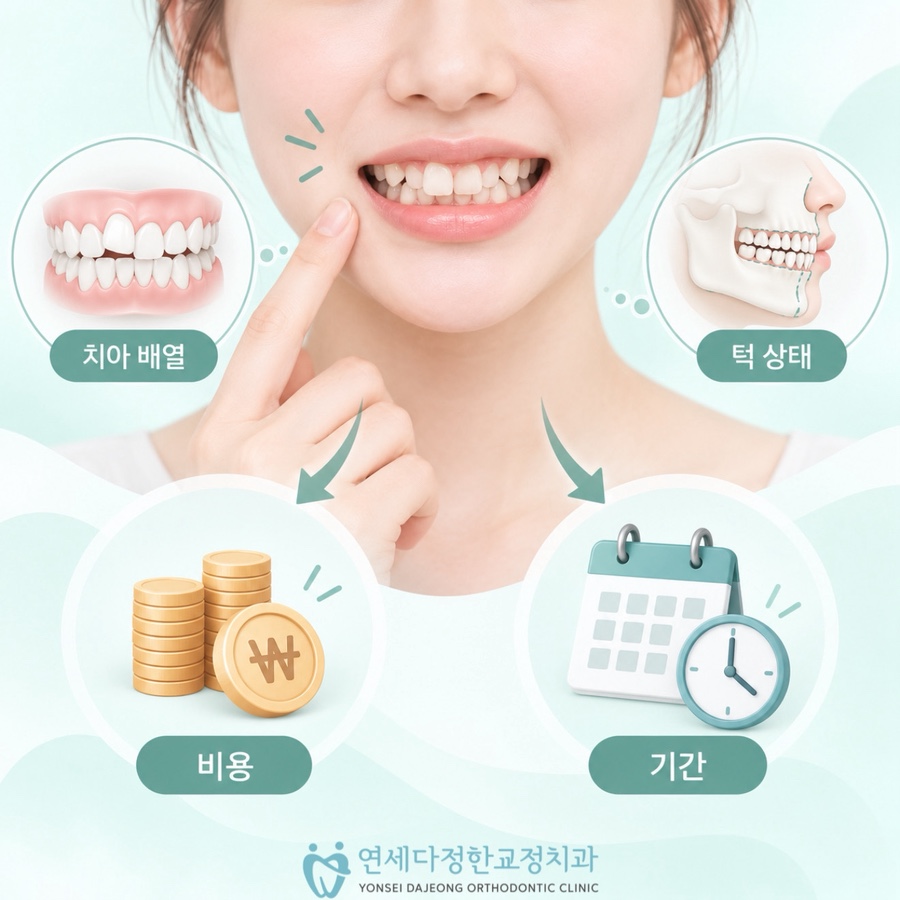
    Malocclusion braces cost varies significantly depending on oral condition, the degree of bone imbalance, and whether extraction is needed.

    Unlike simple spacing or mild crowding, cases where the jawbone position is significantly misaligned require moving teeth over a wider range, which calls for more advanced technique.

    malocclusion braces cost illustration 9

    In practice, extraction orthodontics tends to cost more and take longer than non-extraction orthodontics, and cases that also involve skeletal issues tend to increase both further.

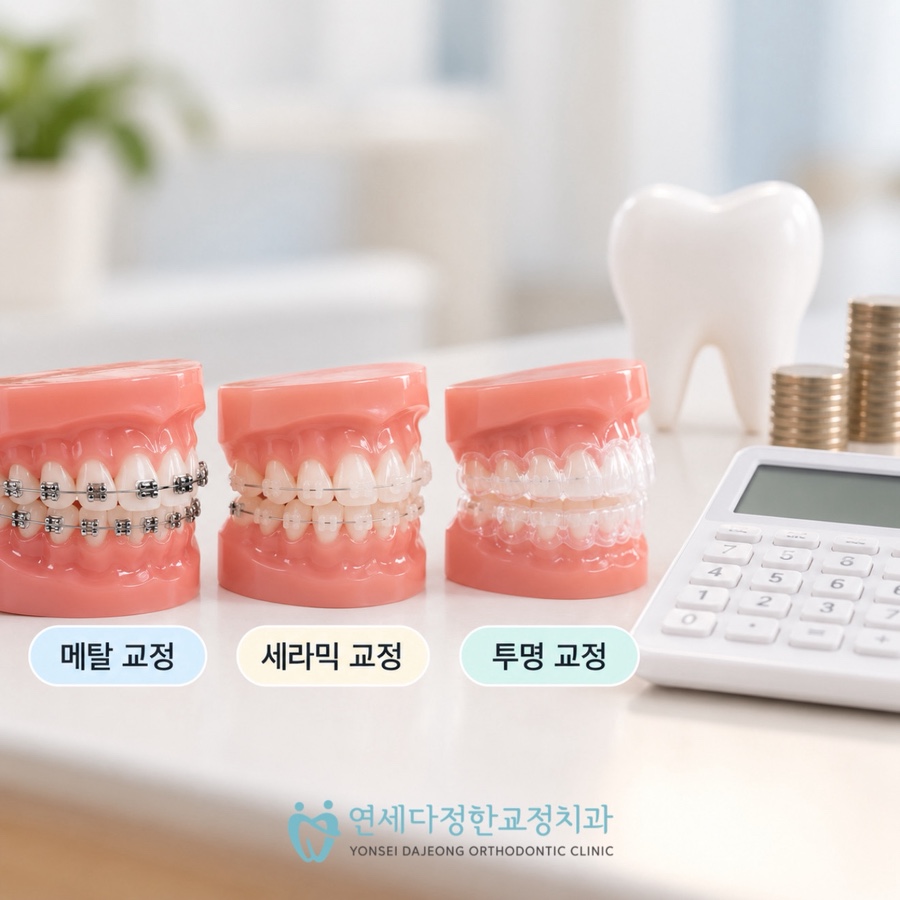
    The type of appliance used also affects the total cost.

    Type Characteristics Cost Tendency
    Metal braces The most basic fixed appliance Relatively lower
    Ceramic braces Tooth-colored and less noticeable Mid-range
    Clear aligners Removable, often paired with digital diagnostics Relatively higher
    Key Points
    ✔ Whether extraction is needed and whether skeletal issues are involved both affect cost and duration.
    ✔ The appliance type (metal, ceramic, or clear) and the use of digital diagnostic equipment are also reflected in the total cost.

    malocclusion braces cost illustration 10

    In other words, a thorough diagnosis and treatment plan tailored to each person’s structure should come before any one-size-fits-all price standard.


    What Factors Affect Treatment Duration and Price?

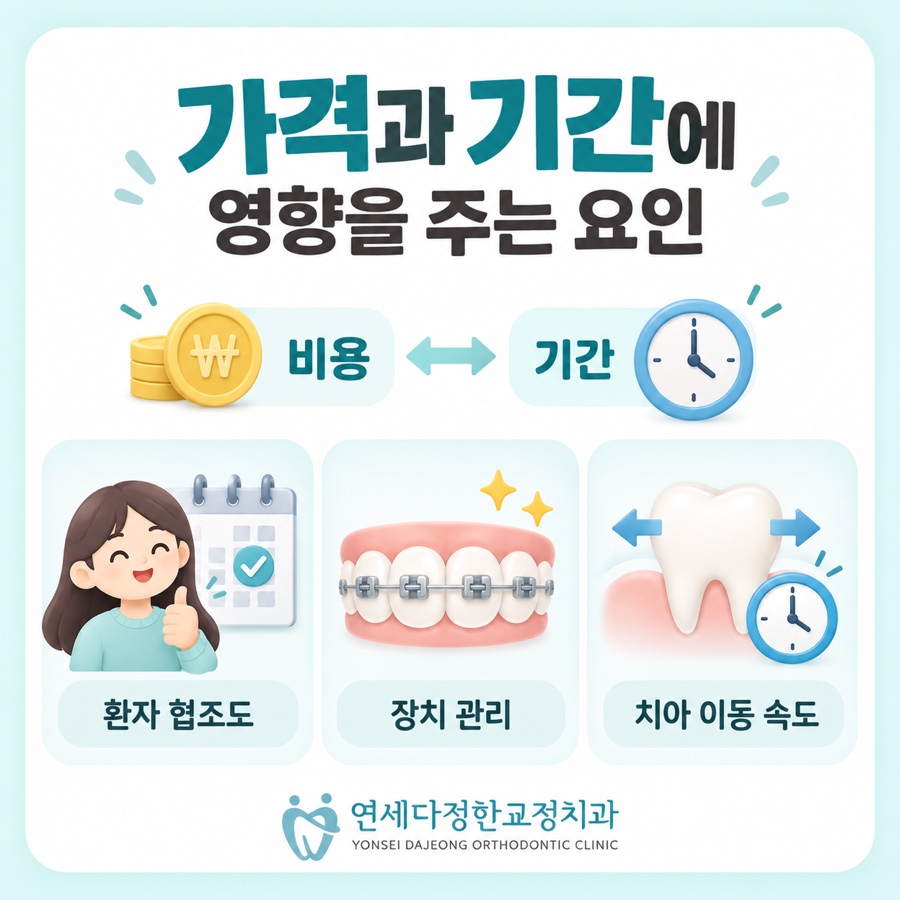
    In short, treatment duration depends on how well the patient follows instructions and how quickly the teeth and bone respond.

    Tooth movement speed differs from person to person, and broken appliances or missed appointments can extend the overall timeline.

    malocclusion braces cost illustration 11

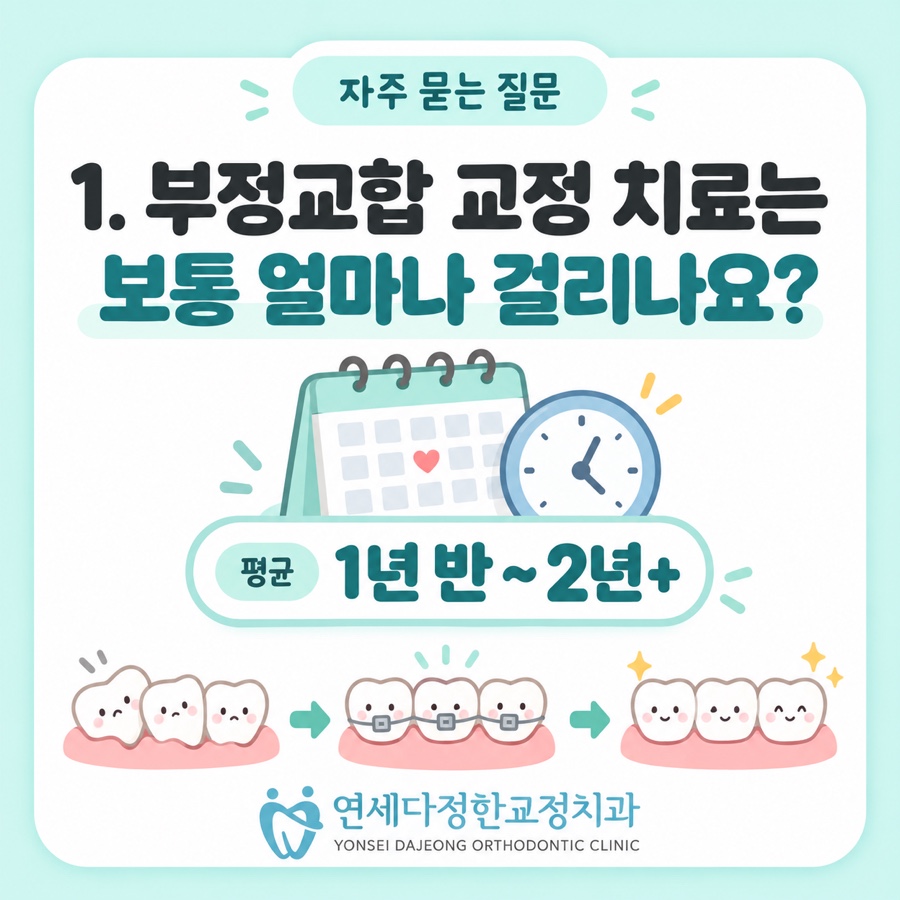
    Depending on the clinic, non-extraction orthodontics is often estimated at around 1 to 1.5 years, and extraction cases at roughly 1.5 to 2 years — though the exact duration can vary based on each patient’s diagnosis.

    If skeletal issues are involved, treatment may also include mini-screw-assisted movement or a combined surgical approach, which can extend the timeline further.

    Checklist: What to Confirm During Diagnosis
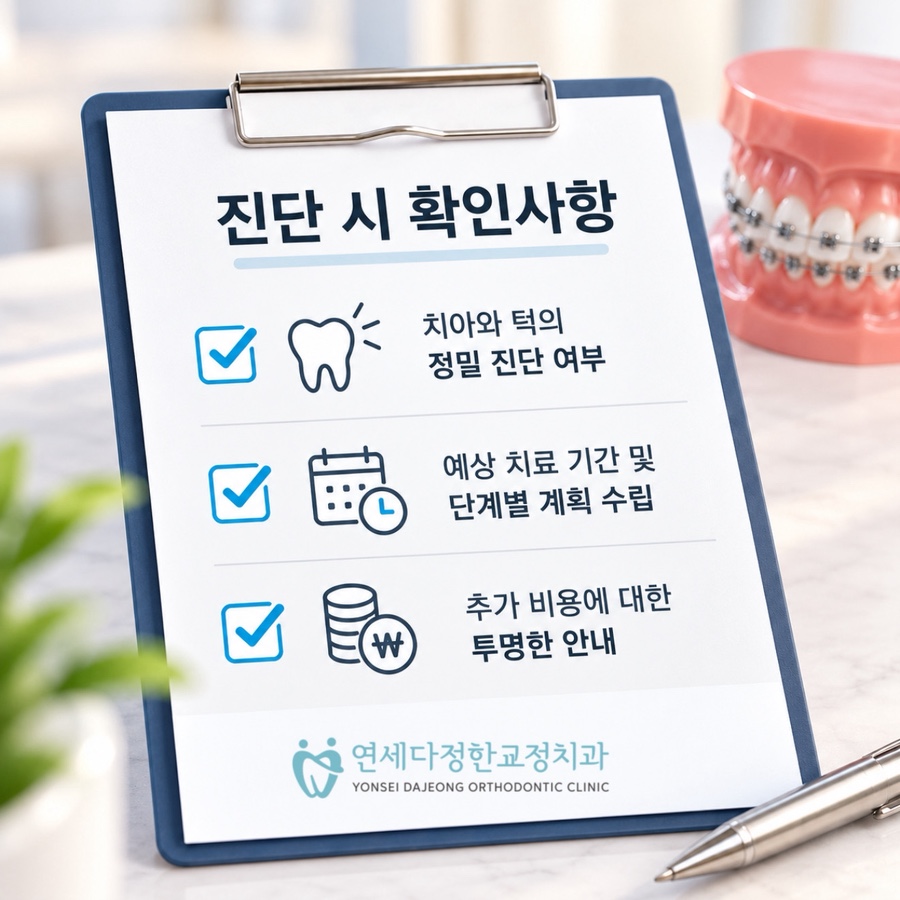
    ✅ Did you receive a detailed diagnosis distinguishing skeletal from dental issues?
    ✅ Were you given an estimated treatment duration and a step-by-step movement plan?
    ✅ Were any potential additional costs explained transparently?

    malocclusion braces cost illustration 12

    malocclusion braces cost illustration 13

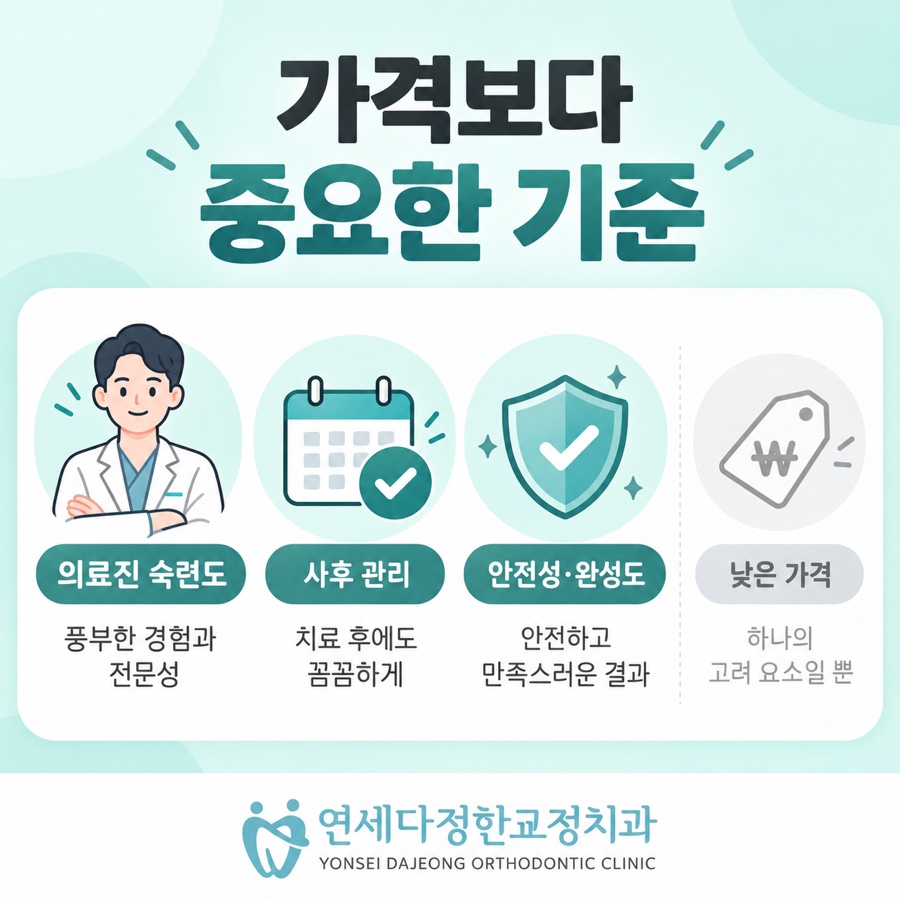
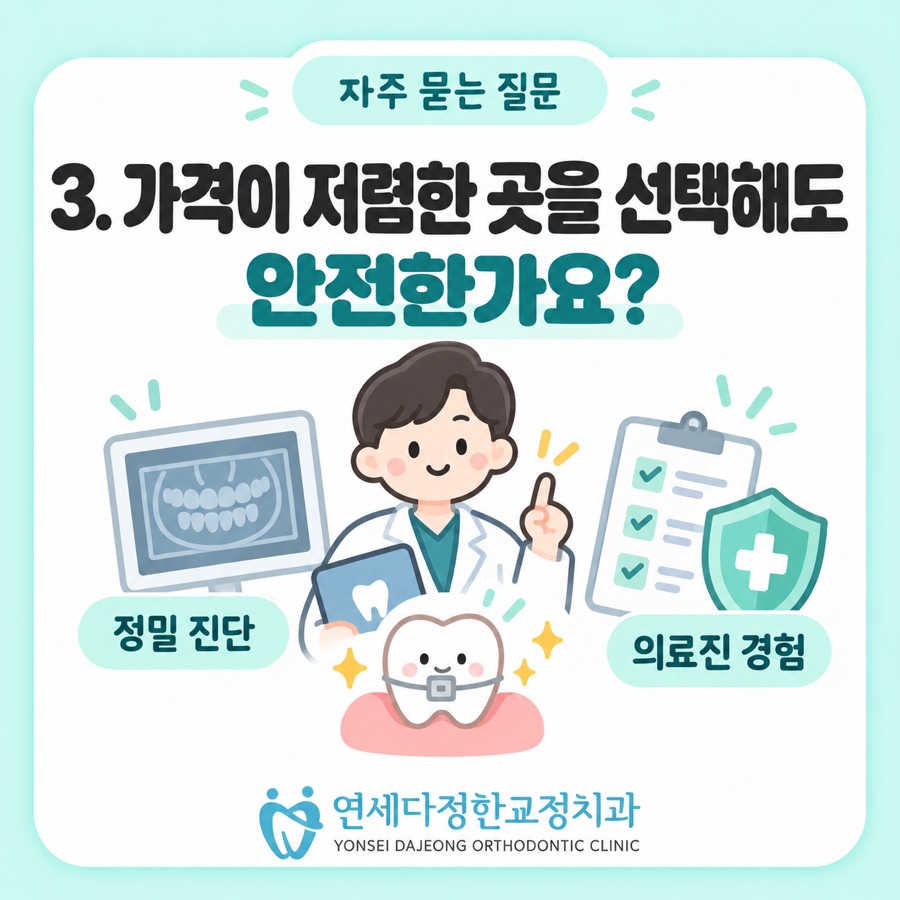
    Rather than chasing the lowest price alone, it’s wise to also weigh the clinical team’s experience and the aftercare system.

    It’s important to approach treatment in a way that addresses both safety and quality of outcome.


    How Can You Use Payment Plans and Manage Treatment?

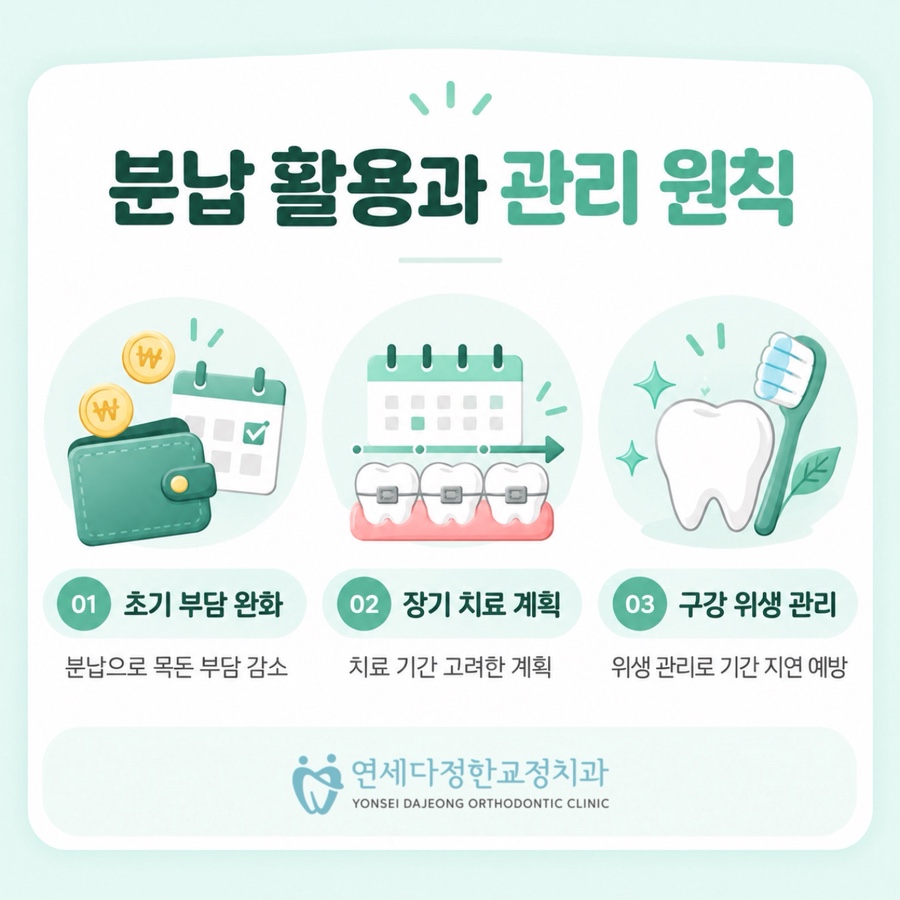
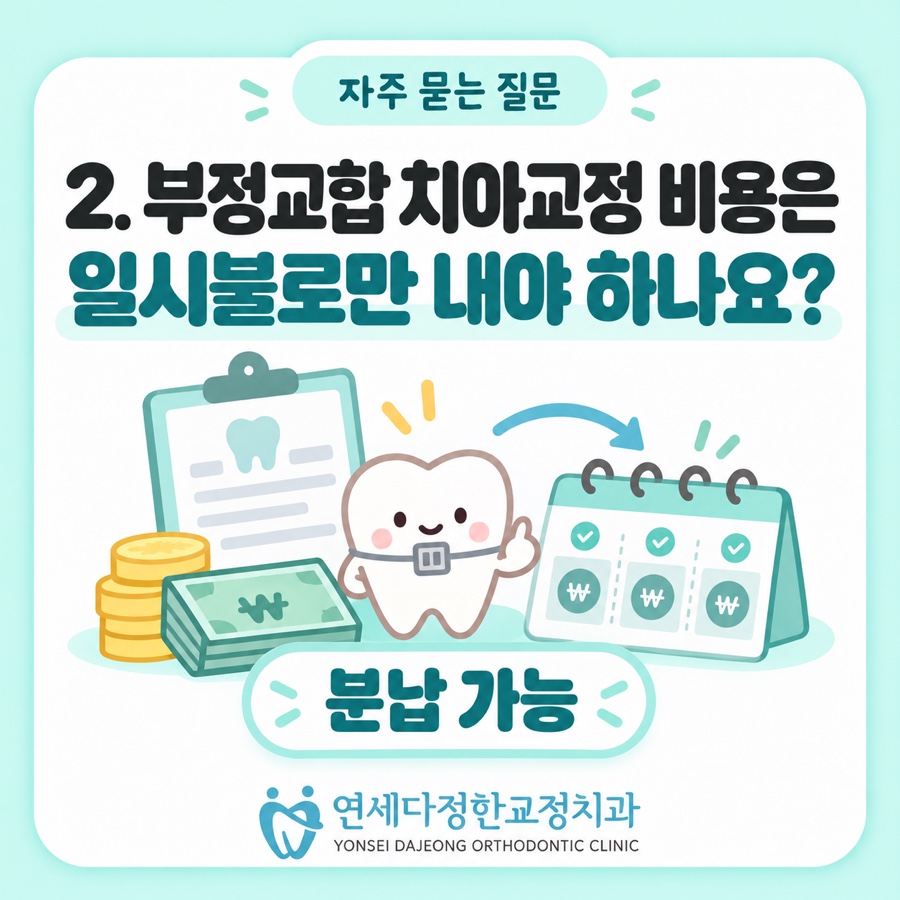
    Using a payment plan can help reduce the upfront financial burden while continuing long-term treatment.

    Orthodontic treatment is a long journey that can last from several months to several years, so it’s a good idea to plan your finances ahead of time.

    malocclusion braces cost illustration 14

    Caution
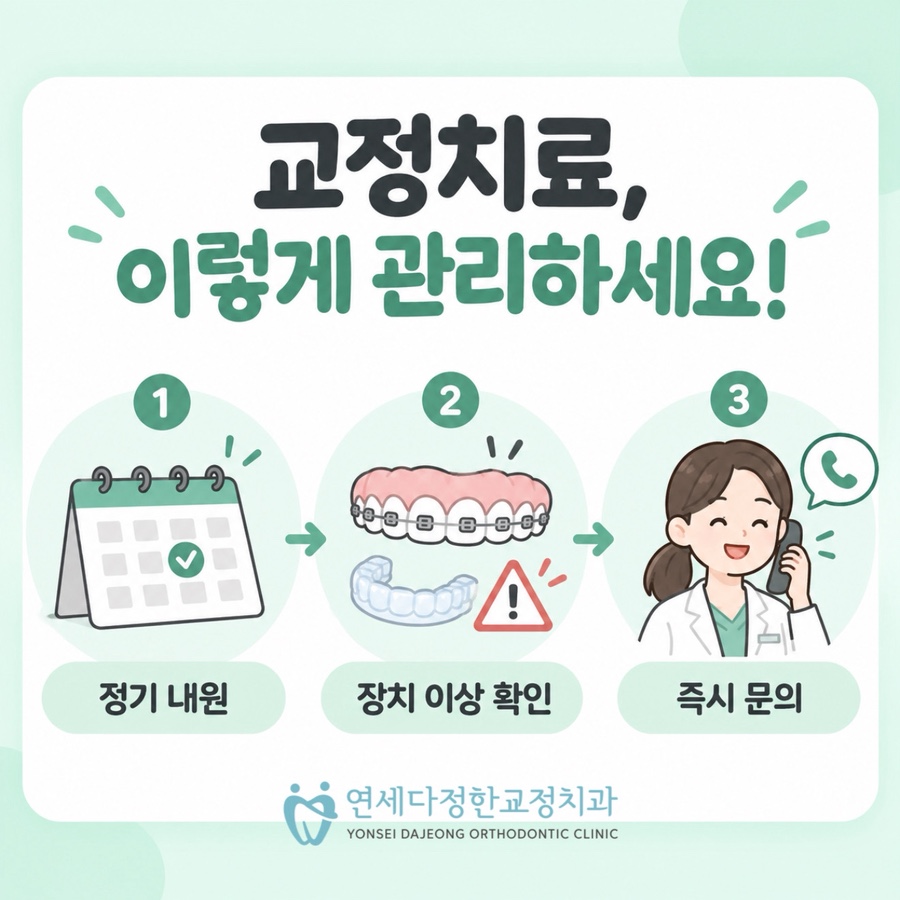
    Neglecting oral hygiene during treatment can lead to cavities or gum disease, which may extend the treatment period.
    Keep to your scheduled visits, and contact your clinic right away if an appliance becomes deformed or breaks.

    malocclusion braces cost illustration 15

    If you have questions, consider visiting the Yonsei Dajeonghan Orthodontic Clinic in Cheongnyangni homepage for a diagnostic consultation to check your malocclusion type, estimated cost, and expected duration first.

    In Summary
    · Malocclusion braces cost is shaped by whether the issue is skeletal or dental, whether extraction is needed, and the type of appliance used.
    · Treatment duration depends on patient compliance and response speed, and is often estimated at around 1 to 2 years on average.
    · Payment plans and good oral care may help reduce both cost burden and treatment delays.

    Frequently Asked Questions

    malocclusion braces cost illustration 16

    1. How long does malocclusion treatment usually take?
    It varies depending on jaw condition and case difficulty, but treatment is often estimated at around 1.5 to 2 years. Cases involving extraction tend to take longer.

    malocclusion braces cost illustration 17

    2. Do I have to pay the full malocclusion braces cost upfront?
    Most clinics offer installment payment systems tied to treatment stages, which can help reduce the initial financial burden.

    malocclusion braces cost illustration 18

    3. Is it safe to choose the cheapest option?
    Rather than automatically going with the lowest price, it’s best to carefully weigh factors like diagnostic equipment quality and the clinical team’s experience and skill.

    malocclusion braces cost illustration 19

    4. Can orthodontic treatment still help after adulthood?
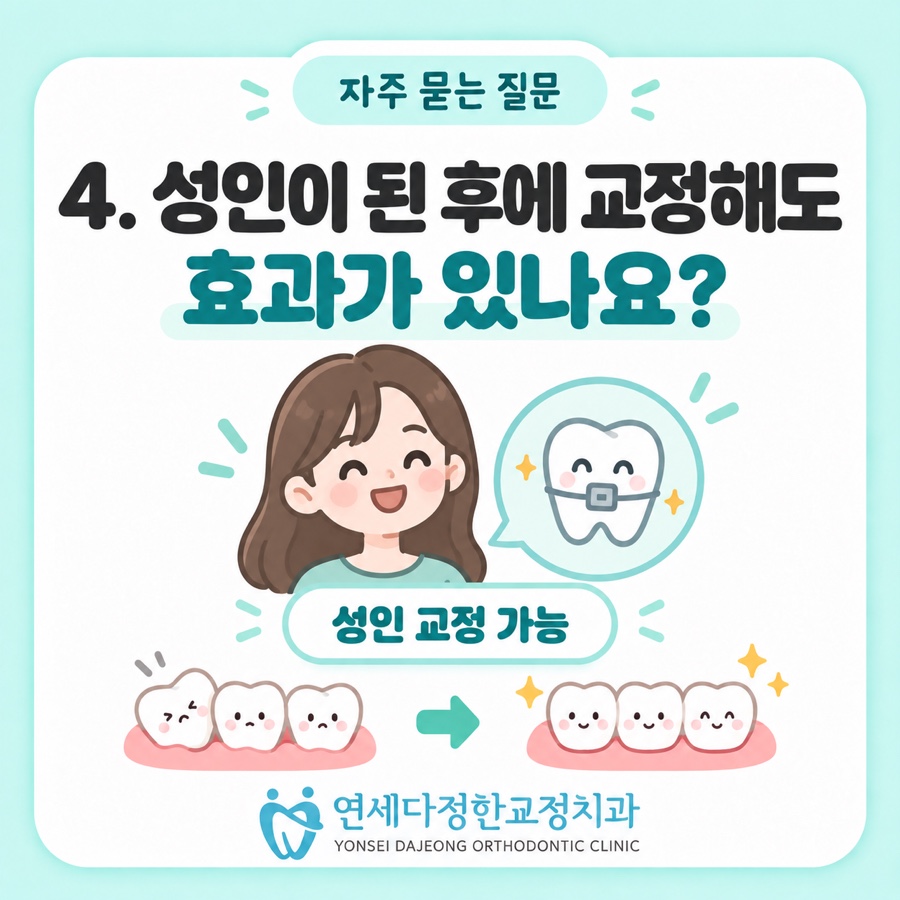
    Even after growth has finished, tooth movement itself is possible regardless of age, and functional and aesthetic improvement may be possible.

    5. Is malocclusion treatment covered by health insurance?
    General cosmetic malocclusion treatment is not covered by national health insurance. Partial coverage may apply only for specific diagnoses, such as cleft lip and palate.


    References

    · Seoul National University Hospital, “Malocclusion,” Seoul National University Hospital Medical Information. View Source
    · DBpia, “Changes in Dental and Facial Features Before and After Orthodontic Treatment With and Without Extraction in Class I Malocclusion Patients,” academic journal article. View Source
    · National Health Insurance Service, “Guide to Insurance Coverage for Orthodontic and Orthopedic Treatment of Cleft Lip and Palate.” View Source


    This article is intended for general health information purposes only and does not replace individual diagnosis or treatment. If you have symptoms, please consult a specialist.