Do you wake up with a stiff, sore jaw,
or notice your teeth looking shorter than they used to?
It’s easy to write this off as simple fatigue,
but it may actually be caused by repeated teeth grinding during sleep.
Did you know that store-bought, one-size-fits-all mouth guards
often can’t manage this habit effectively?
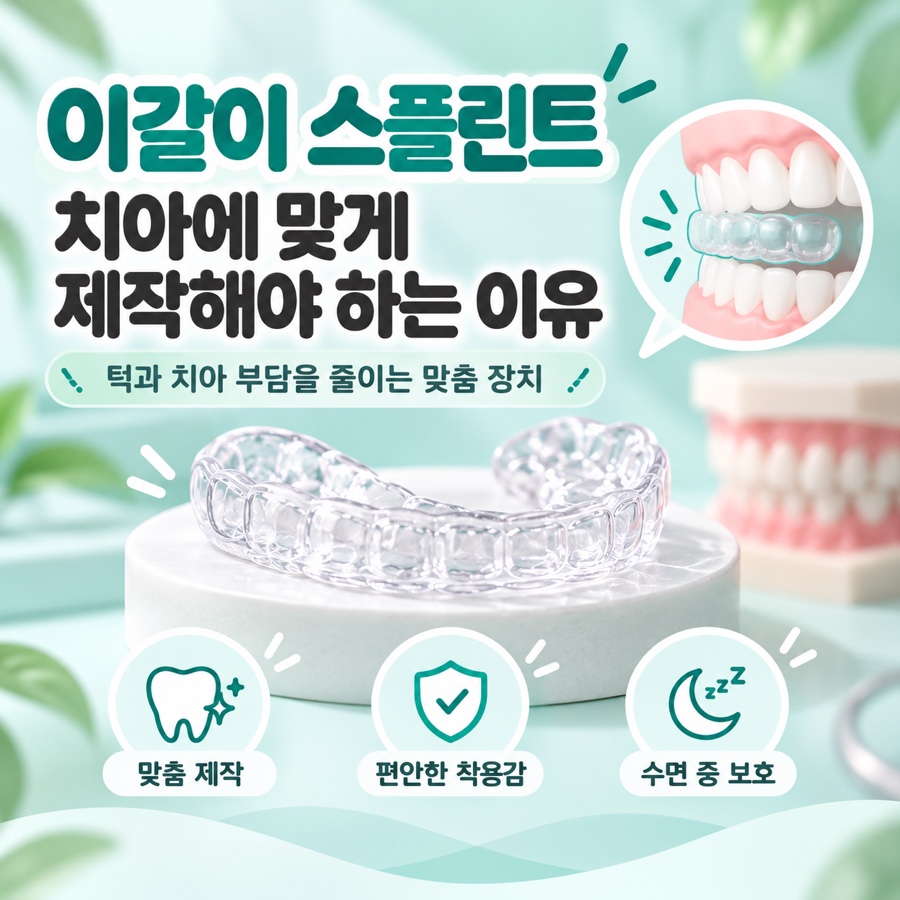
A night guard is an oral appliance that may help reduce tooth wear and jaw joint strain during sleep.
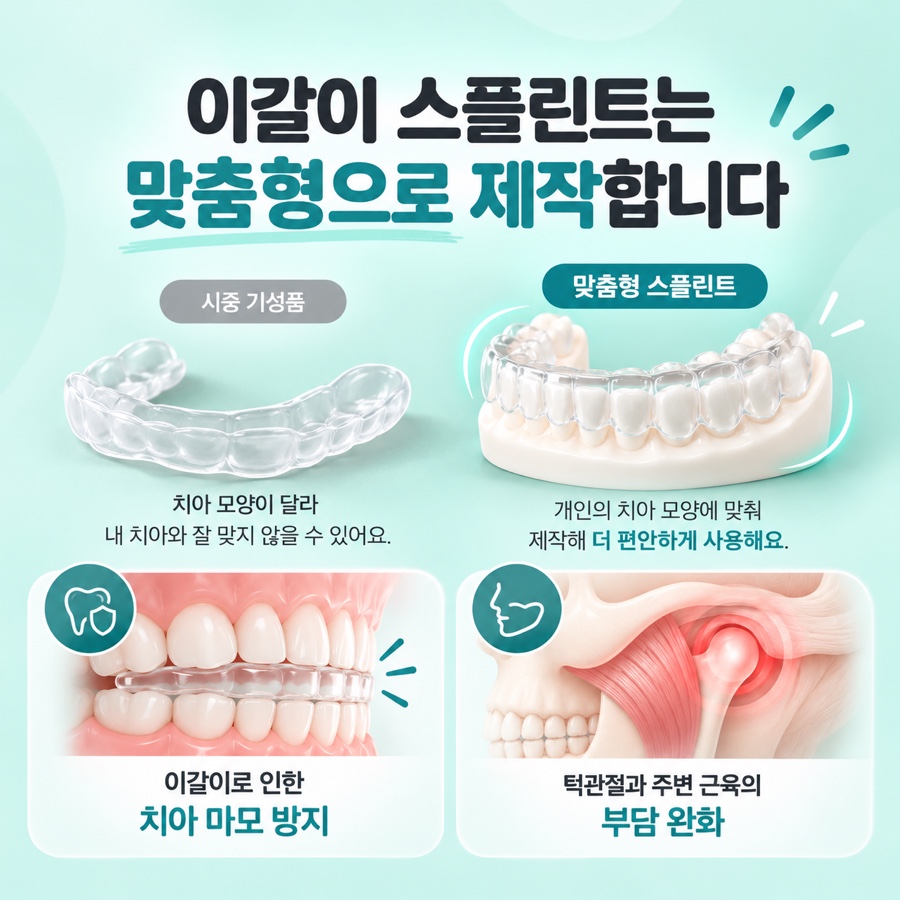
However, it needs to be custom-made to match your tooth shape, bite, and jaw movement in order to work well.
Over-the-counter versions can’t account for individual differences and may end up causing more discomfort.
This article walks through how teeth grinding affects your teeth and jaw joint,
how a night guard works,
why a custom dental fit matters more than an over-the-counter option,
and how to wear and care for one safely.
What Happens to Your Jaw If You Ignore Teeth Grinding?
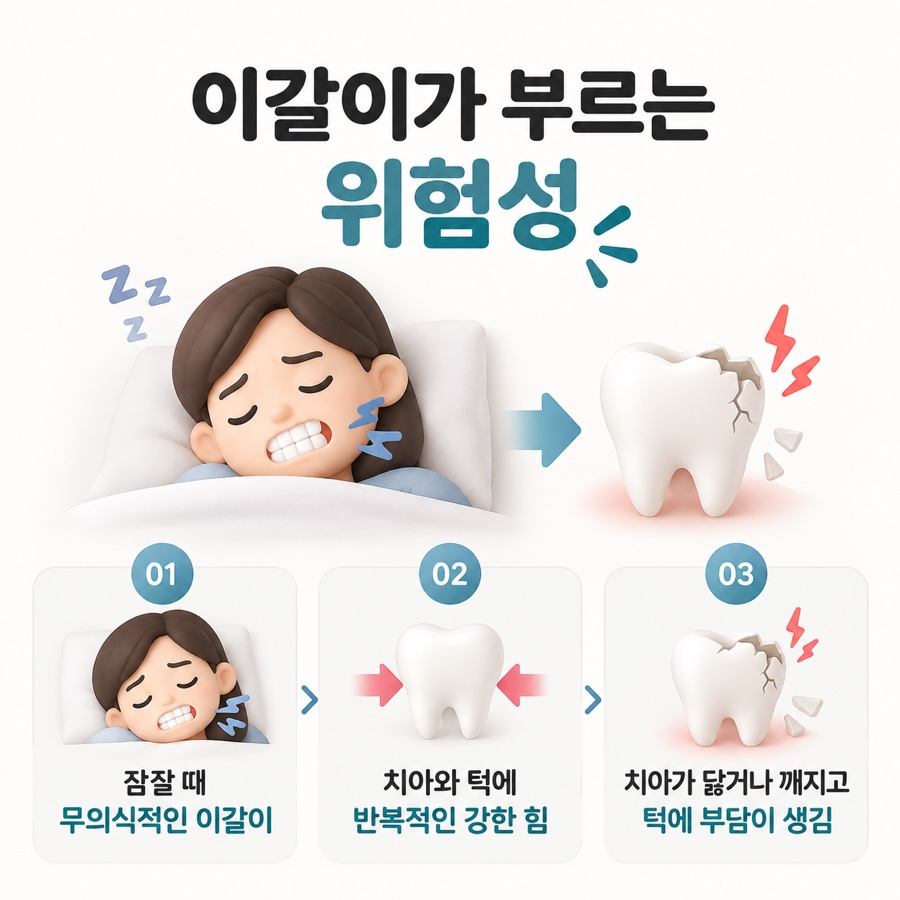
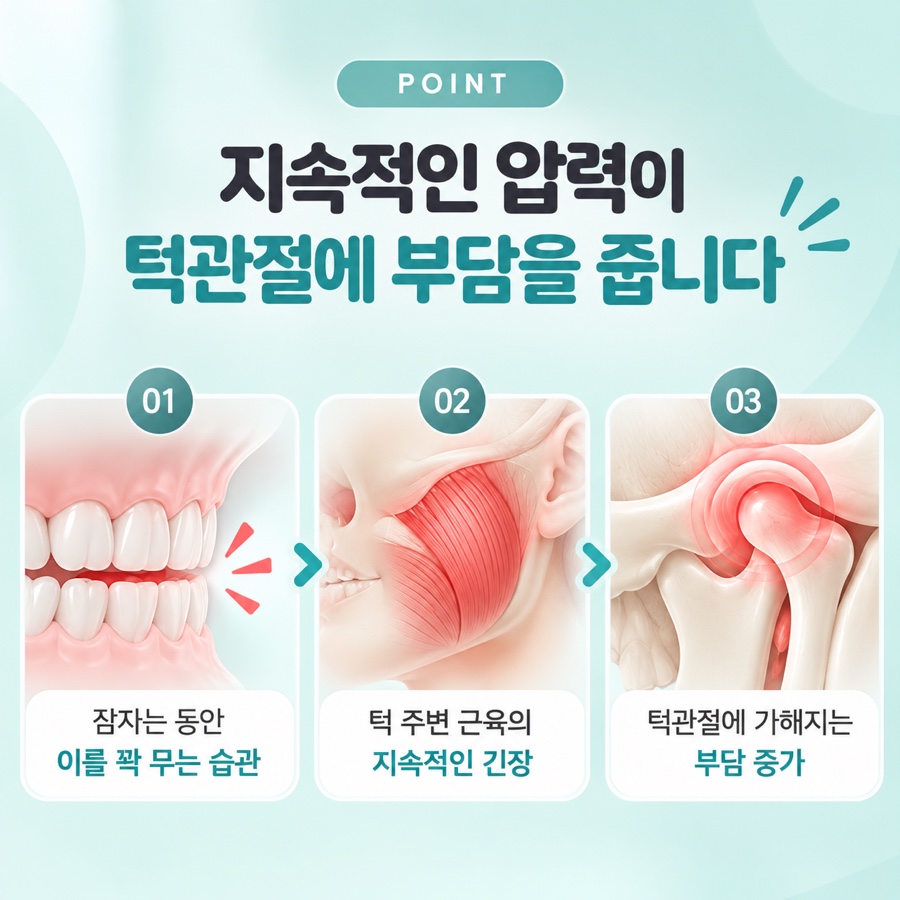
Teeth grinding (bruxism) is the unconscious habit of grinding or clenching your teeth forcefully while you sleep.
It places far more force on your teeth and jaw joint, repeatedly,
than ordinary chewing ever does.
When this habit continues over time,
it can gradually wear down or chip your teeth,
and may also lead to tooth sensitivity or a stiff, sore jaw.
According to Korea’s National Health Insurance Service, the number of patients treated for TMJ disorder rose from 353,000 in 2015 to 414,000 in 2019 — a 17.1% increase over five years.
Patients in their 20s made up the largest share, at 114,000 (27.7%) of all age groups.
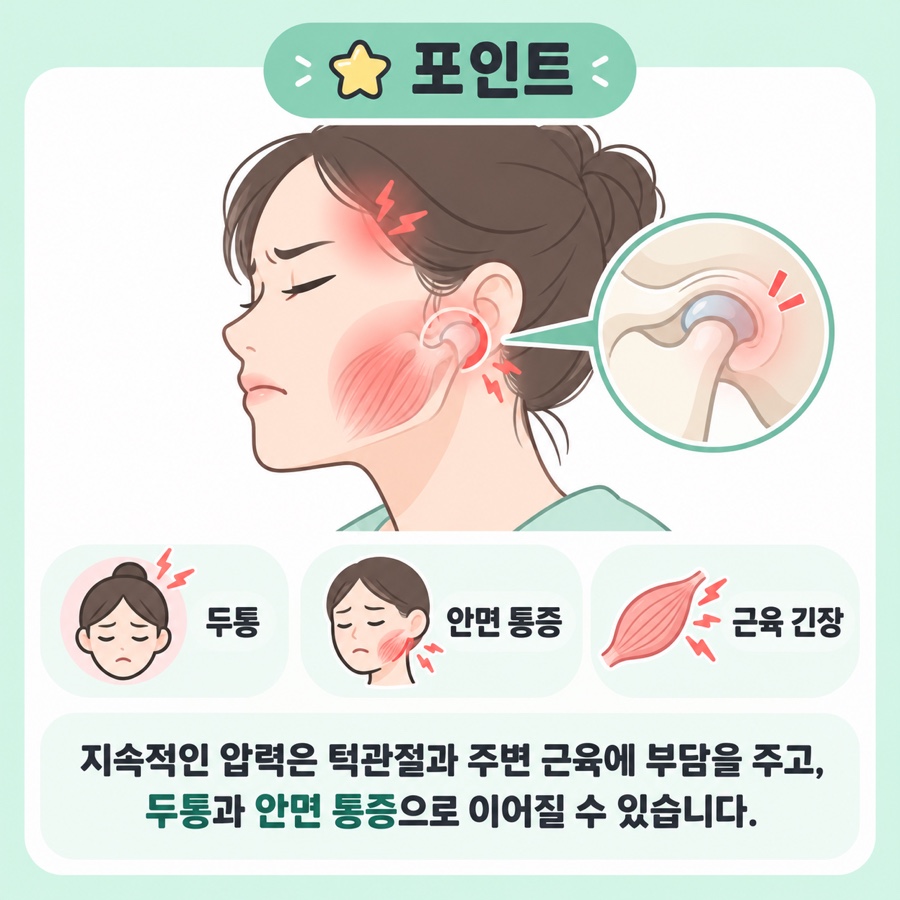
Sustained pressure on the jaw can wear down the TMJ disc and tighten the surrounding muscles, which may lead to chronic headaches and facial pain.
TMJ disorder refers to a problem affecting the jaw joint located just in front of the ear. It was traditionally viewed as a single syndrome, but is now understood as a complex of interrelated disorders affecting the chewing system.
That’s how Korea’s Disease Control and Prevention Agency describes TMJ disorder on its National Health Information Portal.
Many people brush off teeth grinding
and only see a dentist once significant tooth wear has already set in.
It’s best to have a dentist check your current condition
before symptoms become more serious.
How Does a Night Guard Work?
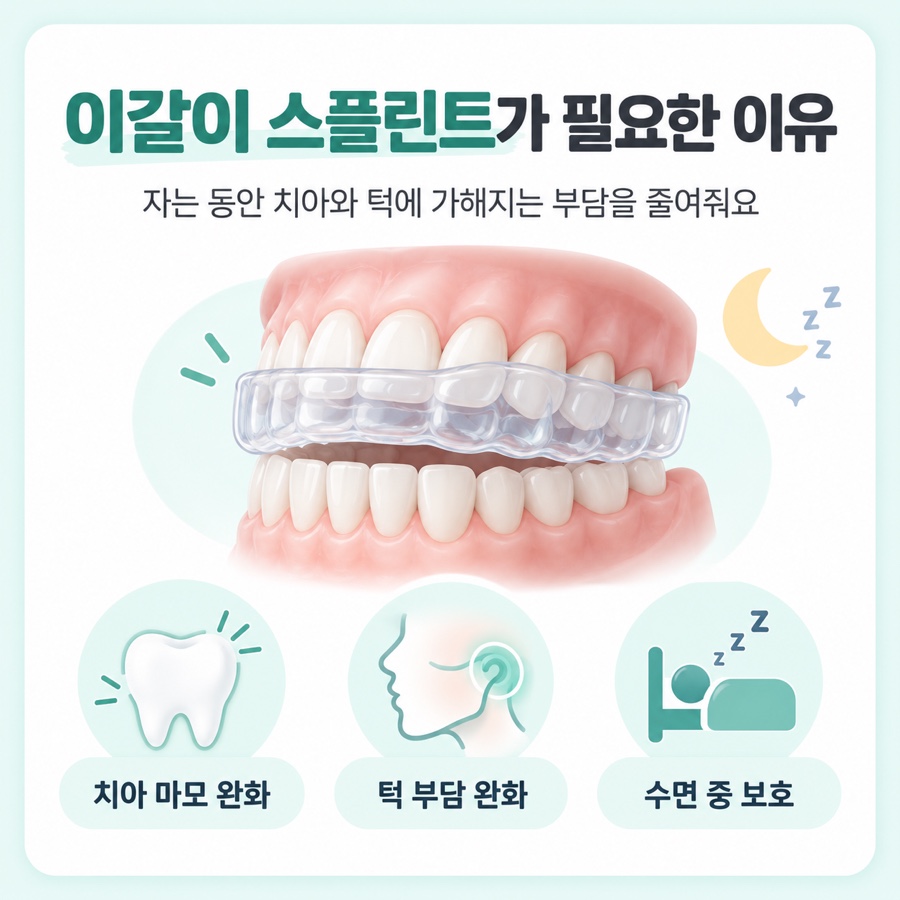
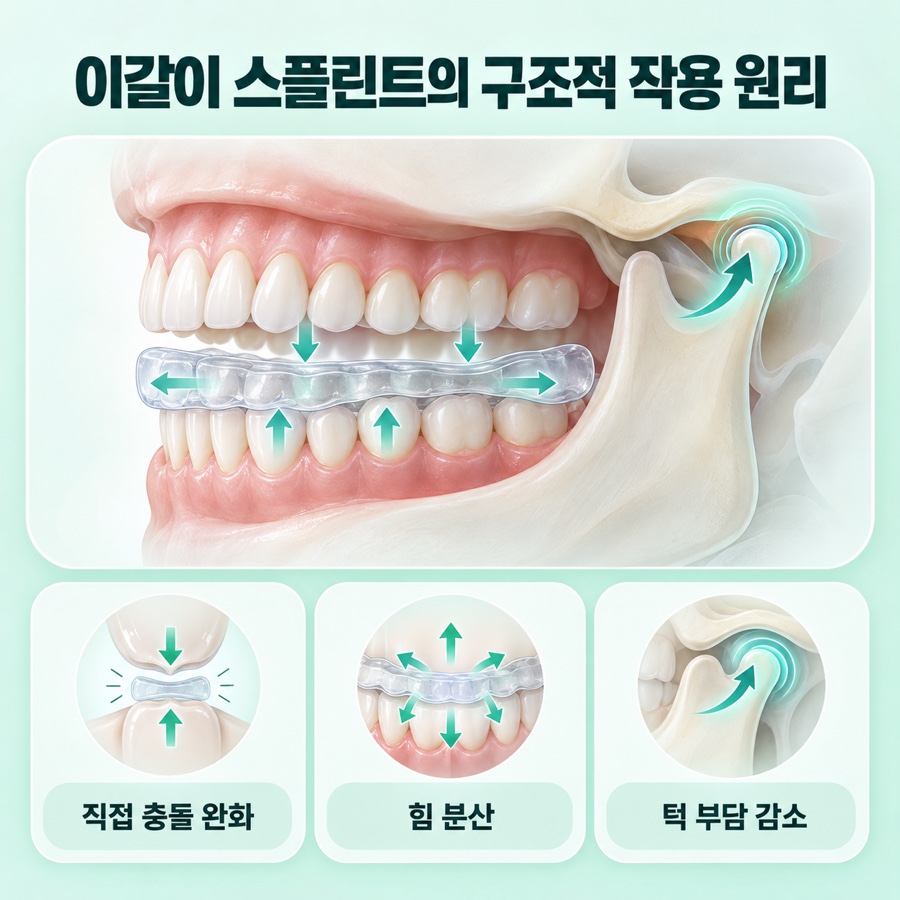
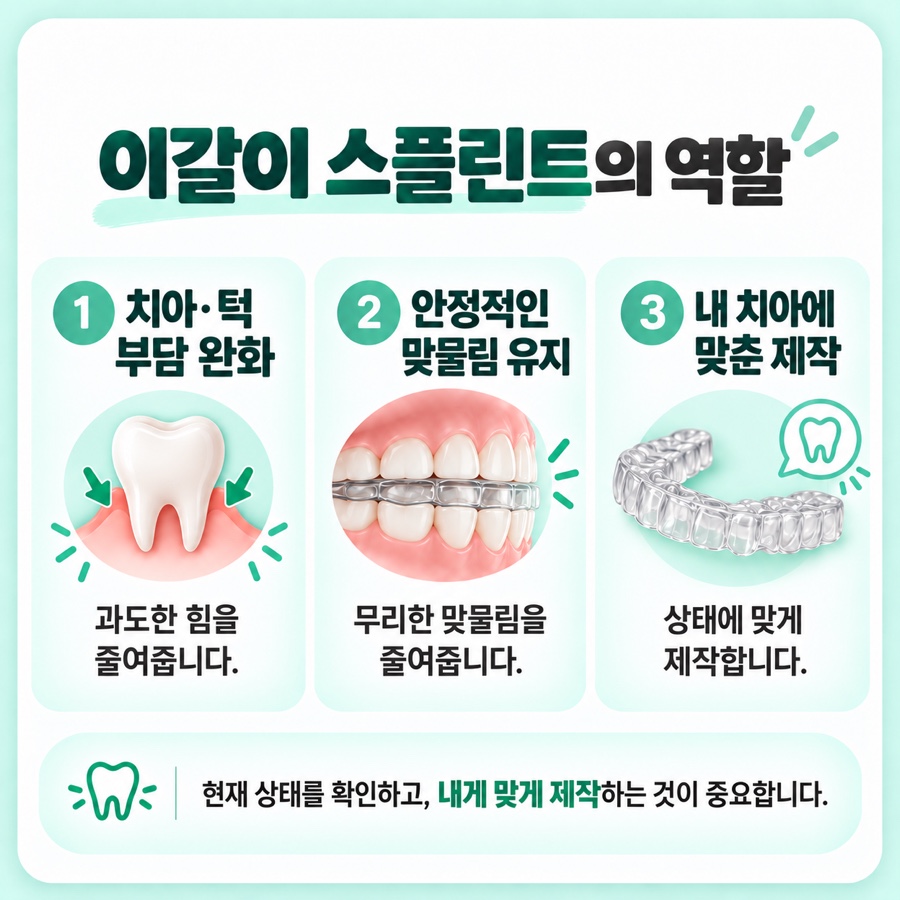
A night guard is an oral appliance that keeps your upper and lower teeth from making direct contact during sleep, which can help distribute force on your teeth and jaw joint more evenly.
Wearing a night guard can
reduce forceful contact between your teeth
and ease excessive tension in the muscles around your jaw.
- May help reduce the force placed on your jaw during sleep
- May help prevent teeth from wearing down or chipping by blocking direct contact
- May help ease the strain placed on your jaw joint
In a study by Yonsei University Dental Hospital involving 30 patients with sleep bruxism, wearing an occlusal stabilization splint for one month significantly improved the balance of bite force between the left and right sides.
That benefit, however, depends heavily on how precisely the appliance fits the teeth.
That said, a night guard isn’t something
you can simply pop in and expect to work.
Because everyone’s tooth shape, bite, and jaw movement are different,
having the appliance made and adjusted to your specific condition is essential.
Custom Night Guards vs. Over-the-Counter Mouth Guards: What’s the Difference?
A custom dental night guard is made after your dentist examines your individual tooth shape and bite, then fabricates and adjusts the appliance specifically for you.
Using a generic, off-the-shelf guard as-is
can result in a poor fit or discomfort.
If a night guard doesn’t fit your teeth properly,
it can end up placing unnecessary strain on your jaw.
| Category | Over-the-Counter Mouth Guard | Custom Dental Night Guard |
|---|---|---|
| Fabrication | Standardized, one-size shape | Made from an impression of your own teeth |
| Fit | Often loose or doesn’t sit flush | Fits snugly against teeth and gums |
| Force Distribution | Can concentrate on specific spots | Distributed evenly overall |
| Adjustability | Not possible | Fine-tuned at regular checkups |
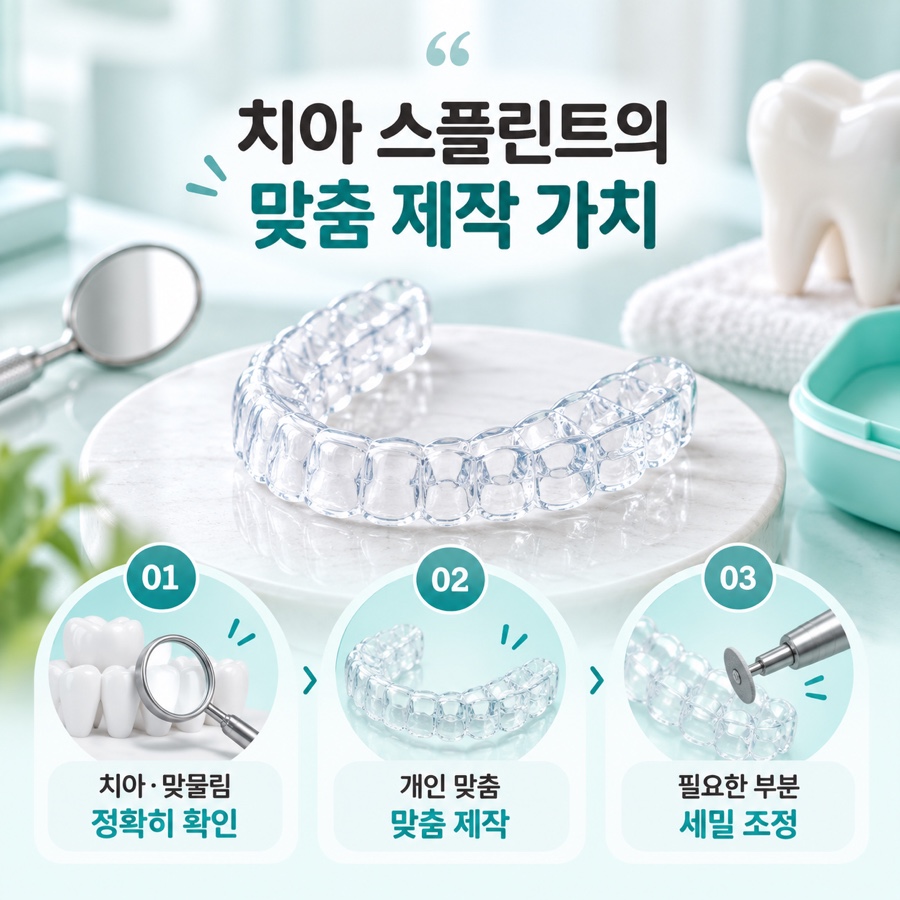
✅ Check that it fits snugly against your teeth and gums without discomfort
✅ Make sure force is distributed evenly rather than concentrated in one spot
✅ Have it checked regularly and adjusted if needed
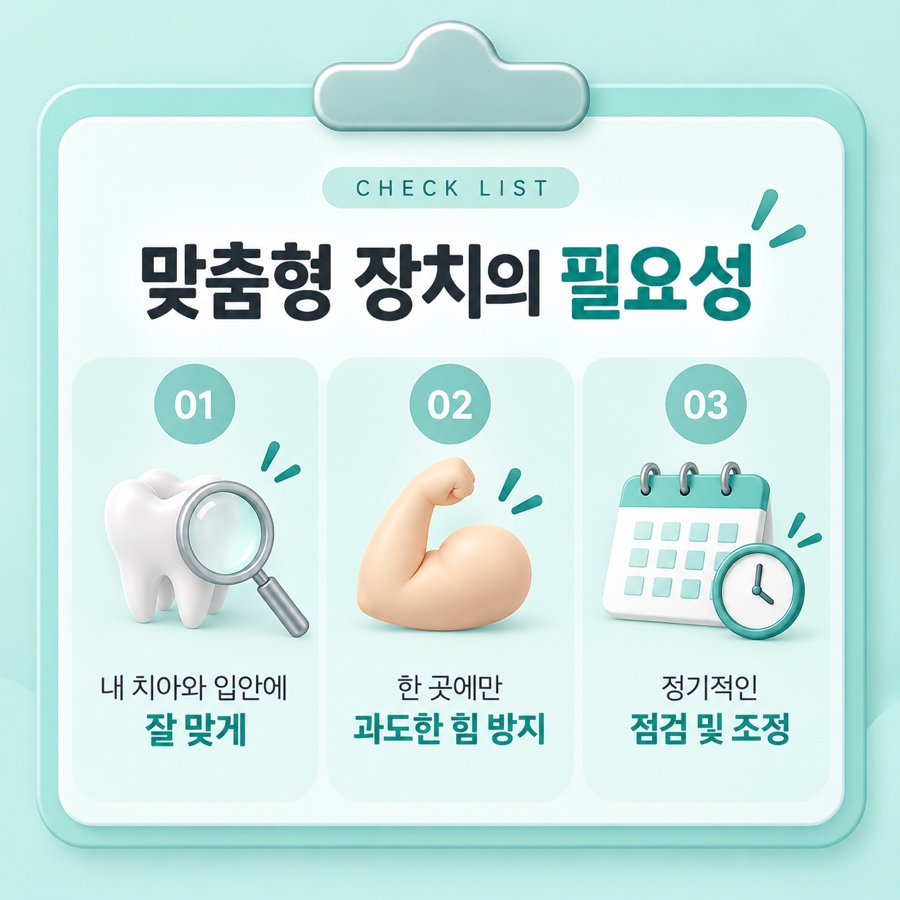
The process of thoroughly diagnosing your teeth and jaw before fitting an appliance
can vary from one dental office to another.
Consulting a dentist near you can help you get an accurate assessment, and
you can also find related information on the Yonsei Dajeonghan Orthodontic Dental Clinic in Cheongnyangni website.
How Do You Care for a Night Guard Safely?
A night guard needs to be cleaned properly and checked regularly to stay safe and last as long as possible.
- Clean the appliance properly after each use and store it in its dedicated case
- Have your dentist check it if it feels uncomfortable or no longer fits well
- Get your teeth and jaw checked together on a regular basis

Cleaning the appliance with hot water can cause it to warp.
It’s best to get in the habit of using lukewarm water or a dedicated cleaning solution.
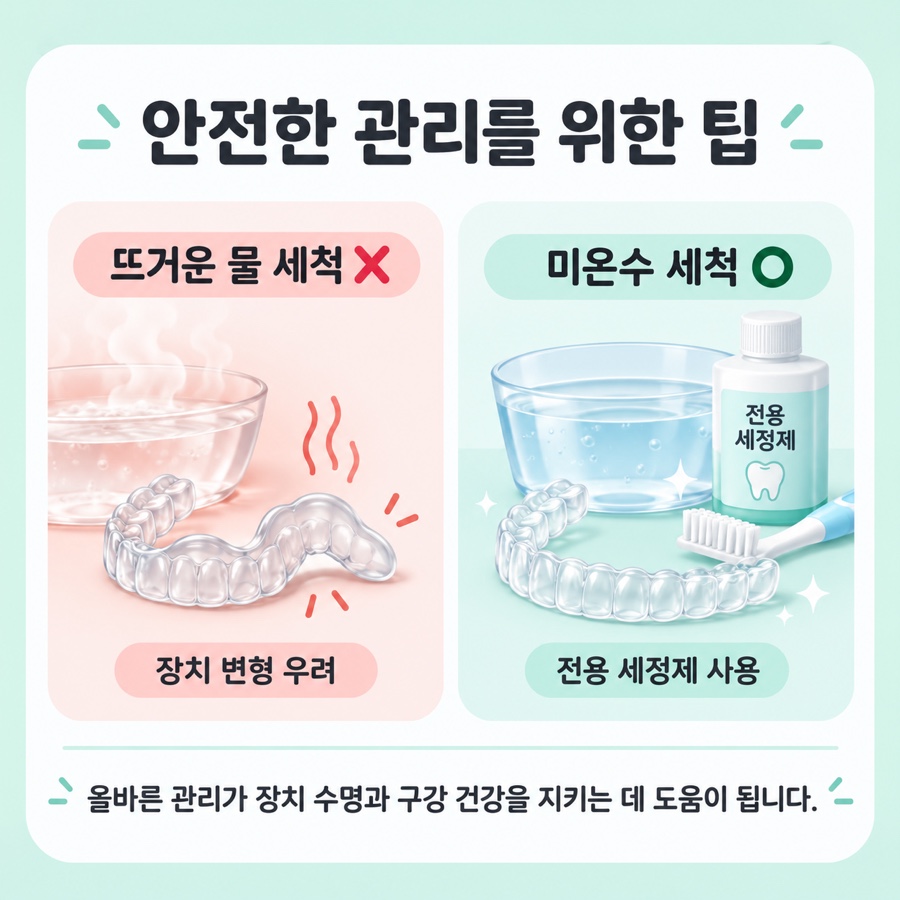
Combining proper care with regular checkups
can help steadily reduce tooth wear and strain on the jaw joint over time.
Frequently Asked Questions
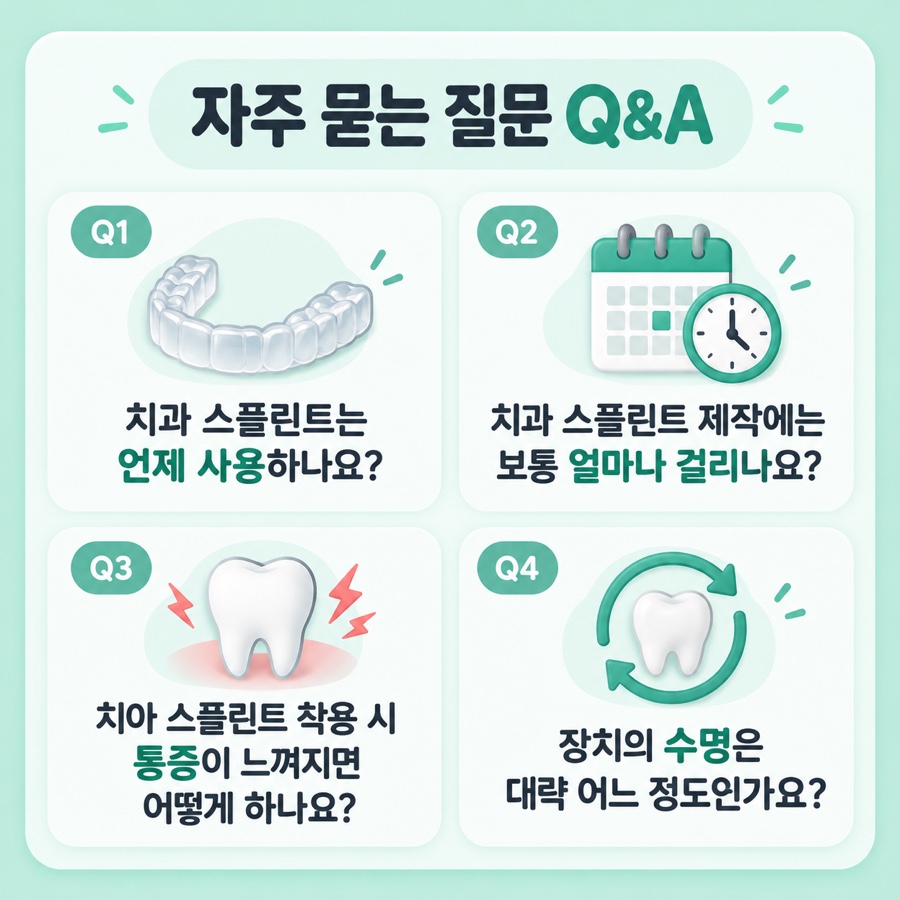
1. Is it okay to just use an over-the-counter mouth guard?
Store-bought guards can’t fully account for each person’s unique tooth shape and bite. A poorly fitting appliance can actually put more strain on your teeth and jaw, so it’s best to consult a dentist before using one.
2. How long does it typically take to get a custom night guard made?
Because it involves examining your tooth shape and bite before fabricating an appliance tailored to you, timelines vary by dental office. It usually takes anywhere from a few days to one or two weeks, so check with your dentist for an exact timeframe.
3. What should I do if wearing the night guard causes pain?
Mild discomfort during the initial adjustment period is common. If pain persists or gets worse the longer you wear it, don’t force yourself to keep using it — have a dentist check the fit instead.
4. About how long does a night guard last?
Its lifespan depends on how severe your grinding is, your usage habits, and how well you maintain it. If it becomes significantly worn or warped, have it checked regularly and replace it when needed.
References
· Ministry of Health and Welfare & National Health Insurance Service, “Clicking Jaws: TMJ Disorder Most Common Among Women in Their 20s,” press release. View source
· Korea Disease Control and Prevention Agency, “TMJ Disorder,” National Health Information Portal. View source
· “Occlusal Force and Functional Occlusal Analysis After Using an Occlusal Stabilization Splint in Sleep Bruxism Patients: A Pilot Study,” KCI (Korea Citation Index). View source
This article is provided for general health information purposes only and is not a substitute for individual diagnosis or treatment. If you’re experiencing symptoms, please consult a dental professional.