Two clinics can use the exact same Invisalign system,
so why do the results differ so much?
It may seem like 3D software automatically designs tooth movement,
but in practice, the sequence and direction the clinician chooses for moving each tooth make a major difference in the outcome.
That’s why, when researching a Jegi-dong orthodontist recommendation, you should look at treatment-planning skill before the name of the device.
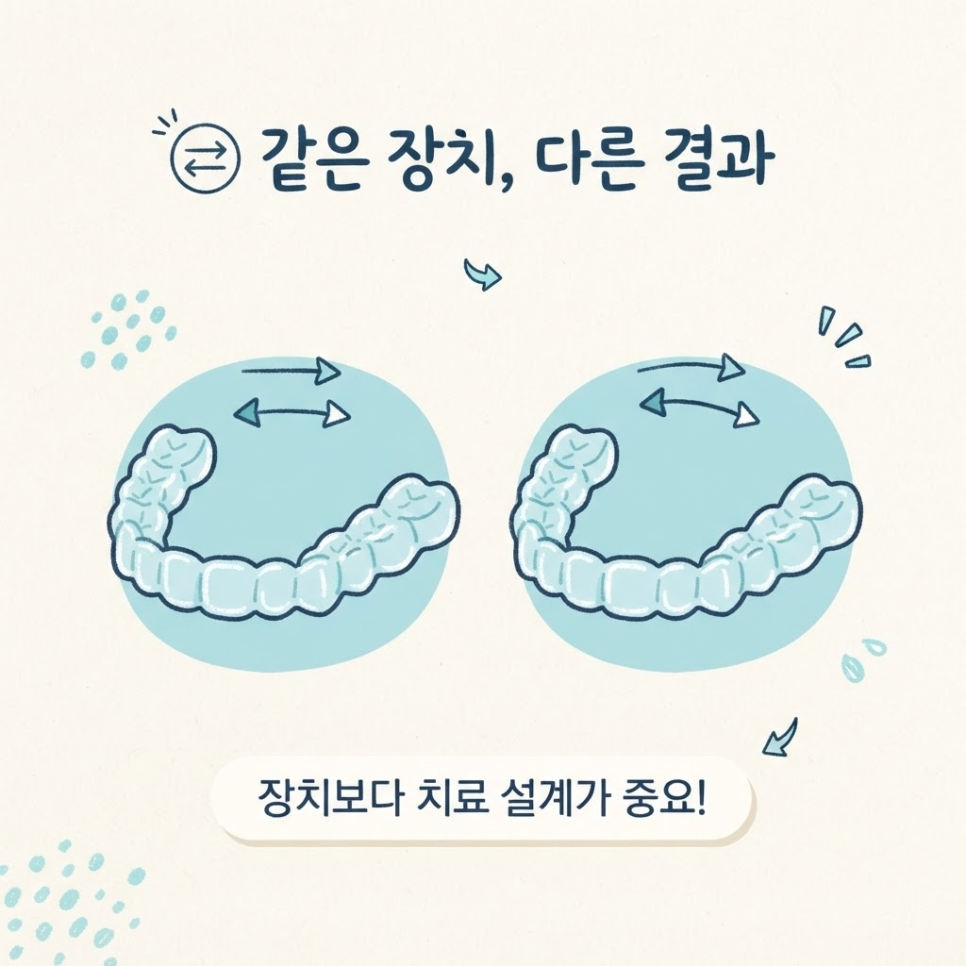
Even with the same appliance, the treatment process can vary depending on how missing space is created and the order in which teeth are moved.
That’s why this article outlines the treatment-planning criteria worth checking when considering a Jegi-dong orthodontist recommendation.
We’ll go through Invisalign Global Gallery cases, space-creation methods using mini-screws, and diagnostic criteria that account for facial balance, in that order.

What Does Invisalign Global Gallery Inclusion Actually Mean?
The Invisalign Global Gallery is a showcase of selected clinical cases chosen from Invisalign treatments worldwide.
Simply using the appliance isn’t enough to be featured.

Clinicians must submit a treatment plan, photos, radiographs, and the digital treatment plan (ClinCheck),
and only cases that meet certain criteria get published.
So whether a clinician has cases featured can serve as one reference point for how consistently,
and how precisely, they’ve designed complex cases over time.
· Even with the same Invisalign appliance, results can vary depending on the sequence and direction of tooth movement.
· The Invisalign Global Gallery only features cases from around the world that have passed a review process.
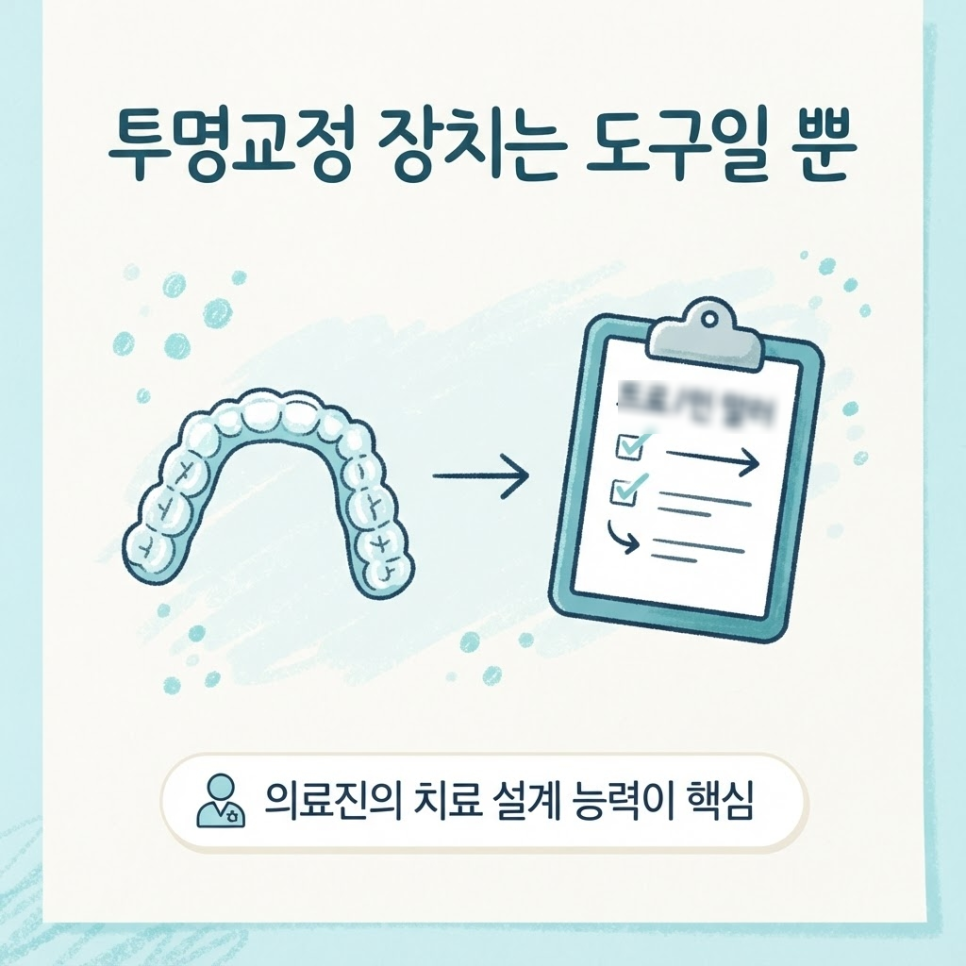
Clear aligners are best understood as a tool that moves teeth according to the plan a clinician sets.
3D simulation software does generate an initial plan automatically,
but adjusting that plan to match the patient’s actual dental arch and bite is an essential step.

What to Watch for in the Digital System
The tooth alignment shown in the software and the actual treatment outcome don’t always match.
The process of adjusting the plan — factoring in the space and direction teeth need to move, plus changes in bite and facial profile — is what shapes the final result.
The initial digital simulation and the actual tooth movement results can differ.
Ongoing review and adjustment of the plan throughout treatment is necessary.
So rather than comparing appliances or software alone, when researching a Jegi-dong orthodontist recommendation, it’s worth checking whether the clinic can adjust the ClinCheck to match each patient’s actual dental condition.
Crowded Teeth and Protrusion: Why Use Mini-Screw Distalization?
A mini-screw (TAD) is a small screw-type device that acts as an anchor point during tooth movement.
Crowded teeth are usually caused by a lack of space for proper alignment,
and if front teeth are straightened without first creating space, they can be pushed outward, making the mouth look more protruded.
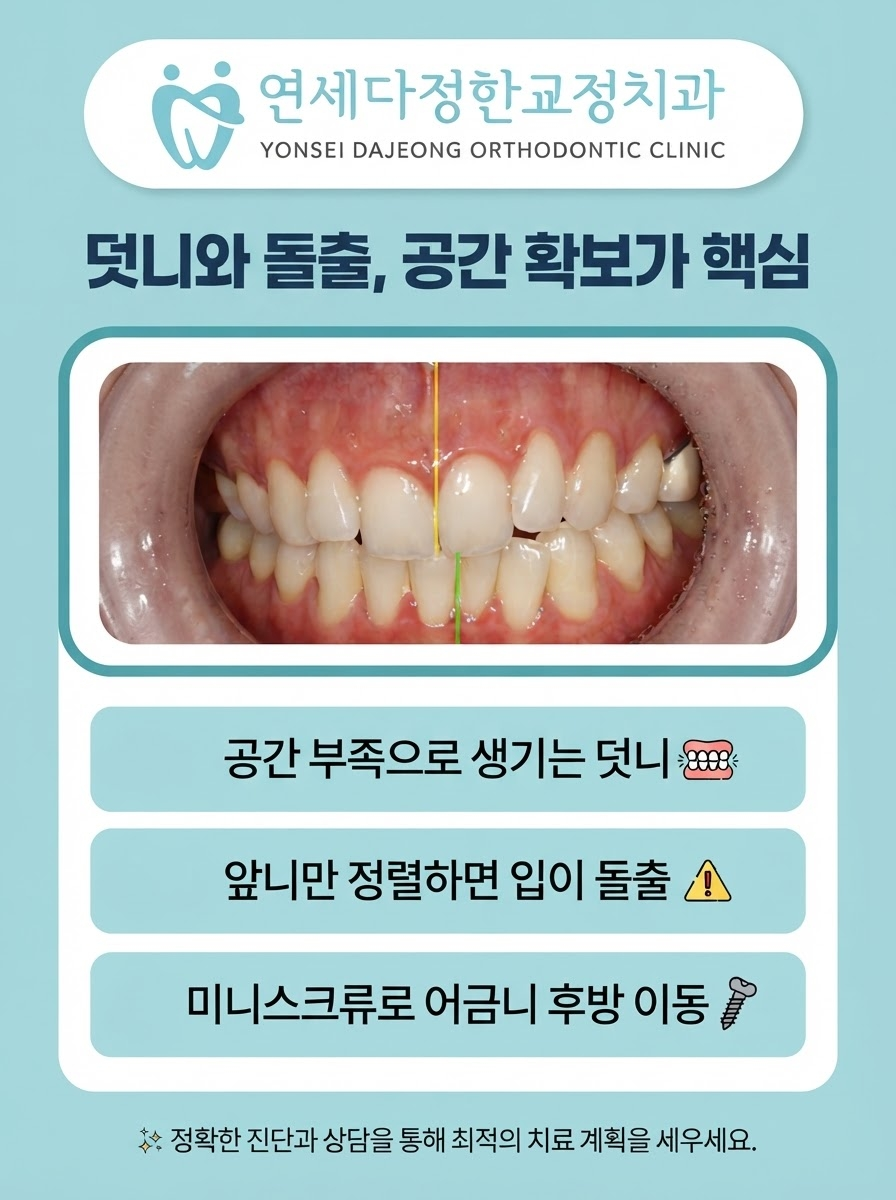
Depending on a patient’s teeth and bone structure, one option is using a mini-screw as an anchor to move the molars backward.
As the molars move back first, space for the front teeth to align can open up naturally.
Step-by-Step Treatment Process
- Precisely analyze the jawbone and available space for tooth alignment using 3D digital equipment.
- Use mini-screws to gradually move the upper dental arch backward to create space.
- Use the newly created space to help align crowded teeth and reduce protrusion, working toward a more balanced result.
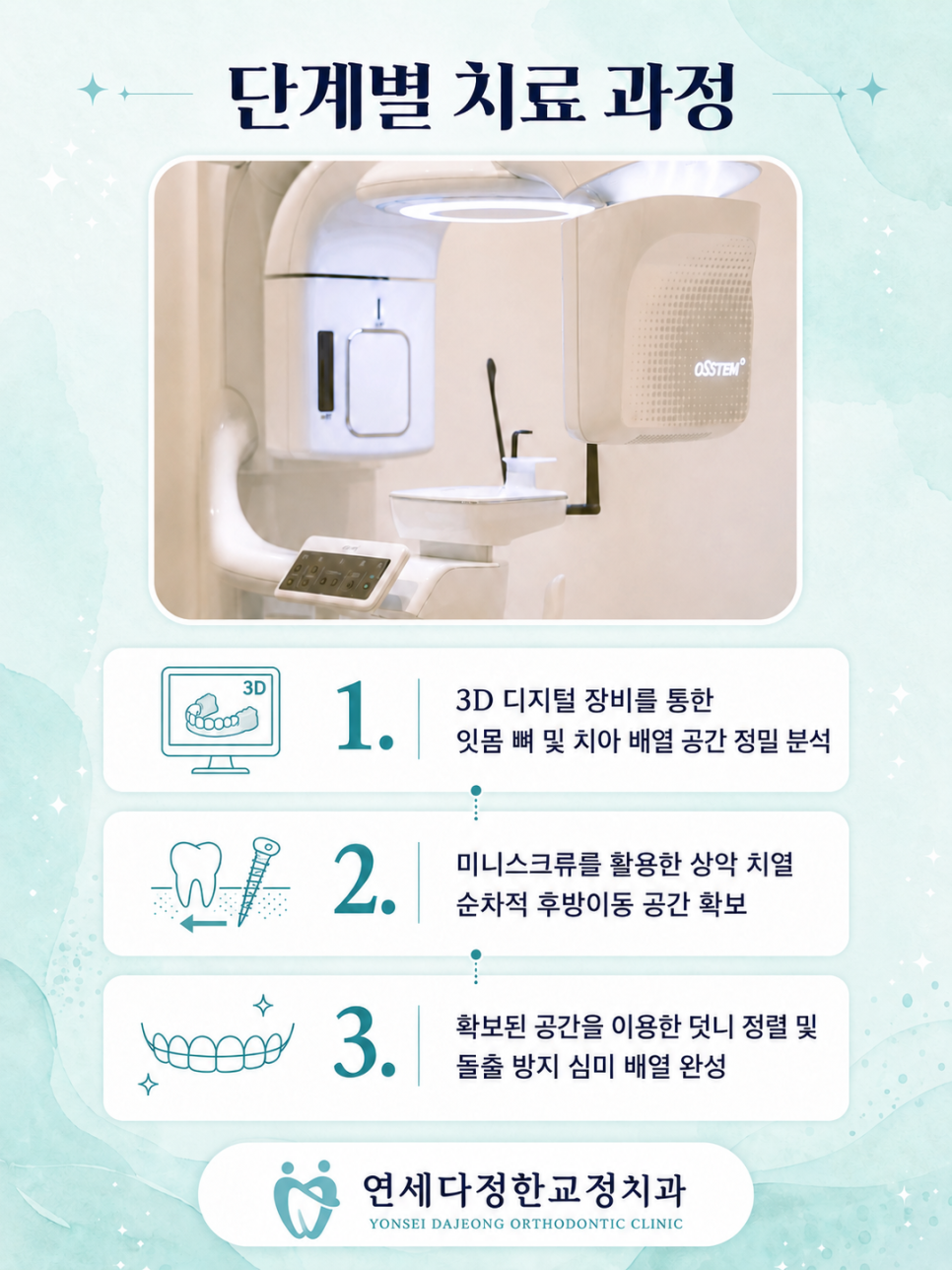
✅ Was the jawbone and available alignment space analyzed with 3D digital equipment?
✅ Was space created through sequential mini-screw-assisted molar distalization?
✅ Was the resulting space used to align crowded teeth and reduce protrusion?
Creating space by moving molars back first may help reduce unnecessary forward movement of the front teeth.
That said, mini-screw distalization isn’t suitable for every crowded-teeth case,
and whether it can be applied depends on each patient’s teeth and bone structure.
What Diagnostic Criteria Account for Facial Balance?
Orthodontic treatment isn’t just about straightening teeth.
Changes in tooth position can also affect the lip line and side profile.
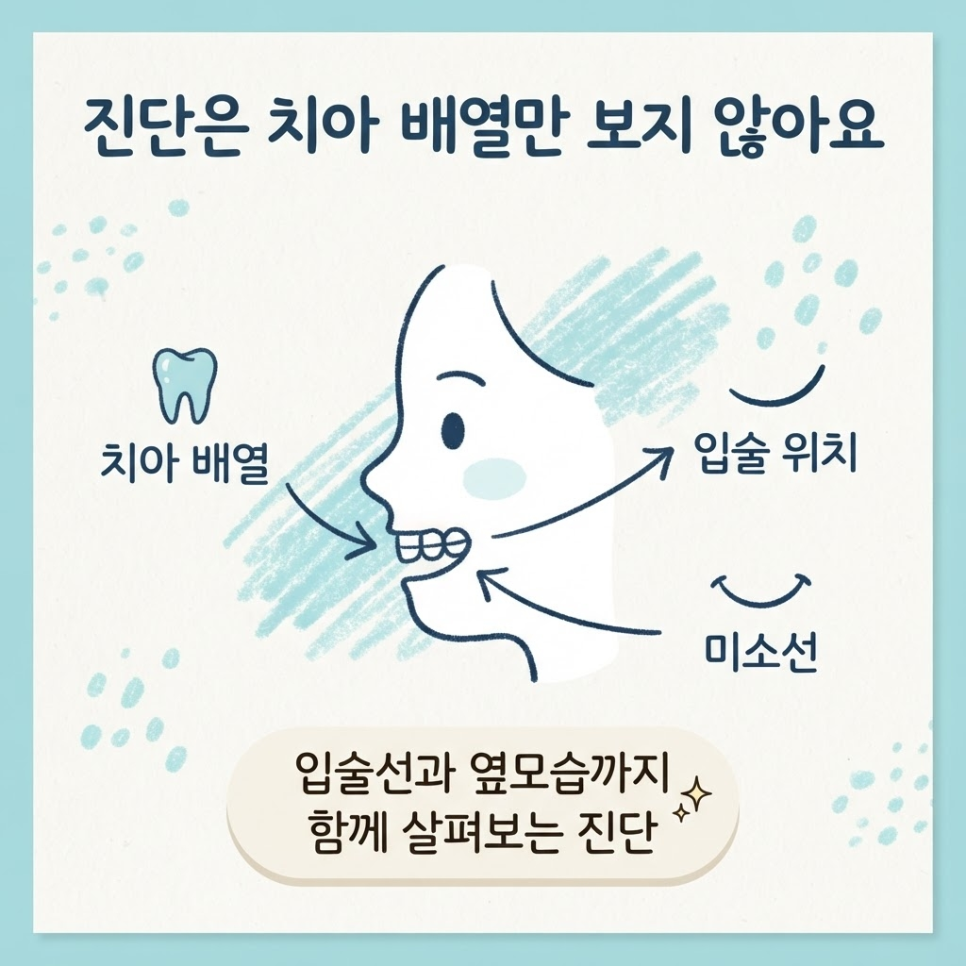
That’s why the initial diagnosis should look beyond tooth alignment and bite, to also assess lip position and smile line.
Throughout treatment, clinicians continue to check whether any teeth are moving differently than planned and make fine adjustments with additional appliances as needed.
Global Review Standards vs. Simple Alignment-Only Treatment
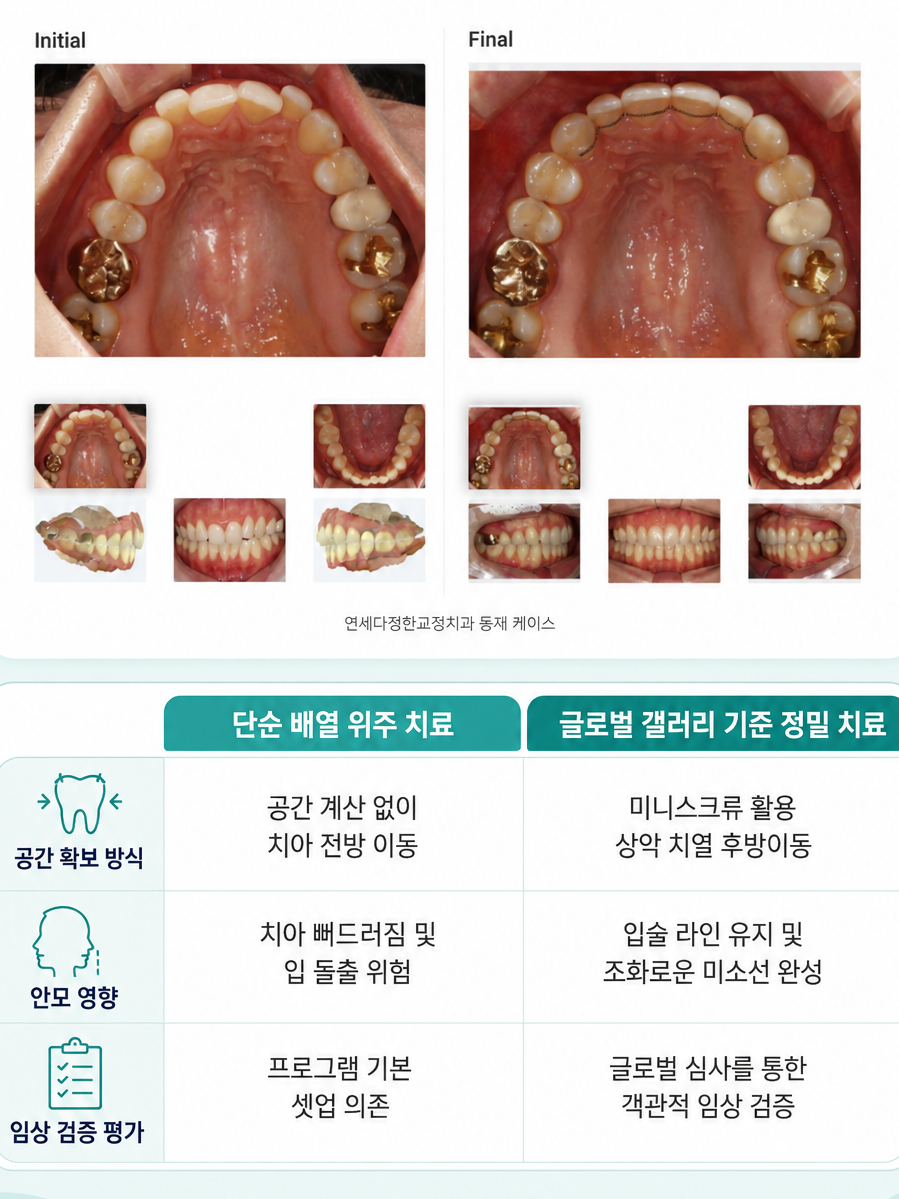
| Category | Alignment-Only Treatment | Global-Gallery-Standard Precision Treatment |
|---|---|---|
| Space-Creation Method | Moving teeth forward without space calculation | Mini-screw-assisted distalization of the upper arch |
| Facial Impact | Risk of tooth protrusion and a more protruded mouth | May help maintain lip line, aiming for a balanced smile line |
| Clinical Validation | Relies on default software setup | Objective clinical validation through global review |
the goal is a result that considers tooth alignment together with lip line and smile-line harmony.
Jegi-dong Orthodontist Recommendation: What Should You Check?
The short answer: focus on how the treatment plan is managed, not just the brand name of the appliance.
Rather than deciding based on the Invisalign brand alone,
it’s more important to know whether the clinic continuously adjusts the plan from initial diagnosis through to final bite alignment.
Comparing multiple treatment cases,
the biggest gaps in outcome — even with the same appliance —
tend to come from differences in how thoroughly the plan is checked and adjusted along the way.

If you’d like to compare clinics using these criteria,
you can review treatment cases and diagnostic approaches at Cheongnyangni Yonsei Dajeonghan Orthodontics.
Frequently Asked Questions
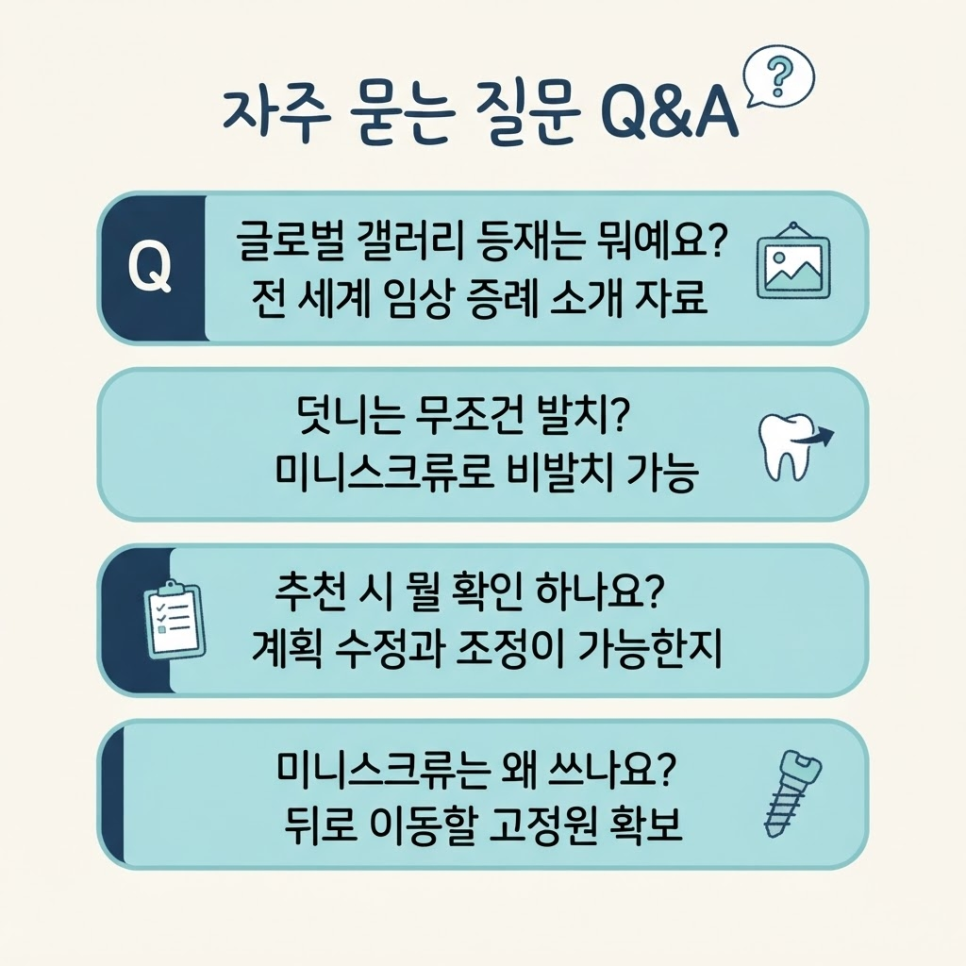
1. What does it mean for a case to be featured in the Invisalign Global Gallery?
It’s a showcase of clinical cases selected through review from Invisalign treatments worldwide. It can be used as one reference when researching treatment cases.
2. Does correcting crowded teeth always require extraction?
Not necessarily. Depending on a patient’s teeth and bone structure, non-extraction approaches — such as using mini-screws to move molars and create space — may be considered in some cases.
3. What should I check when looking for a Jegi-dong orthodontist recommendation?
Rather than comparing clear aligner brands alone, it’s worth checking whether the 3D simulation is adjusted to match the patient’s actual dental condition, and whether the plan can be modified as treatment progresses.
4. Why are mini-screws used in clear aligner treatment?
They’re used to provide the anchorage needed to move teeth. Depending on the patient’s condition, they may be selectively used to move molars backward or to adjust front teeth in a desired direction.
References
· Align Technology, \”Align Global Gallery,\” Align Technology Inc. View source
· Oğuz F, Özden S, Cicek O, \”Distalization Methods for Maxillary Molars Utilizing Temporary Anchorage Devices (TADs): A Narrative Review,\” Applied Sciences, 2024. View source
This article is intended for general health information purposes only and is not a substitute for individual diagnosis or treatment.
If you have symptoms, please consult a specialist.