Tag: Mini-Screw (TAD)

  • Facial Asymmetry Braces: 3-Step Non-Surgical Correction Guide

    Facial Asymmetry Braces: 3-Step Non-Surgical Correction Guide

    SummaryIf facial asymmetry in the mirror has been bothering you, it’s worth checking this before considering surgery. This guide covers non-surgical facial asymmetry braces using MARPE and mini-screws to expand the maxillary arch and align the midline and bite, along with before-and-after bite changes and frequently asked questions.

    Does your face look noticeably tilted to one side every time you check the mirror?
    Most people who notice this immediately think of jaw-shaving surgery.

    However, depending on what’s causing the asymmetry and how the upper and lower jaws relate to each other, some cases can be balanced with facial asymmetry braces alone, without surgery.
    When comparing actual cases, this difference often becomes fairly clear.

    In this article, we’ll walk through the principle behind maxillary arch expansion, the non-surgical facial asymmetry correction process using MARPE and mini-screws, and how the bite changes before and after treatment.
    If you’re weighing whether surgery is necessary, we recommend first getting a diagnosis of what’s causing your asymmetry.
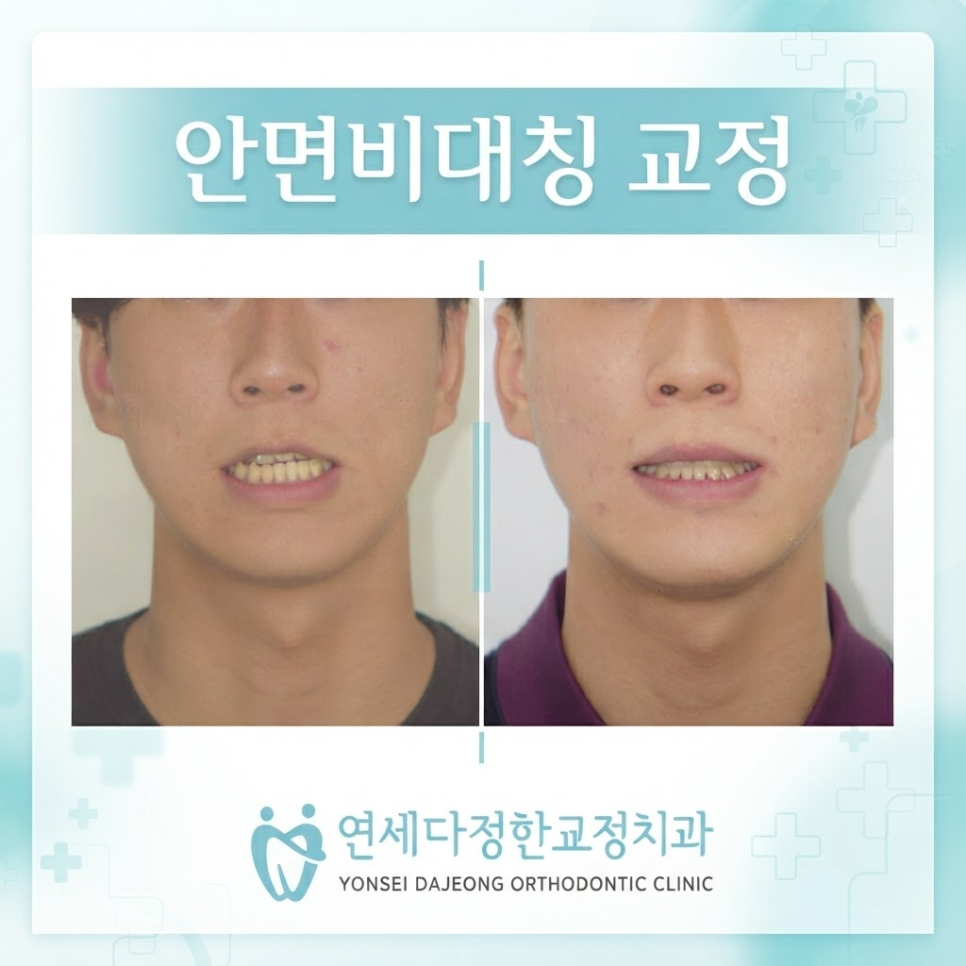
    facial asymmetry braces

    Why Does Facial Asymmetry Happen, and Why Is Maxillary Arch Expansion Necessary?

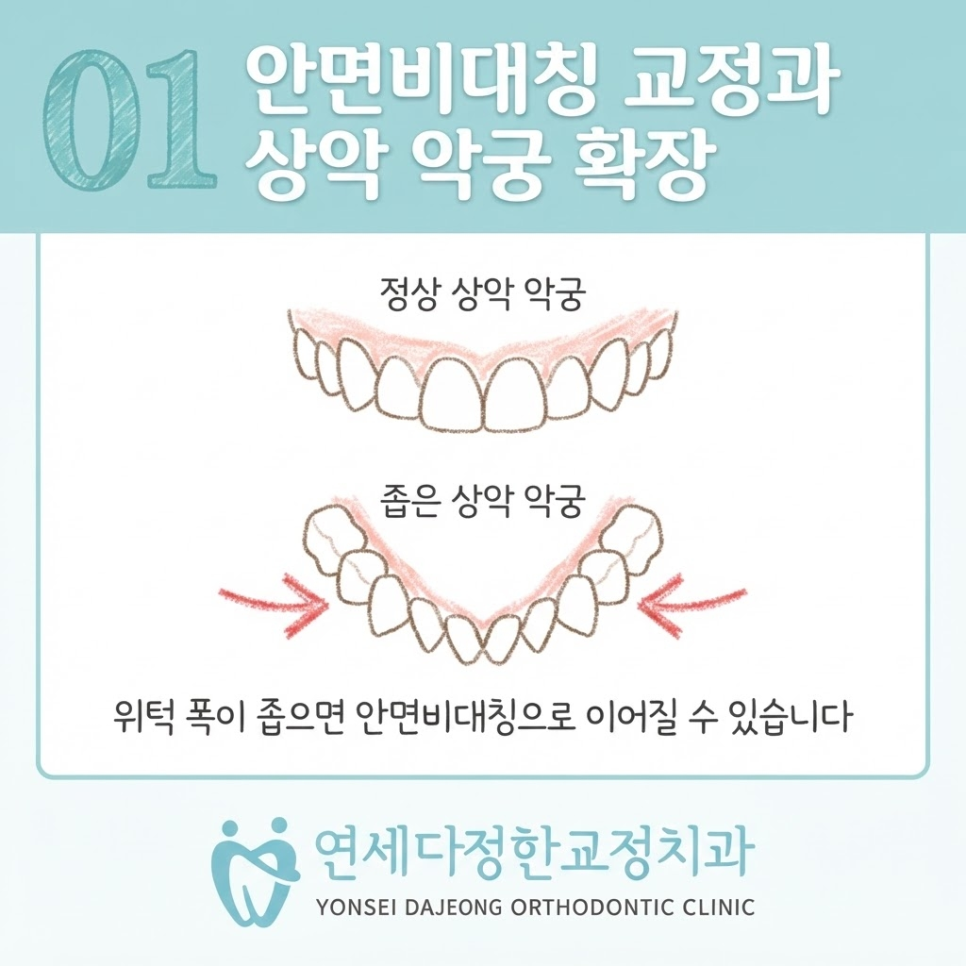
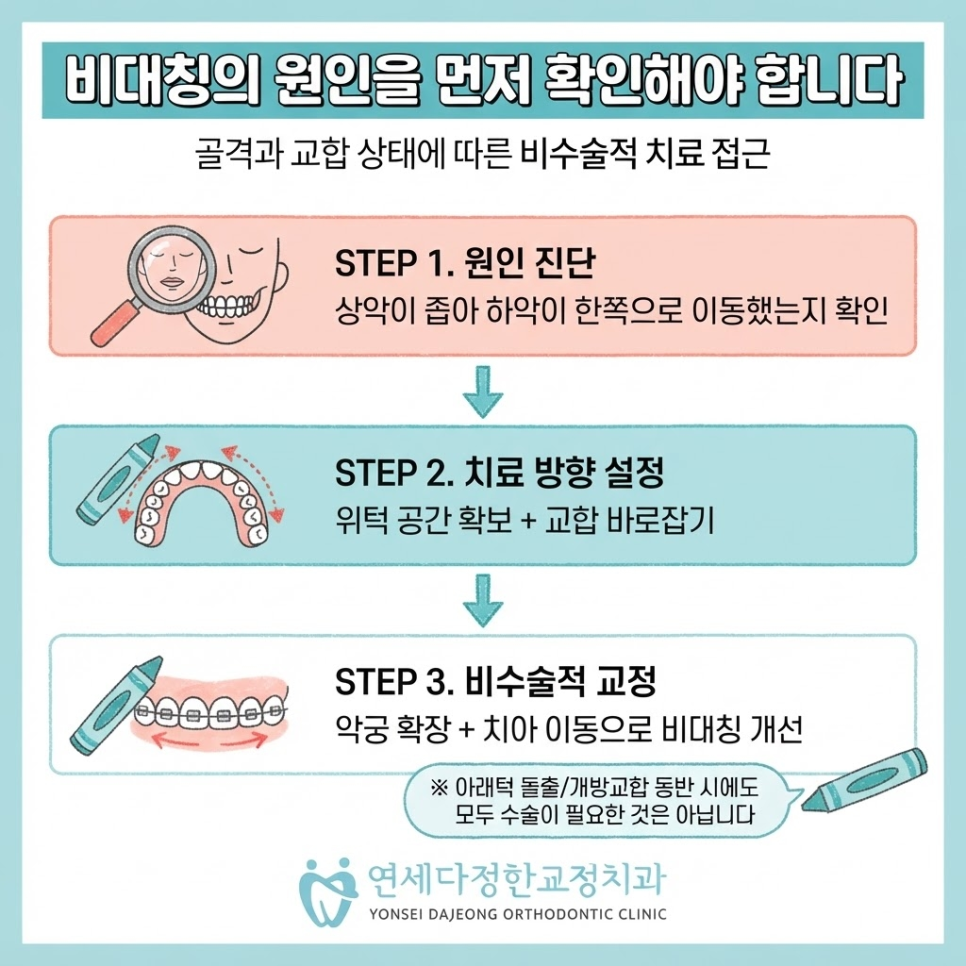
    To put it simply, if a narrow upper jaw has pushed the lower jaw to one side, widening the maxillary arch alone may help improve the asymmetry in some cases.
    Maxillary arch expansion is a treatment process that widens a narrowed upper jaw to help address issues such as posterior crossbite.
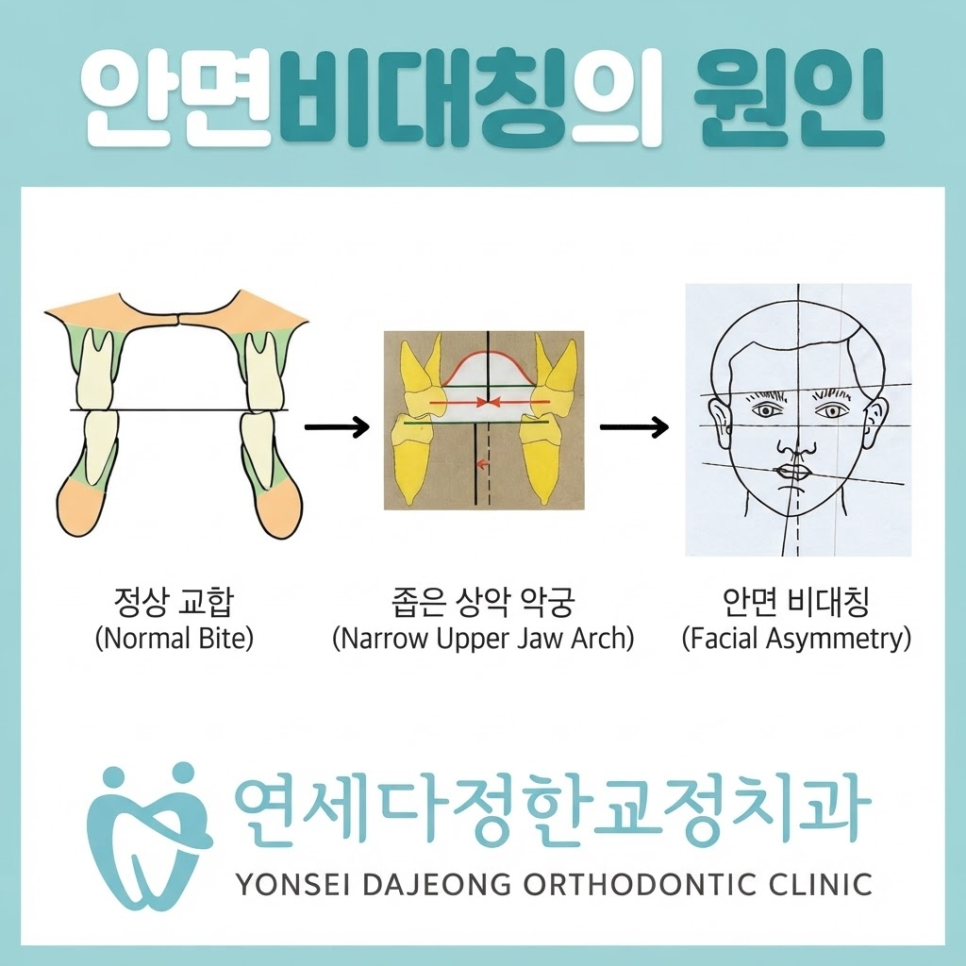
    facial asymmetry braces image 2

    facial asymmetry braces image 3

    When the upper jaw is narrow, the lower jaw tends to shift and bite to one side, which can also throw off the dental midline.
    For this reason, rather than judging by outward facial appearance alone, it’s important to evaluate the width of the upper jaw, the position of the lower jaw, and how the teeth come together.

    Key Points
    ✔ If a narrow maxilla has caused the mandible to shift to one side, treatment to create space in the upper jaw is generally considered first.
    ✔ Not every case involving a protruding lower jaw or open bite requires surgery.
    ✔ Depending on the skeletal and bite pattern, non-surgical arch expansion combined with tooth movement may be considered.

    How Do Non-Surgical Facial Asymmetry Braces Work With MARPE and Mini-Screws?

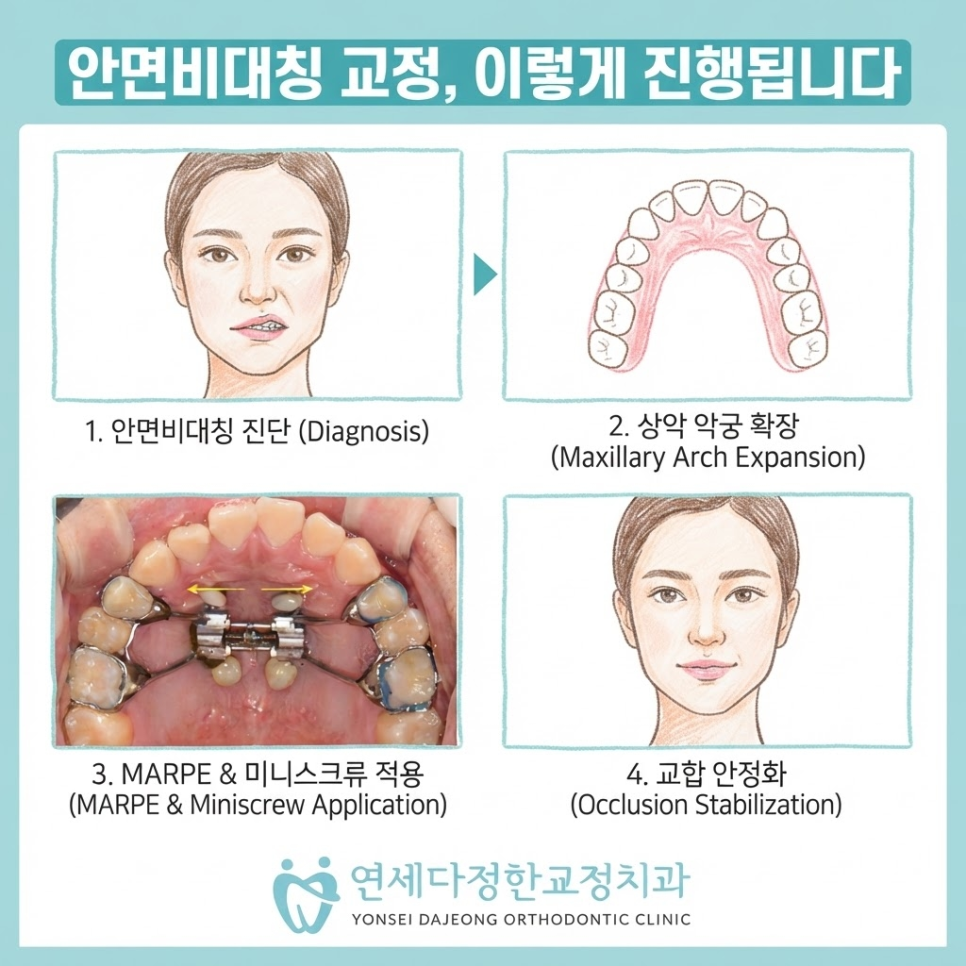
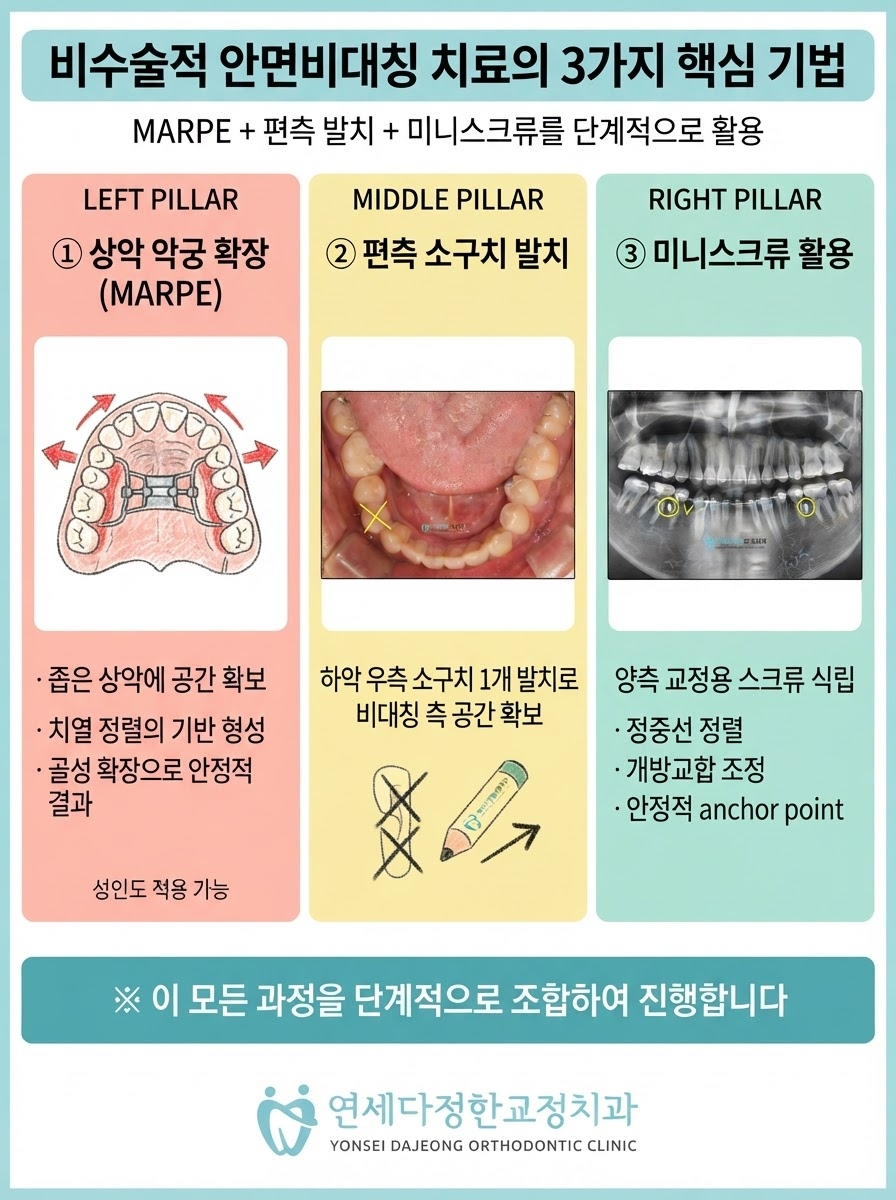
    In short, using an upper jaw expansion appliance together with mini-screws in stages may make it possible to align the midline and bite without surgery in some cases.
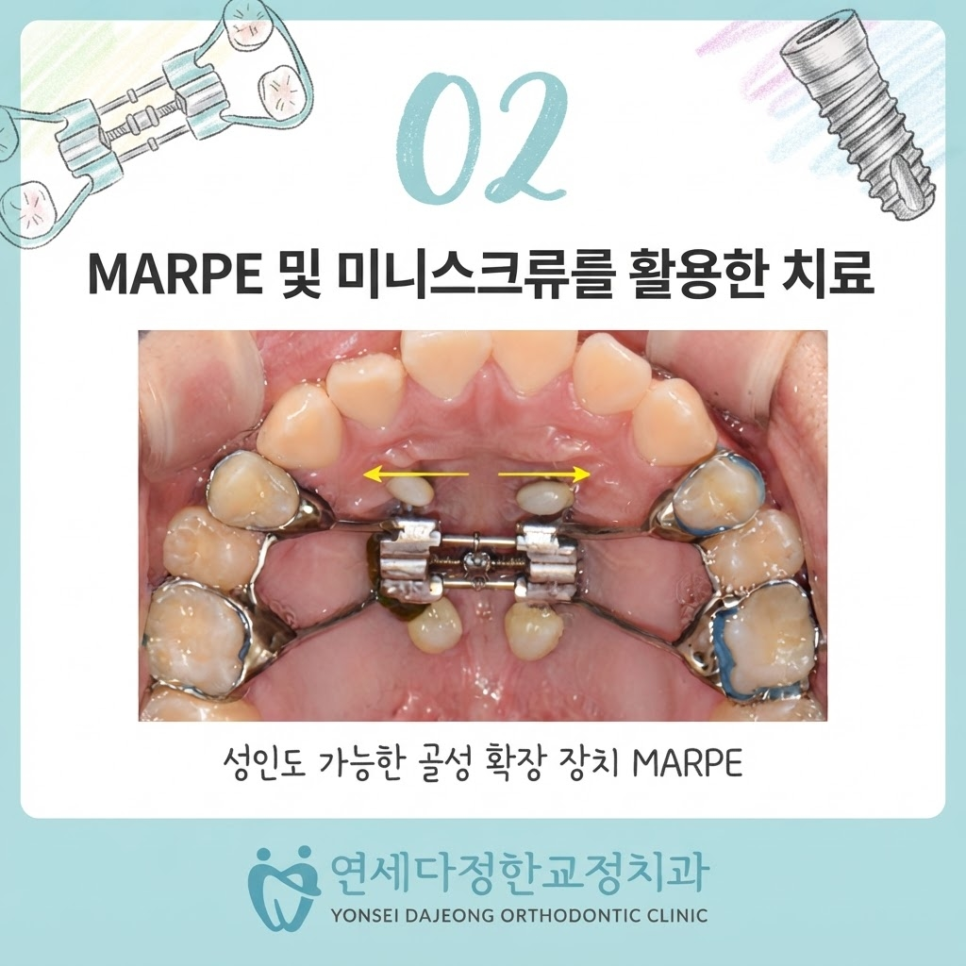
    MARPE is an appliance that uses mini-screws to gain anchorage in the maxilla and expand a narrowed upper jaw.
    facial asymmetry braces image 5

    facial asymmetry braces image 6

    Expanding the maxilla can help correct posterior crossbite and create the space needed to adjust the midline.
    Afterward, depending on the degree of lower jaw protrusion or open bite, extraction and orthodontic mini-screws may be used together to move the teeth.
    facial asymmetry braces image 7

    Step-by-Step Treatment Process

    1. Expand the maxillary arch with a MARPE appliance.
    2. If needed, extract a premolar on one side to create space.
    3. Use mini-screws as anchorage to adjust the midline and open bite.
    facial asymmetry braces image 8

    Checklist
    ✅ Have you checked whether a narrow maxillary width is causing a crossbite?
    ✅ Have you been diagnosed for one-sided lower jaw displacement and midline discrepancy?
    ✅ Have you checked whether an open bite is present, and to what degree?
    ✅ Have you factored in the adjustment period after getting a MARPE appliance?
    Precautions
    ⚠ If the skeletal discrepancy is significant, non-surgical treatment alone may not be enough to achieve improvement.
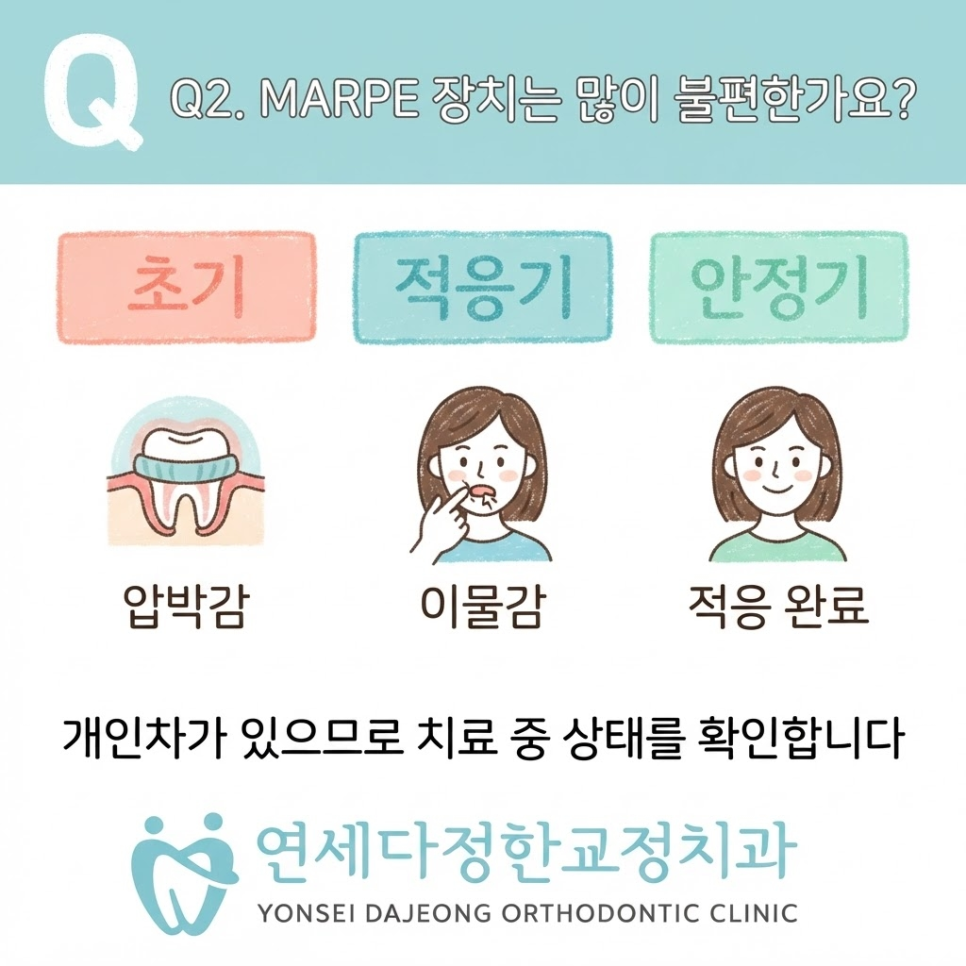
    ⚠ In the early period after MARPE placement, you may feel pressure or a foreign-body sensation, and this varies from person to person.

    How Does the Bite Change Before and After Facial Asymmetry Correction?

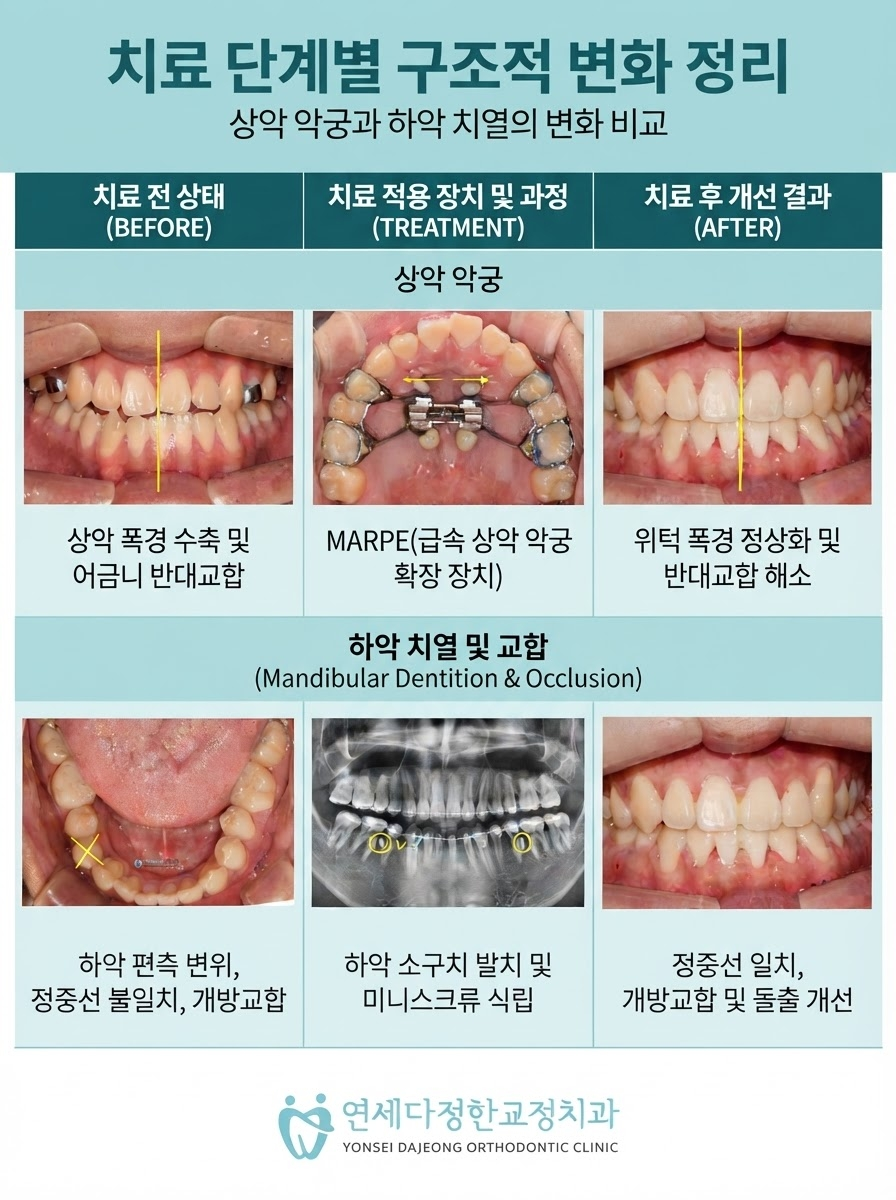
    Before treatment, a narrow upper jaw often causes the back teeth to bite in crossbite, or the lower jaw shifts to one side so the midline doesn’t align.
    The before-and-after change refers to a process in which maxillary expansion and repositioning of the lower jaw may help improve the midline and bite together.

    facial asymmetry braces image 9

    Expanding the maxillary arch and adjusting the position of the lower dental arch may help improve both the midline of the upper and lower front teeth and the bite of the back teeth together.
    As the open bite improves, changes may also appear in how much the lower jaw and lips protrude when viewed from the front and side.

    Category Pre-Treatment Condition Appliance & Process Used Expected Change After Treatment
    Maxillary Arch Constricted maxillary width, posterior crossbite MARPE (Miniscrew-Assisted Rapid Palatal Expander) Tendency toward normalized upper jaw width and resolved crossbite
    Lower Dental Arch & Bite One-sided lower jaw displacement, midline discrepancy, open bite Lower premolar extraction, mini-screw placement Tendency toward improved midline and reduced open bite and protrusion

    facial asymmetry braces image 10

    Summary of Treatment Outcomes
    🟢 Upper jaw width is reported to normalize, with a tendency for posterior crossbite to resolve.
    🟢 The midline is reported to align, with open bite and protrusion tending to improve together.
    🟢 A South Korean study (published in the Journal of the Korean Dental Association in 2013, examining a miniscrew-assisted palatal expander in adults) also reported that miniscrew-assisted expansion appliances maintained arch-expansion effects while reducing load on the teeth; this reflects the findings of that specific study, not the clinical results of any particular clinic or patient.

    Correcting facial asymmetry is less about simply straightening the teeth and more about identifying what caused the asymmetry and adjusting the relationship between the upper and lower jaws and teeth together.
    If you’d like a detailed diagnosis, you can check consultation information on the Cheongnyangni Yonsei Dajeonghan Orthodontic Clinic homepage.


    Frequently Asked Questions

    1. Can every case of facial asymmetry be treated without surgery?
    No. Non-surgical treatment can be considered when the cause is a narrow maxilla or a functional shift of the lower jaw, but if the skeletal discrepancy is significant, the appropriate treatment method should be determined after a detailed diagnosis.

    facial asymmetry braces image 11

    2. Is the MARPE appliance very uncomfortable?
    You may feel pressure or a foreign-body sensation early on. Since adjustment varies from person to person, your condition should be monitored continuously throughout treatment.
    facial asymmetry braces image 12

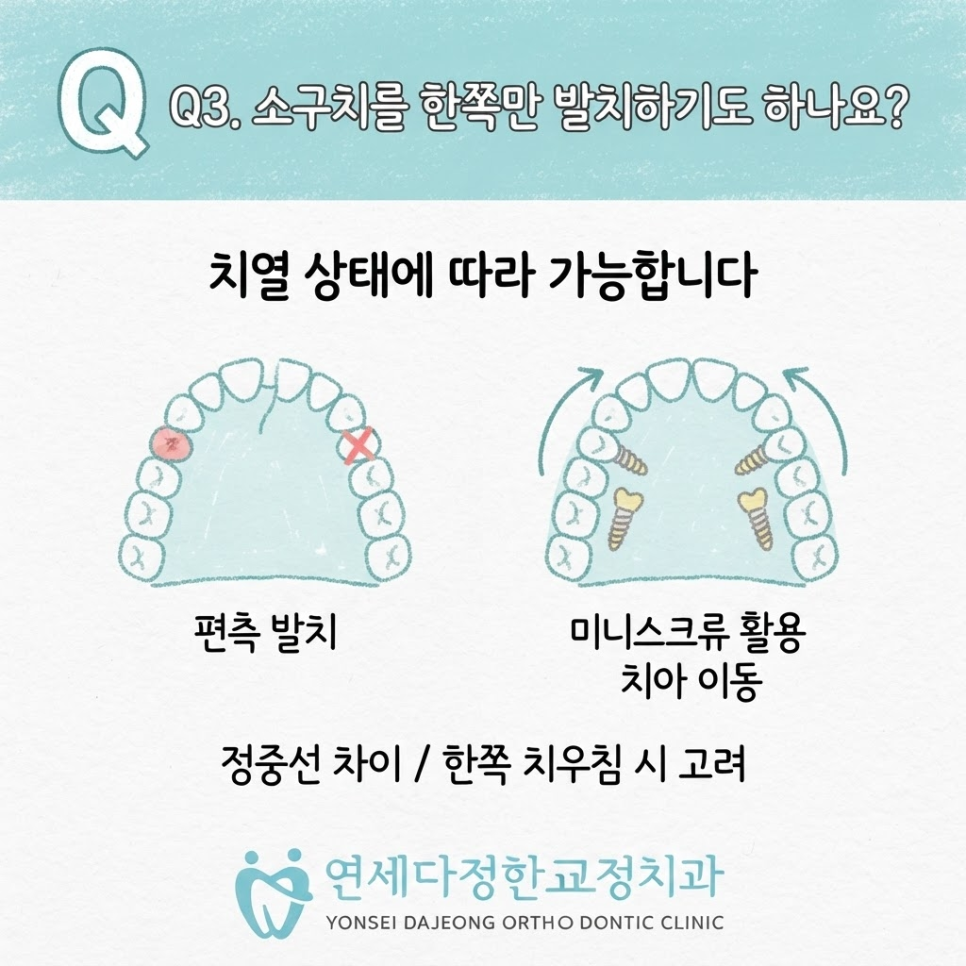
    3. Is a premolar sometimes extracted on only one side?
    When the dental arch is shifted to one side or there’s a midline discrepancy, one-sided extraction may be considered depending on the case. Mini-screws are used together to move the teeth in the needed direction.
    facial asymmetry braces image 13

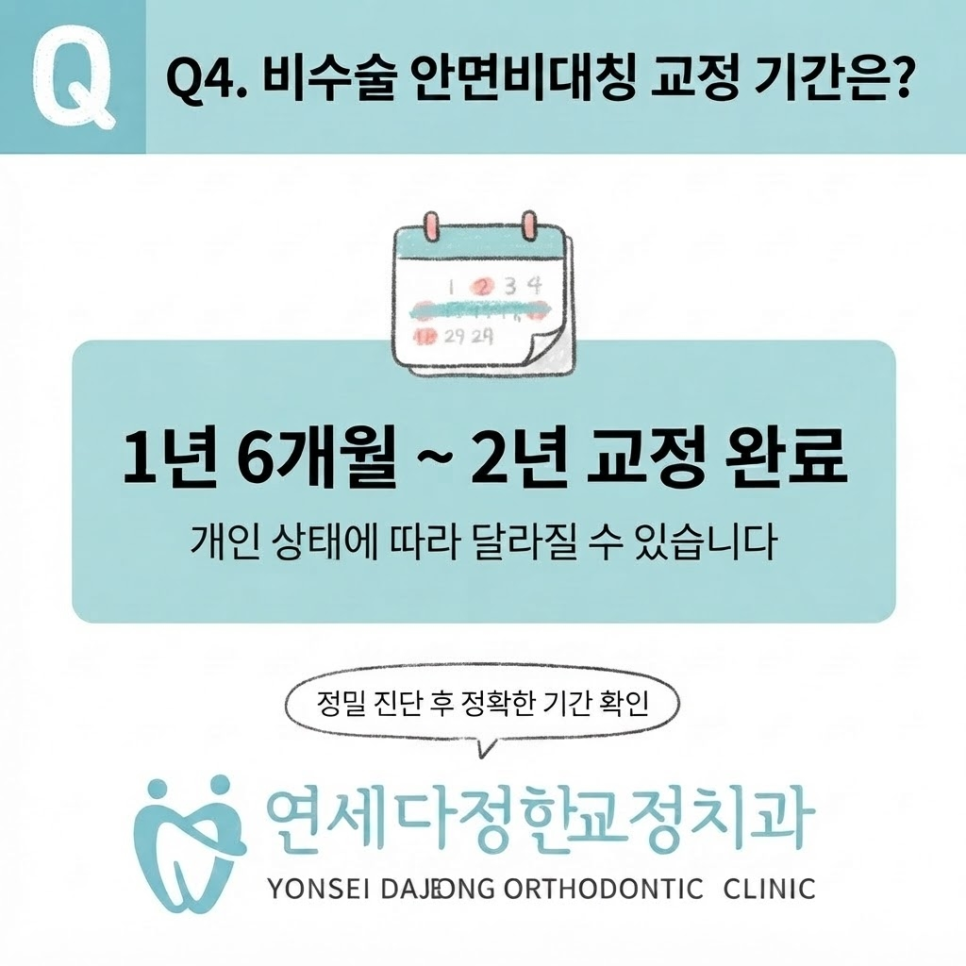
    4. How long does non-surgical facial asymmetry correction take?
    This varies depending on the amount of arch expansion and tooth movement needed, but some cases require roughly 1.5 to 2 years. It’s best to confirm the exact duration after a detailed diagnosis.
    facial asymmetry braces image 14


    References

    · Clinical Feature Team, Journal of the Korean Dental Association, “Comparison of Arch Expansion Effects Between a Miniscrew-Assisted Non-Surgical Palatal Expander and Continuous Archwire in Adults,” Journal of the Korean Dental Association 51(6), 2013.View source
    · Ventura V, Botelho J, Machado V, et al., “Miniscrew-Assisted Rapid Palatal Expansion (MARPE): An Umbrella Review,” Journal of Clinical Medicine, 2022.View source

    This article is intended to provide general health information and cannot replace individual diagnosis or treatment. If you have symptoms, please consult a specialist.
  • Jegi-dong Orthodontist Recommendation: 3 Criteria to Check

    Jegi-dong Orthodontist Recommendation: 3 Criteria to Check

    SummaryIf you’re weighing a Jegi-dong orthodontist recommendation, start by looking at cases featured in the Invisalign Global Gallery. Here’s an overview of treatment-planning criteria worth checking — from mini-screw-assisted molar distalization to facial-balance-focused diagnosis and non-extraction approaches to crowded teeth.

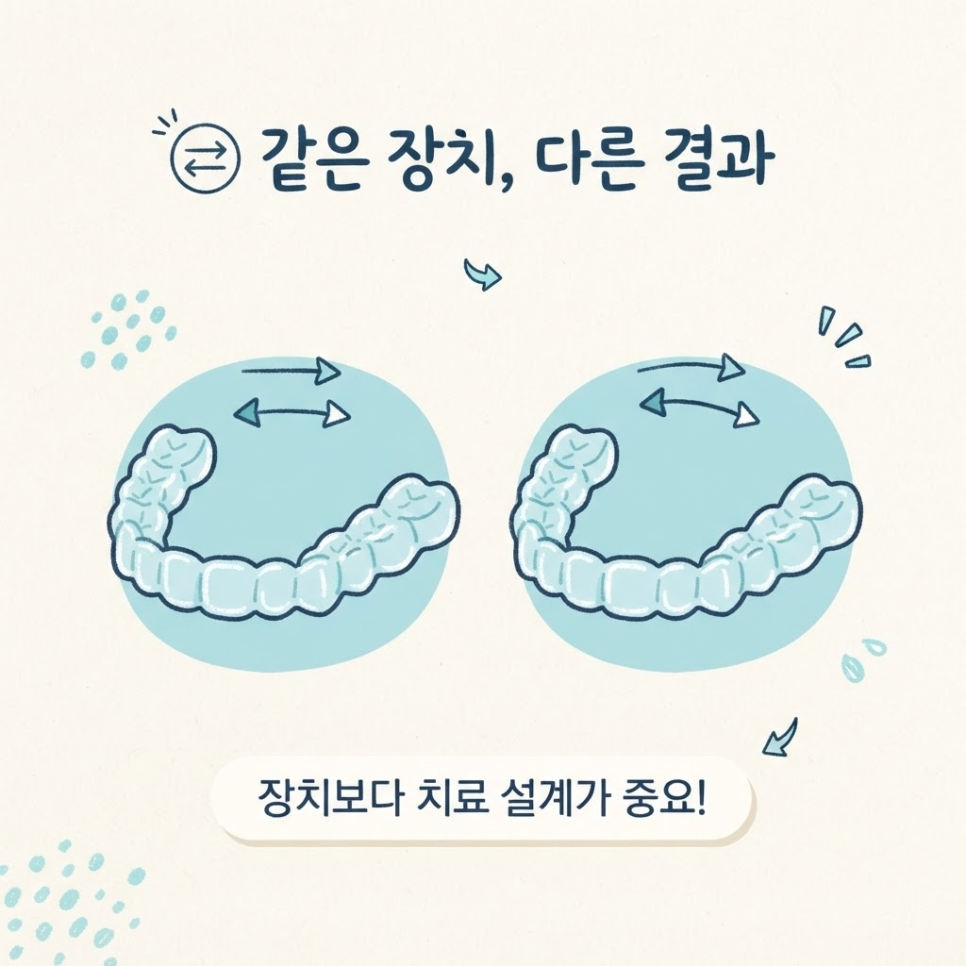
    Two clinics can use the exact same Invisalign system,
    so why do the results differ so much?

    It may seem like 3D software automatically designs tooth movement,
    but in practice, the sequence and direction the clinician chooses for moving each tooth make a major difference in the outcome.

    That’s why, when researching a Jegi-dong orthodontist recommendation, you should look at treatment-planning skill before the name of the device.

    제기동 교정치과 추천

    Even with the same appliance, the treatment process can vary depending on how missing space is created and the order in which teeth are moved.

    That’s why this article outlines the treatment-planning criteria worth checking when considering a Jegi-dong orthodontist recommendation.
    We’ll go through Invisalign Global Gallery cases, space-creation methods using mini-screws, and diagnostic criteria that account for facial balance, in that order.

    제기동 교정치과 추천 관련 이미지 2

    제기동 교정치과 추천 관련 이미지 3

    What Does Invisalign Global Gallery Inclusion Actually Mean?

    The Invisalign Global Gallery is a showcase of selected clinical cases chosen from Invisalign treatments worldwide.
    Simply using the appliance isn’t enough to be featured.

    제기동 교정치과 추천 관련 이미지 4

    Clinicians must submit a treatment plan, photos, radiographs, and the digital treatment plan (ClinCheck),
    and only cases that meet certain criteria get published.

    So whether a clinician has cases featured can serve as one reference point for how consistently,
    and how precisely, they’ve designed complex cases over time.

    Key Points
    · Even with the same Invisalign appliance, results can vary depending on the sequence and direction of tooth movement.
    · The Invisalign Global Gallery only features cases from around the world that have passed a review process.

    제기동 교정치과 추천 관련 이미지 5

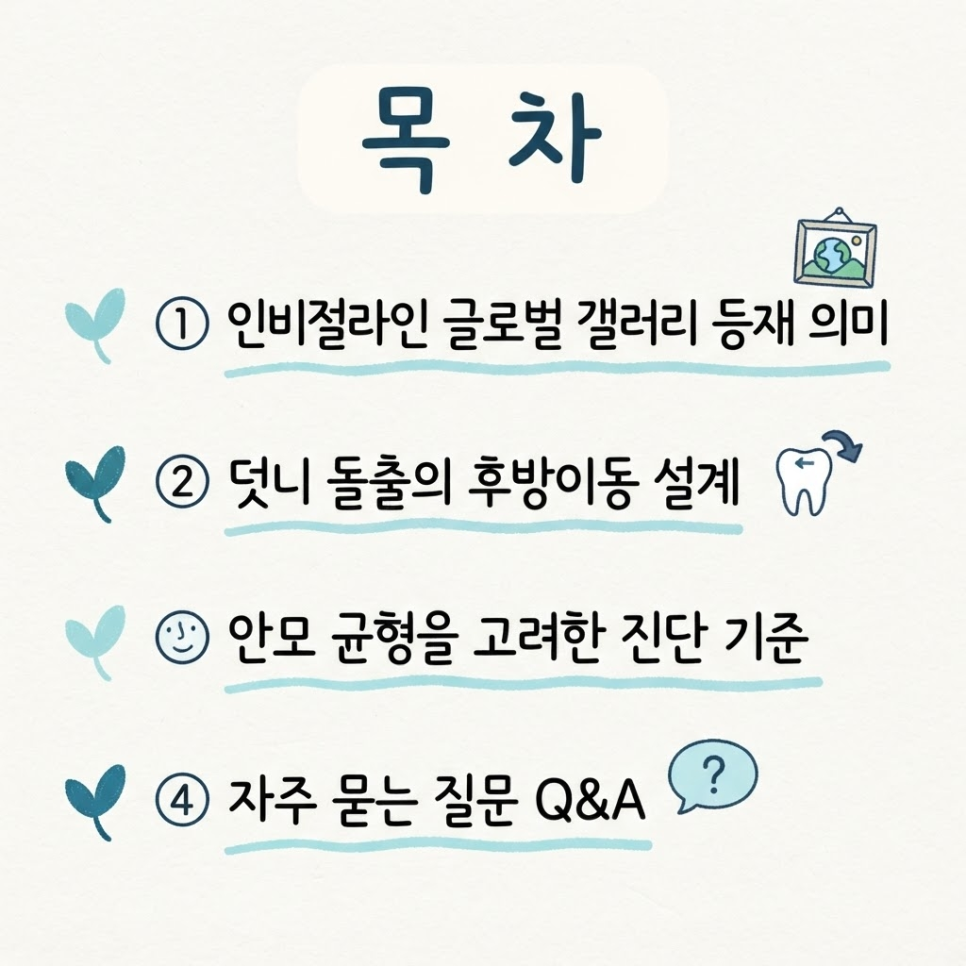
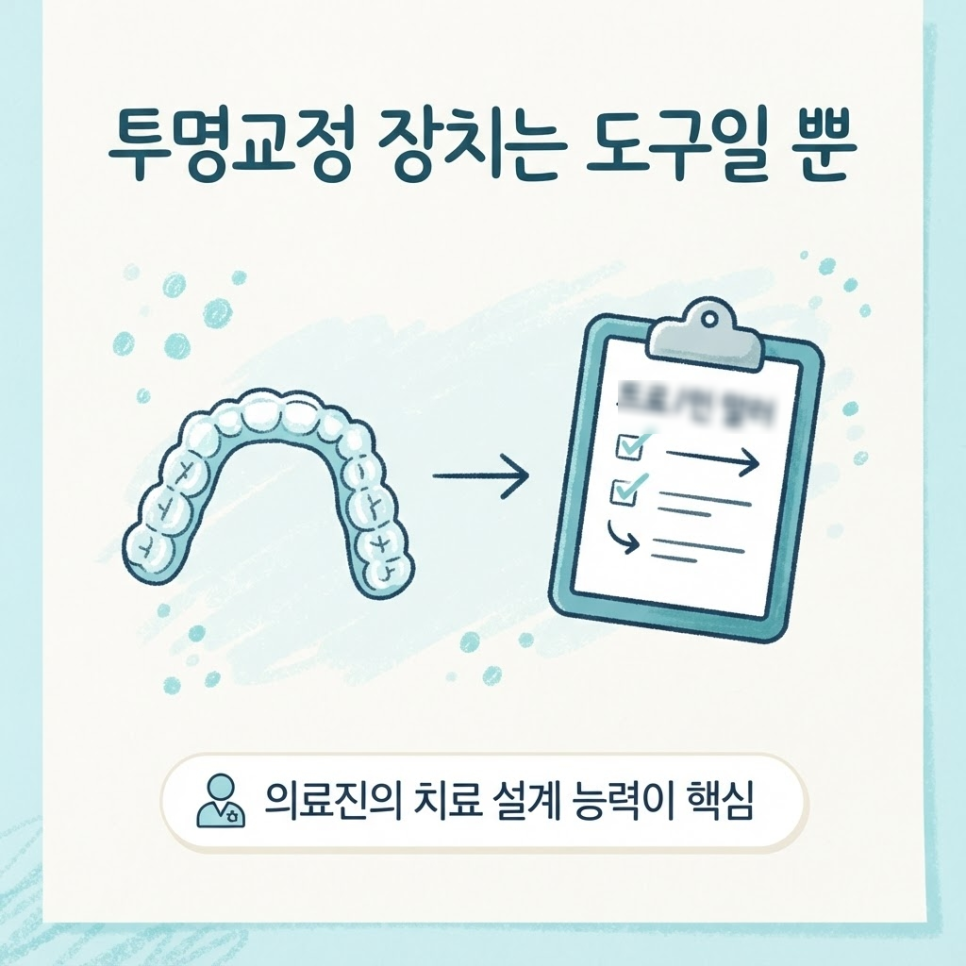
    Clear aligners are best understood as a tool that moves teeth according to the plan a clinician sets.
    3D simulation software does generate an initial plan automatically,
    but adjusting that plan to match the patient’s actual dental arch and bite is an essential step.

    제기동 교정치과 추천 관련 이미지 6

    What to Watch for in the Digital System

    The tooth alignment shown in the software and the actual treatment outcome don’t always match.
    The process of adjusting the plan — factoring in the space and direction teeth need to move, plus changes in bite and facial profile — is what shapes the final result.

    Note
    The initial digital simulation and the actual tooth movement results can differ.
    Ongoing review and adjustment of the plan throughout treatment is necessary.

    So rather than comparing appliances or software alone, when researching a Jegi-dong orthodontist recommendation, it’s worth checking whether the clinic can adjust the ClinCheck to match each patient’s actual dental condition.


    Crowded Teeth and Protrusion: Why Use Mini-Screw Distalization?

    A mini-screw (TAD) is a small screw-type device that acts as an anchor point during tooth movement.
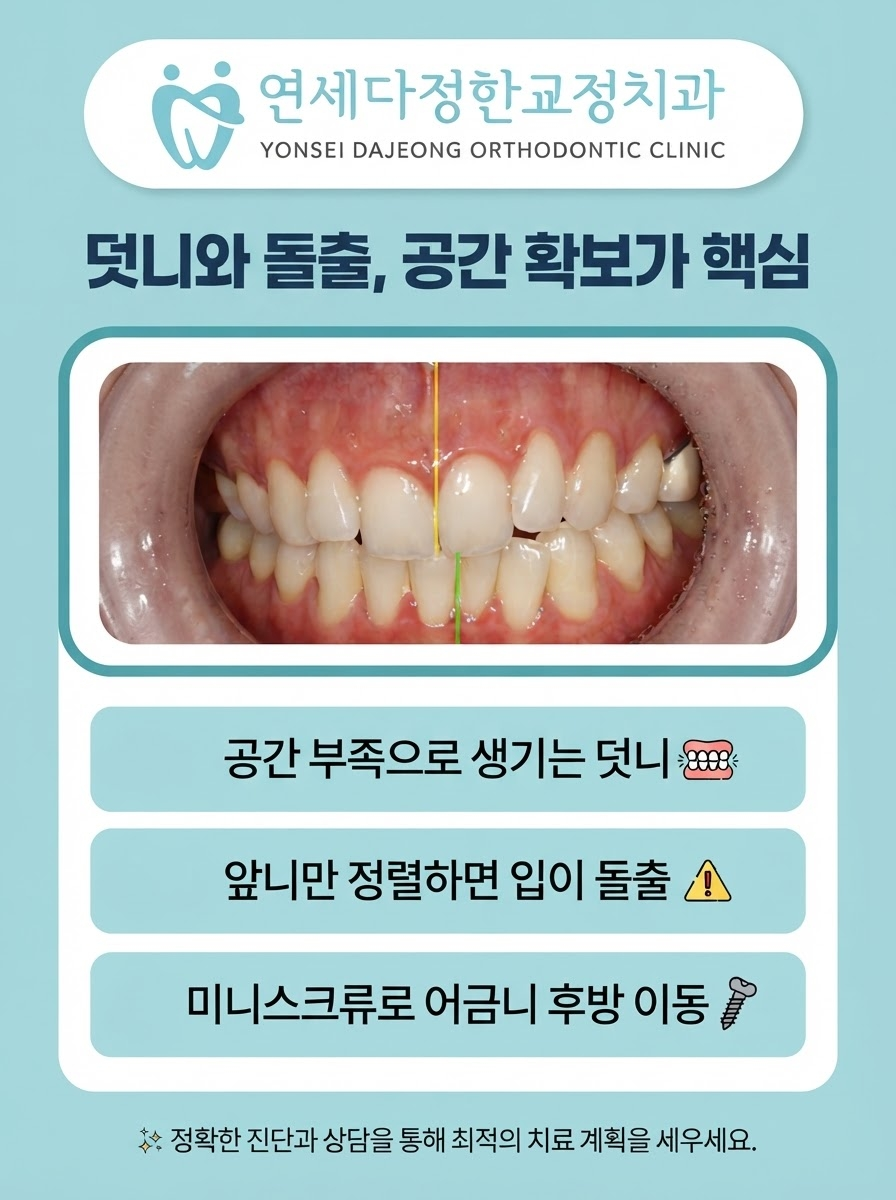
    Crowded teeth are usually caused by a lack of space for proper alignment,
    and if front teeth are straightened without first creating space, they can be pushed outward, making the mouth look more protruded.

    제기동 교정치과 추천 관련 이미지 7

    Depending on a patient’s teeth and bone structure, one option is using a mini-screw as an anchor to move the molars backward.
    As the molars move back first, space for the front teeth to align can open up naturally.

    Step-by-Step Treatment Process

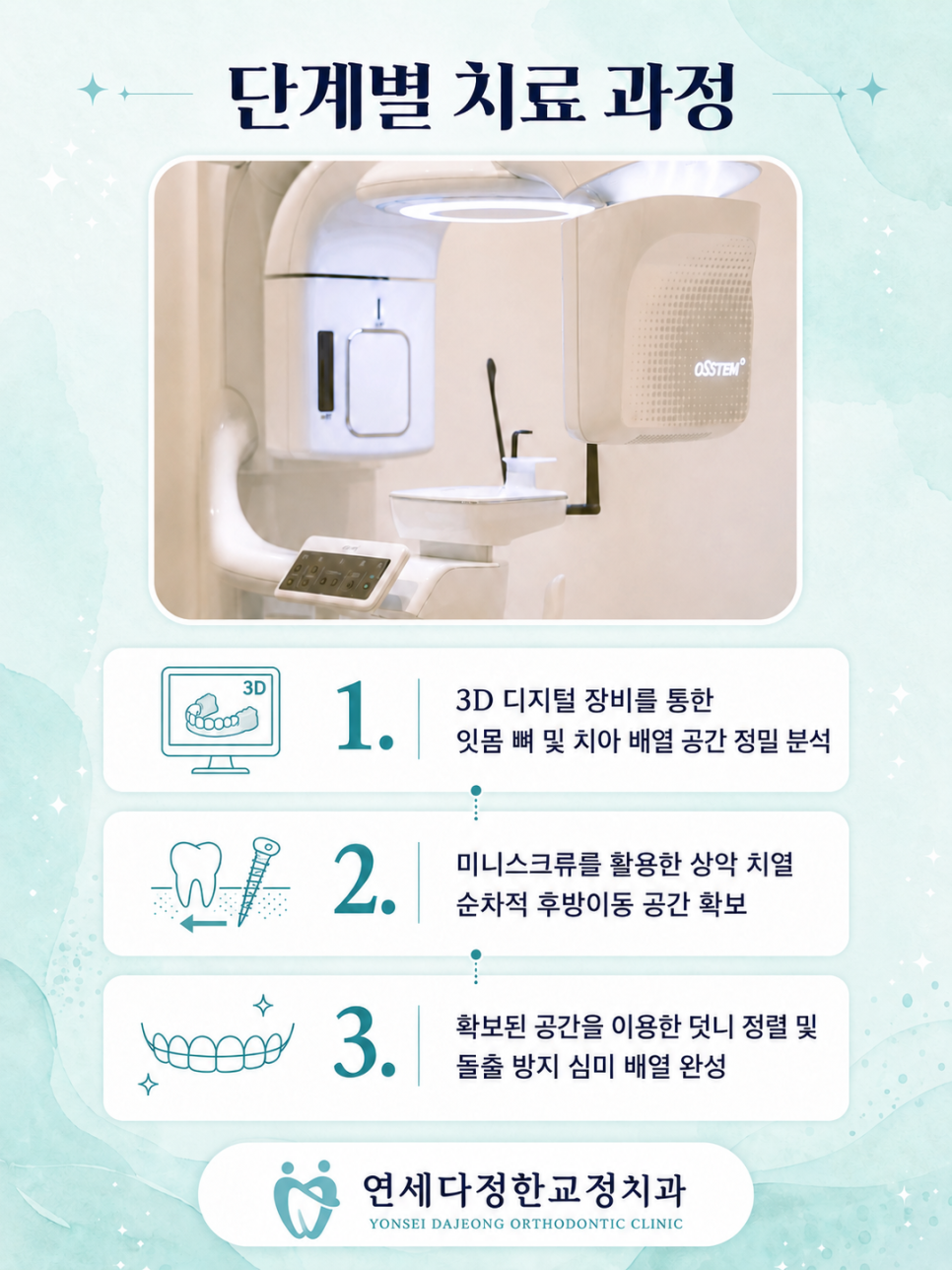
    1. Precisely analyze the jawbone and available space for tooth alignment using 3D digital equipment.
    2. Use mini-screws to gradually move the upper dental arch backward to create space.
    3. Use the newly created space to help align crowded teeth and reduce protrusion, working toward a more balanced result.

    제기동 교정치과 추천 관련 이미지 8

    Checklist
    ✅ Was the jawbone and available alignment space analyzed with 3D digital equipment?
    ✅ Was space created through sequential mini-screw-assisted molar distalization?
    ✅ Was the resulting space used to align crowded teeth and reduce protrusion?

    Creating space by moving molars back first may help reduce unnecessary forward movement of the front teeth.

    That said, mini-screw distalization isn’t suitable for every crowded-teeth case,
    and whether it can be applied depends on each patient’s teeth and bone structure.


    What Diagnostic Criteria Account for Facial Balance?

    Orthodontic treatment isn’t just about straightening teeth.
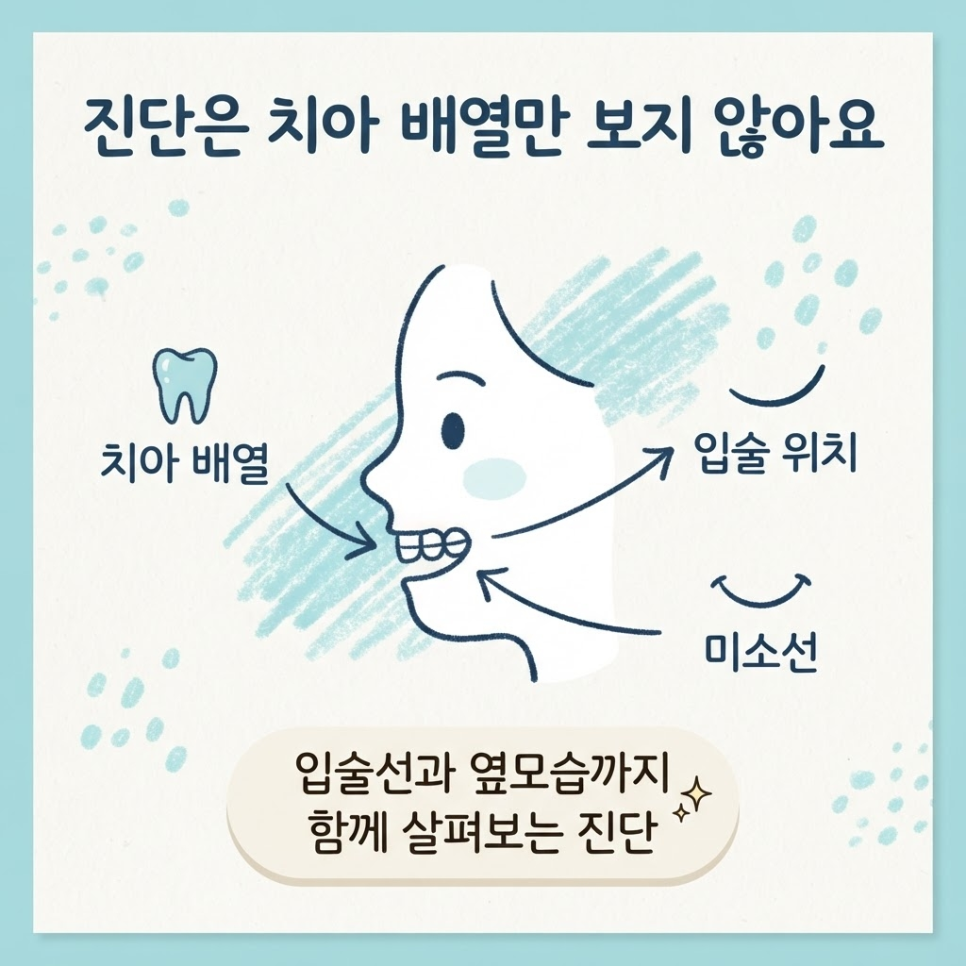
    Changes in tooth position can also affect the lip line and side profile.

    제기동 교정치과 추천 관련 이미지 9

    That’s why the initial diagnosis should look beyond tooth alignment and bite, to also assess lip position and smile line.

    Throughout treatment, clinicians continue to check whether any teeth are moving differently than planned and make fine adjustments with additional appliances as needed.

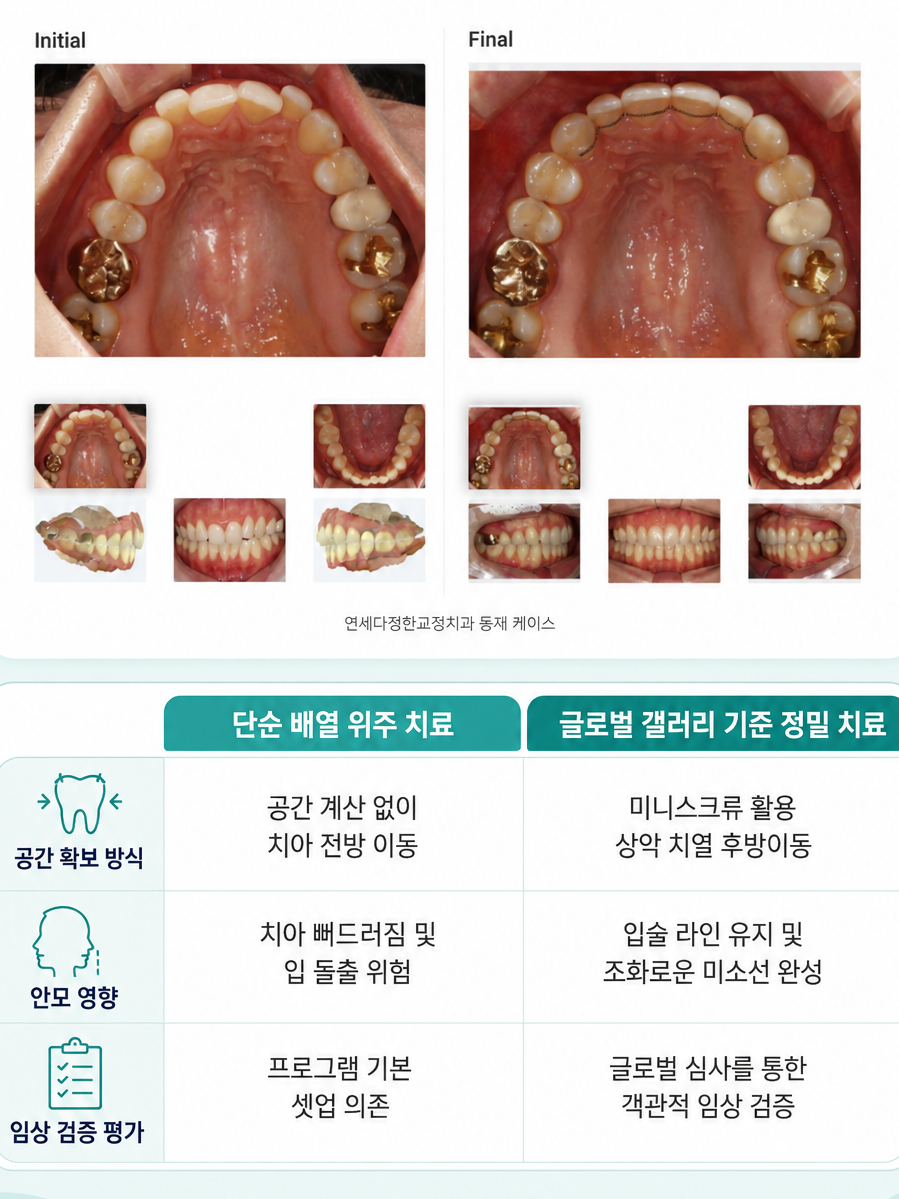
    Global Review Standards vs. Simple Alignment-Only Treatment

    제기동 교정치과 추천 관련 이미지 10

    Category Alignment-Only Treatment Global-Gallery-Standard Precision Treatment
    Space-Creation Method Moving teeth forward without space calculation Mini-screw-assisted distalization of the upper arch
    Facial Impact Risk of tooth protrusion and a more protruded mouth May help maintain lip line, aiming for a balanced smile line
    Clinical Validation Relies on default software setup Objective clinical validation through global review
    When treatment is planned with facial balance in mind,
    the goal is a result that considers tooth alignment together with lip line and smile-line harmony.

    Jegi-dong Orthodontist Recommendation: What Should You Check?

    The short answer: focus on how the treatment plan is managed, not just the brand name of the appliance.
    Rather than deciding based on the Invisalign brand alone,
    it’s more important to know whether the clinic continuously adjusts the plan from initial diagnosis through to final bite alignment.

    Comparing multiple treatment cases,
    the biggest gaps in outcome — even with the same appliance —
    tend to come from differences in how thoroughly the plan is checked and adjusted along the way.

    제기동 교정치과 추천 관련 이미지 12

    If you’d like to compare clinics using these criteria,
    you can review treatment cases and diagnostic approaches at Cheongnyangni Yonsei Dajeonghan Orthodontics.


    Frequently Asked Questions

    제기동 교정치과 추천 관련 이미지 11

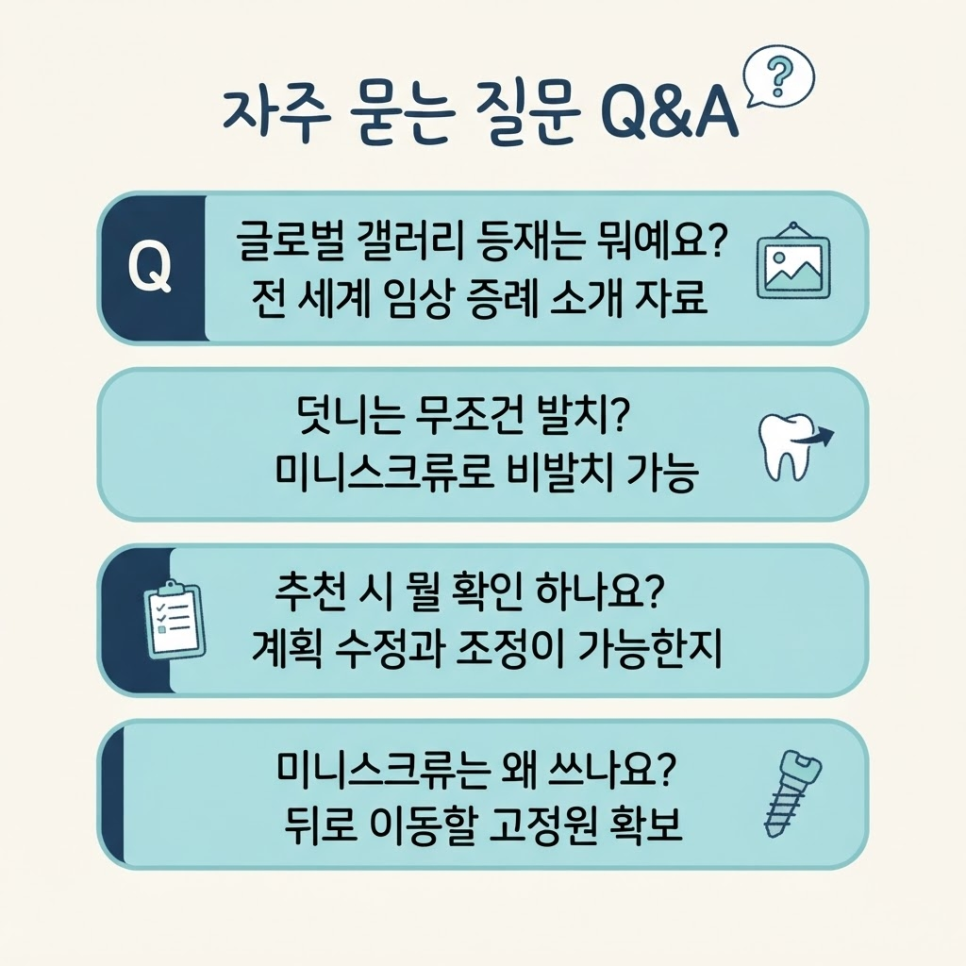
    1. What does it mean for a case to be featured in the Invisalign Global Gallery?
    It’s a showcase of clinical cases selected through review from Invisalign treatments worldwide. It can be used as one reference when researching treatment cases.

    2. Does correcting crowded teeth always require extraction?
    Not necessarily. Depending on a patient’s teeth and bone structure, non-extraction approaches — such as using mini-screws to move molars and create space — may be considered in some cases.

    3. What should I check when looking for a Jegi-dong orthodontist recommendation?
    Rather than comparing clear aligner brands alone, it’s worth checking whether the 3D simulation is adjusted to match the patient’s actual dental condition, and whether the plan can be modified as treatment progresses.

    4. Why are mini-screws used in clear aligner treatment?
    They’re used to provide the anchorage needed to move teeth. Depending on the patient’s condition, they may be selectively used to move molars backward or to adjust front teeth in a desired direction.


    References

    · Align Technology, \”Align Global Gallery,\” Align Technology Inc. View source
    · Oğuz F, Özden S, Cicek O, \”Distalization Methods for Maxillary Molars Utilizing Temporary Anchorage Devices (TADs): A Narrative Review,\” Applied Sciences, 2024. View source


    This article is intended for general health information purposes only and is not a substitute for individual diagnosis or treatment.
    If you have symptoms, please consult a specialist.