Tag: non-extraction orthodontics

  • Crooked Canine Tooth Correction: 3 Extraction Criteria and Non-Extraction Options in Cheongnyangni

    Crooked Canine Tooth Correction: 3 Extraction Criteria and Non-Extraction Options in Cheongnyangni

    SummaryWhether crooked canine tooth correction in Cheongnyangni needs extraction or not depends on how severe the misalignment is and whether the mouth protrudes. This guide covers why canine teeth get pushed out of place, three non-extraction methods, whether clear aligners can work, and typical treatment duration.

    There’s one question orthodontic consultations hear more than any other.
    Do I really need to have a tooth pulled?

    Consultations for crooked canine tooth correction in Cheongnyangni often start with this same question.
    But the answer isn’t as simple as it might seem.

    When the canine tooth is only mildly out of place, it can often be straightened without extraction. When it’s severely displaced or the mouth protrudes as well, a small premolar is often removed instead.
    Crooked canine tooth correction in Cheongnyangni

    Key Takeaways
    Whether treatment for a crooked canine tooth in Cheongnyangni involves extraction or not depends on the severity of the misalignment and whether the mouth protrudes.
    Mild cases can often be corrected with non-extraction methods such as arch expansion, interproximal reduction (IPR), or moving the molars back.
    Severe cases often involve removing four small premolars and using that space to align the teeth, with treatment typically taking 1 to 3 years.

    Why Do Canine Teeth Become Crooked?

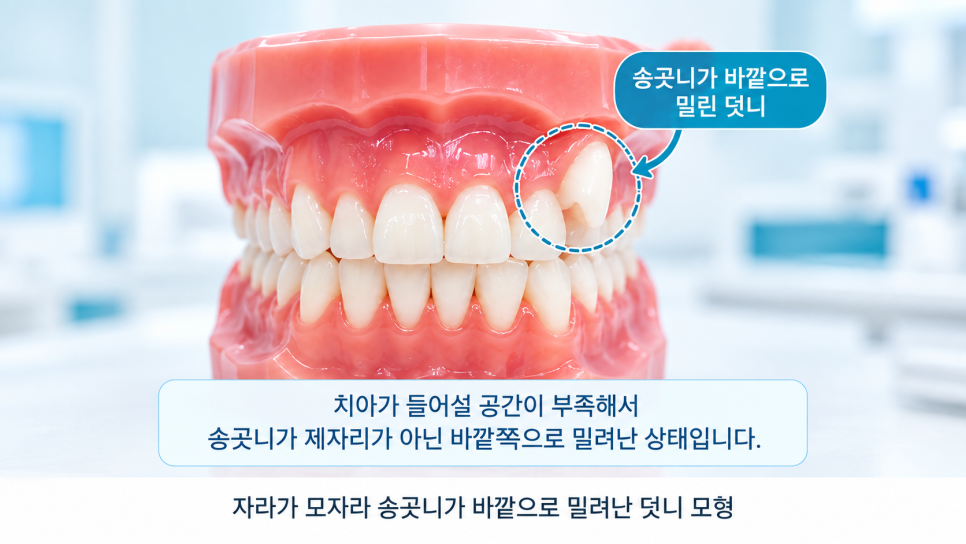
    To put it simply, a crooked canine tooth is a tooth that erupts out of alignment or outside its proper position because there isn’t enough space for it.
    It usually happens when there’s a mismatch between jaw size and tooth size.

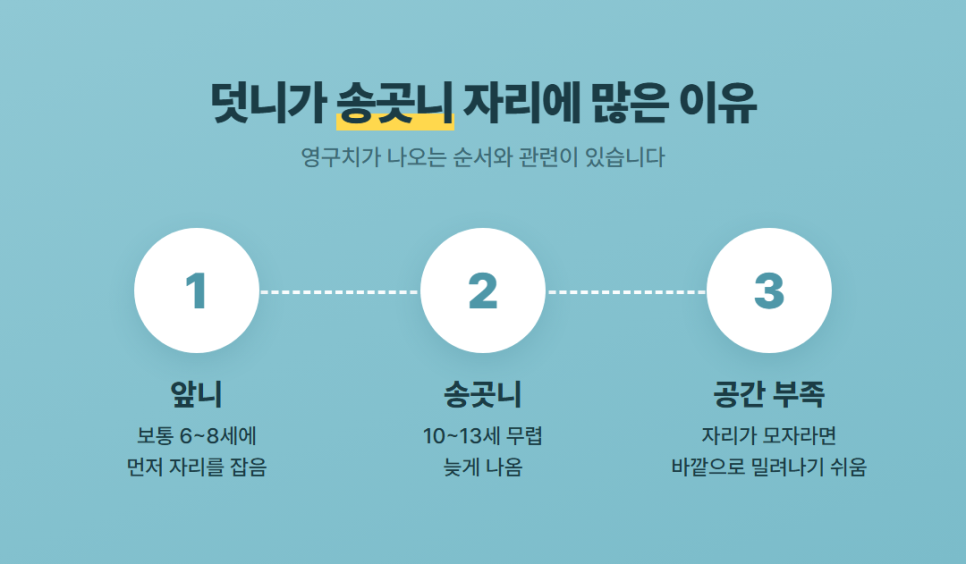
    The reason this shows up at the canine teeth in particular also has to do with eruption order.
    Front teeth usually come in around ages 6 to 8, while canines erupt later, around ages 10 to 13.

    Since the front teeth settle into place first, canines that come in later tend to get pushed outward if there isn’t enough room left for them.
    Crooked canine tooth correction in Cheongnyangni - image 2

    For this reason, the Korean Association of Orthodontists (KAO) recommends that children have their first orthodontic checkup around age 7, when the front teeth are replaced by permanent teeth.

    The Korean Association of Orthodontists advises that children undergo their first orthodontic evaluation around age 7.

    This is guidance from the Korean Association of Orthodontists.
    This checkup isn’t meant to start treatment right away — it’s an early check to see whether the teeth are coming in in the right order.


    What Happens If a Crooked Canine Tooth Is Left Untreated?
    Crooked canine tooth correction in Cheongnyangni - image 3

    Left untreated, it can make cavities and gum disease more likely.
    That’s because a toothbrush can’t easily reach the spots where teeth overlap.

    Key Points
    · Bristles and floss have a harder time reaching between overlapping teeth, which raises the risk of cavities.
    · Correcting a crooked canine tooth may improve chewing efficiency.

    Wiping behind a crooked canine tooth with gauze can reveal more plaque buildup than in other areas of the mouth.

    Crooked canine tooth correction in Cheongnyangni - image 4

    If floss consistently catches or your toothbrush can’t reach a certain spot when you brush, it’s worth getting a checkup.


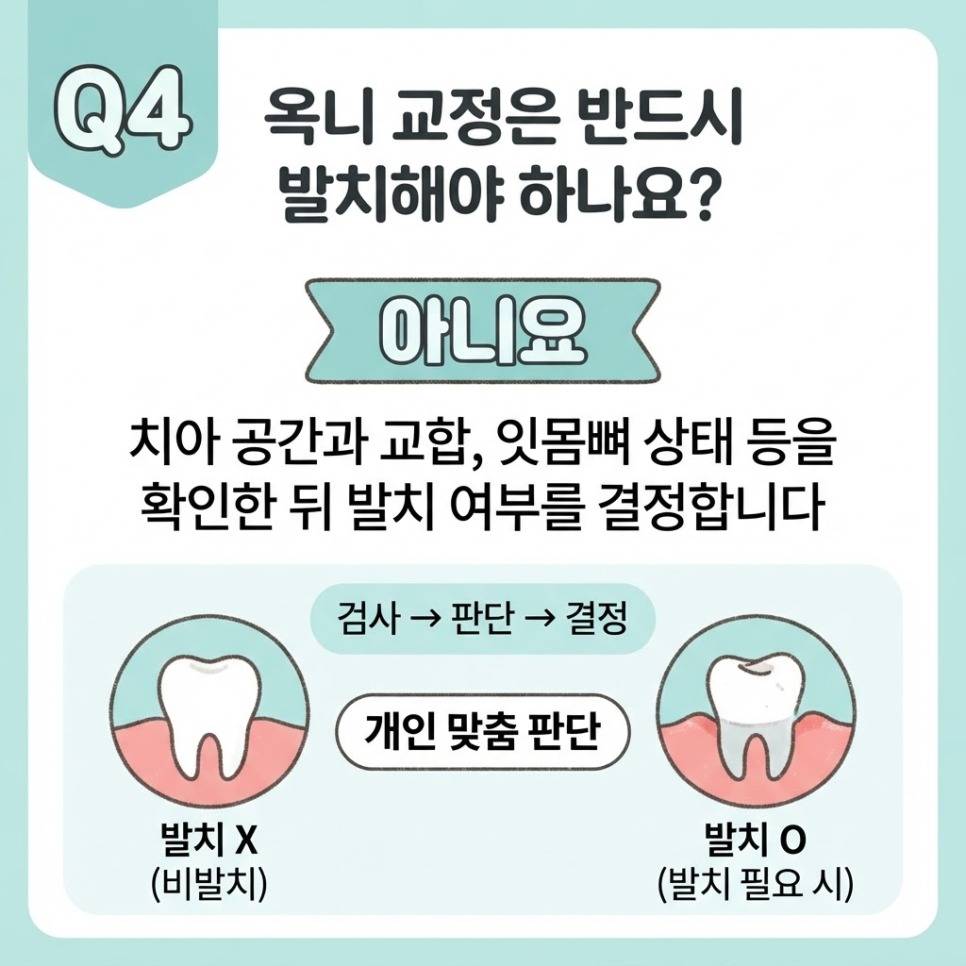
    Does Crooked Canine Tooth Correction in Cheongnyangni Always Require Extraction?

    Not necessarily.
    Whether extraction is needed is decided after evaluating the severity of the crooked tooth, whether the mouth protrudes, and the facial profile together.

    When the displacement is severe, four small premolars are typically removed, and that space is used to align the teeth.
    The gaps left behind are generally closed by the end of treatment.

    For mild cases, non-extraction methods that straighten teeth without removing any are usually considered first.

    Method How It Works Best For
    Arch expansion Widens the dental arch to create space Crowding caused by a narrow jaw
    Interproximal reduction (IPR) Shaves a thin layer of enamel between teeth to create space Mild crowding
    Molar distalization (moving molars back) Moves molars backward to free up space in front Cases with a slight space shortage in front
    Extraction orthodontics Uses space from removing 4 premolars Severe crowding or cases with mouth protrusion

    Crooked canine tooth correction in Cheongnyangni - image 5

    Key Points
    · There’s no official guideline confirming a single rule like “extraction is required once the space deficit exceeds a certain number of millimeters.”
    · The decision considers not just how much space is missing, but also mouth protrusion and facial profile.

    Can Clear Aligners Also Straighten a Crooked Canine Tooth?

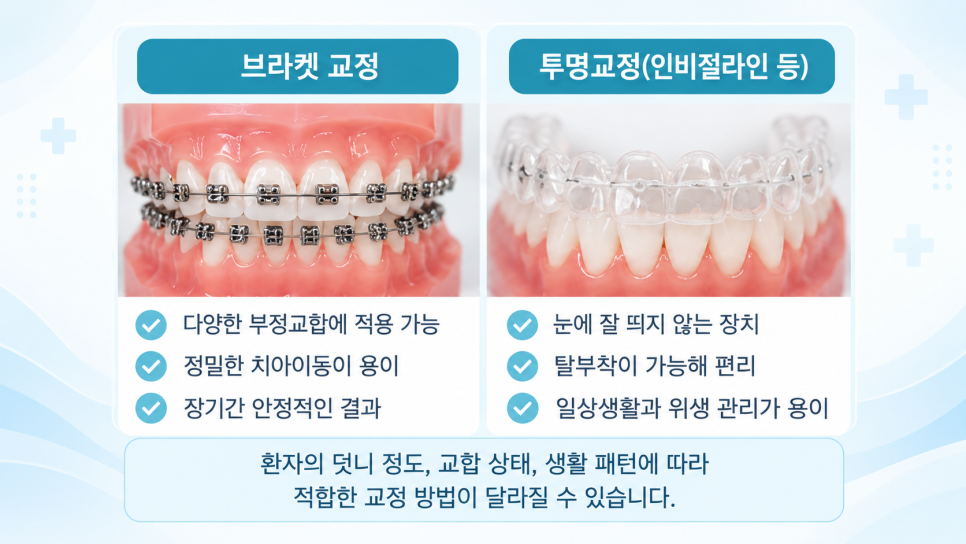
    For mild crowding, clear aligners can be an option.
    However, they have limitations when the crowding is severe or when teeth need complex movement.

    A 2024 international systematic review compared treatment duration between clear aligners and fixed braces for mild-to-moderate crowding.
    Pooling 10 studies, it found no clear difference in treatment duration between the two appliance types.

    That said, in one of the included studies, clear aligners averaged 8.4 months versus 12.1 months for fixed braces — a difference of about 3.7 months.
    The overall certainty of evidence was rated as low.
    Crooked canine tooth correction in Cheongnyangni - image 6

    On the other hand, a 2016 paper in a Korean dental journal (Journal of the Korean Dental Association) noted that, due to their structural characteristics, clear aligners have limitations when it comes to root movement or complex movement of certain teeth.
    Because the studies differ in timing and population, the findings haven’t converged into a single consensus.

    Things to Keep in Mind
    · Clear aligners don’t work the same way for every crooked canine tooth.
    · A thorough diagnostic exam should guide the decision more than the choice of appliance itself.

    How Long Does Treatment Take and What Does It Cost?

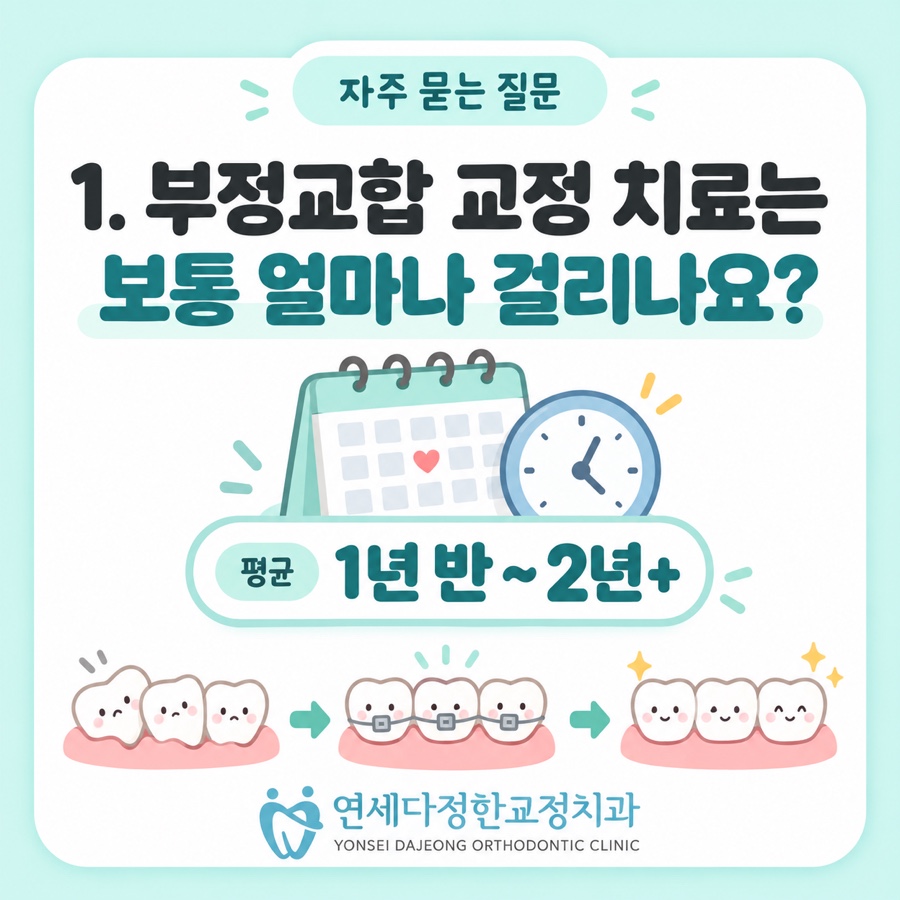
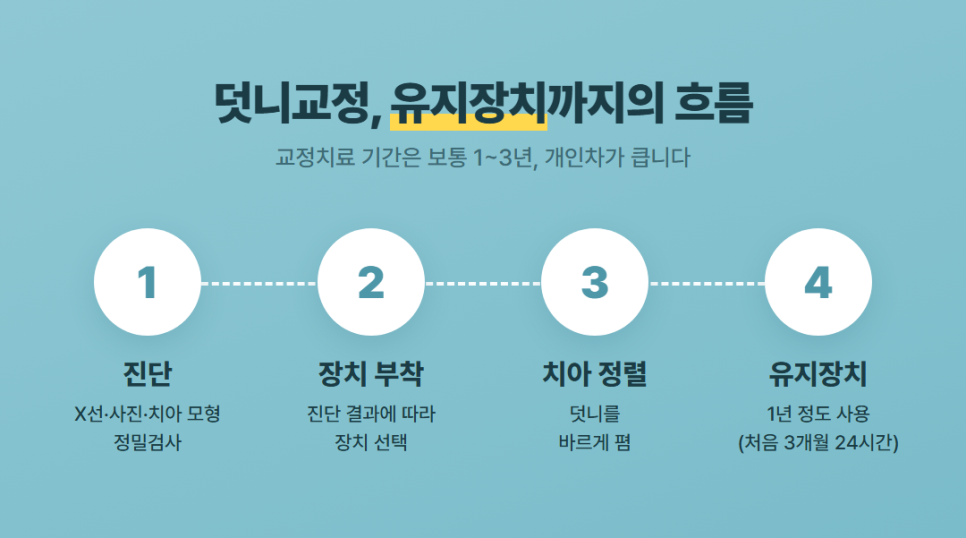
    Orthodontic treatment typically takes about 1 to 3 years, though this varies significantly from person to person.
    It also depends on whether extraction is involved, so an exact timeline can only be given after a diagnosis.
    Crooked canine tooth correction in Cheongnyangni - image 7

    Because orthodontic treatment isn’t covered by national health insurance, costs vary between clinics.
    They also depend on the severity of the crowding and the type of appliance used, so the most accurate figure comes after an exam.

    Aftercare
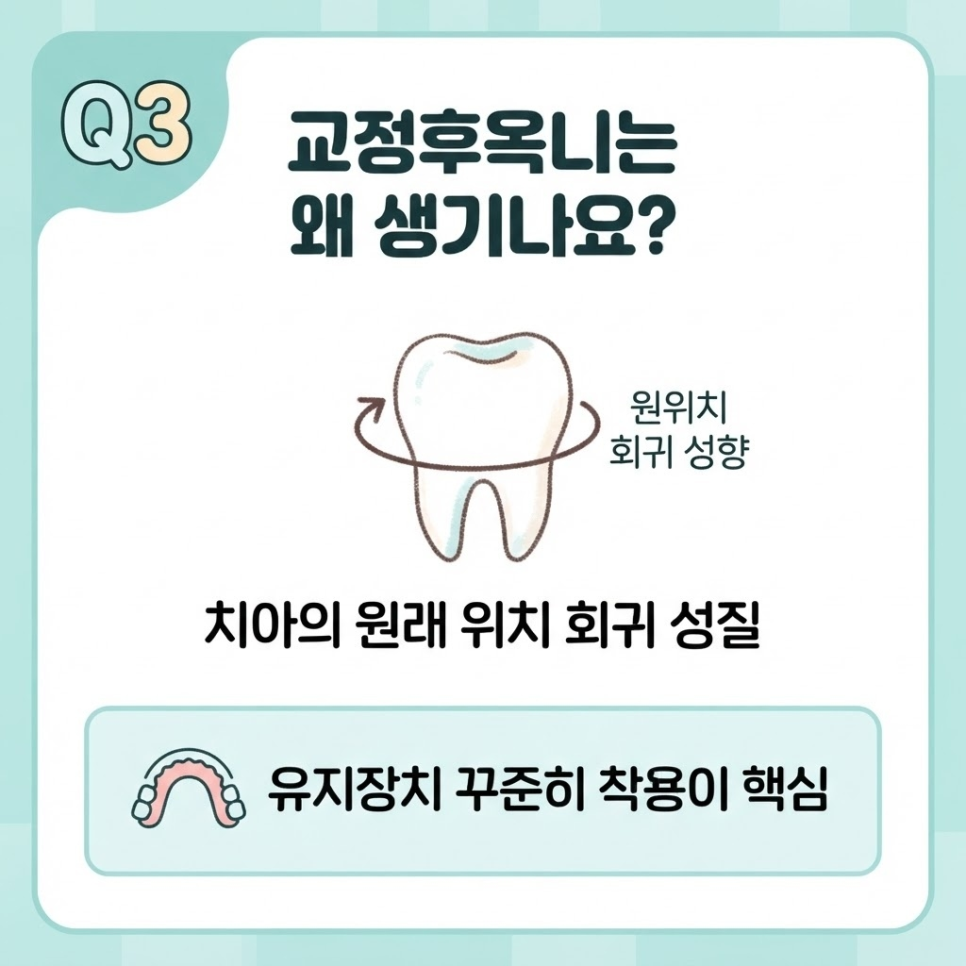
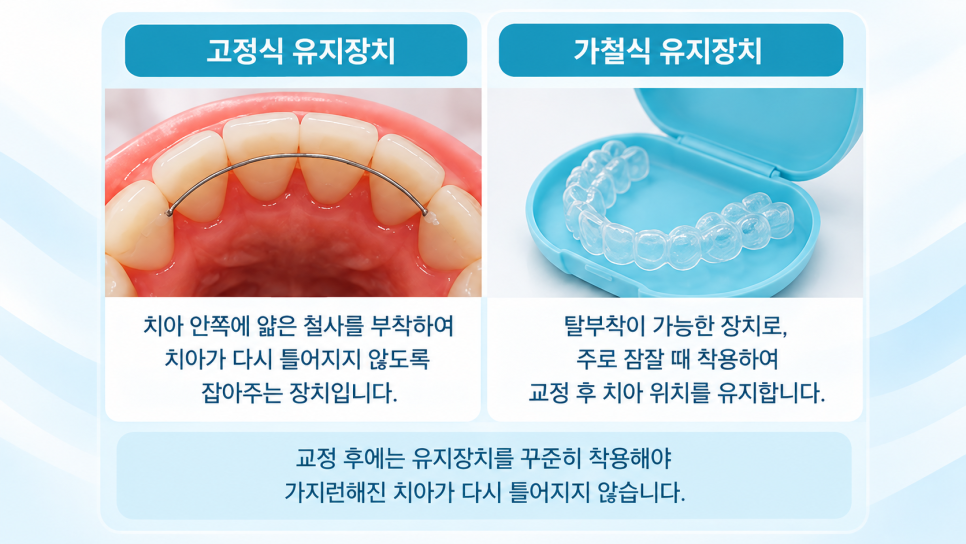
    After treatment ends, teeth tend to drift back toward their original position.
    That’s why a retainer is typically worn for about a year to help reduce relapse.
    Crooked canine tooth correction in Cheongnyangni - image 8

    Things to Keep in Mind
    · During orthodontic treatment, side effects such as gum recession, root resorption, or decalcification (white spots on the tooth surface) can occur.
    · It’s best to discuss these possible side effects during the consultation before treatment begins.

    What Should You Check Before a Consultation in Cheongnyangni?

    Check whether the clinic explains the reasoning behind its extraction or non-extraction decision for crooked canine tooth correction based on a thorough exam.
    If you’re looking for an orthodontic clinic around Cheongnyangni, Dongdaemun, or Yongdu-dong/Jeonnong-dong, here are three things worth checking.

    Checklist
    ✅ Is the treatment provided by an orthodontic specialist? (You can verify this by region and name on the Korean Association of Orthodontists website)
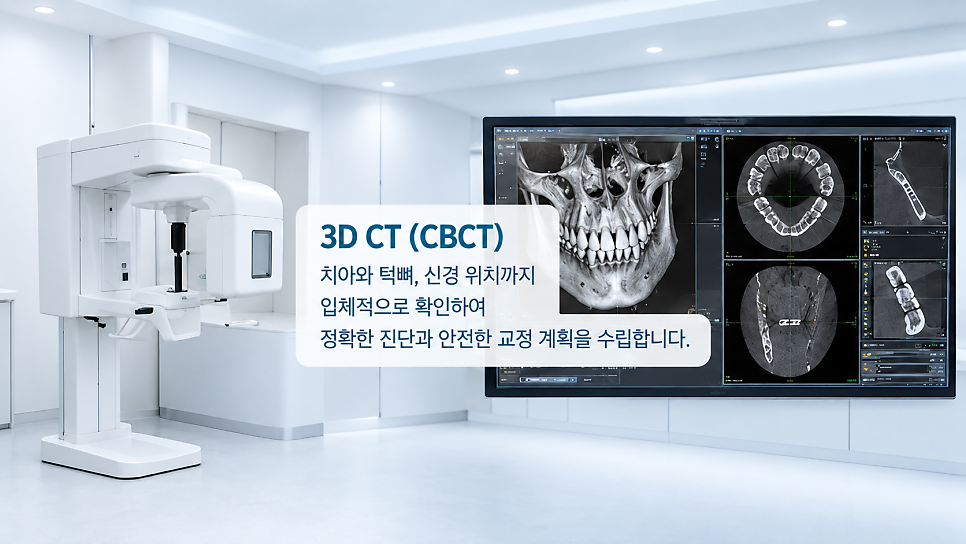
    ✅ Does the clinic perform a thorough exam, including X-rays, facial photos, and a dental model (intraoral scan)?
    ✅ Does it explain the reasoning behind the extraction decision and appliance choice based on your specific tooth condition?

    Yonsei Dajeonghan Orthodontic Dental Clinic, near Cheongnyangni Station in Dongdaemun-gu, Seoul, has orthodontic and integrated dentistry specialists who diagnose using 3D CT and 3D scanners.
    If you need an orthodontic consultation, you can find more information at the Yonsei Dajeonghan Orthodontic Dental Clinic website.
    Crooked canine tooth correction in Cheongnyangni - image 9


    Frequently Asked Questions

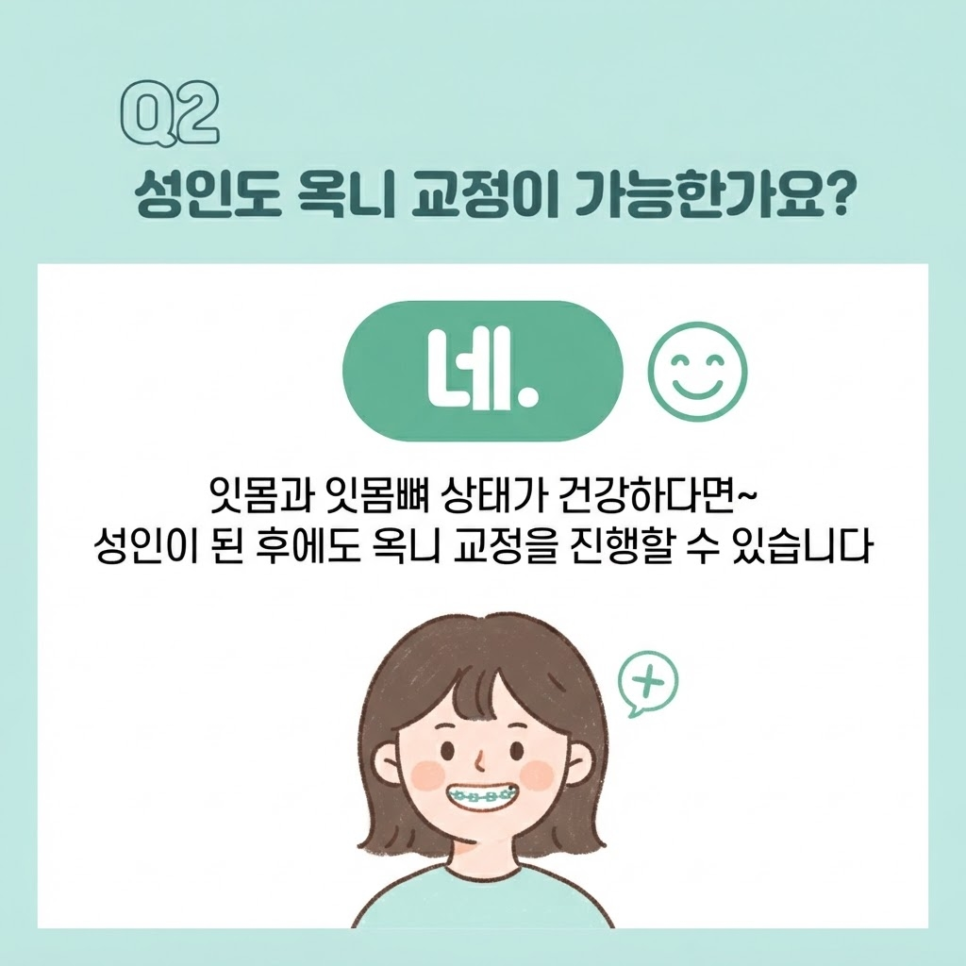
    1. Can adults get treatment for a crooked canine tooth, too?
    Yes. There’s no age limit for orthodontic treatment.
    That said, tooth movement is slower in adults and relapse is more likely, so gum and cavity health are checked first.

    2. When should a child’s crooked canine tooth first be checked?
    The Korean Association of Orthodontists recommends an orthodontic consultation around age 7, when the front teeth are replaced by permanent ones.
    In growing children, teeth tend to move more easily, which lowers the risk of relapse.

    3. Can the first consultation for crooked canine teeth in Cheongnyangni tell you right away whether extraction is needed?
    The first consultation mainly determines whether treatment is needed at all.
    Whether extraction is required is decided based on a thorough exam — X-rays, photos, and dental models — and the diagnosis can sometimes take more than a week.

    4. Do teeth become loose when a crooked canine tooth is corrected without extraction?
    Non-extraction methods like arch expansion, interproximal reduction (IPR), and molar distalization are designed to create space only within the range the teeth and gums can tolerate.
    Still, whether this approach applies to you must be confirmed through a thorough exam.


    References

    · Korean Association of Orthodontists, “When to Start Orthodontic Treatment,” official KAO website. Link
    · Jiang Y, et al., “Duration of orthodontic treatment with clear aligners versus fixed appliances in crowding cases: a systematic review,” Clinical Oral Investigations, 2024. Link
    · Bae Gi-seon, “Clinical Limitations of Clear Aligners and Their Solutions,” Journal of the Korean Dental Association 54(7), 2016. Link

    This article is intended for general health information purposes only and is not a substitute for individual diagnosis or treatment. If you have symptoms, please consult a specialist.

  • Malocclusion Braces Cost: 3 Reasons Price and Duration Vary

    Malocclusion Braces Cost: 3 Reasons Price and Duration Vary

    SummaryMalocclusion braces cost varies from clinic to clinic. This article explains why price and treatment duration differ based on whether the issue is skeletal or dental, whether extraction is needed, and the type of appliance used — plus how to make use of payment plans.

    Have you ever felt discomfort while eating because your back teeth didn’t line up right?

    Many people also feel self-conscious about smiling freely because of crooked teeth in the mirror.

    Once you actually go in for a consultation, malocclusion braces cost can vary widely from clinic to clinic, which only deepens the worry.

    In fact, this difference often starts with a single diagnostic distinction: whether the problem is skeletal or purely dental.

    malocclusion braces cost

    malocclusion braces cost illustration 2

    This article walks through how malocclusion braces cost is determined, the diagnostic process, the appliance and difficulty factors that create price differences, and how payment plans and treatment scheduling can help ease the financial burden.

    malocclusion braces cost illustration 3

    malocclusion braces cost illustration 4

    How Is Malocclusion Diagnosed and Classified?

    To put it simply, malocclusion is a condition in which the upper and lower teeth don’t bite together properly.

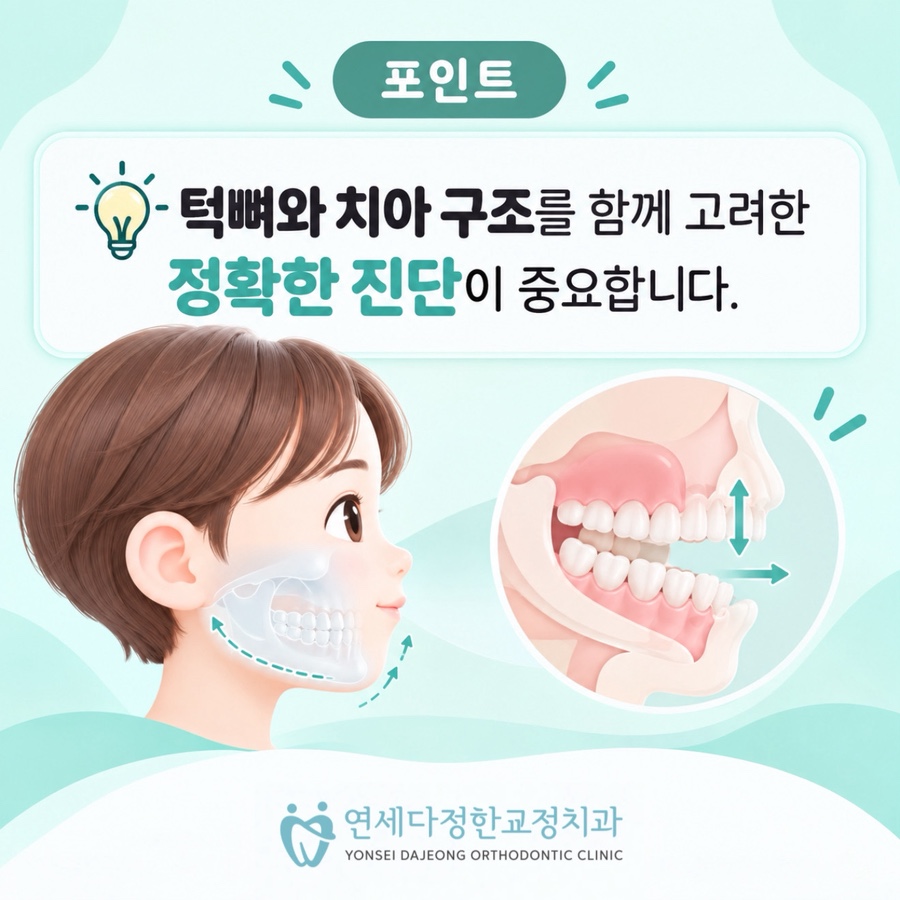
    Whether the issue is purely dental (crooked teeth) or skeletal (misaligned jawbones) makes a major difference in treatment difficulty.

    It isn’t just about teeth looking crowded — it can also affect chewing function, speech, and TMJ (jaw joint) health.

    malocclusion braces cost illustration 5

    malocclusion braces cost illustration 6

    Presentations vary widely — protruding or reversed front teeth, back teeth that don’t meet, and more.

    This is why it’s difficult to accurately estimate malocclusion braces cost before a detailed diagnostic workup.

    Key Points
    ✔ When both the jawbone and tooth structure are affected, realigning the teeth alone may not be enough.
    ✔ Treatment to guide jaw growth may also be needed, which makes a detailed diagnosis especially important.

    malocclusion braces cost illustration 7

    malocclusion braces cost illustration 8

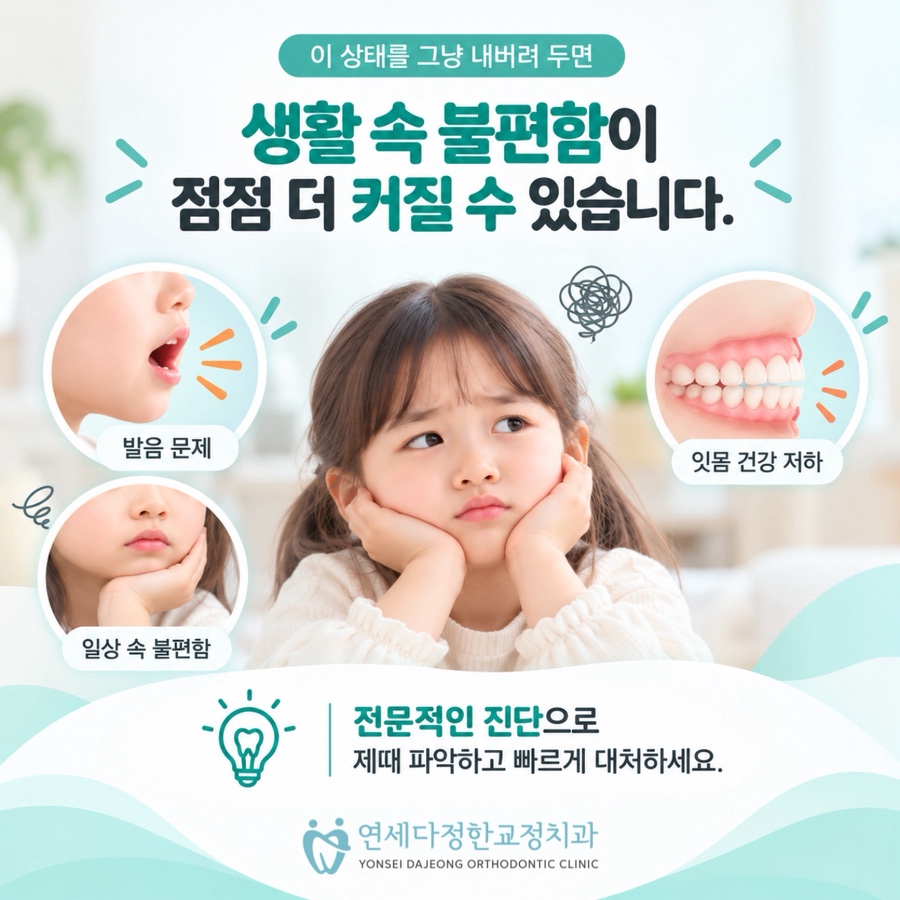
    Leaving this condition untreated can lead to worsening gum health, speech issues, and other discomfort over time.

    So if you notice these symptoms, it’s a good idea to see a specialist for a diagnosis rather than putting it off.


    What Determines Malocclusion Braces Cost?

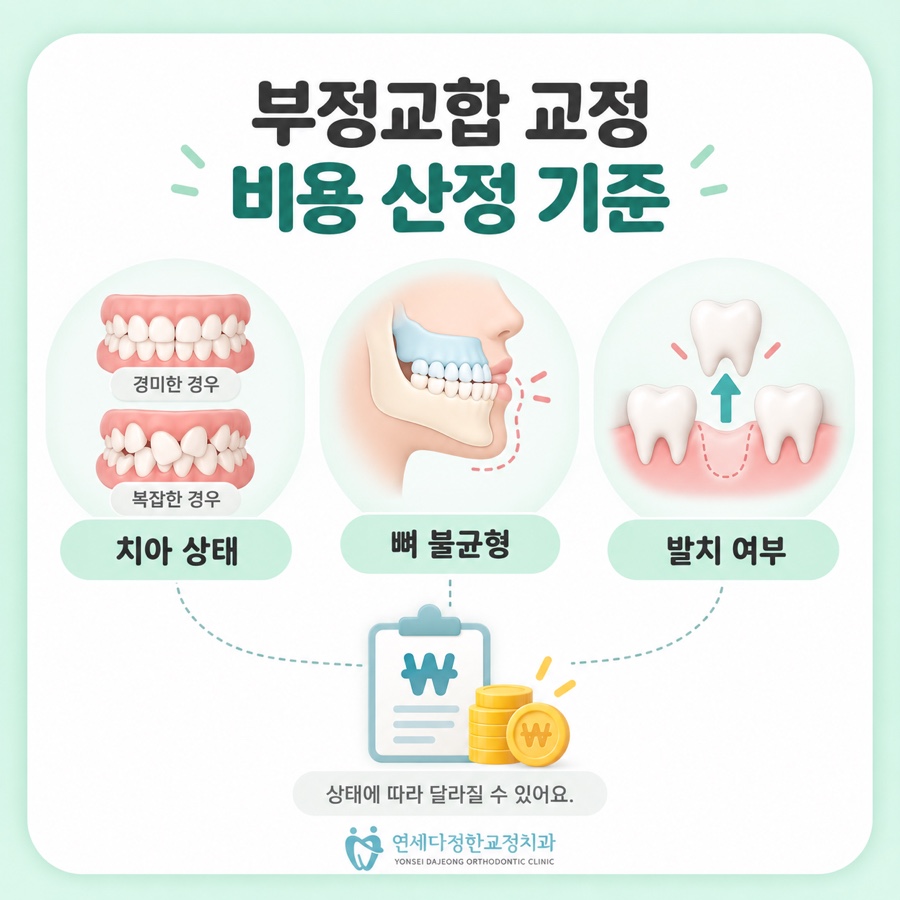
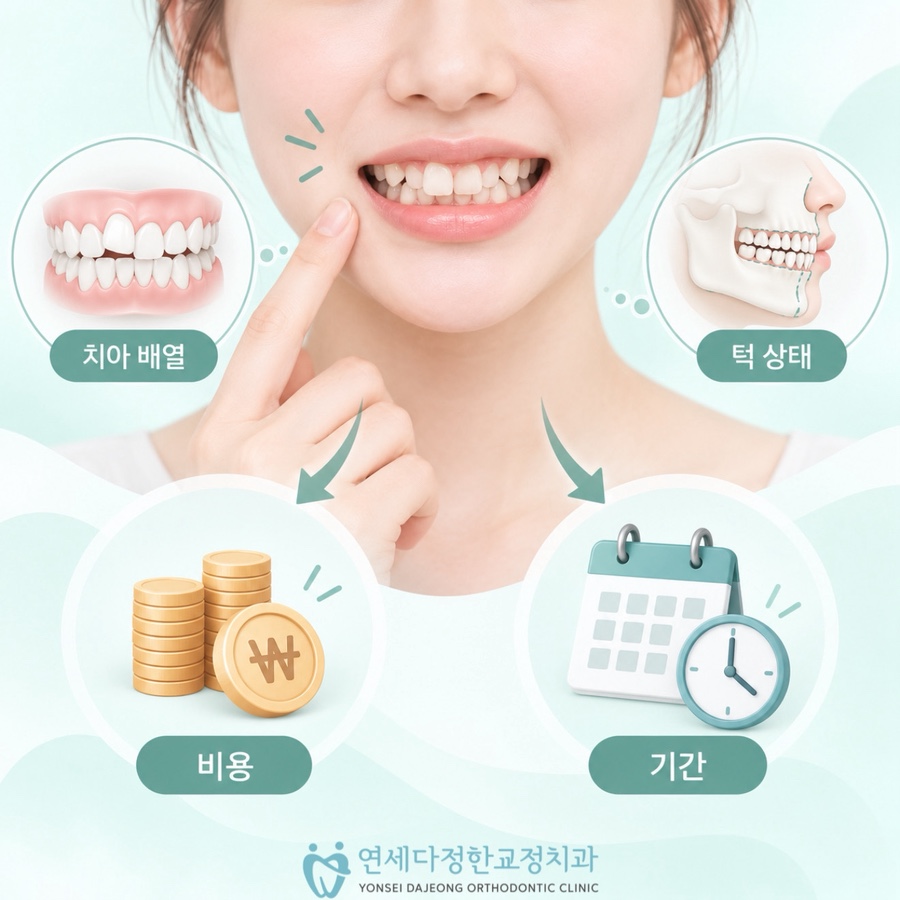
    Malocclusion braces cost varies significantly depending on oral condition, the degree of bone imbalance, and whether extraction is needed.

    Unlike simple spacing or mild crowding, cases where the jawbone position is significantly misaligned require moving teeth over a wider range, which calls for more advanced technique.

    malocclusion braces cost illustration 9

    In practice, extraction orthodontics tends to cost more and take longer than non-extraction orthodontics, and cases that also involve skeletal issues tend to increase both further.

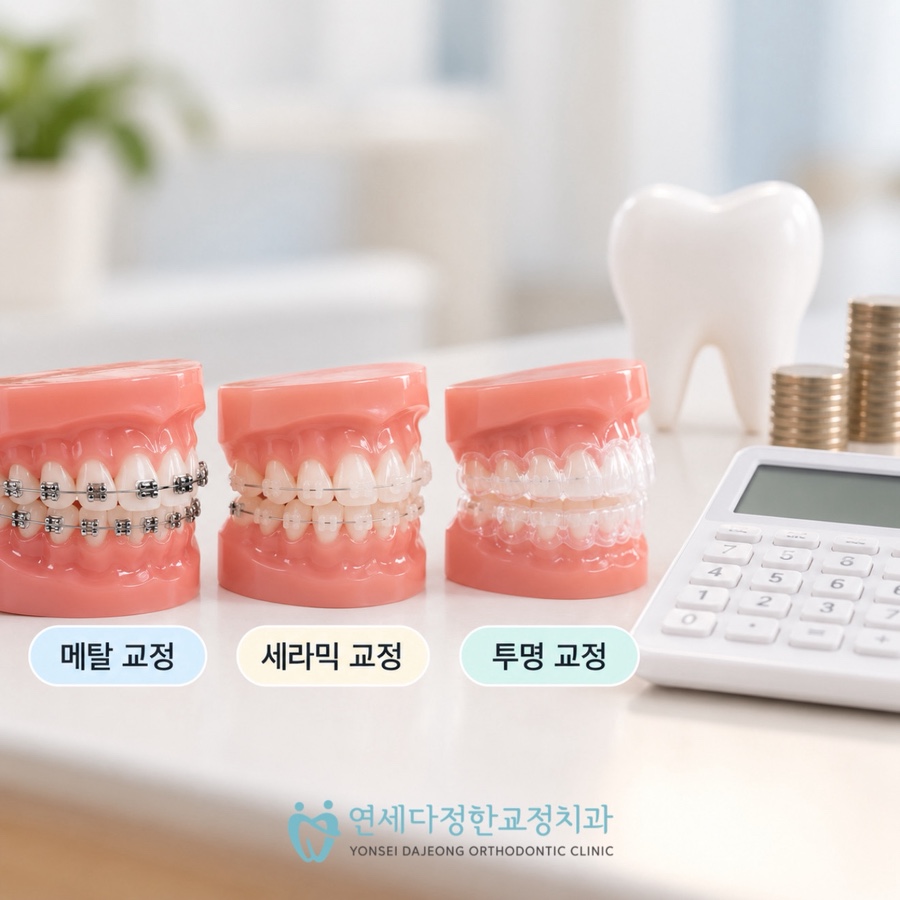
    The type of appliance used also affects the total cost.

    Type Characteristics Cost Tendency
    Metal braces The most basic fixed appliance Relatively lower
    Ceramic braces Tooth-colored and less noticeable Mid-range
    Clear aligners Removable, often paired with digital diagnostics Relatively higher
    Key Points
    ✔ Whether extraction is needed and whether skeletal issues are involved both affect cost and duration.
    ✔ The appliance type (metal, ceramic, or clear) and the use of digital diagnostic equipment are also reflected in the total cost.

    malocclusion braces cost illustration 10

    In other words, a thorough diagnosis and treatment plan tailored to each person’s structure should come before any one-size-fits-all price standard.


    What Factors Affect Treatment Duration and Price?

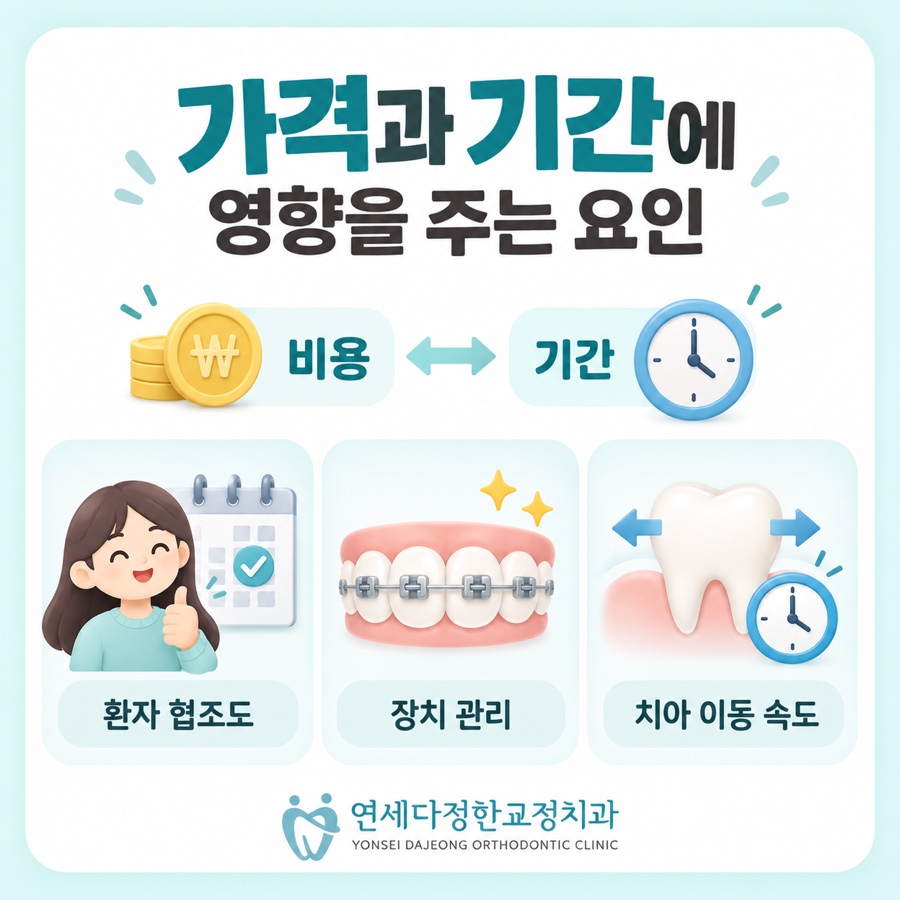
    In short, treatment duration depends on how well the patient follows instructions and how quickly the teeth and bone respond.

    Tooth movement speed differs from person to person, and broken appliances or missed appointments can extend the overall timeline.

    malocclusion braces cost illustration 11

    Depending on the clinic, non-extraction orthodontics is often estimated at around 1 to 1.5 years, and extraction cases at roughly 1.5 to 2 years — though the exact duration can vary based on each patient’s diagnosis.

    If skeletal issues are involved, treatment may also include mini-screw-assisted movement or a combined surgical approach, which can extend the timeline further.

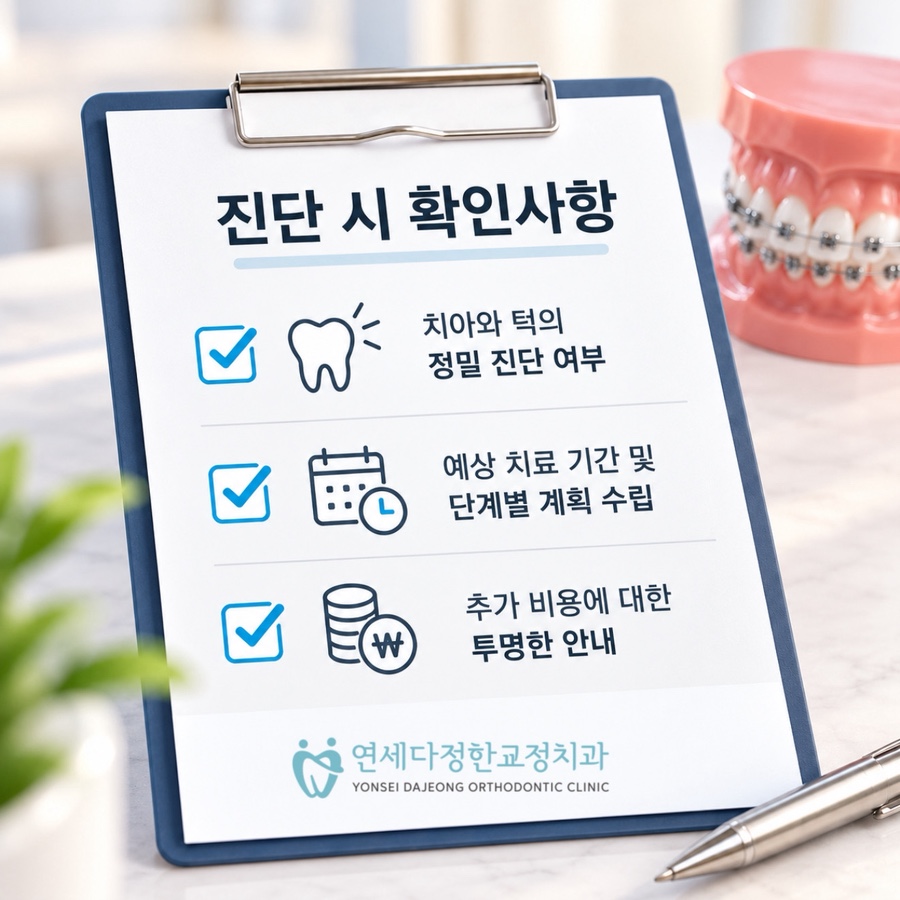
    Checklist: What to Confirm During Diagnosis
    ✅ Did you receive a detailed diagnosis distinguishing skeletal from dental issues?
    ✅ Were you given an estimated treatment duration and a step-by-step movement plan?
    ✅ Were any potential additional costs explained transparently?

    malocclusion braces cost illustration 12

    malocclusion braces cost illustration 13

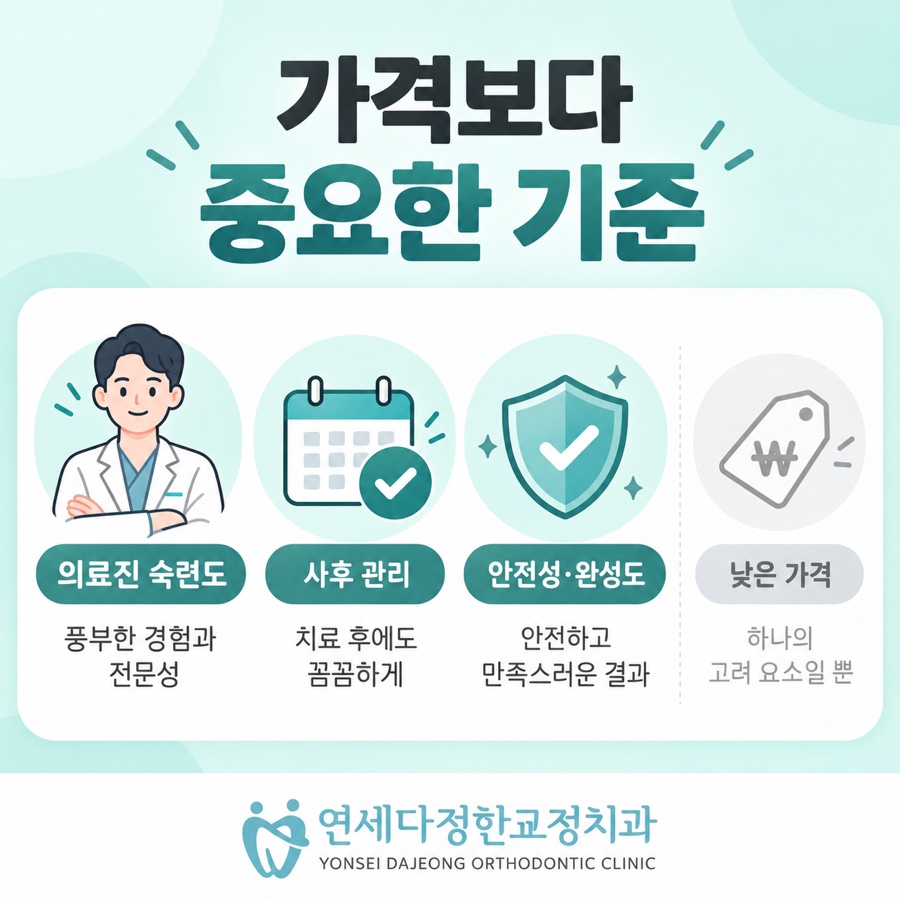
    Rather than chasing the lowest price alone, it’s wise to also weigh the clinical team’s experience and the aftercare system.

    It’s important to approach treatment in a way that addresses both safety and quality of outcome.


    How Can You Use Payment Plans and Manage Treatment?

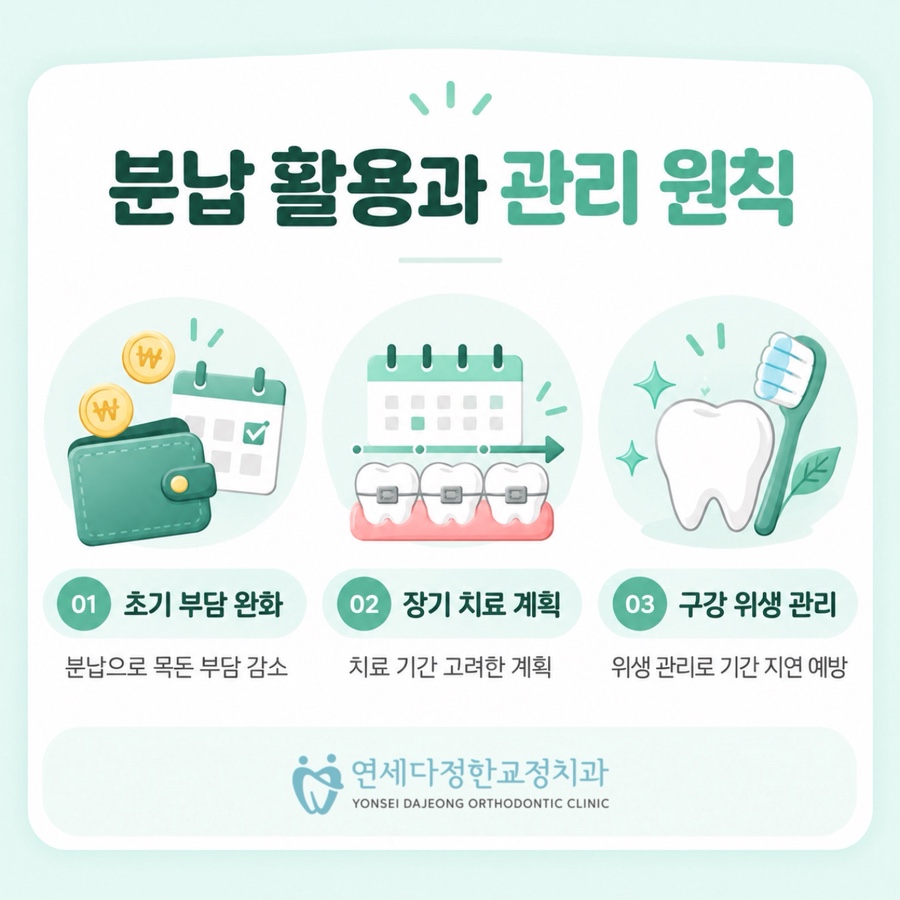
    Using a payment plan can help reduce the upfront financial burden while continuing long-term treatment.

    Orthodontic treatment is a long journey that can last from several months to several years, so it’s a good idea to plan your finances ahead of time.

    malocclusion braces cost illustration 14

    Caution
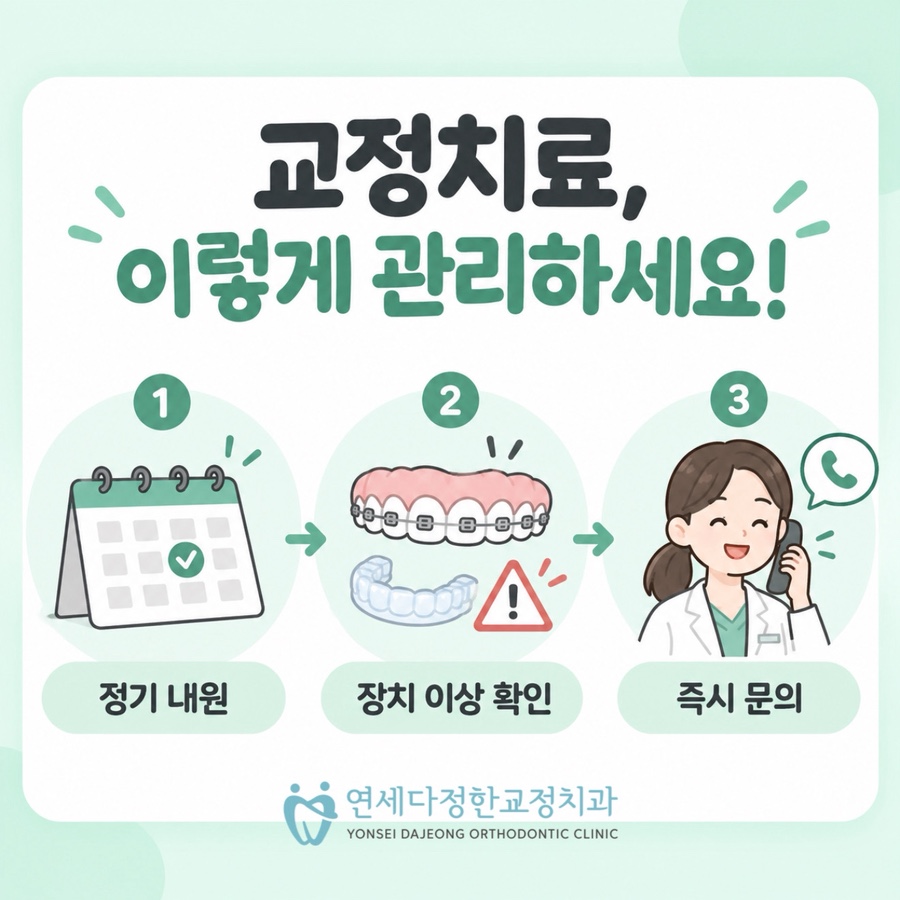
    Neglecting oral hygiene during treatment can lead to cavities or gum disease, which may extend the treatment period.
    Keep to your scheduled visits, and contact your clinic right away if an appliance becomes deformed or breaks.

    malocclusion braces cost illustration 15

    If you have questions, consider visiting the Yonsei Dajeonghan Orthodontic Clinic in Cheongnyangni homepage for a diagnostic consultation to check your malocclusion type, estimated cost, and expected duration first.

    In Summary
    · Malocclusion braces cost is shaped by whether the issue is skeletal or dental, whether extraction is needed, and the type of appliance used.
    · Treatment duration depends on patient compliance and response speed, and is often estimated at around 1 to 2 years on average.
    · Payment plans and good oral care may help reduce both cost burden and treatment delays.

    Frequently Asked Questions

    malocclusion braces cost illustration 16

    1. How long does malocclusion treatment usually take?
    It varies depending on jaw condition and case difficulty, but treatment is often estimated at around 1.5 to 2 years. Cases involving extraction tend to take longer.

    malocclusion braces cost illustration 17

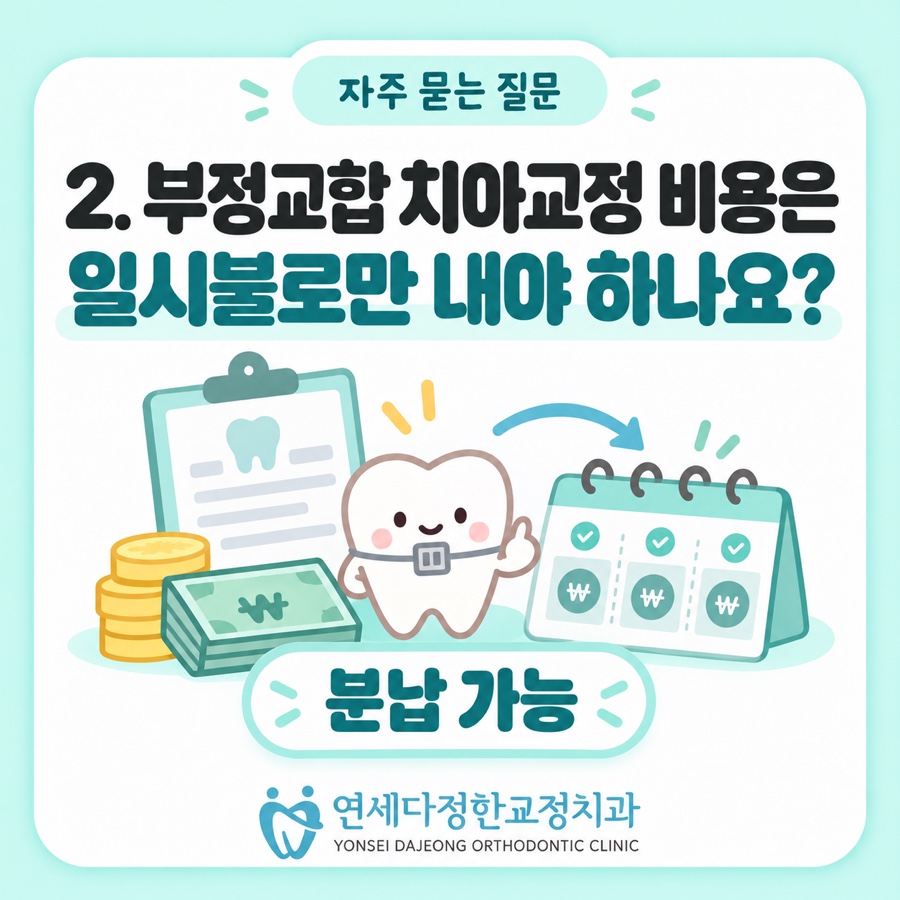
    2. Do I have to pay the full malocclusion braces cost upfront?
    Most clinics offer installment payment systems tied to treatment stages, which can help reduce the initial financial burden.

    malocclusion braces cost illustration 18

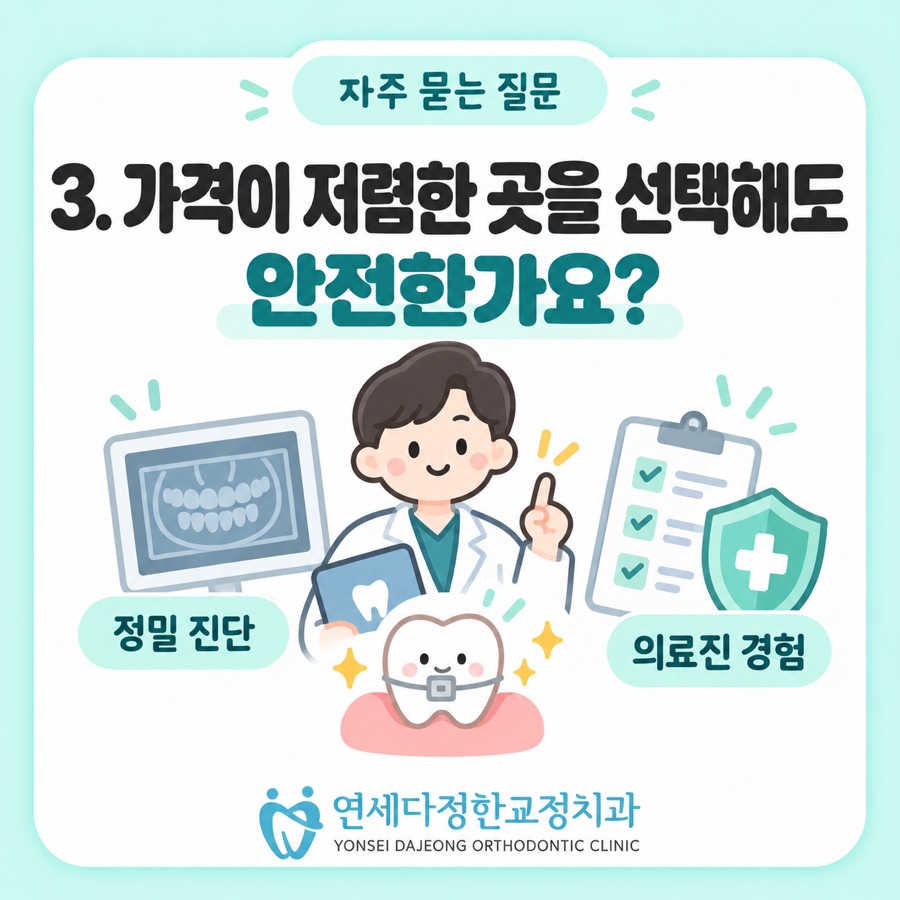
    3. Is it safe to choose the cheapest option?
    Rather than automatically going with the lowest price, it’s best to carefully weigh factors like diagnostic equipment quality and the clinical team’s experience and skill.

    malocclusion braces cost illustration 19

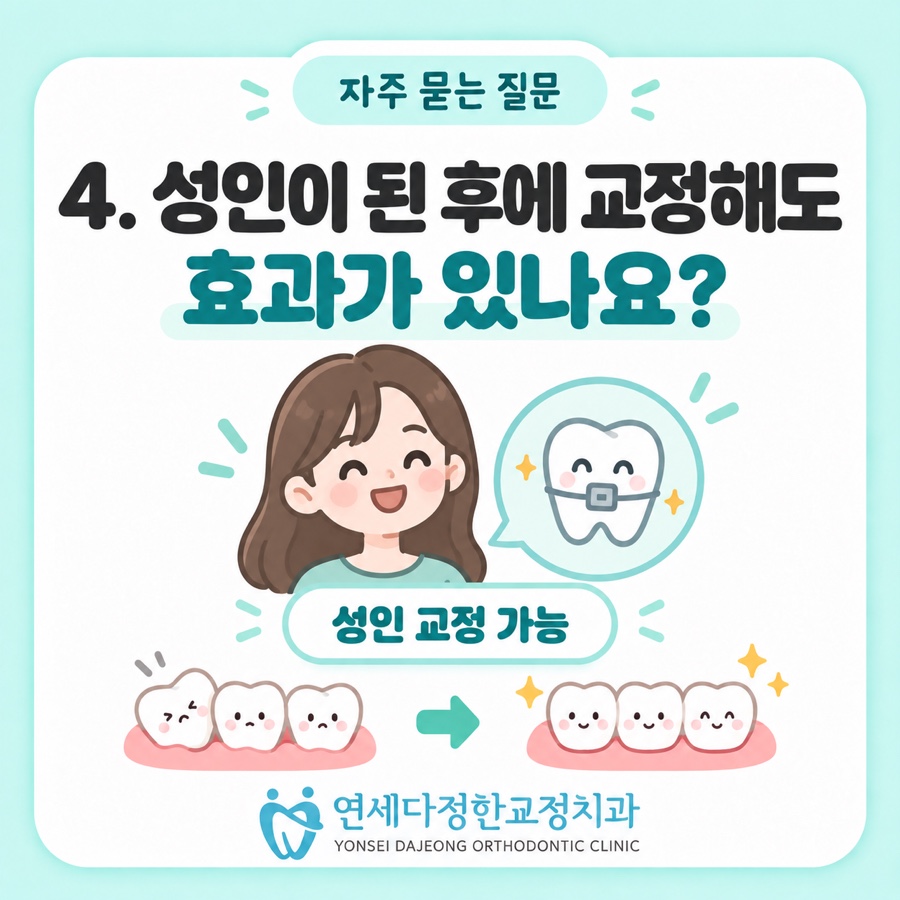
    4. Can orthodontic treatment still help after adulthood?
    Even after growth has finished, tooth movement itself is possible regardless of age, and functional and aesthetic improvement may be possible.

    5. Is malocclusion treatment covered by health insurance?
    General cosmetic malocclusion treatment is not covered by national health insurance. Partial coverage may apply only for specific diagnoses, such as cleft lip and palate.


    References

    · Seoul National University Hospital, “Malocclusion,” Seoul National University Hospital Medical Information. View Source
    · DBpia, “Changes in Dental and Facial Features Before and After Orthodontic Treatment With and Without Extraction in Class I Malocclusion Patients,” academic journal article. View Source
    · National Health Insurance Service, “Guide to Insurance Coverage for Orthodontic and Orthopedic Treatment of Cleft Lip and Palate.” View Source


    This article is intended for general health information purposes only and does not replace individual diagnosis or treatment. If you have symptoms, please consult a specialist.

  • Jegi-dong Orthodontist Recommendation: 3 Criteria to Check

    Jegi-dong Orthodontist Recommendation: 3 Criteria to Check

    SummaryIf you’re weighing a Jegi-dong orthodontist recommendation, start by looking at cases featured in the Invisalign Global Gallery. Here’s an overview of treatment-planning criteria worth checking — from mini-screw-assisted molar distalization to facial-balance-focused diagnosis and non-extraction approaches to crowded teeth.

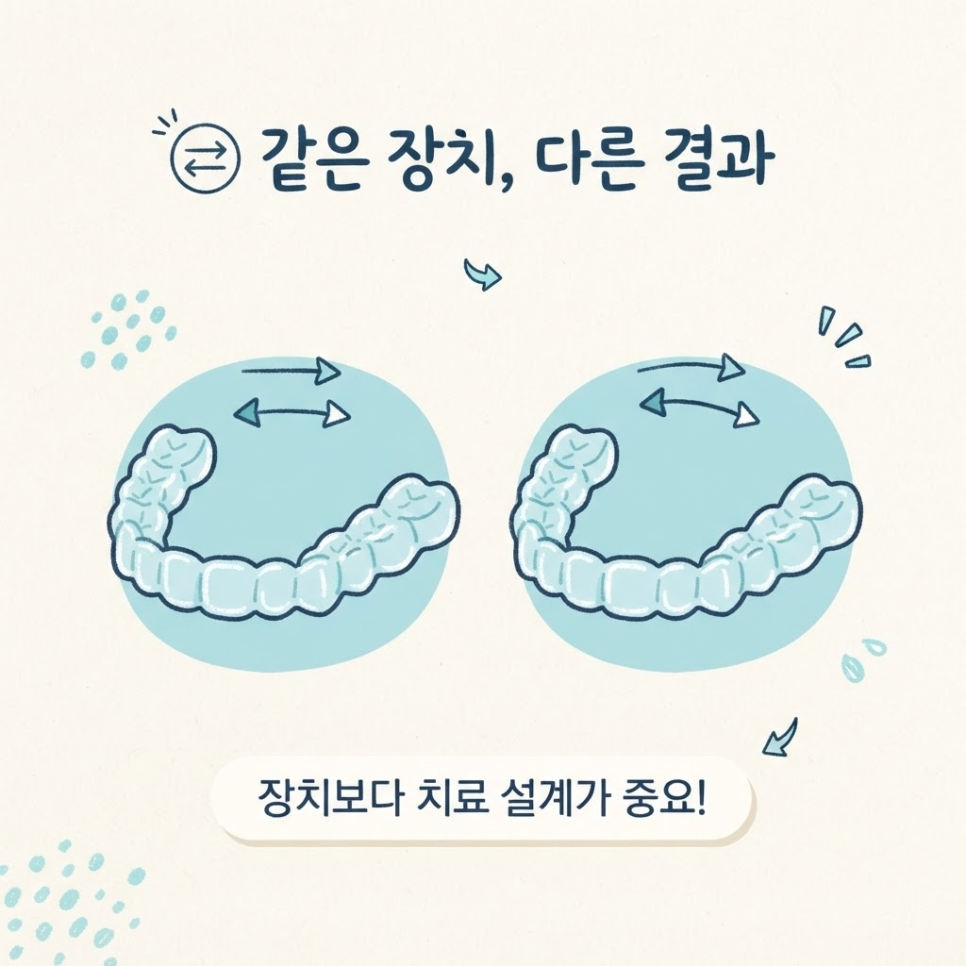
    Two clinics can use the exact same Invisalign system,
    so why do the results differ so much?

    It may seem like 3D software automatically designs tooth movement,
    but in practice, the sequence and direction the clinician chooses for moving each tooth make a major difference in the outcome.

    That’s why, when researching a Jegi-dong orthodontist recommendation, you should look at treatment-planning skill before the name of the device.

    제기동 교정치과 추천

    Even with the same appliance, the treatment process can vary depending on how missing space is created and the order in which teeth are moved.

    That’s why this article outlines the treatment-planning criteria worth checking when considering a Jegi-dong orthodontist recommendation.
    We’ll go through Invisalign Global Gallery cases, space-creation methods using mini-screws, and diagnostic criteria that account for facial balance, in that order.

    제기동 교정치과 추천 관련 이미지 2

    제기동 교정치과 추천 관련 이미지 3

    What Does Invisalign Global Gallery Inclusion Actually Mean?

    The Invisalign Global Gallery is a showcase of selected clinical cases chosen from Invisalign treatments worldwide.
    Simply using the appliance isn’t enough to be featured.

    제기동 교정치과 추천 관련 이미지 4

    Clinicians must submit a treatment plan, photos, radiographs, and the digital treatment plan (ClinCheck),
    and only cases that meet certain criteria get published.

    So whether a clinician has cases featured can serve as one reference point for how consistently,
    and how precisely, they’ve designed complex cases over time.

    Key Points
    · Even with the same Invisalign appliance, results can vary depending on the sequence and direction of tooth movement.
    · The Invisalign Global Gallery only features cases from around the world that have passed a review process.

    제기동 교정치과 추천 관련 이미지 5

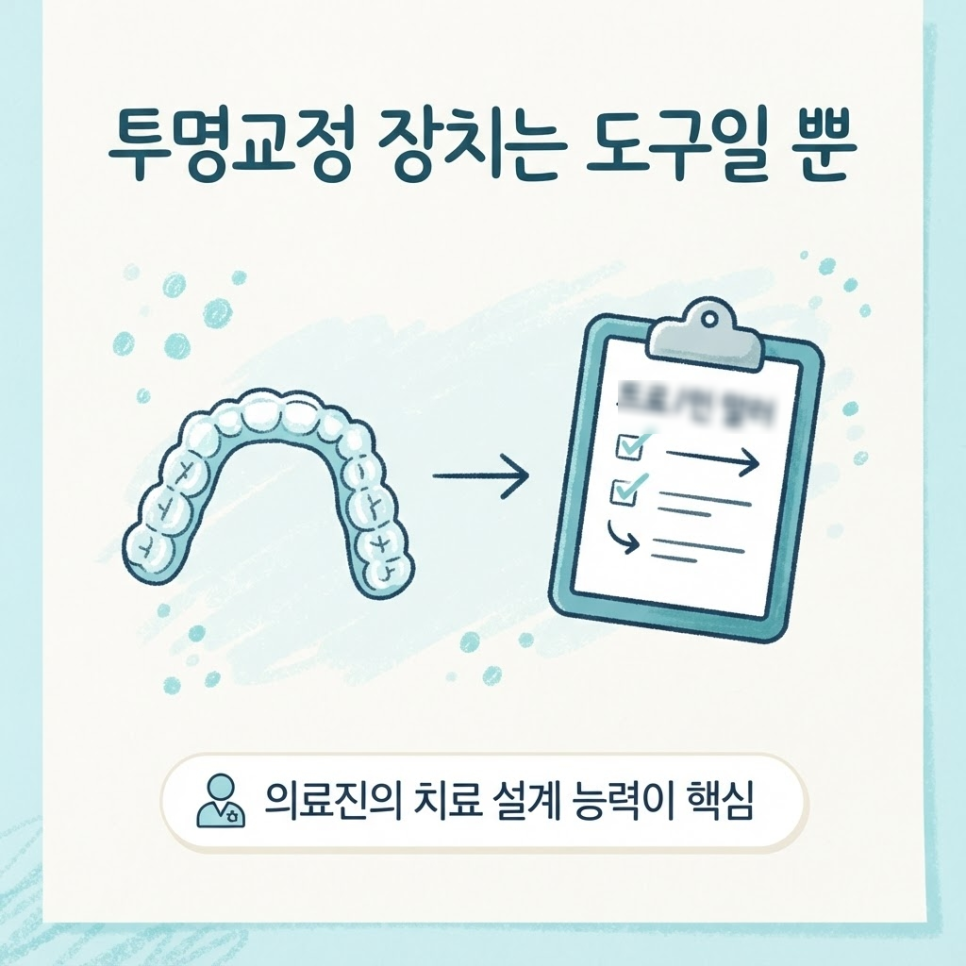
    Clear aligners are best understood as a tool that moves teeth according to the plan a clinician sets.
    3D simulation software does generate an initial plan automatically,
    but adjusting that plan to match the patient’s actual dental arch and bite is an essential step.

    제기동 교정치과 추천 관련 이미지 6

    What to Watch for in the Digital System

    The tooth alignment shown in the software and the actual treatment outcome don’t always match.
    The process of adjusting the plan — factoring in the space and direction teeth need to move, plus changes in bite and facial profile — is what shapes the final result.

    Note
    The initial digital simulation and the actual tooth movement results can differ.
    Ongoing review and adjustment of the plan throughout treatment is necessary.

    So rather than comparing appliances or software alone, when researching a Jegi-dong orthodontist recommendation, it’s worth checking whether the clinic can adjust the ClinCheck to match each patient’s actual dental condition.


    Crowded Teeth and Protrusion: Why Use Mini-Screw Distalization?

    A mini-screw (TAD) is a small screw-type device that acts as an anchor point during tooth movement.
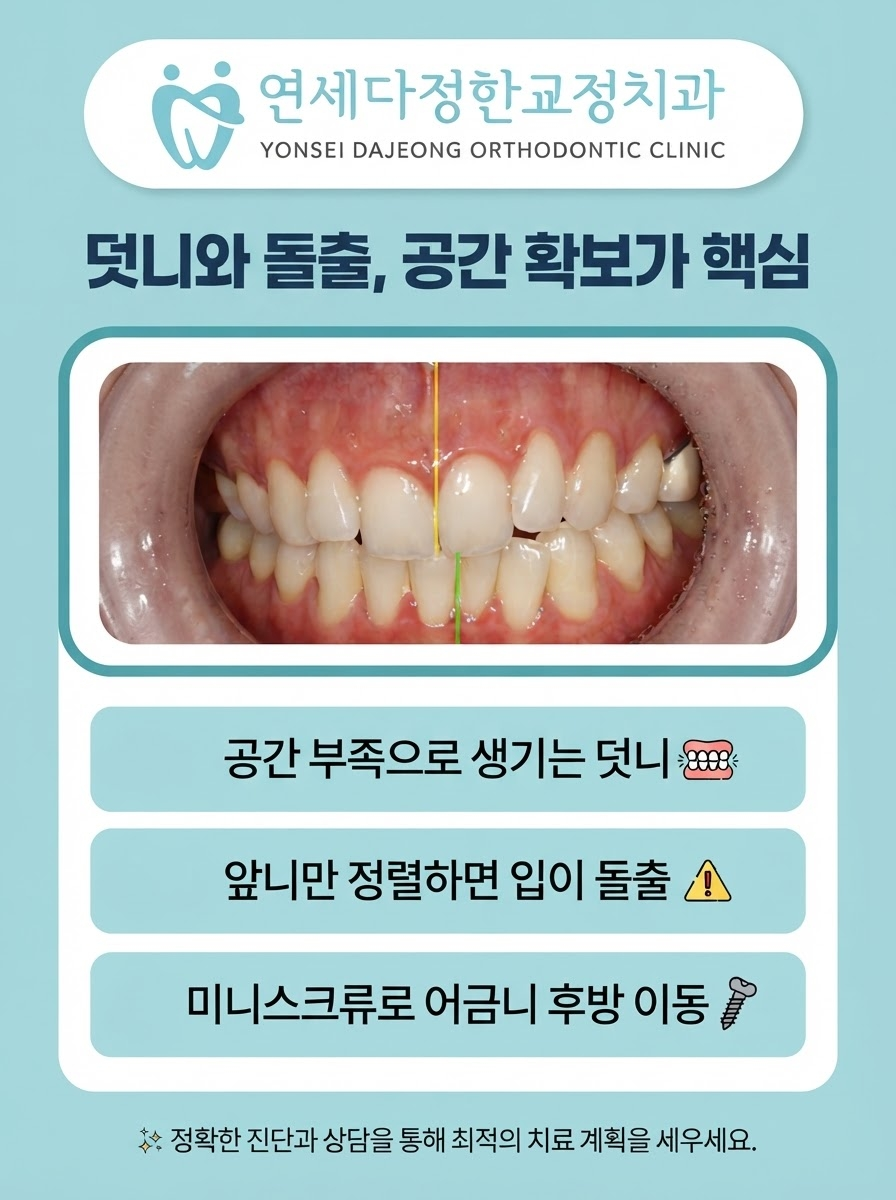
    Crowded teeth are usually caused by a lack of space for proper alignment,
    and if front teeth are straightened without first creating space, they can be pushed outward, making the mouth look more protruded.

    제기동 교정치과 추천 관련 이미지 7

    Depending on a patient’s teeth and bone structure, one option is using a mini-screw as an anchor to move the molars backward.
    As the molars move back first, space for the front teeth to align can open up naturally.

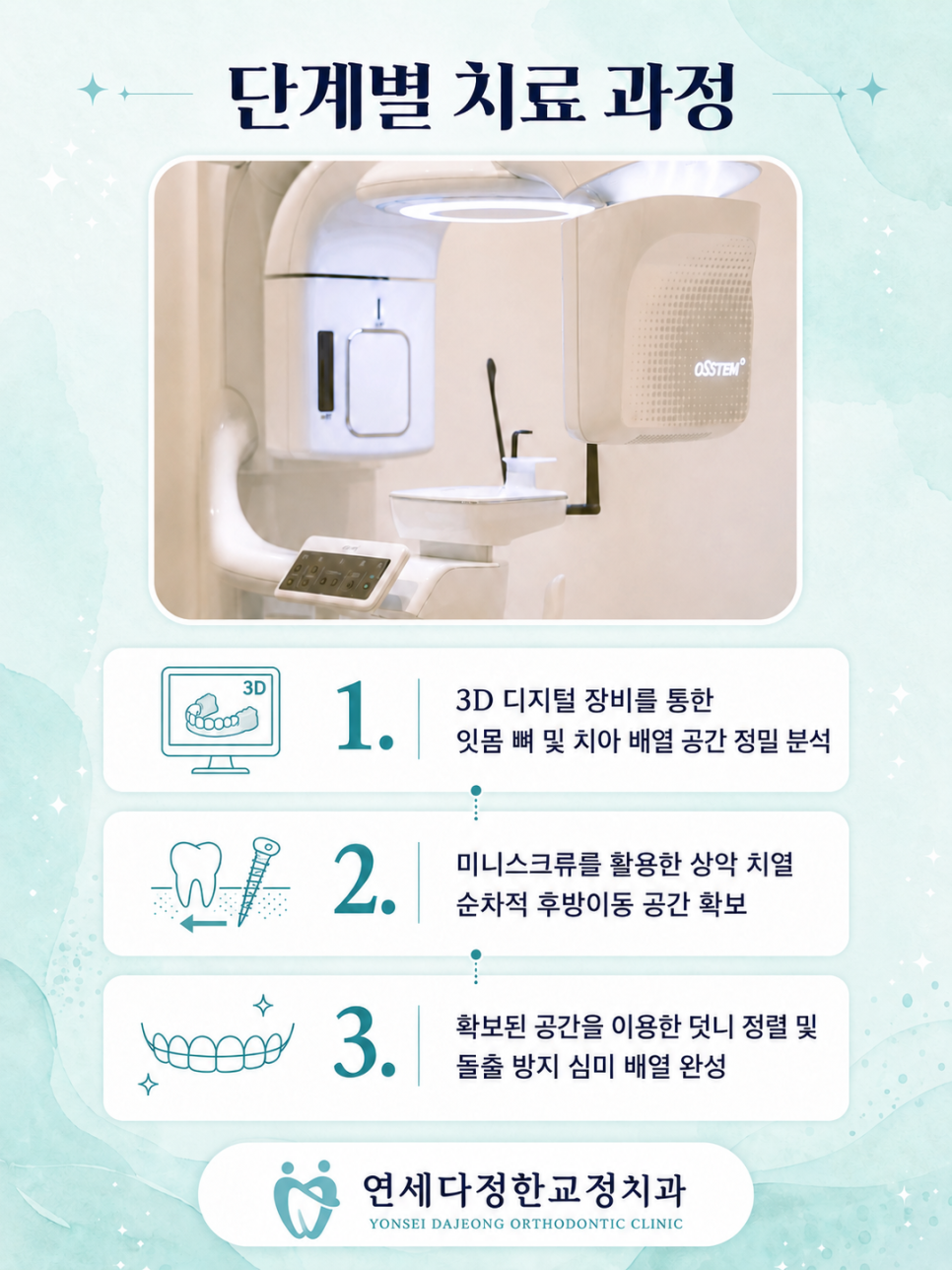
    Step-by-Step Treatment Process

    1. Precisely analyze the jawbone and available space for tooth alignment using 3D digital equipment.
    2. Use mini-screws to gradually move the upper dental arch backward to create space.
    3. Use the newly created space to help align crowded teeth and reduce protrusion, working toward a more balanced result.

    제기동 교정치과 추천 관련 이미지 8

    Checklist
    ✅ Was the jawbone and available alignment space analyzed with 3D digital equipment?
    ✅ Was space created through sequential mini-screw-assisted molar distalization?
    ✅ Was the resulting space used to align crowded teeth and reduce protrusion?

    Creating space by moving molars back first may help reduce unnecessary forward movement of the front teeth.

    That said, mini-screw distalization isn’t suitable for every crowded-teeth case,
    and whether it can be applied depends on each patient’s teeth and bone structure.


    What Diagnostic Criteria Account for Facial Balance?

    Orthodontic treatment isn’t just about straightening teeth.
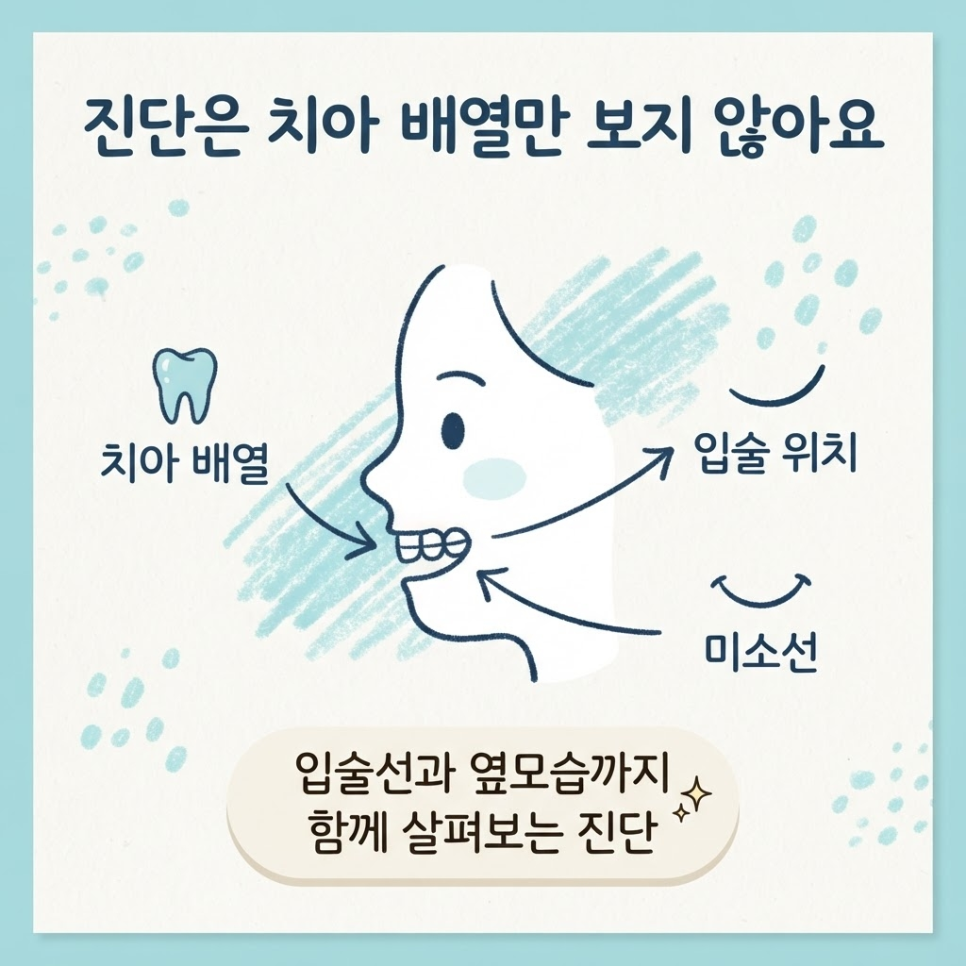
    Changes in tooth position can also affect the lip line and side profile.

    제기동 교정치과 추천 관련 이미지 9

    That’s why the initial diagnosis should look beyond tooth alignment and bite, to also assess lip position and smile line.

    Throughout treatment, clinicians continue to check whether any teeth are moving differently than planned and make fine adjustments with additional appliances as needed.

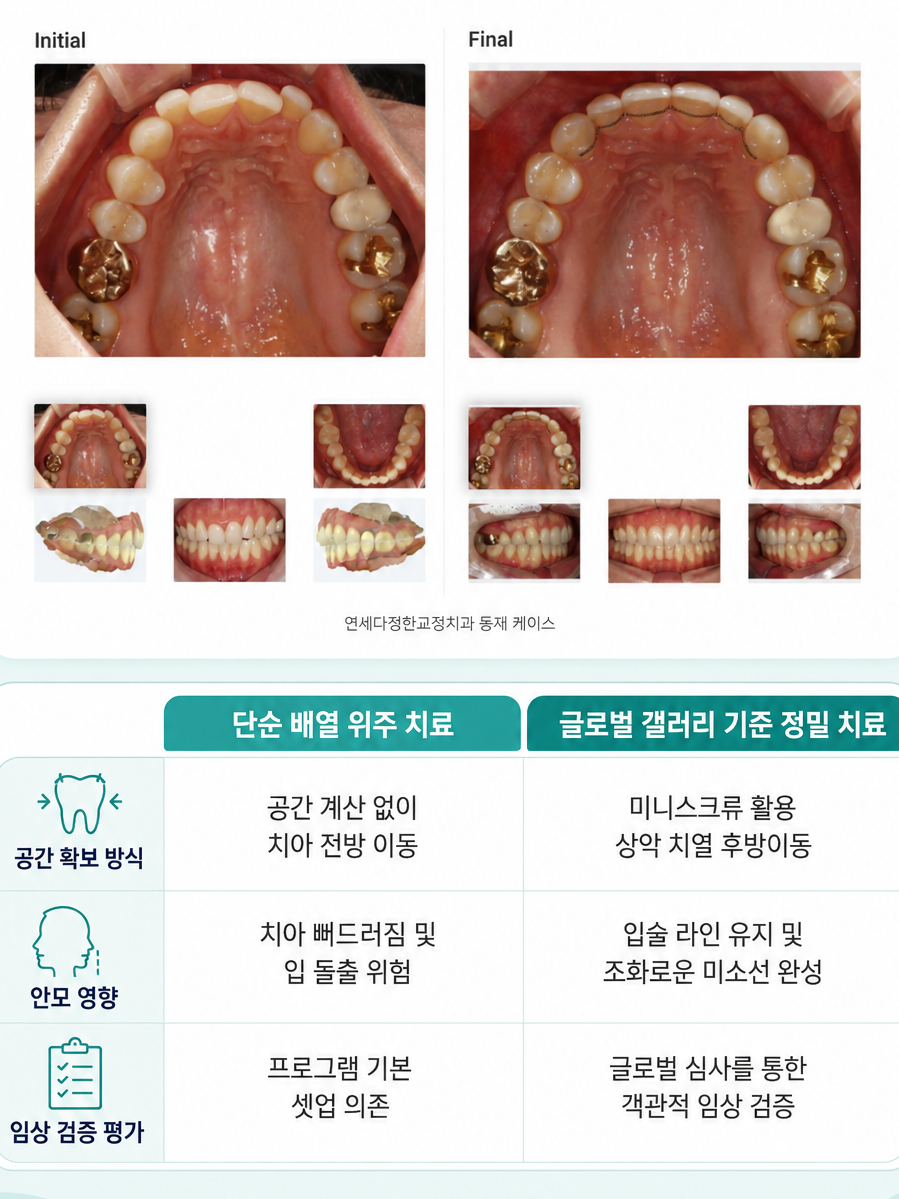
    Global Review Standards vs. Simple Alignment-Only Treatment

    제기동 교정치과 추천 관련 이미지 10

    Category Alignment-Only Treatment Global-Gallery-Standard Precision Treatment
    Space-Creation Method Moving teeth forward without space calculation Mini-screw-assisted distalization of the upper arch
    Facial Impact Risk of tooth protrusion and a more protruded mouth May help maintain lip line, aiming for a balanced smile line
    Clinical Validation Relies on default software setup Objective clinical validation through global review
    When treatment is planned with facial balance in mind,
    the goal is a result that considers tooth alignment together with lip line and smile-line harmony.

    Jegi-dong Orthodontist Recommendation: What Should You Check?

    The short answer: focus on how the treatment plan is managed, not just the brand name of the appliance.
    Rather than deciding based on the Invisalign brand alone,
    it’s more important to know whether the clinic continuously adjusts the plan from initial diagnosis through to final bite alignment.

    Comparing multiple treatment cases,
    the biggest gaps in outcome — even with the same appliance —
    tend to come from differences in how thoroughly the plan is checked and adjusted along the way.

    제기동 교정치과 추천 관련 이미지 12

    If you’d like to compare clinics using these criteria,
    you can review treatment cases and diagnostic approaches at Cheongnyangni Yonsei Dajeonghan Orthodontics.


    Frequently Asked Questions

    제기동 교정치과 추천 관련 이미지 11

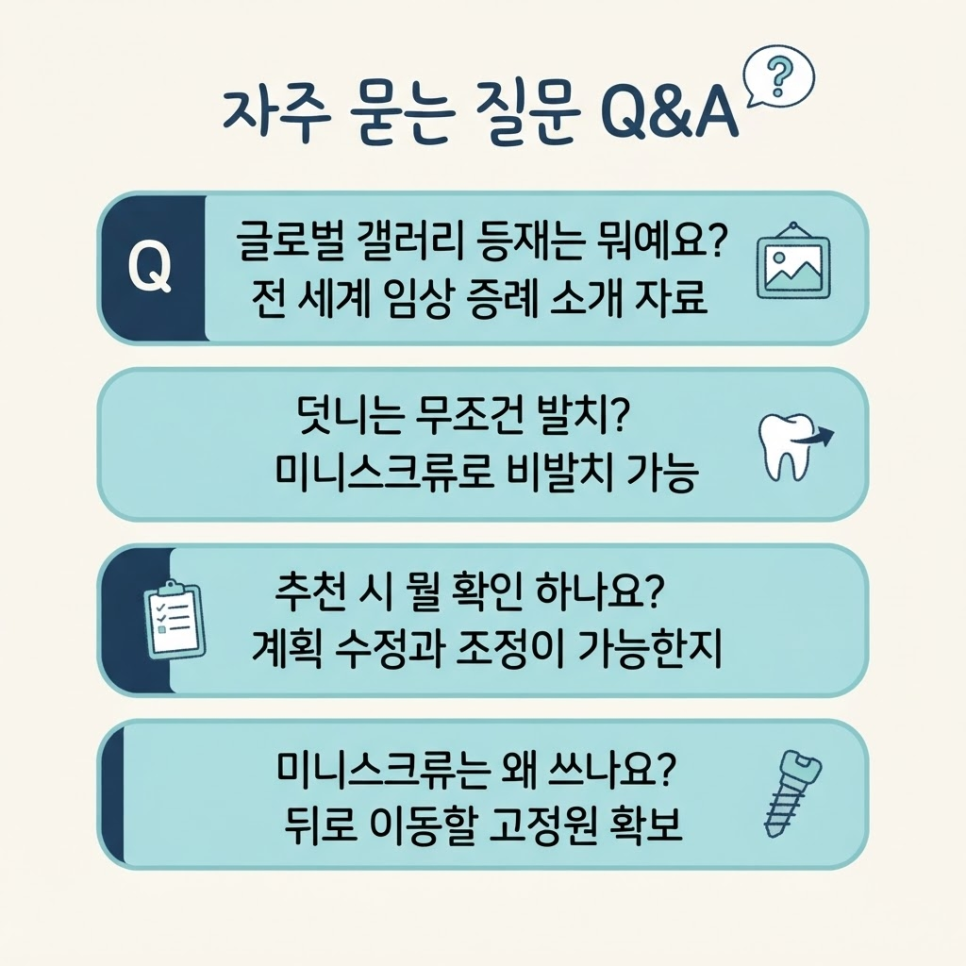
    1. What does it mean for a case to be featured in the Invisalign Global Gallery?
    It’s a showcase of clinical cases selected through review from Invisalign treatments worldwide. It can be used as one reference when researching treatment cases.

    2. Does correcting crowded teeth always require extraction?
    Not necessarily. Depending on a patient’s teeth and bone structure, non-extraction approaches — such as using mini-screws to move molars and create space — may be considered in some cases.

    3. What should I check when looking for a Jegi-dong orthodontist recommendation?
    Rather than comparing clear aligner brands alone, it’s worth checking whether the 3D simulation is adjusted to match the patient’s actual dental condition, and whether the plan can be modified as treatment progresses.

    4. Why are mini-screws used in clear aligner treatment?
    They’re used to provide the anchorage needed to move teeth. Depending on the patient’s condition, they may be selectively used to move molars backward or to adjust front teeth in a desired direction.


    References

    · Align Technology, \”Align Global Gallery,\” Align Technology Inc. View source
    · Oğuz F, Özden S, Cicek O, \”Distalization Methods for Maxillary Molars Utilizing Temporary Anchorage Devices (TADs): A Narrative Review,\” Applied Sciences, 2024. View source


    This article is intended for general health information purposes only and is not a substitute for individual diagnosis or treatment.
    If you have symptoms, please consult a specialist.
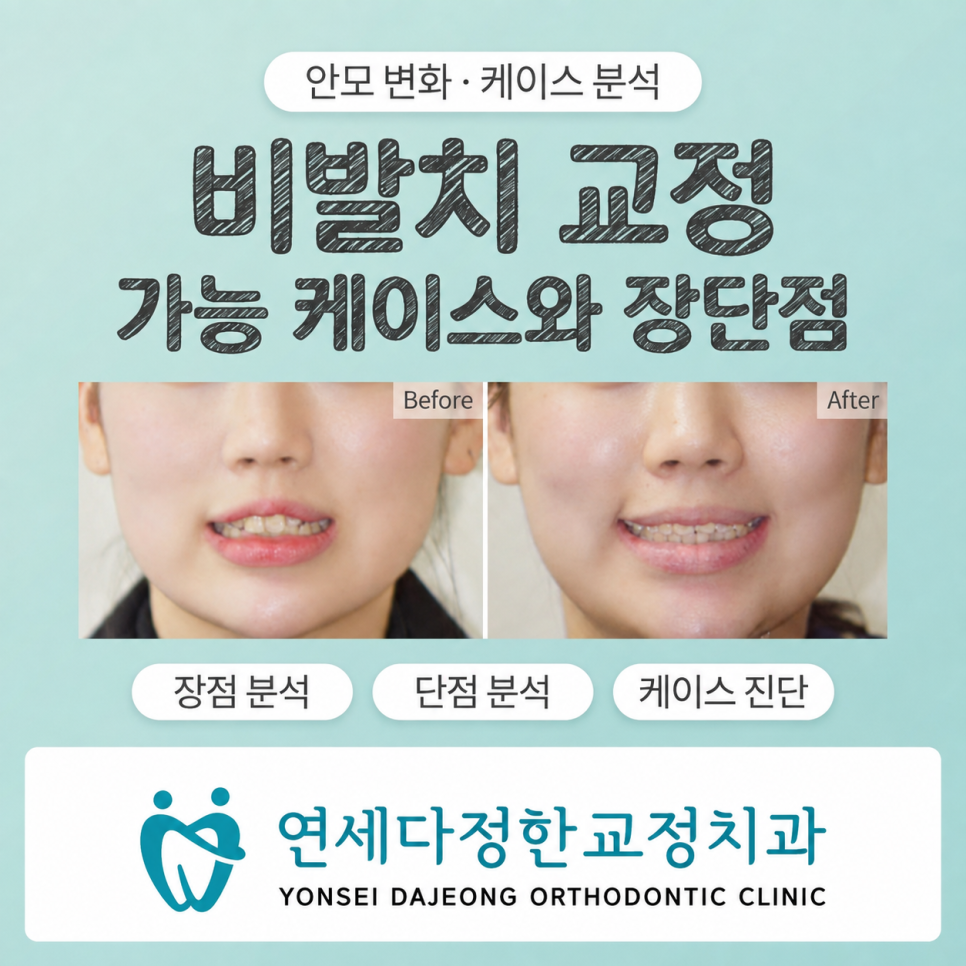
  • Non-Extraction Orthodontic Treatment: 4 Pros & Cons

    Non-Extraction Orthodontic Treatment: 4 Pros & Cons

    SummaryIf you’re wondering whether your case qualifies for non-extraction orthodontic treatment, this guide covers the principle of posterior tooth movement (distalization), the role of orthodontic mini-screws, real case examples, and the pros and cons — all in one place. We also explain the diagnostic criteria you should check before deciding on extraction.

    Some dental clinics recommend extraction,
    while others say non-extraction treatment is possible.

    When you get different diagnoses for the same teeth,
    it’s hard to know which one to trust.

    The truth is, whether non-extraction orthodontic treatment is possible
    isn’t really about how many teeth get pulled —
    it comes down to how much space can be created for the teeth to move.

    Let’s look at real case examples to see which cases qualify for non-extraction treatment
    and what the pros and cons are.

    Non-extraction orthodontic treatment

    This article walks through the principle of non-extraction treatment and how space is created,
    the process of moving the posterior teeth backward using orthodontic mini-screws (TADs),
    and the changes seen in real case examples — all in order.

    You’ll also find the criteria used to determine whether a case qualifies for non-extraction treatment.

    Non-extraction orthodontic treatment image 2

    Non-extraction orthodontic treatment image 3

    What Is Non-Extraction Orthodontic Treatment, and How Does It Create Space?

    Non-extraction orthodontic treatment image 4

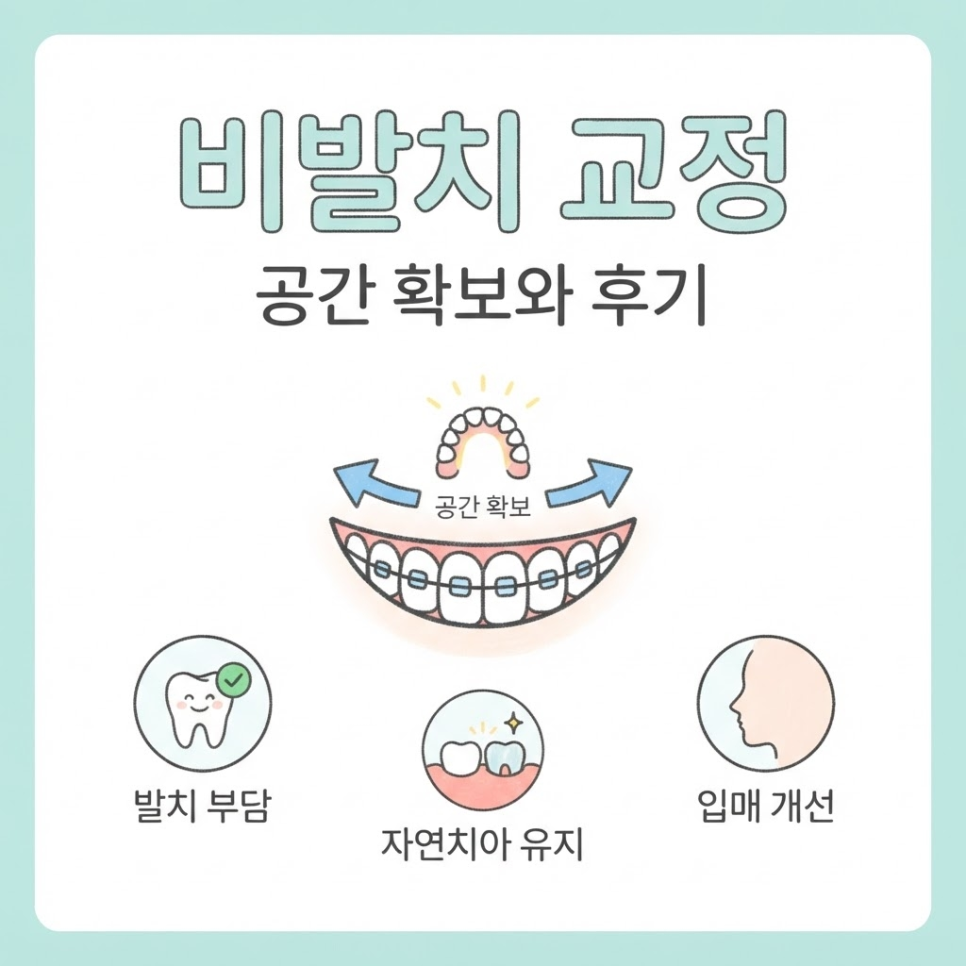
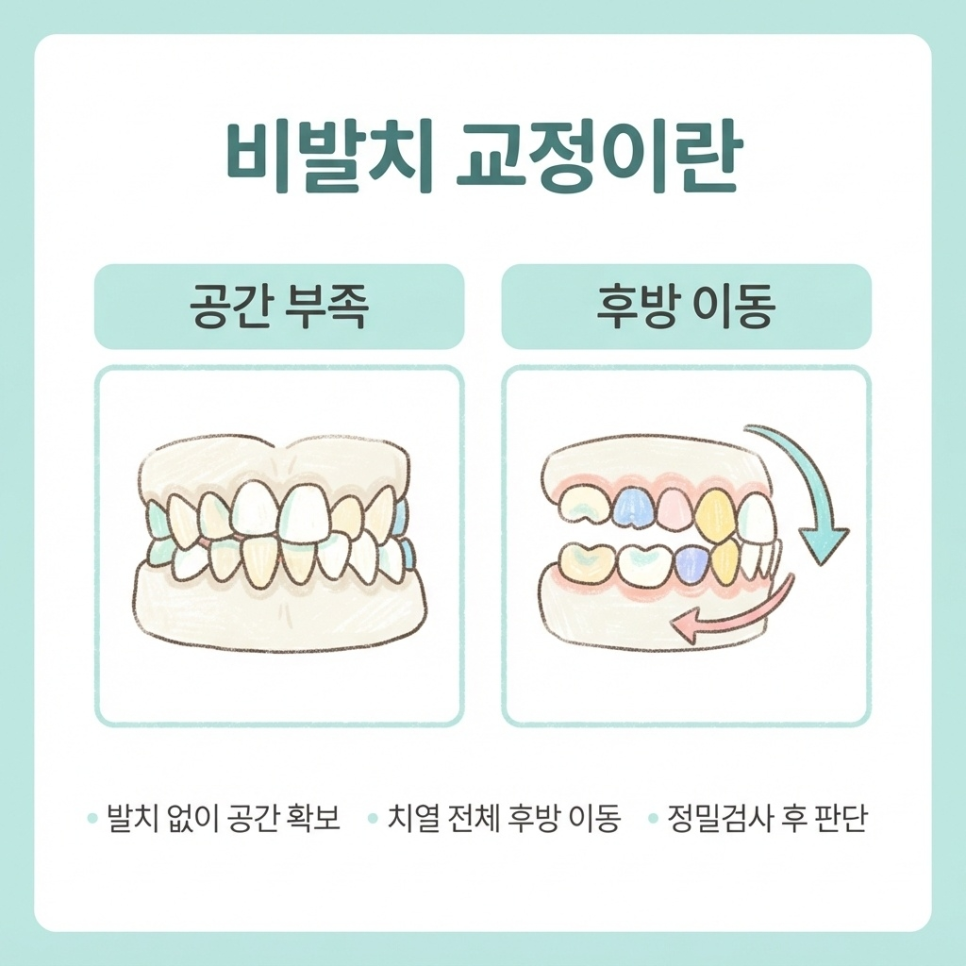
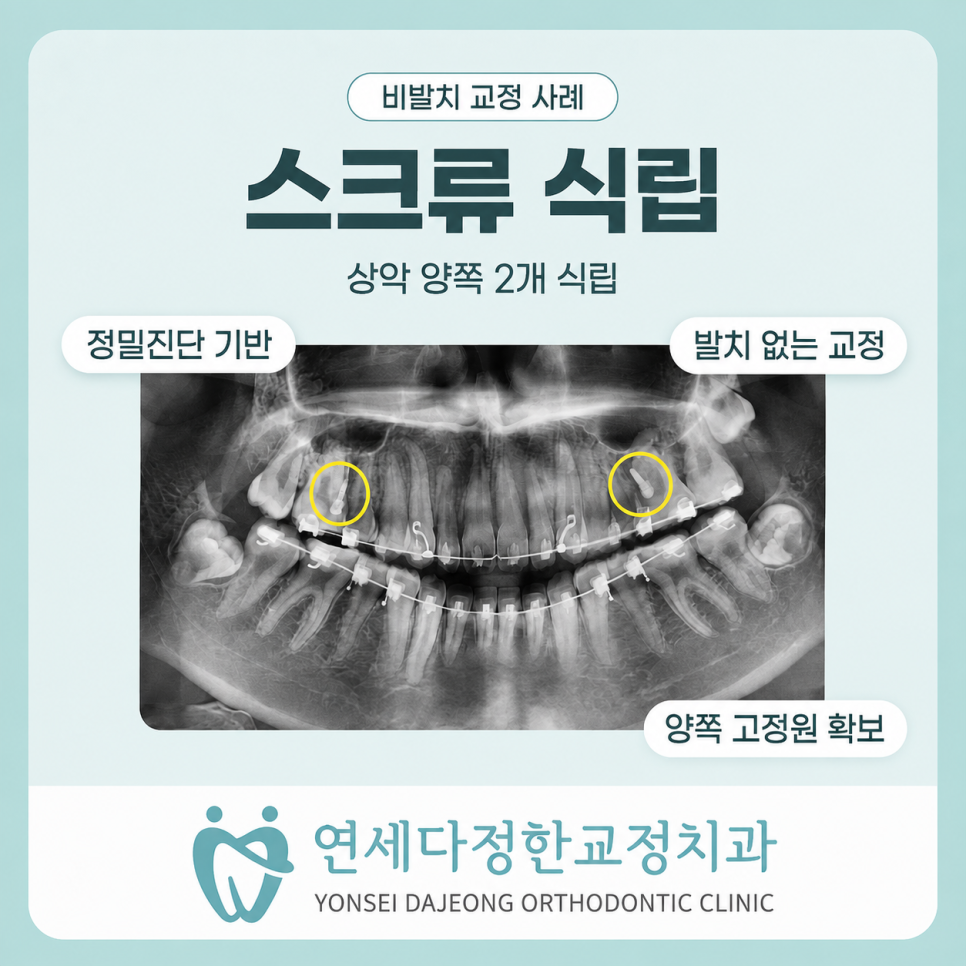
    Non-extraction orthodontic treatment is an approach that moves the entire dental arch to create the space needed, without removing any permanent teeth.

    To bring protruding front teeth inward, the teeth need room to move back into.
    If that space isn’t available and alignment is attempted anyway, the front teeth can actually tilt further forward.

    That’s why non-extraction treatment sometimes involves moving the entire arch backward to create space.

    That said, this approach doesn’t work for every case.
    Whether non-extraction treatment is suitable can only be determined after checking the condition of the teeth and jawbone, along with the degree of protrusion.

    Non-extraction orthodontic treatment image 5

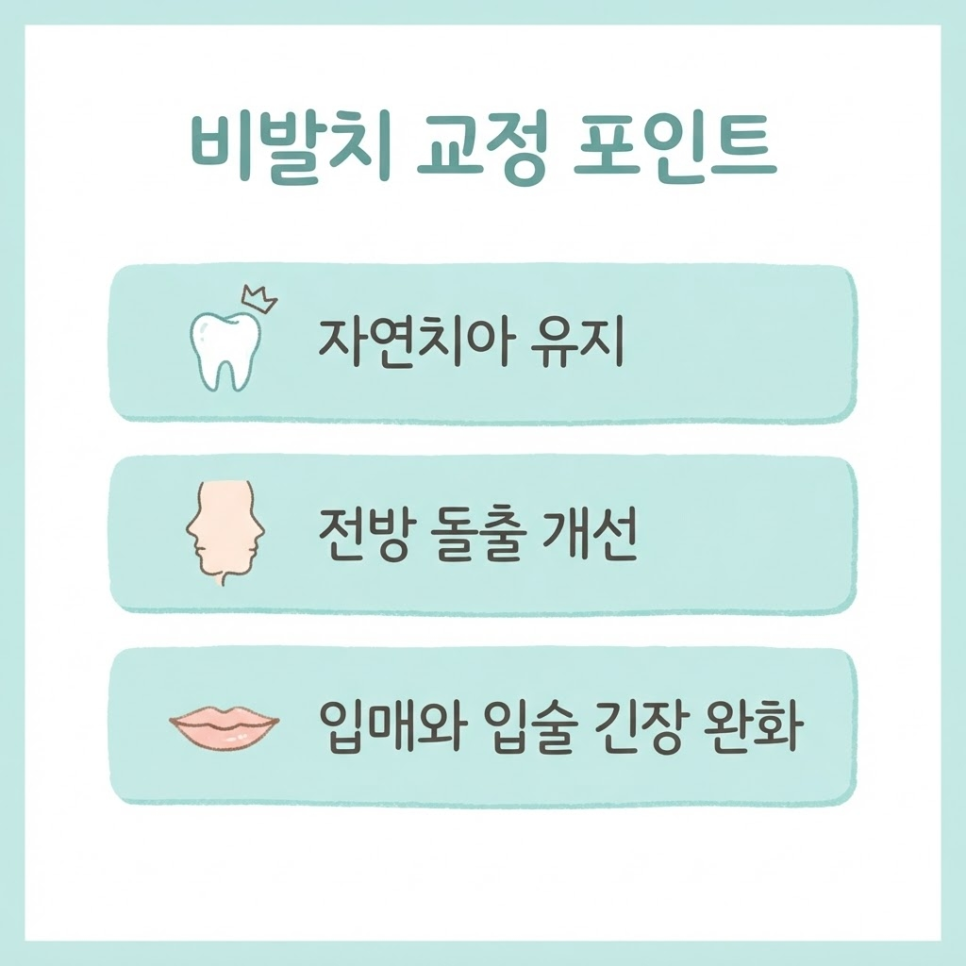
    Key Points
    ✔ Preserves natural teeth by avoiding extraction of permanent teeth
    ✔ Adjusts the angle of the front teeth by moving the arch backward
    ✔ The amount of possible movement depends on jawbone and tooth condition

    Non-extraction orthodontic treatment image 6

    As you can see, non-extraction treatment is a way to create space while preserving your natural teeth.

    Since the amount of possible movement varies from person to person, it’s important to have a detailed exam first to confirm whether it’s right for you.


    What Role Do Orthodontic Mini-Screws Play in Non-Extraction Treatment?

    Non-extraction orthodontic treatment image 7

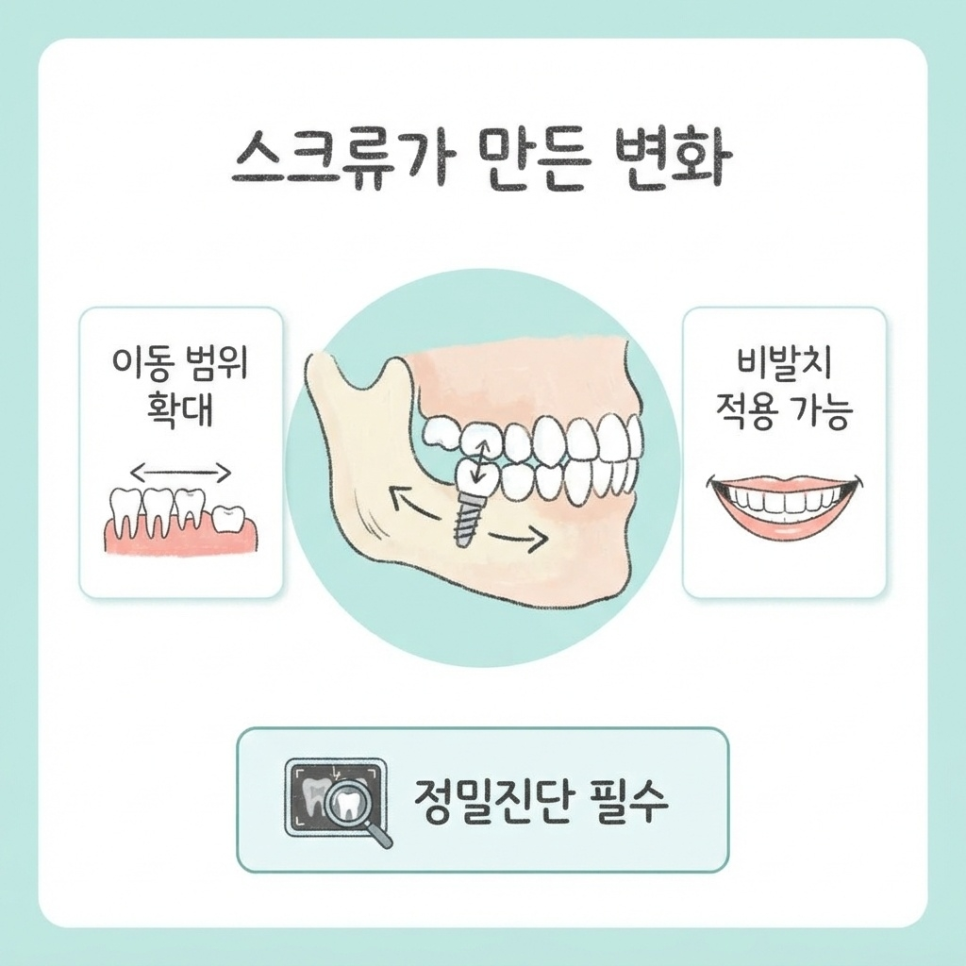
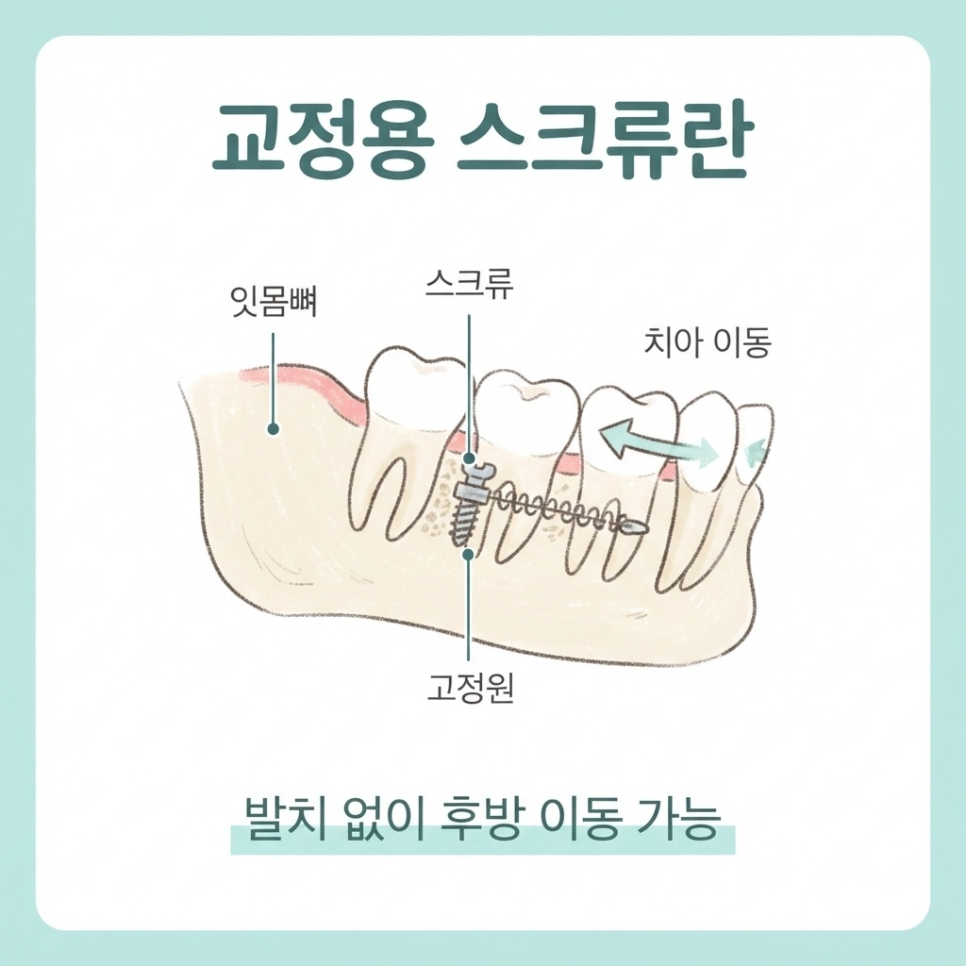
    To put it simply, orthodontic mini-screws serve as an anchorage point for tooth movement.

    An orthodontic mini-screw is a small temporary device placed in the jawbone to move teeth in a specific direction.

    When teeth are moved backward, other teeth can sometimes shift along as a reaction.
    A mini-screw acts like an anchor post, which can help reduce this side effect while guiding the arch in the intended direction.

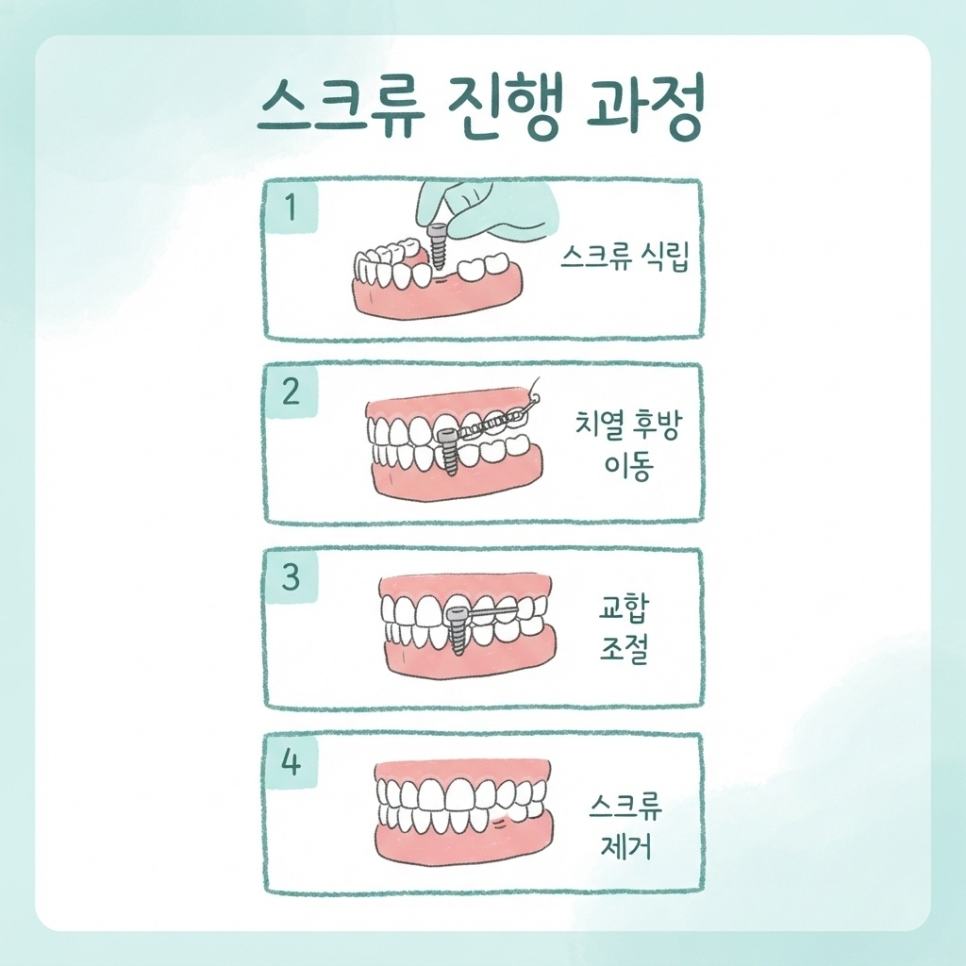
    1. A small screw is placed in the jawbone
    2. Using the screw as an anchor, the arch is gradually moved backward
    3. The degree of front-tooth protrusion and the bite are adjusted
    4. The screw is removed once treatment is complete

    Non-extraction orthodontic treatment image 8

    Key Points
    ✔ Orthodontic mini-screws serve as an anchor for tooth movement
    ✔ They’re placed under local anesthesia, so discomfort during the procedure is typically minimal
    ✔ They are temporary devices removed once treatment is finished

    As tooth-movement techniques have expanded, the range of cases where non-extraction treatment can be considered has grown wider than before.

    Research both in Korea and internationally has reported that posterior tooth movement using orthodontic mini-screws (TADs) can widen the range of cases treatable without extraction.

    That said, whether a mini-screw can be used depends on the condition of the teeth and jawbone, so a detailed diagnosis is essential.

    Non-extraction orthodontic treatment image 9


    How Do Dentists Determine If You’re a Candidate for Non-Extraction Treatment?

    Non-extraction orthodontic treatment image 10

    In short, whether non-extraction treatment is possible can only be determined by using detailed diagnostics to check the degree of tooth protrusion and the amount of space available for posterior movement.

    To make this easier to understand, let’s look at a typical example.
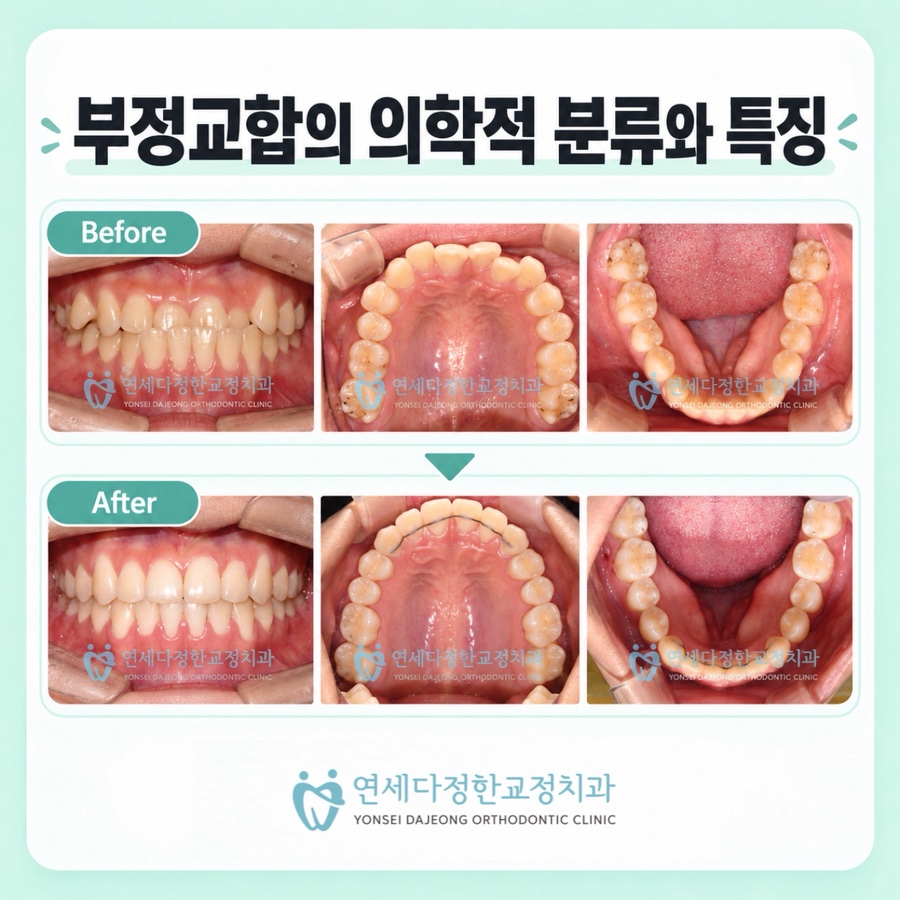
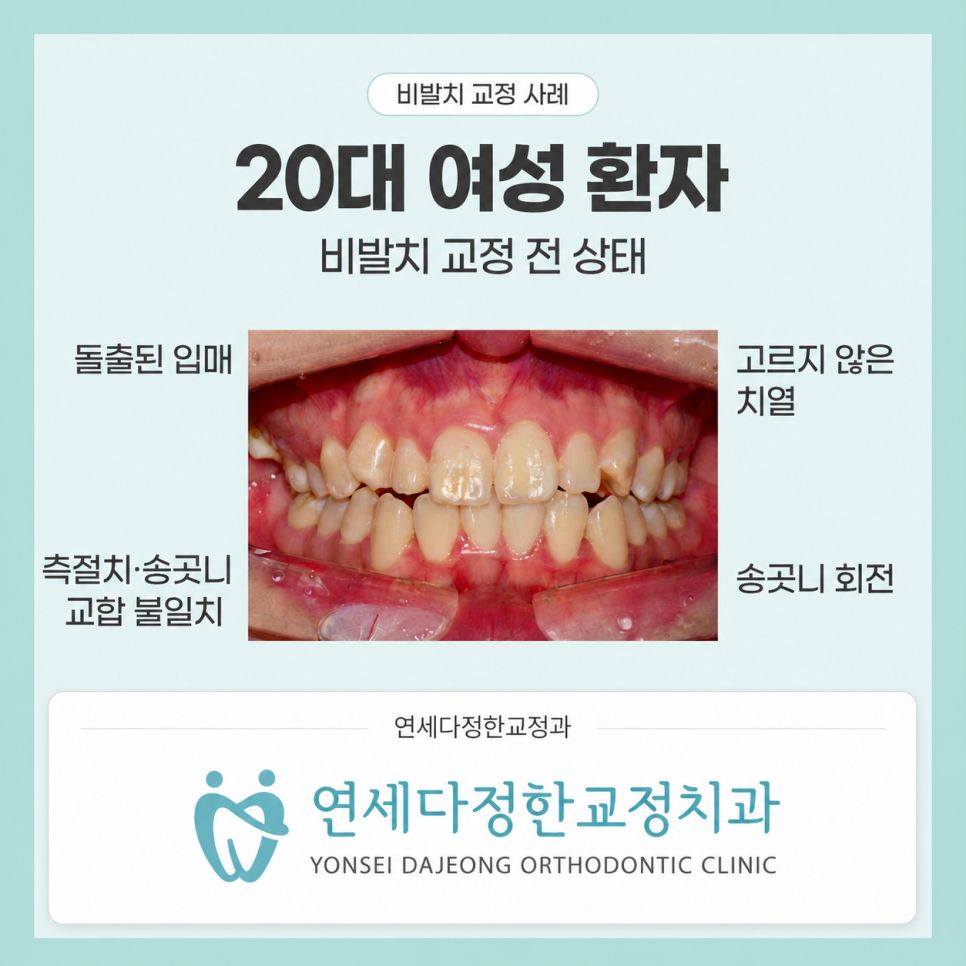
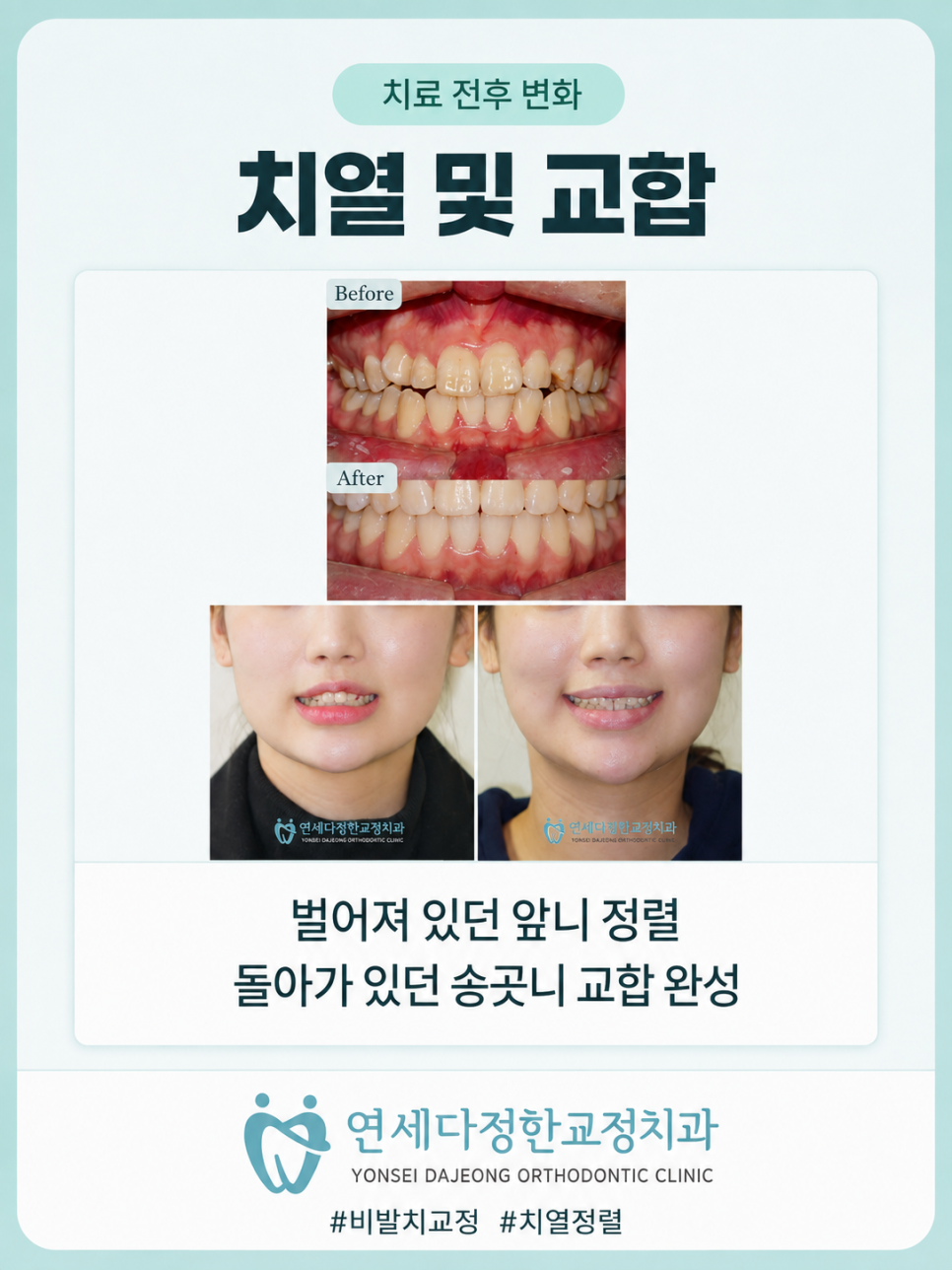
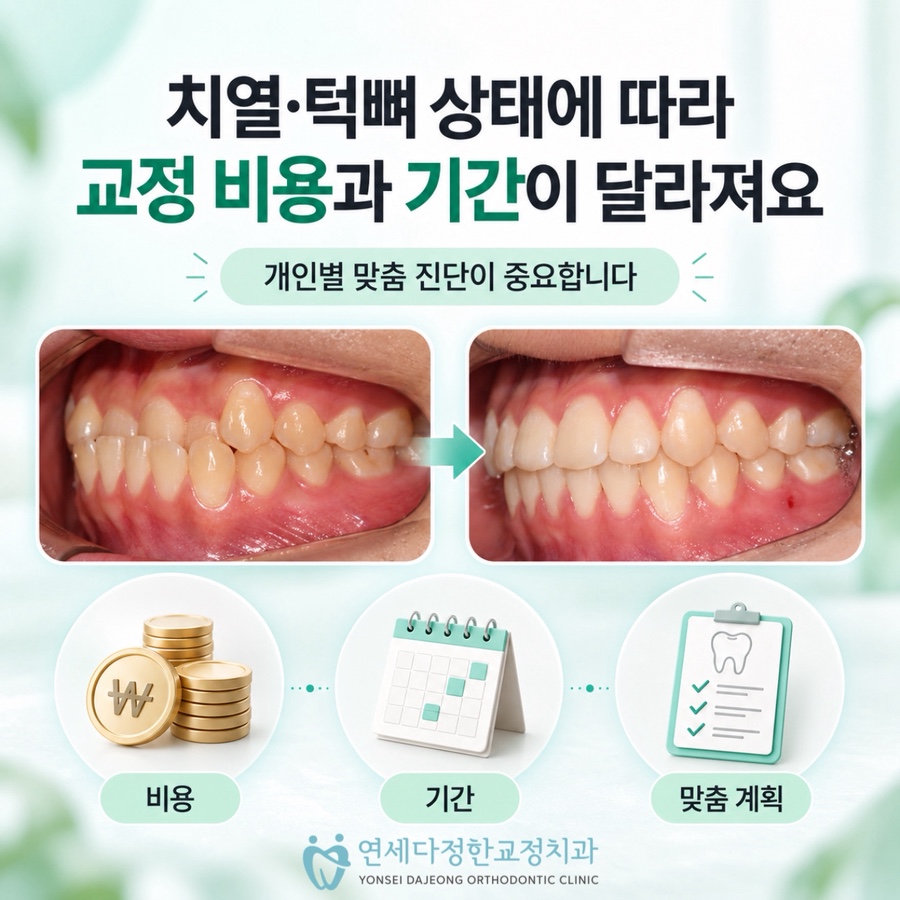
    In cases where a protruding mouth and uneven teeth are the concern, the lateral incisors and canines may not bite together properly, and the canines may also be significantly rotated.

    Some patients also notice tension around the lips when closing the mouth, which can make the mouth area look somewhat strained.

    In cases like this, if the patient prefers to avoid extraction, one option after a detailed diagnosis is to place mini-screws on both sides of the upper jaw and proceed with non-extraction treatment.

    Non-extraction orthodontic treatment image 11

    Category Expected Change
    Tooth Alignment & Bite Gaps between the front teeth and a misaligned canine bite may be corrected
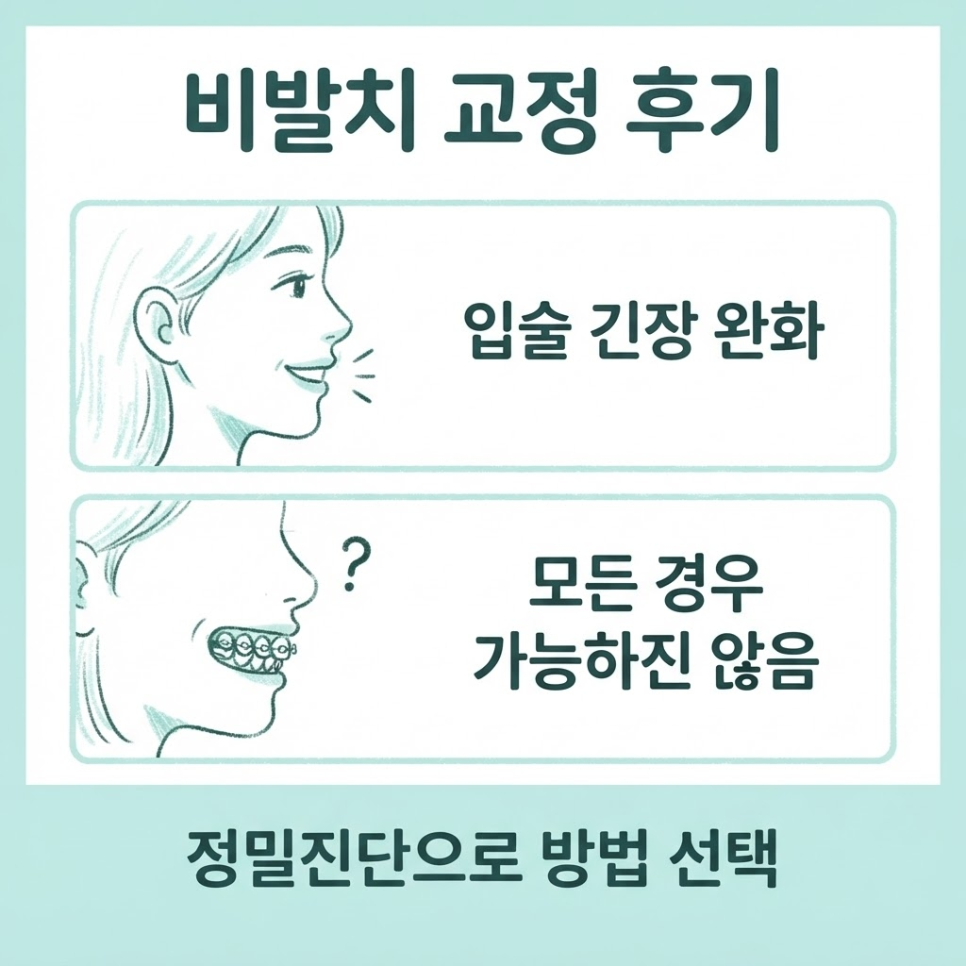
    Facial Profile Lip tension may ease, supporting a more natural side profile
    Smile As the protruding upper front teeth move inward, a change in the smile line may be expected

    Non-extraction orthodontic treatment image 12

    Cases have been reported where non-extraction treatment reduces lip tension and results in a more natural-looking mouth area.
    However, treatment outcomes can vary depending on each individual’s tooth and jawbone condition.
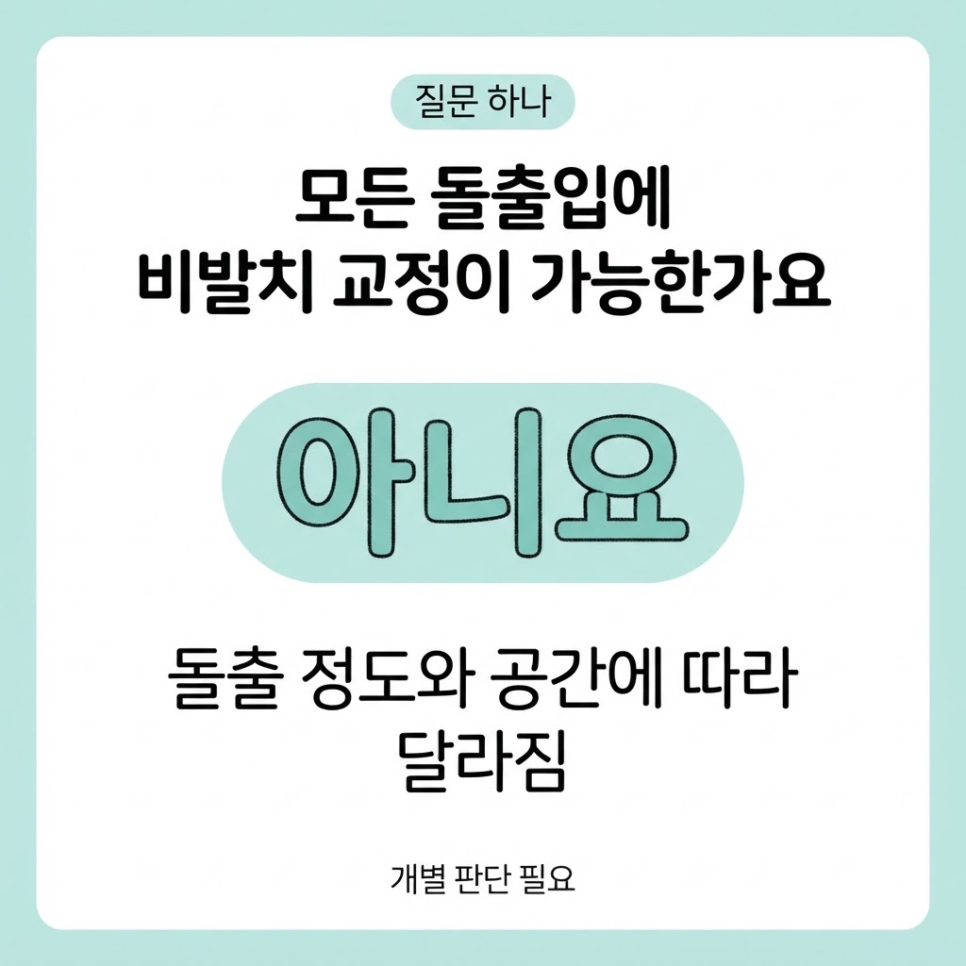
    ⚠ Non-extraction treatment isn’t possible in every case.
    If the protrusion is severe or there isn’t enough space for the teeth to move, extraction-based treatment may be more suitable — the treatment direction should be decided only after evaluating tooth and lip position as well as skeletal structure.

    Non-extraction orthodontic treatment image 13


    What Are the Pros and Cons of Non-Extraction Orthodontic Treatment?

    In short, non-extraction treatment has the advantage of preserving natural teeth, but it also has the limitation of not being suitable for everyone.

    Here’s a summary in table form.

    Pros Cons
    Preserves natural teeth without extracting permanent teeth May not be suitable if protrusion is severe
    May reduce the risk of damage to tooth roots and gums May require additional procedures, such as mini-screw placement
    May result in a relatively natural-looking tooth alignment The extent of movement and treatment duration vary by individual
    May ease the psychological concern of having teeth extracted Suitability can’t be confirmed without a detailed diagnosis
    Checklist
    ✅ Have you had a detailed exam to check the degree of protrusion and available space for posterior movement?
    ✅ Has your jawbone condition and eligibility for mini-screw placement been checked?
    ✅ Have you been given a comparison of the pros and cons of non-extraction versus extraction treatment?
    ✅ Have you been informed of the expected treatment duration and process?

    Choosing an orthodontic method isn’t really about whether teeth are extracted or not — the key is finding the approach that fits your specific dental condition.

    If you’re wondering whether your case qualifies for non-extraction treatment, we recommend getting a detailed diagnostic exam to find out.
    If you’d like a consultation, you can find more information at Cheongnyangni Yonsei Dajeonghan Orthodontic Clinic.


    Frequently Asked Questions

    1. Is non-extraction treatment possible for every case of a protruding mouth?
    No. It depends on the degree of protrusion and the space available for posterior movement, and in some cases extraction-based treatment may be more appropriate.

    Non-extraction orthodontic treatment image 14

    2. Does it hurt a lot to place an orthodontic mini-screw?
    The procedure is done under local anesthesia, so pain during placement is typically minimal, though some temporary discomfort may follow afterward.

    Non-extraction orthodontic treatment image 15

    3. Doesn’t non-extraction treatment make the front teeth stick out more?
    When adequate space is created for alignment during treatment, excessive forward tilting of the front teeth can be reduced.

    Non-extraction orthodontic treatment image 16

    4. How long does non-extraction treatment take?
    This varies depending on tooth condition and the amount of movement needed, so it’s best to confirm the expected timeline after a detailed diagnosis.

    Non-extraction orthodontic treatment image 17

    Non-extraction orthodontic treatment image 18


    References

    · Turkish Journal of Orthodontics, “Efficient Distalization of Maxillary Molars with Temporary Anchorage Devices for the Treatment of Class II Malocclusion,” 2020. View source
    · Dental News (Korean Dental Association), “Non-Extraction Orthodontic Treatment Strategies Using Clear Aligners (3) – Posterior Tooth Movement Using Mini-Screws,” 2024. View source
    · Dental Hygienist News (Korean Dental Hygienists Association), “[Orthodontic Column] The Game Changer in Orthodontic Treatment: Orthodontic Mini-Screws,” 2020. View source

    This article is intended to provide general health information and is not a substitute for individual diagnosis or treatment. If you have symptoms, please consult a specialist.

  • Retroclined Teeth: 3 Ways to Help Prevent Relapse After Braces

    Retroclined Teeth: 3 Ways to Help Prevent Relapse After Braces

    SummaryDoes it bother you every time you look in the mirror and notice your front teeth curling inward? This guide covers what retroclined teeth are, why they happen, when correction may be needed, how the treatment process works, and how to care for your retainer to help prevent relapse after treatment.
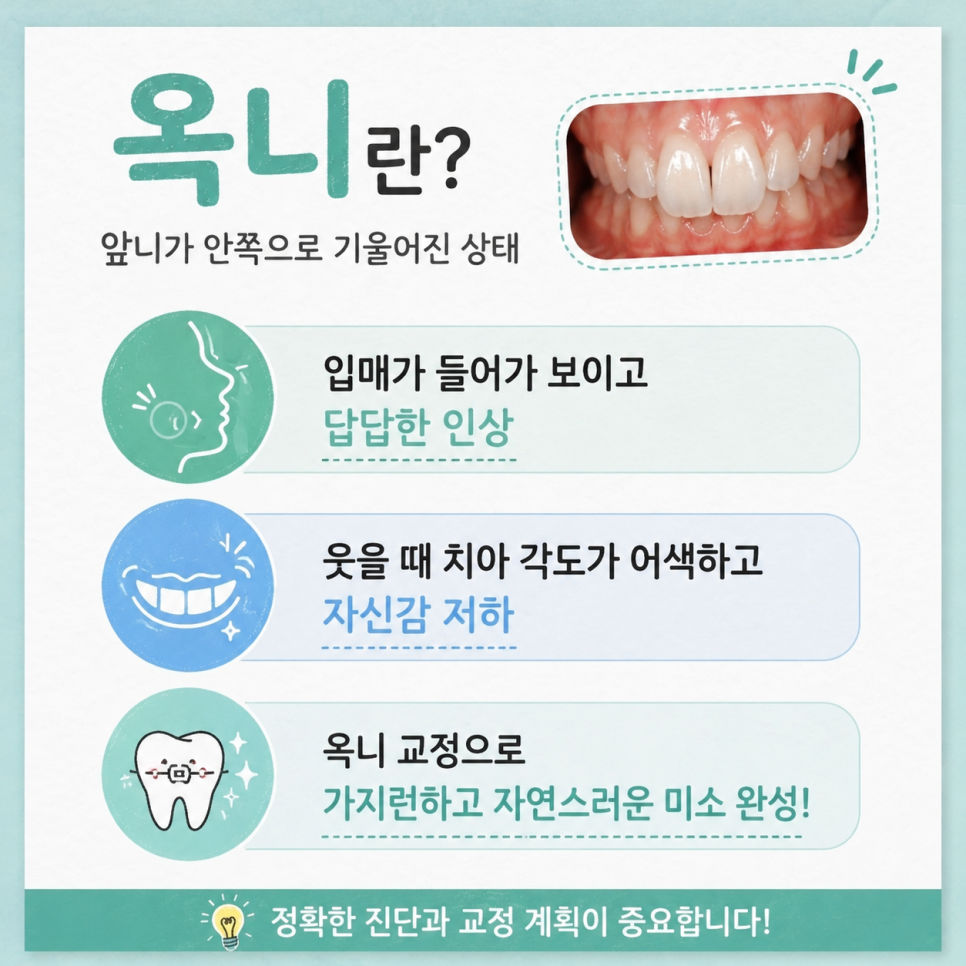
    Do your front teeth look like they curl inward when you smile?

    If your mouth looks slightly sunken in the mirror and the angle of your teeth seems off, retroclined teeth could be the reason.
    What exactly are retroclined teeth, and why does this kind of tooth alignment happen in the first place?

    And why do some people notice their front teeth tilting inward again even after finishing orthodontic correction for retroclined teeth?

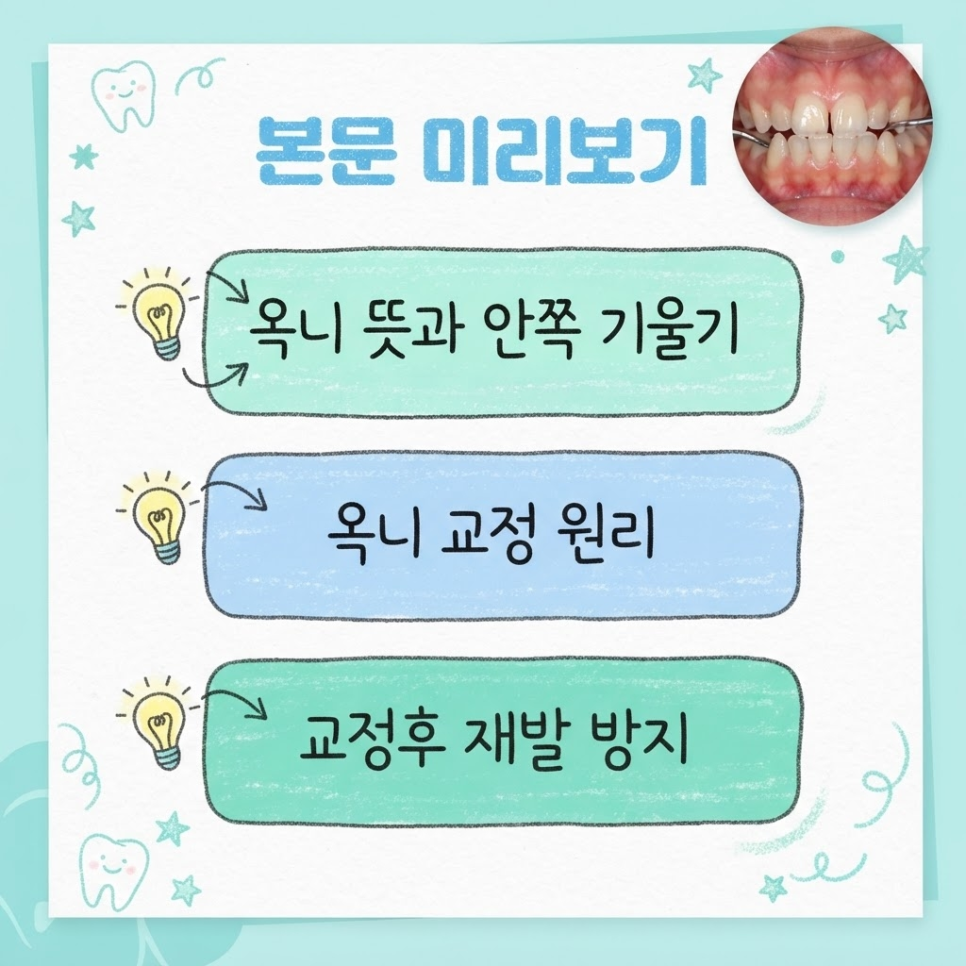
    💡 Quick preview
    Retroclined teeth are teeth angled further inward than a normal bite. Here’s what causes this and how it develops.
    You’ll also find the signs that suggest correction may be needed, what the treatment process actually looks like, and how proper retainer care can help prevent teeth from tilting inward again after treatment.

    retroclined teeth correction

    retroclined teeth correction image 2

    retroclined teeth correction image 3

    retroclined teeth correction image 4

    What exactly are retroclined teeth, and why do they happen?

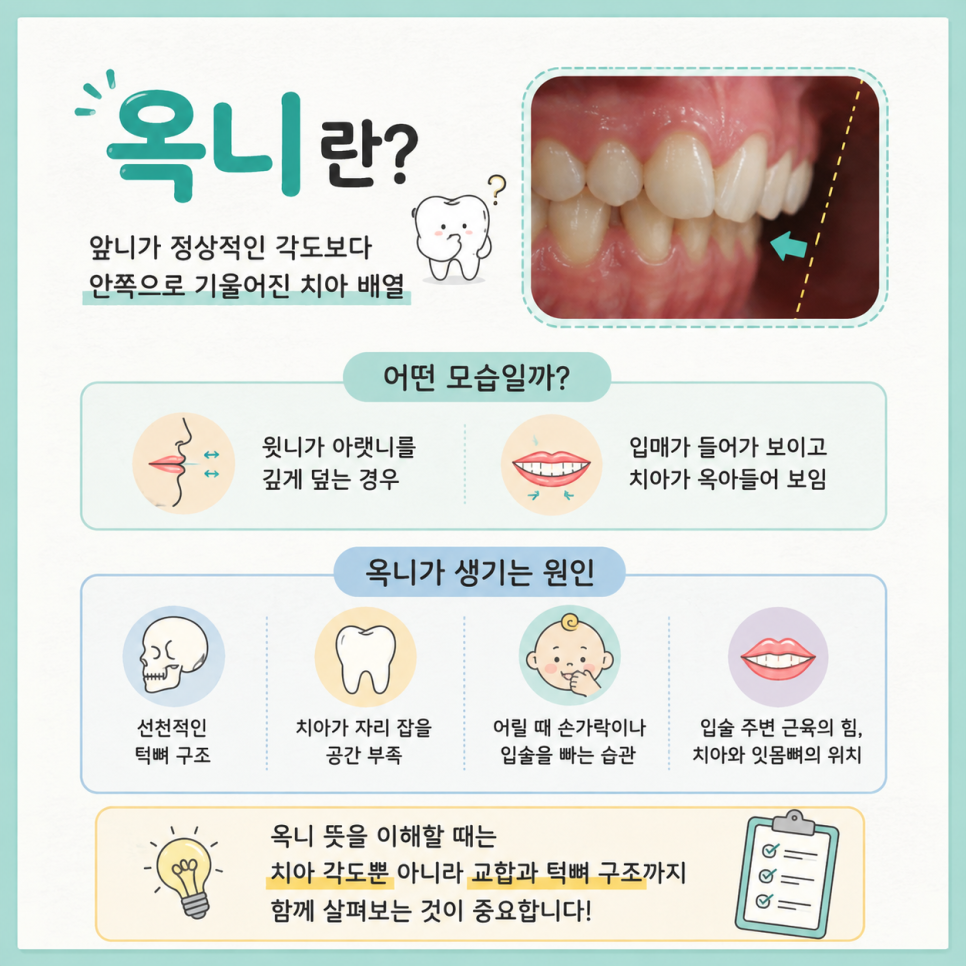
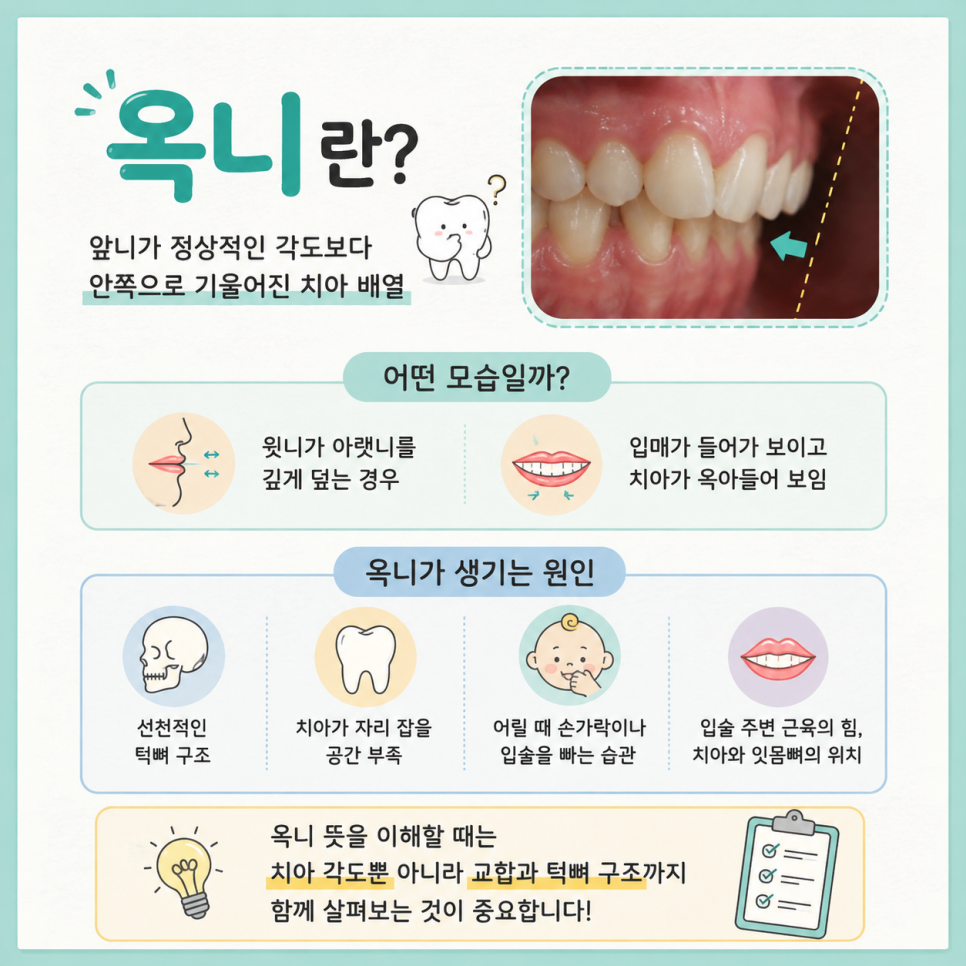
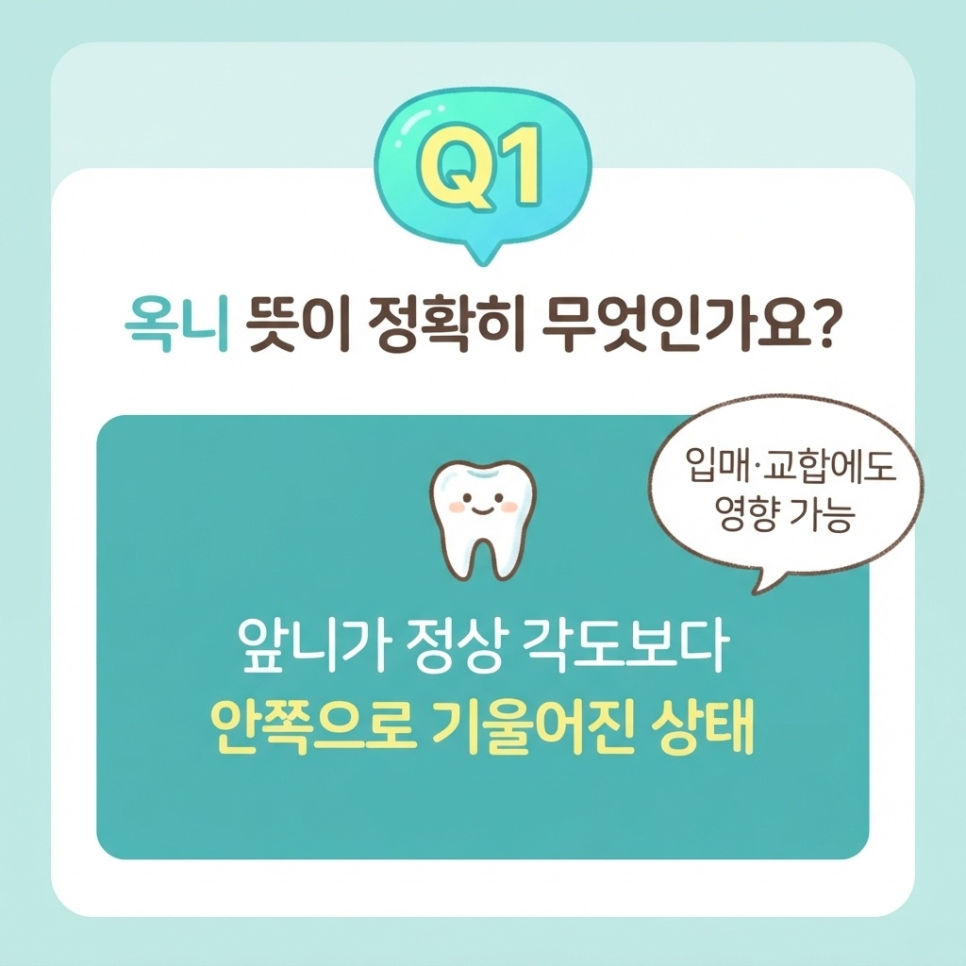
    Put simply, retroclined teeth are front teeth angled further into the mouth than a normal bite position.

    This can include cases where the upper teeth deeply overlap the lower teeth, or where the whole set of teeth appears tucked inward.

    The causes vary.
    Genetic jaw structure, limited space for teeth to settle into, and childhood habits like thumb-sucking or lip-sucking can all play a role.

    The strength of the muscles around the lips, along with the position of the teeth and jawbone, can also influence how far the front teeth tilt inward.

    So to really understand what retroclined teeth are, you need to look beyond just the angle of the teeth — the bite and jaw structure matter too.

    retroclined teeth correction image 5

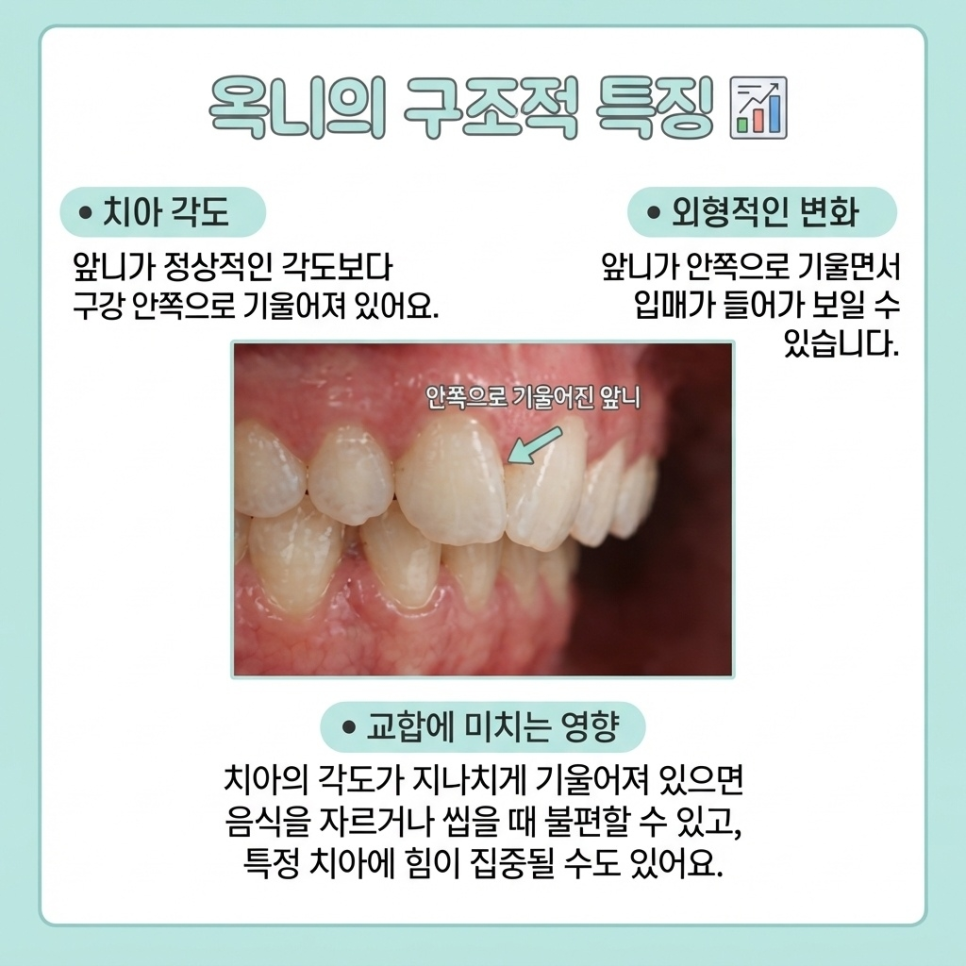
    📊 Key points — structural traits of retroclined teeth
    • Tooth angle: Front teeth tilt further into the mouth than a normal angle.
    • Appearance: The mouth area can look sunken, which may create a closed-off expression.
    • Bite impact: Force can concentrate on certain teeth when biting or chewing.

    retroclined teeth correction image 6


    How do you know if you need correction for retroclined teeth?

    Correction for retroclined teeth is a treatment that repositions inward-angled teeth to a healthier angle, improving both alignment and bite.

    When the front teeth are noticeably tilted inward, the mouth area can look sunken and create a closed-off appearance.

    A poor bite can also mean force concentrates on certain teeth while chewing, sometimes causing discomfort.

    That’s why treatment planning for retroclined teeth should take into account not just tooth angle, but bite alignment and overall facial profile as well.

    retroclined teeth correction image 7

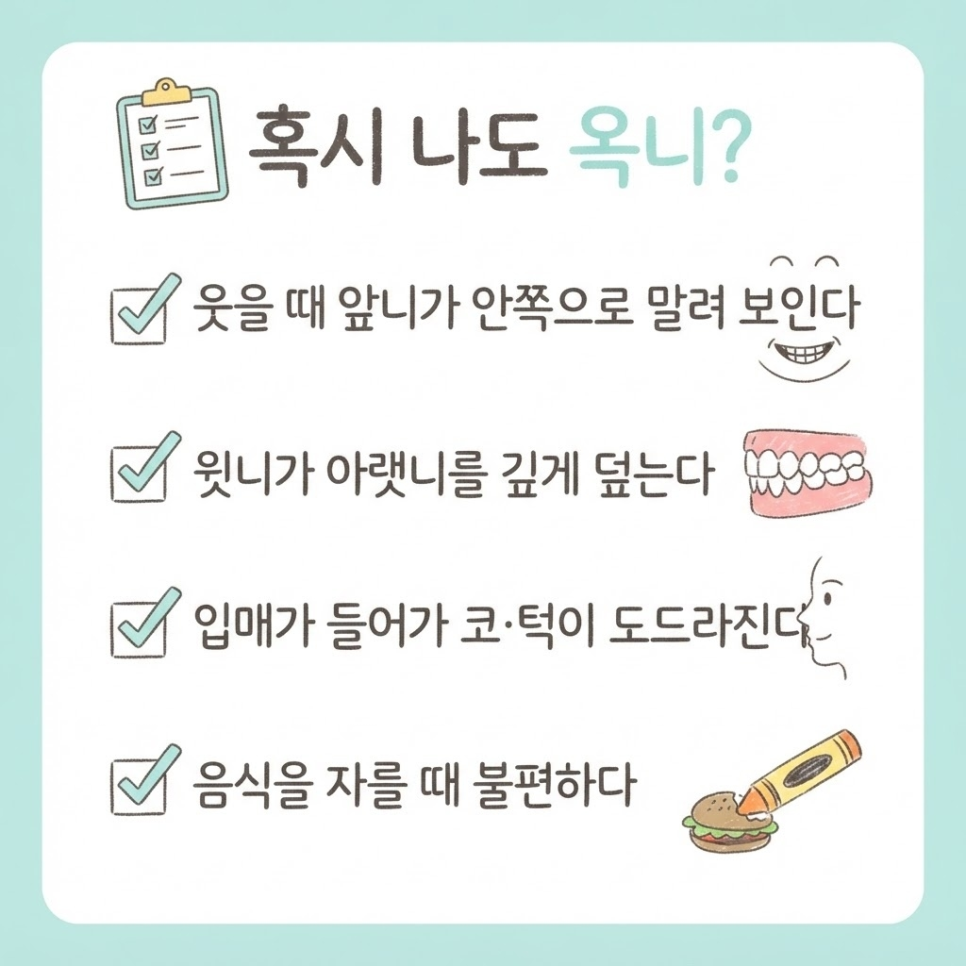
    📋 Checklist — could you have retroclined teeth?
    ✅ Your front teeth look like they curl inward when you smile
    ✅ Your upper teeth deeply overlap your lower teeth, so the lower front teeth are barely visible
    ✅ Your mouth area looks sunken overall, making your nose or chin look more prominent
    ✅ Biting into food with your front teeth feels awkward or uncomfortable

    retroclined teeth correction image 8


    How does treatment for retroclined teeth work?

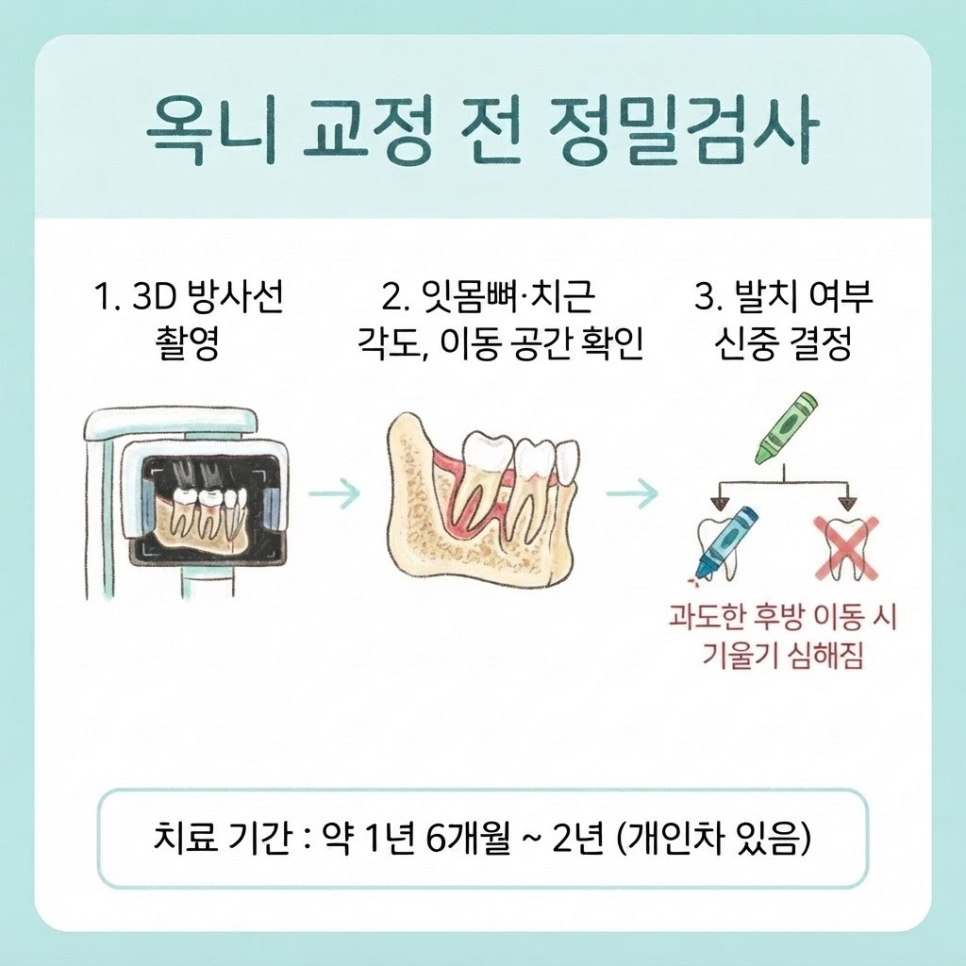
    Before treatment begins, 3D imaging is typically used to precisely check the position of the teeth and tooth roots.

    After reviewing jawbone condition, root angle, and available space for tooth movement, an individualized treatment plan is developed.

    With retroclined teeth in particular, the decision on whether to extract teeth needs careful consideration.
    Moving the front teeth too far back can actually make the inward tilt more pronounced.

    That’s why treatment for retroclined teeth focuses on adjusting the angle of both the tooth crown and root together.

    retroclined teeth correction image 9

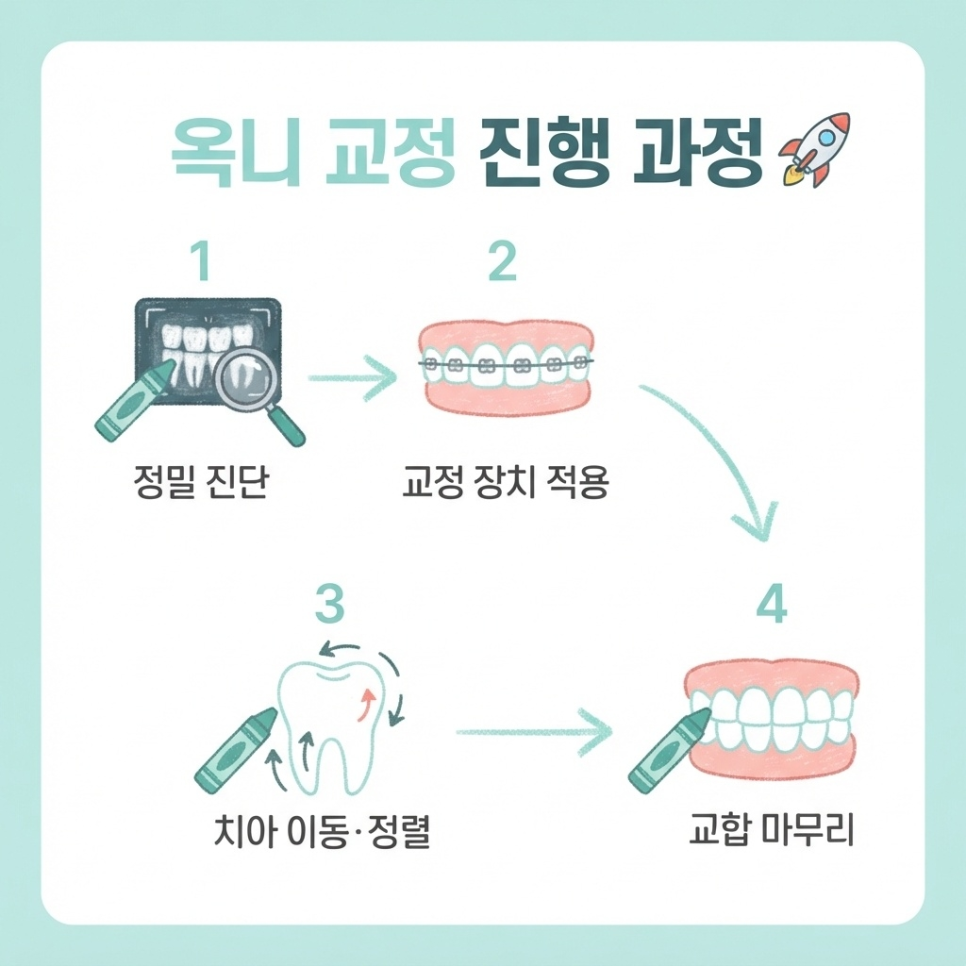
    🚀 Treatment stages for retroclined teeth
    1. Detailed diagnosis: Assess tooth and root angle, jawbone structure, and bite condition.
    2. Appliance placement: Fit an appliance suited to your case to begin adjusting the inward angle.
    3. Tooth movement and alignment: Gradually reposition the teeth, considering both crown and root together.
    4. Bite refinement: Fine-tune how the upper and lower teeth come together for a stable bite.

    Treatment time varies by individual, but it commonly takes around 18 months to 2 years.

    The exact duration can only be confirmed after a detailed exam, so it’s worth discussing your specific timeline with your provider during a consultation.

    Treatment length can also differ significantly depending on whether extraction is needed.

    retroclined teeth correction image 10

    For treatments like retroclined teeth correction, where tooth angle and bite need to be considered together, a detailed diagnosis is especially important.

    If you’d like to learn more about a treatment plan, you can check the care information at Cheongnyangni Yonsei Dajeonghan Orthodontic Clinic’s homepage.


    How should you care for your retainer to prevent relapse?

    Having your braces removed doesn’t mean orthodontic treatment is fully finished.

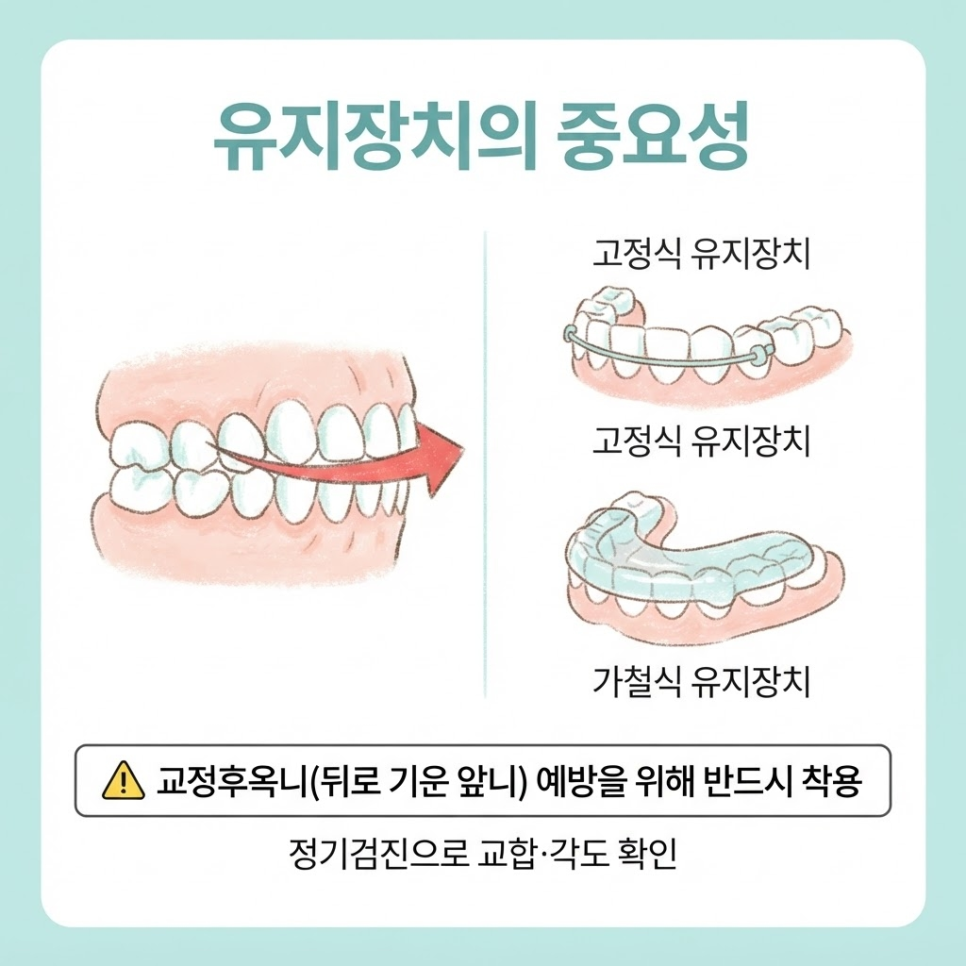
    Teeth naturally tend to drift back toward their original position, so movement can still occur after treatment ends.

    If the front teeth tilt inward again, it can look like the retroclined pattern has returned, which is why wearing your retainer consistently matters.

    A combination of a fixed retainer bonded behind the teeth and a removable retainer that can be taken in and out is a common approach to retention.

    Following the wear schedule your provider recommends can help lower the risk of relapse.

    Some research has reported an association between consistent retainer wear and a reduced risk of teeth shifting back, though the certainty of this evidence is still limited and results can vary by individual.

    retroclined teeth correction image 11

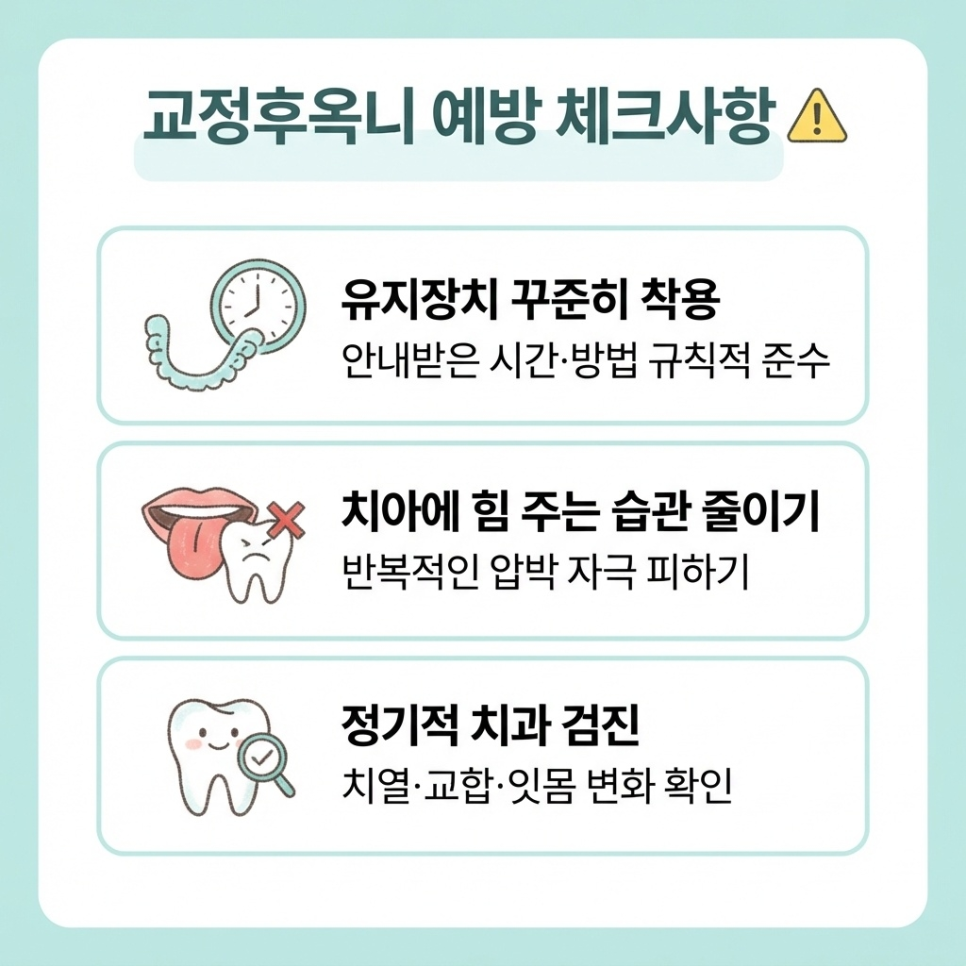
    ⚠️ Checklist for preventing relapse after correction
    • Wear your retainer consistently: Follow the recommended wear time and method as directed.
    • Reduce habits that put pressure on your teeth: Avoid repeatedly pushing on your teeth with your tongue or fingers.
    • Check in on your teeth regularly: Get routine dental checkups to monitor alignment and bite changes.

    retroclined teeth correction image 12


    Frequently Asked Questions

    retroclined teeth correction image 13

    1. What exactly does “retroclined teeth” mean?
    Retroclined teeth means the front teeth are angled further into the mouth than normal, which can also affect the shape of the mouth and the bite.

    retroclined teeth correction image 14

    2. Can adults get treatment for retroclined teeth?
    Yes. As long as the gums and jawbone are healthy, correction can be carried out at any age, including adulthood.

    retroclined teeth correction image 15

    3. Why do teeth become retroclined again after treatment?
    It happens because teeth naturally tend to shift back toward their original position, which is why wearing your retainer consistently is important for prevention.

    retroclined teeth correction image 16

    4. Is extraction always necessary for correcting retroclined teeth?
    No. Whether extraction is needed depends on available tooth space, bite condition, and jawbone health, which are evaluated on a case-by-case basis.


    References

    · Martin, C. et al., “Retention procedures for stabilising tooth position after treatment with orthodontic braces,” Cochrane Database of Systematic Reviews, 2023. View source
    · Modoodoc Editorial Team, “What retroclined teeth mean, related symptoms, and considerations for re-treatment” (Korean), Modoodoc, 2025. View source
    · Medical Today, “Correcting inward-curling retroclined teeth” (Korean), Medical Today. View source

    This article is provided for general health information purposes only and is not a substitute for individual diagnosis or treatment. If you have symptoms, please consult a qualified dental professional.