Some dental clinics recommend extraction,
while others say non-extraction treatment is possible.
When you get different diagnoses for the same teeth,
it’s hard to know which one to trust.
The truth is, whether non-extraction orthodontic treatment is possible
isn’t really about how many teeth get pulled —
it comes down to how much space can be created for the teeth to move.
Let’s look at real case examples to see which cases qualify for non-extraction treatment
and what the pros and cons are.
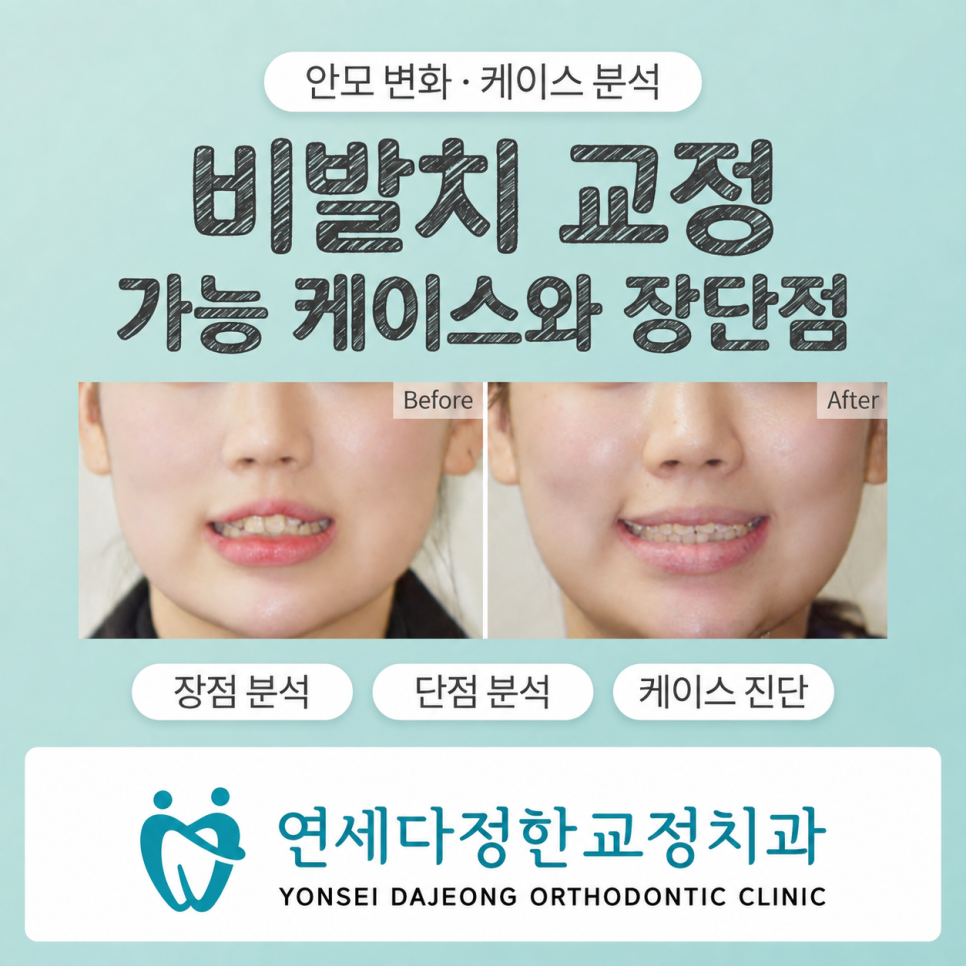
This article walks through the principle of non-extraction treatment and how space is created,
the process of moving the posterior teeth backward using orthodontic mini-screws (TADs),
and the changes seen in real case examples — all in order.
You’ll also find the criteria used to determine whether a case qualifies for non-extraction treatment.
What Is Non-Extraction Orthodontic Treatment, and How Does It Create Space?
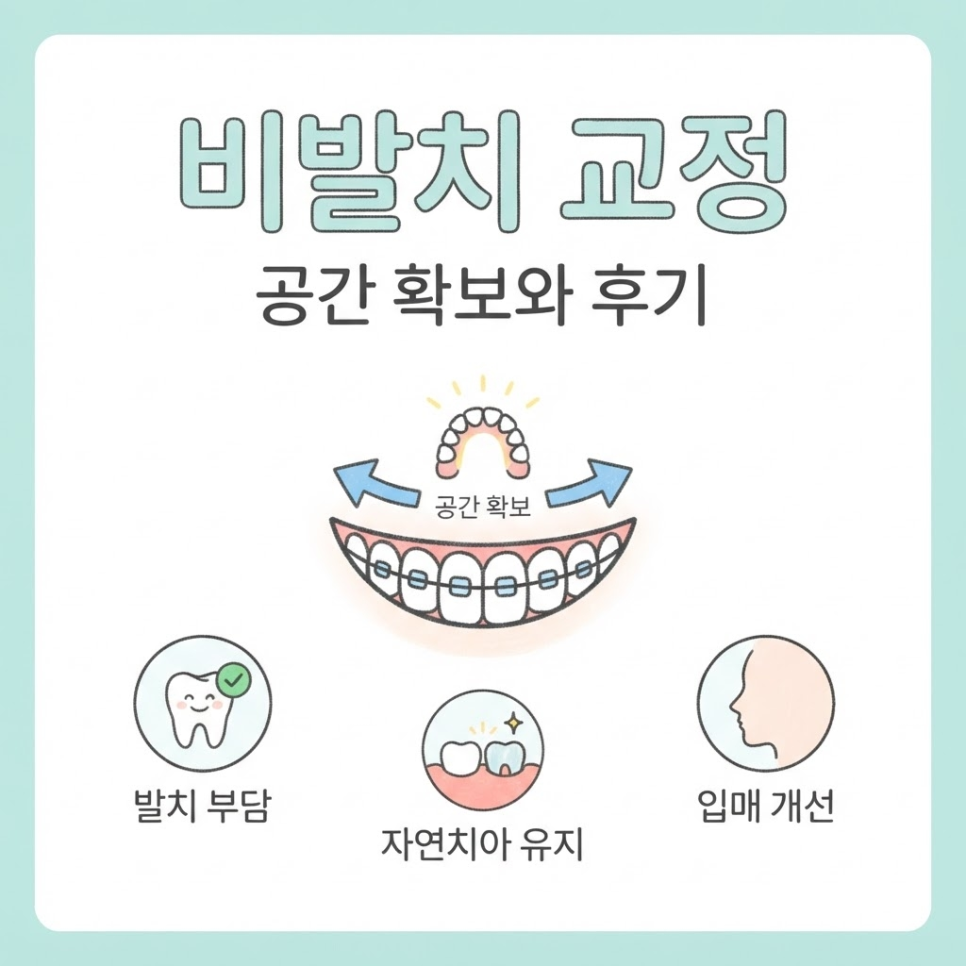
Non-extraction orthodontic treatment is an approach that moves the entire dental arch to create the space needed, without removing any permanent teeth.
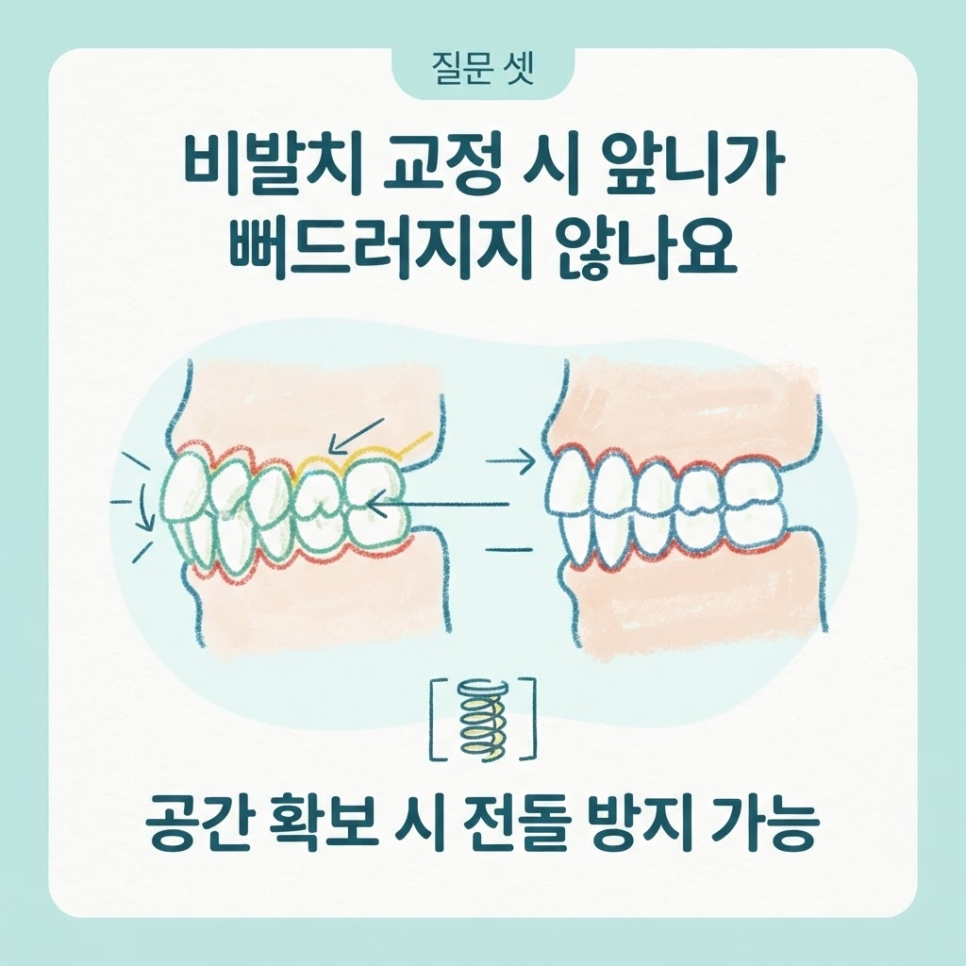
To bring protruding front teeth inward, the teeth need room to move back into.
If that space isn’t available and alignment is attempted anyway, the front teeth can actually tilt further forward.
That’s why non-extraction treatment sometimes involves moving the entire arch backward to create space.
That said, this approach doesn’t work for every case.
Whether non-extraction treatment is suitable can only be determined after checking the condition of the teeth and jawbone, along with the degree of protrusion.
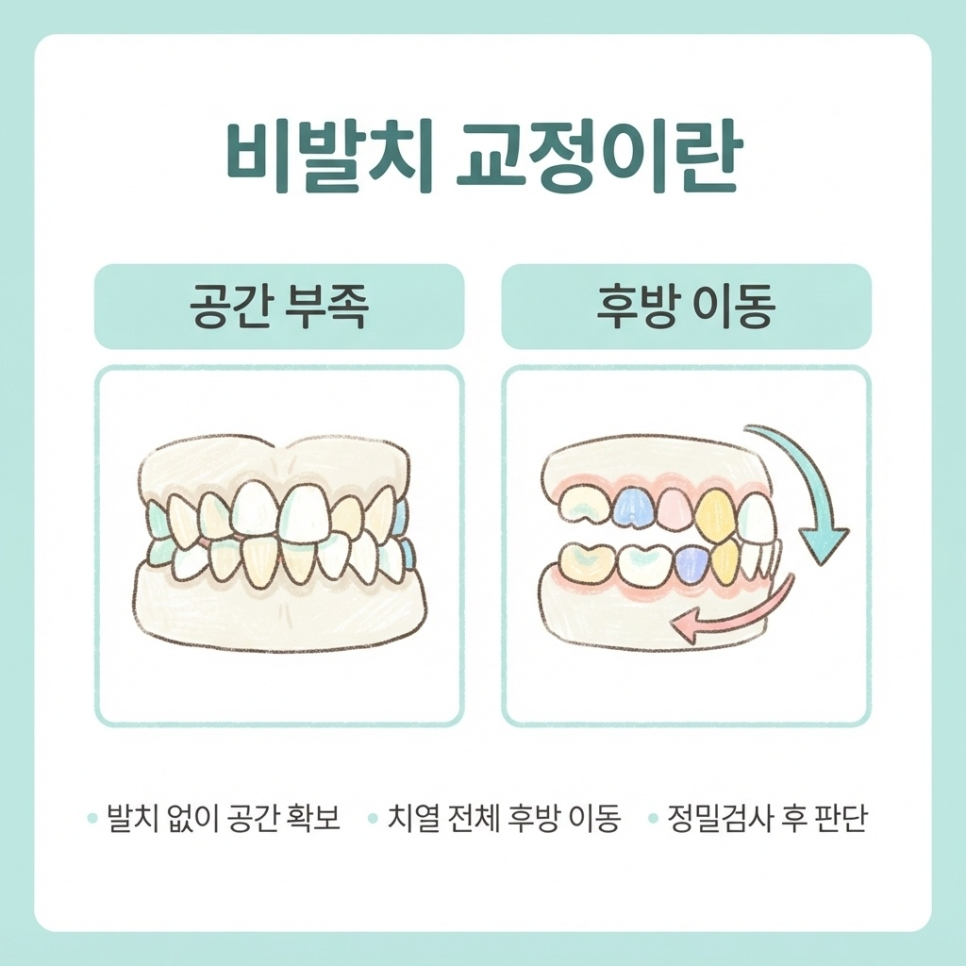
✔ Preserves natural teeth by avoiding extraction of permanent teeth
✔ Adjusts the angle of the front teeth by moving the arch backward
✔ The amount of possible movement depends on jawbone and tooth condition
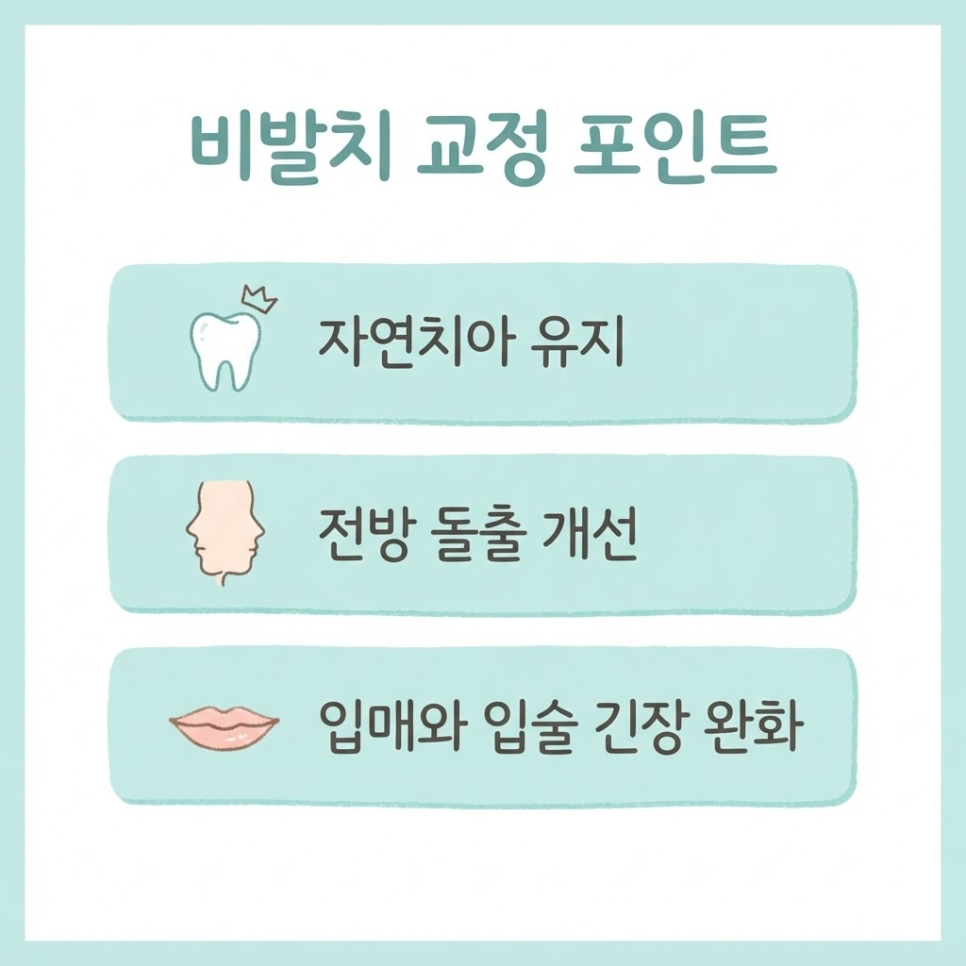
As you can see, non-extraction treatment is a way to create space while preserving your natural teeth.
Since the amount of possible movement varies from person to person, it’s important to have a detailed exam first to confirm whether it’s right for you.
What Role Do Orthodontic Mini-Screws Play in Non-Extraction Treatment?
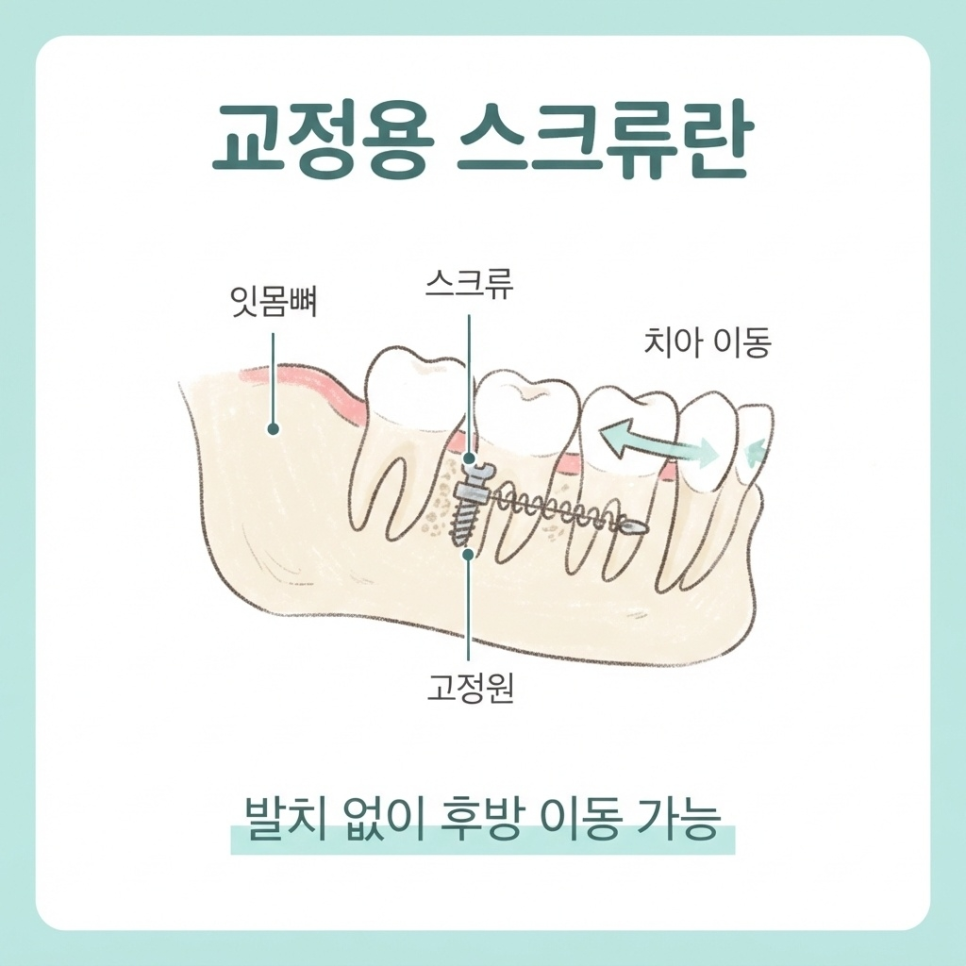
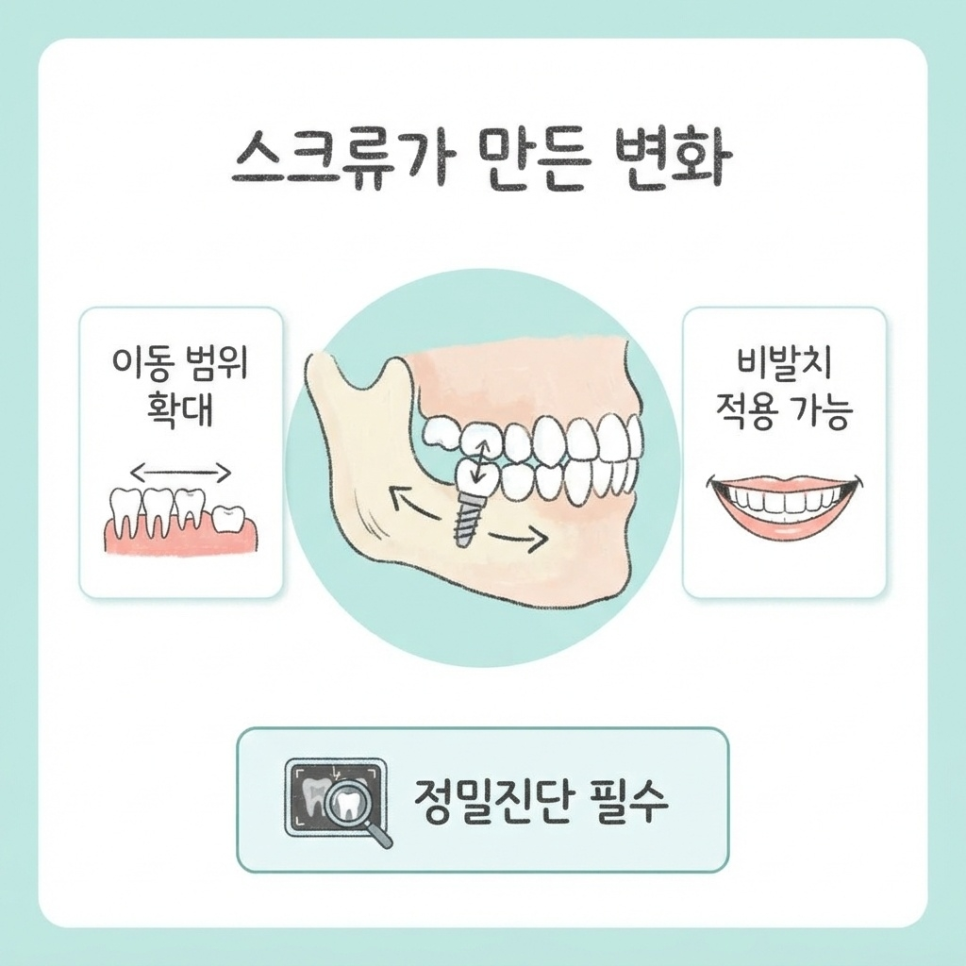
To put it simply, orthodontic mini-screws serve as an anchorage point for tooth movement.
An orthodontic mini-screw is a small temporary device placed in the jawbone to move teeth in a specific direction.
When teeth are moved backward, other teeth can sometimes shift along as a reaction.
A mini-screw acts like an anchor post, which can help reduce this side effect while guiding the arch in the intended direction.
- A small screw is placed in the jawbone
- Using the screw as an anchor, the arch is gradually moved backward
- The degree of front-tooth protrusion and the bite are adjusted
- The screw is removed once treatment is complete
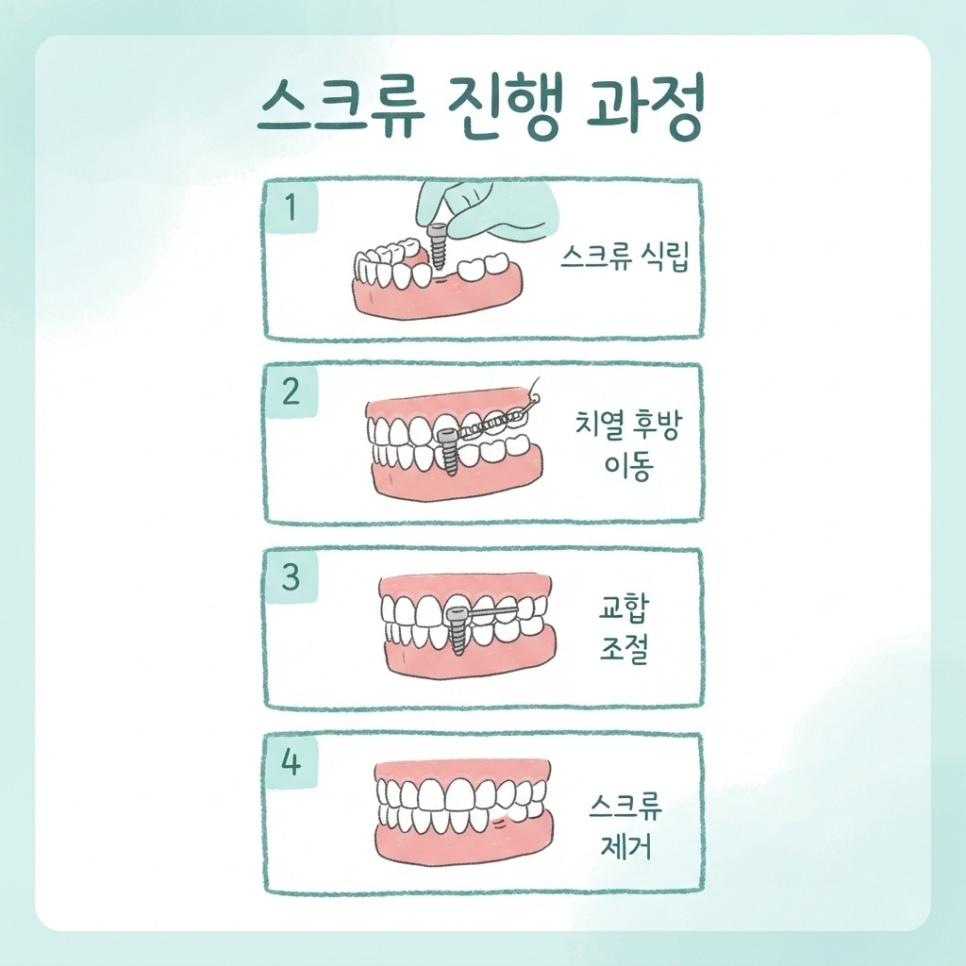
✔ Orthodontic mini-screws serve as an anchor for tooth movement
✔ They’re placed under local anesthesia, so discomfort during the procedure is typically minimal
✔ They are temporary devices removed once treatment is finished
As tooth-movement techniques have expanded, the range of cases where non-extraction treatment can be considered has grown wider than before.
Research both in Korea and internationally has reported that posterior tooth movement using orthodontic mini-screws (TADs) can widen the range of cases treatable without extraction.
That said, whether a mini-screw can be used depends on the condition of the teeth and jawbone, so a detailed diagnosis is essential.
How Do Dentists Determine If You’re a Candidate for Non-Extraction Treatment?
In short, whether non-extraction treatment is possible can only be determined by using detailed diagnostics to check the degree of tooth protrusion and the amount of space available for posterior movement.
To make this easier to understand, let’s look at a typical example.
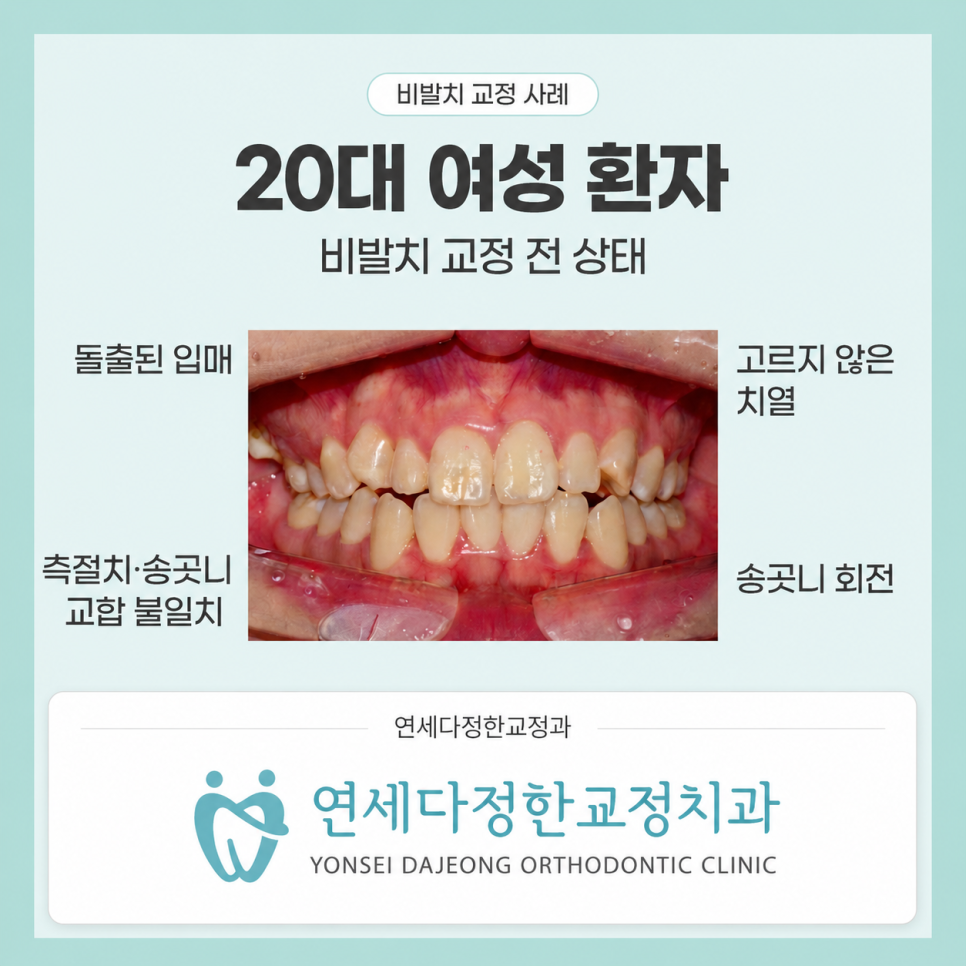
In cases where a protruding mouth and uneven teeth are the concern, the lateral incisors and canines may not bite together properly, and the canines may also be significantly rotated.
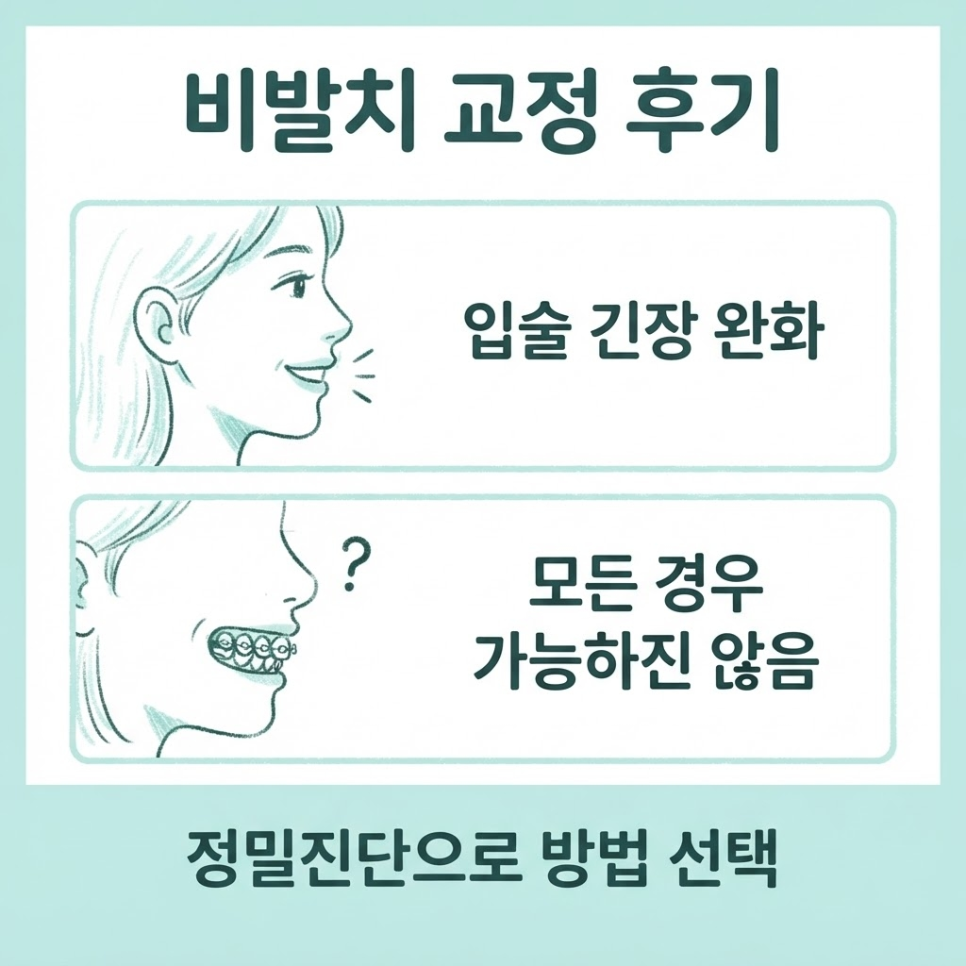
Some patients also notice tension around the lips when closing the mouth, which can make the mouth area look somewhat strained.
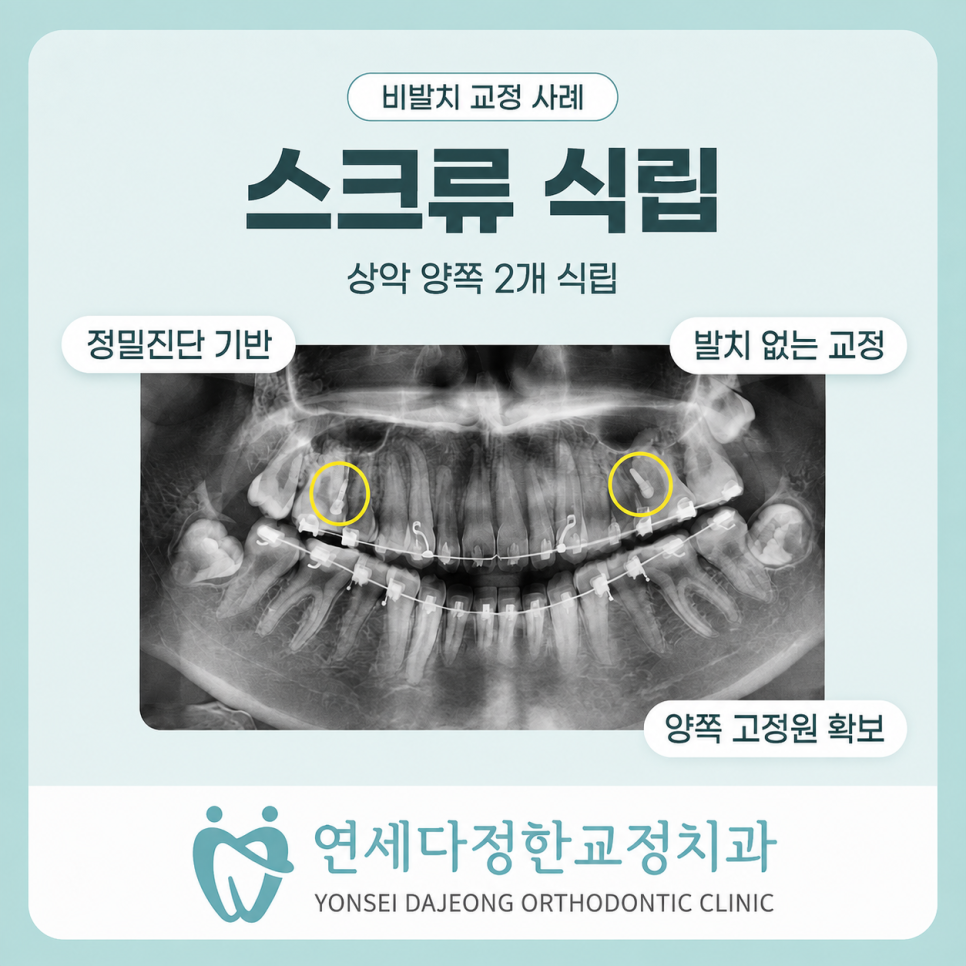
In cases like this, if the patient prefers to avoid extraction, one option after a detailed diagnosis is to place mini-screws on both sides of the upper jaw and proceed with non-extraction treatment.
| Category | Expected Change |
|---|---|
| Tooth Alignment & Bite | Gaps between the front teeth and a misaligned canine bite may be corrected |
| Facial Profile | Lip tension may ease, supporting a more natural side profile |
| Smile | As the protruding upper front teeth move inward, a change in the smile line may be expected |
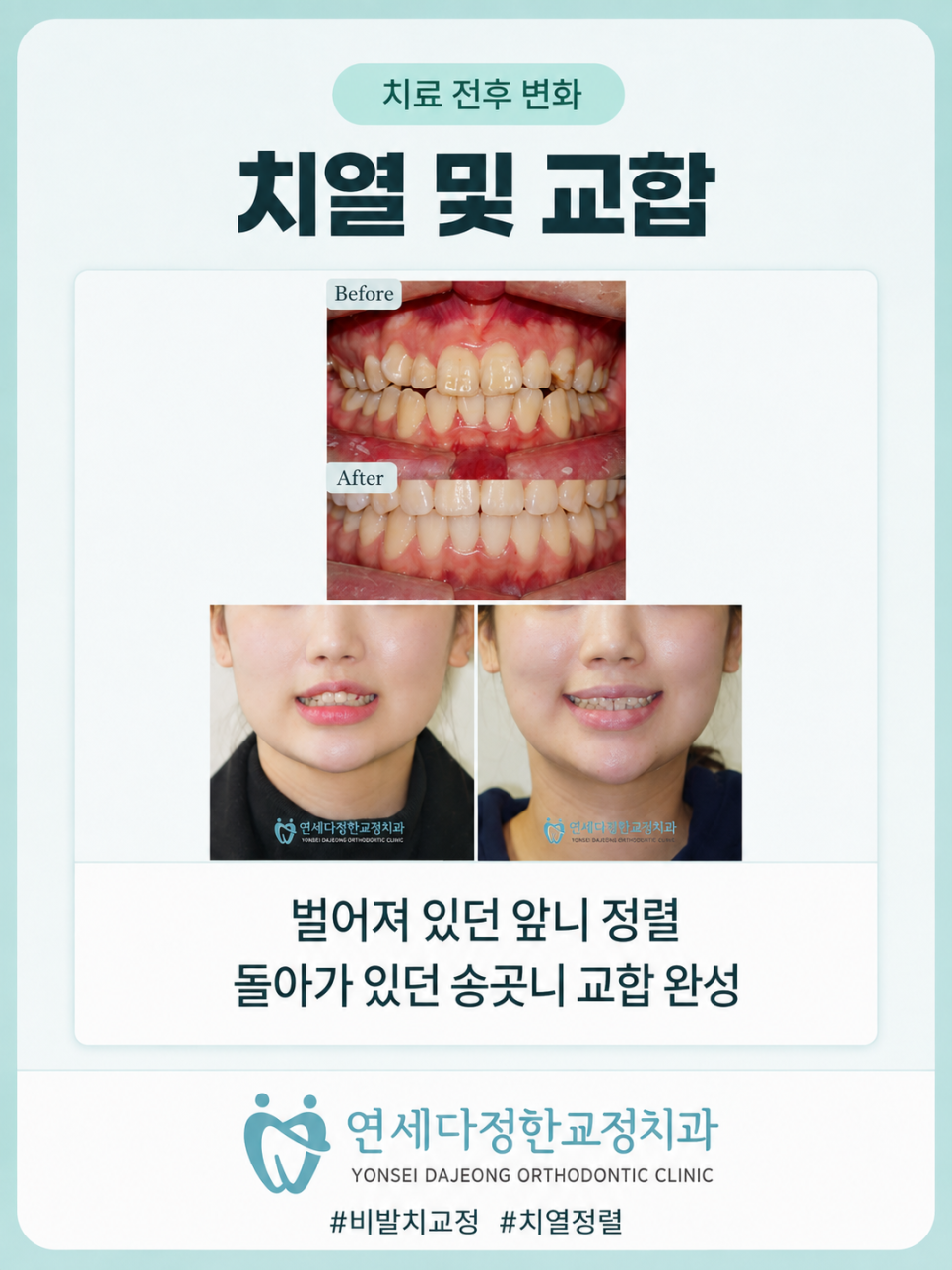
However, treatment outcomes can vary depending on each individual’s tooth and jawbone condition.
If the protrusion is severe or there isn’t enough space for the teeth to move, extraction-based treatment may be more suitable — the treatment direction should be decided only after evaluating tooth and lip position as well as skeletal structure.
What Are the Pros and Cons of Non-Extraction Orthodontic Treatment?
In short, non-extraction treatment has the advantage of preserving natural teeth, but it also has the limitation of not being suitable for everyone.
Here’s a summary in table form.
| Pros | Cons |
|---|---|
| Preserves natural teeth without extracting permanent teeth | May not be suitable if protrusion is severe |
| May reduce the risk of damage to tooth roots and gums | May require additional procedures, such as mini-screw placement |
| May result in a relatively natural-looking tooth alignment | The extent of movement and treatment duration vary by individual |
| May ease the psychological concern of having teeth extracted | Suitability can’t be confirmed without a detailed diagnosis |
✅ Have you had a detailed exam to check the degree of protrusion and available space for posterior movement?
✅ Has your jawbone condition and eligibility for mini-screw placement been checked?
✅ Have you been given a comparison of the pros and cons of non-extraction versus extraction treatment?
✅ Have you been informed of the expected treatment duration and process?
Choosing an orthodontic method isn’t really about whether teeth are extracted or not — the key is finding the approach that fits your specific dental condition.
If you’re wondering whether your case qualifies for non-extraction treatment, we recommend getting a detailed diagnostic exam to find out.
If you’d like a consultation, you can find more information at Cheongnyangni Yonsei Dajeonghan Orthodontic Clinic.
Frequently Asked Questions
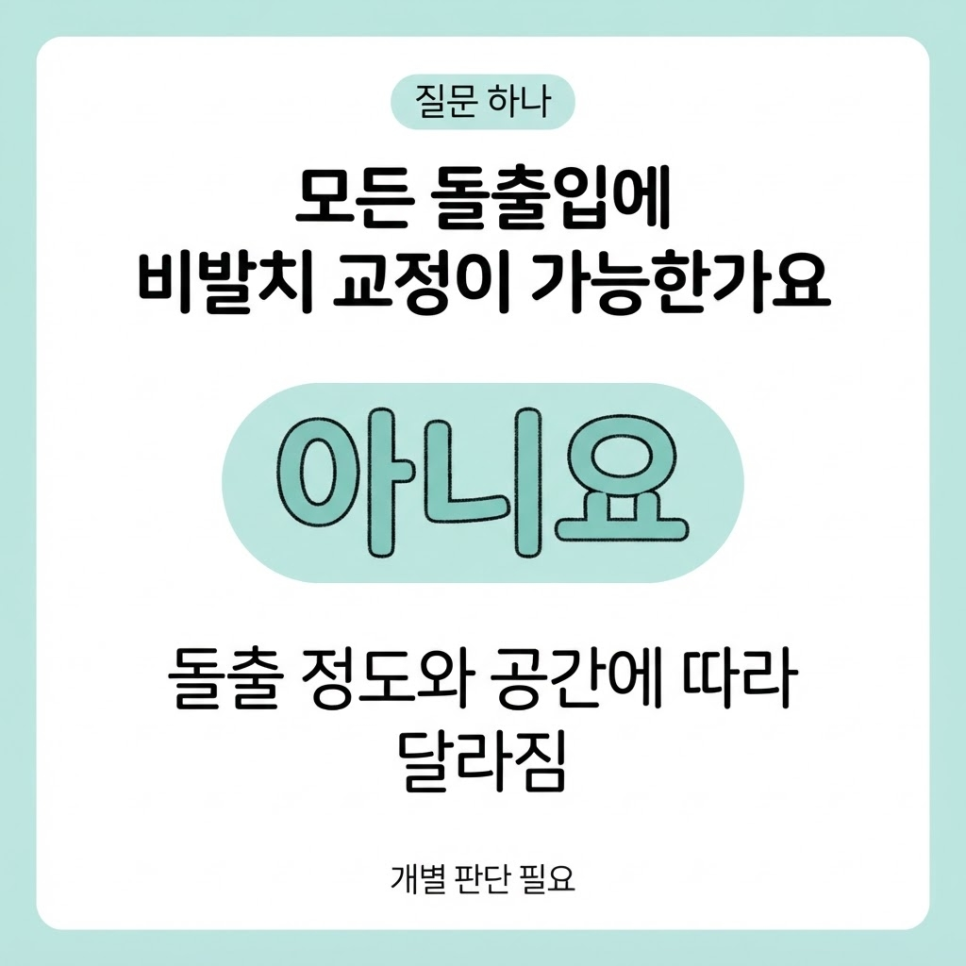
1. Is non-extraction treatment possible for every case of a protruding mouth?
No. It depends on the degree of protrusion and the space available for posterior movement, and in some cases extraction-based treatment may be more appropriate.
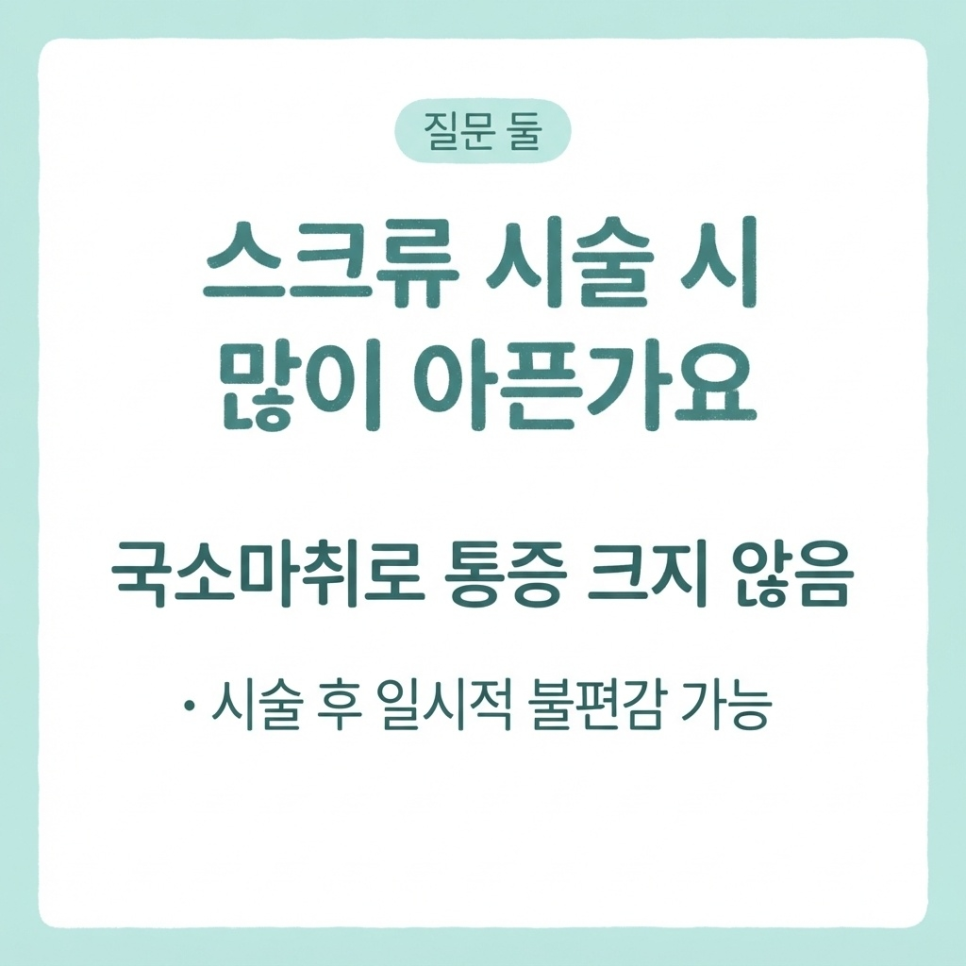
2. Does it hurt a lot to place an orthodontic mini-screw?
The procedure is done under local anesthesia, so pain during placement is typically minimal, though some temporary discomfort may follow afterward.
3. Doesn’t non-extraction treatment make the front teeth stick out more?
When adequate space is created for alignment during treatment, excessive forward tilting of the front teeth can be reduced.
4. How long does non-extraction treatment take?
This varies depending on tooth condition and the amount of movement needed, so it’s best to confirm the expected timeline after a detailed diagnosis.
References
· Turkish Journal of Orthodontics, “Efficient Distalization of Maxillary Molars with Temporary Anchorage Devices for the Treatment of Class II Malocclusion,” 2020. View source
· Dental News (Korean Dental Association), “Non-Extraction Orthodontic Treatment Strategies Using Clear Aligners (3) – Posterior Tooth Movement Using Mini-Screws,” 2024. View source
· Dental Hygienist News (Korean Dental Hygienists Association), “[Orthodontic Column] The Game Changer in Orthodontic Treatment: Orthodontic Mini-Screws,” 2020. View source
This article is intended to provide general health information and is not a substitute for individual diagnosis or treatment. If you have symptoms, please consult a specialist.