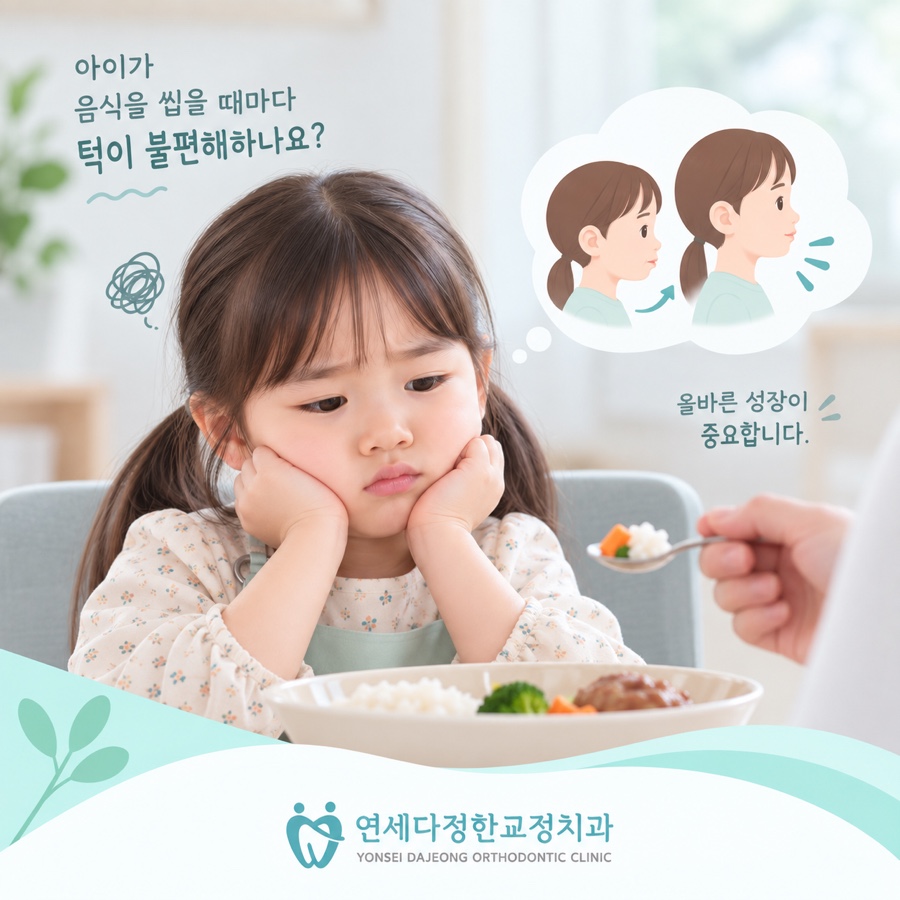
Has your child mentioned jaw discomfort while eating, yet you keep putting off that dental appointment?
Meanwhile, your child’s jawbone is growing right now, in this very moment.
During the growth years, there’s a golden window when skeletal issues can often be corrected without surgery.
To avoid missing this window,
you first need to understand the criteria for judging the right early orthodontic treatment timing.
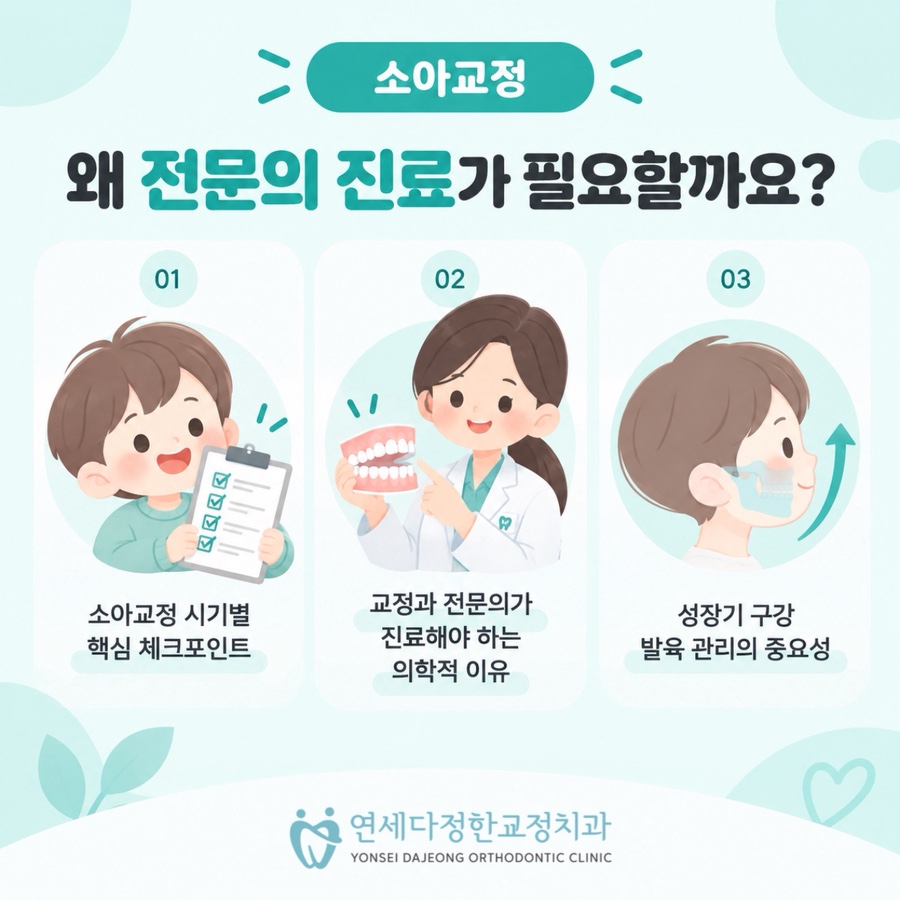
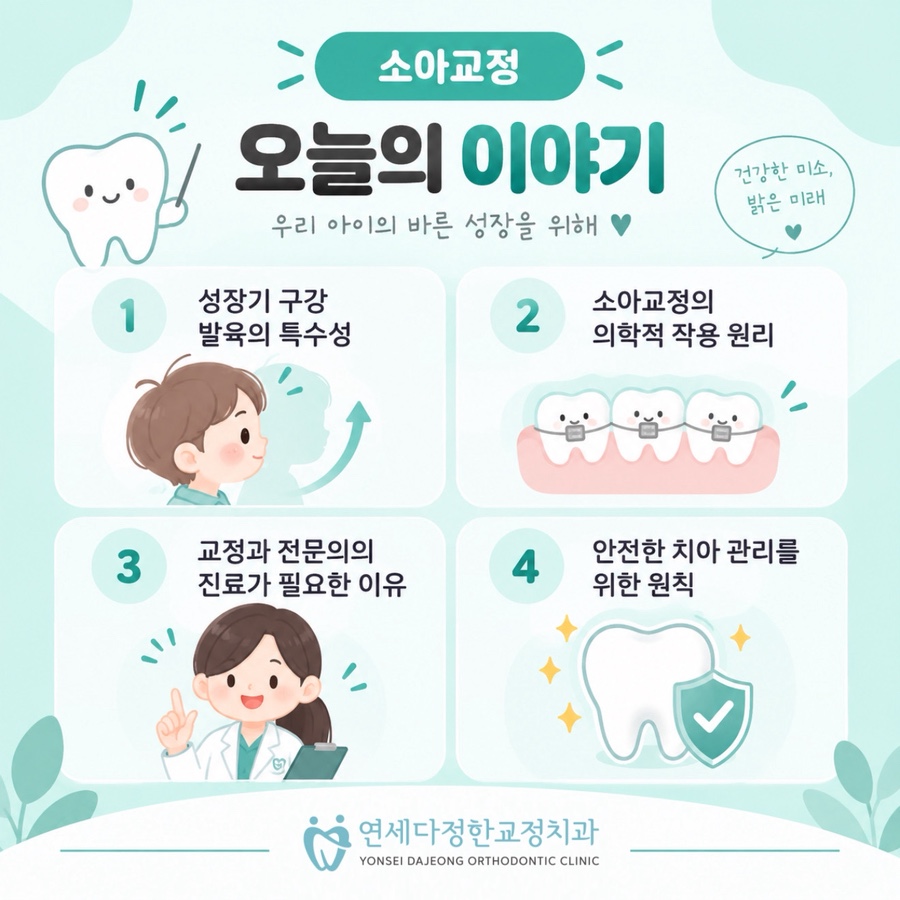
This article outlines the growth-stage checkpoints for catching the right early orthodontic treatment timing, along with the medical reasons treatment should be provided by a board-certified orthodontist.
We’ll walk through everything from the principles of jaw growth to the guidelines for safely caring for orthodontic appliances.
When Is the Right Time for Early Orthodontic Treatment?
To answer directly: the ideal time for a first checkup is around age 6 to 7, when permanent teeth begin coming in.
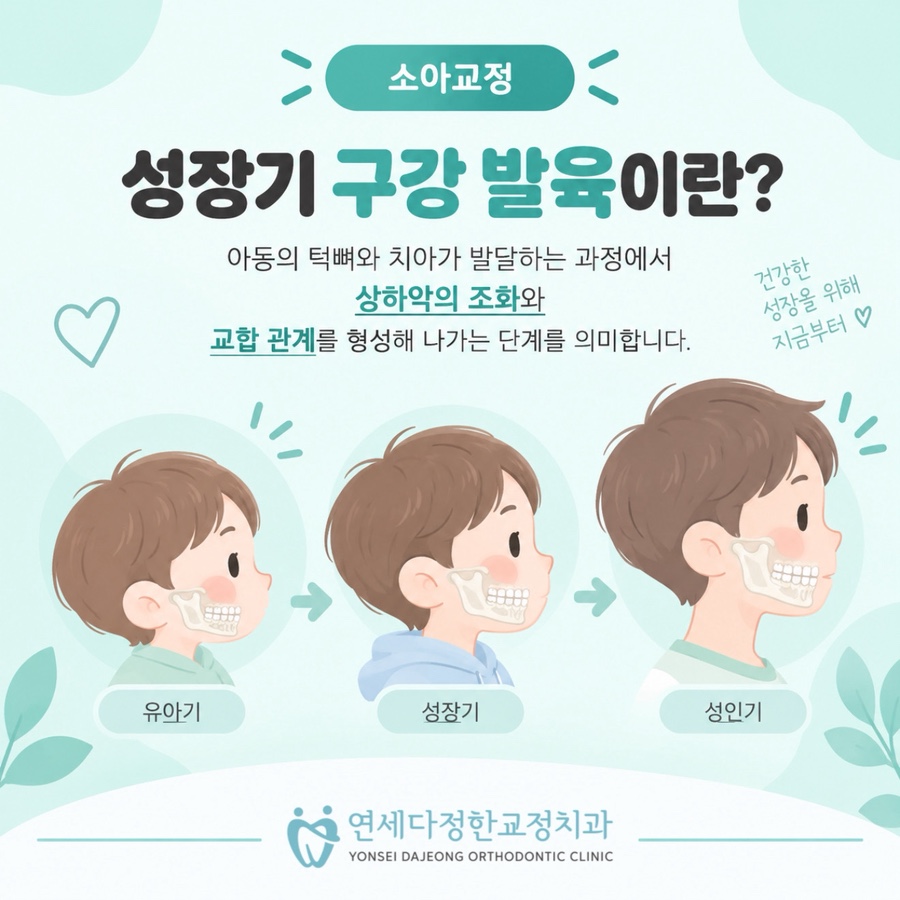
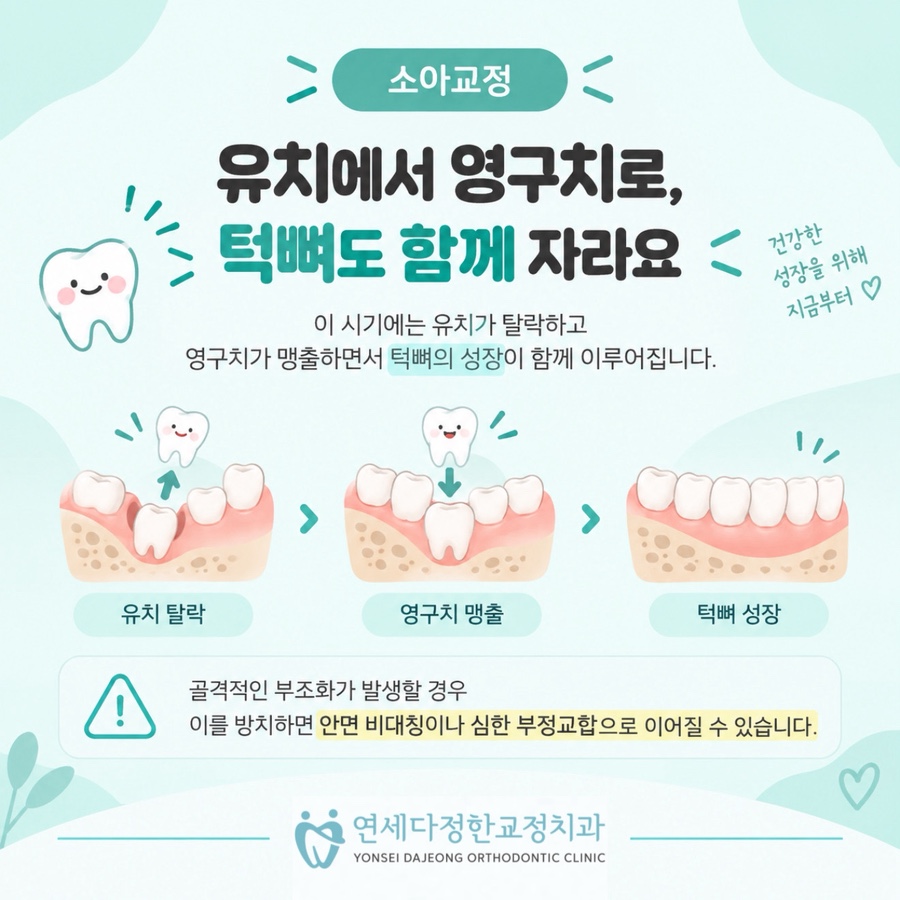
Growth-stage oral development refers to the process in which baby teeth fall out and permanent teeth emerge, while the upper and lower jawbones grow together.
If skeletal imbalances go unaddressed during this stage, they can lead to facial asymmetry or severe malocclusion.
That’s why careful, early observation to catch warning signs is so important.

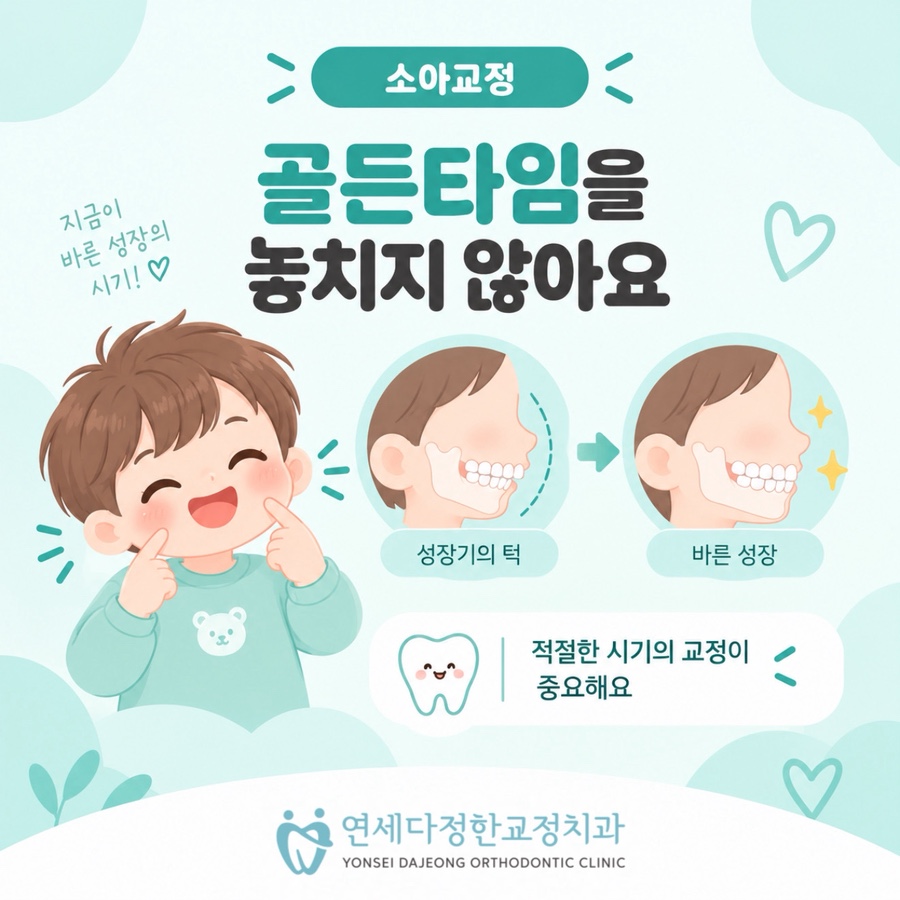
Because a child’s jaw growth can sometimes be guided to correct skeletal imbalances without surgery, it’s important not to miss the right early orthodontic treatment timing — the golden window.
Genetic factors and habits like thumb-sucking or mouth breathing are also major contributors that can interfere with normal growth.
How Does Early Orthodontic Treatment Manage Jaw and Teeth Growth?
Early orthodontic treatment is less about moving teeth with appliances and more like orthopedic treatment that guides the direction of jaw growth.
Early (pediatric) orthodontic treatment refers to guiding or restraining jaw growth during the growth years to balance the upper and lower jaws while also correcting related muscle function.
Here’s what this approach can help achieve:
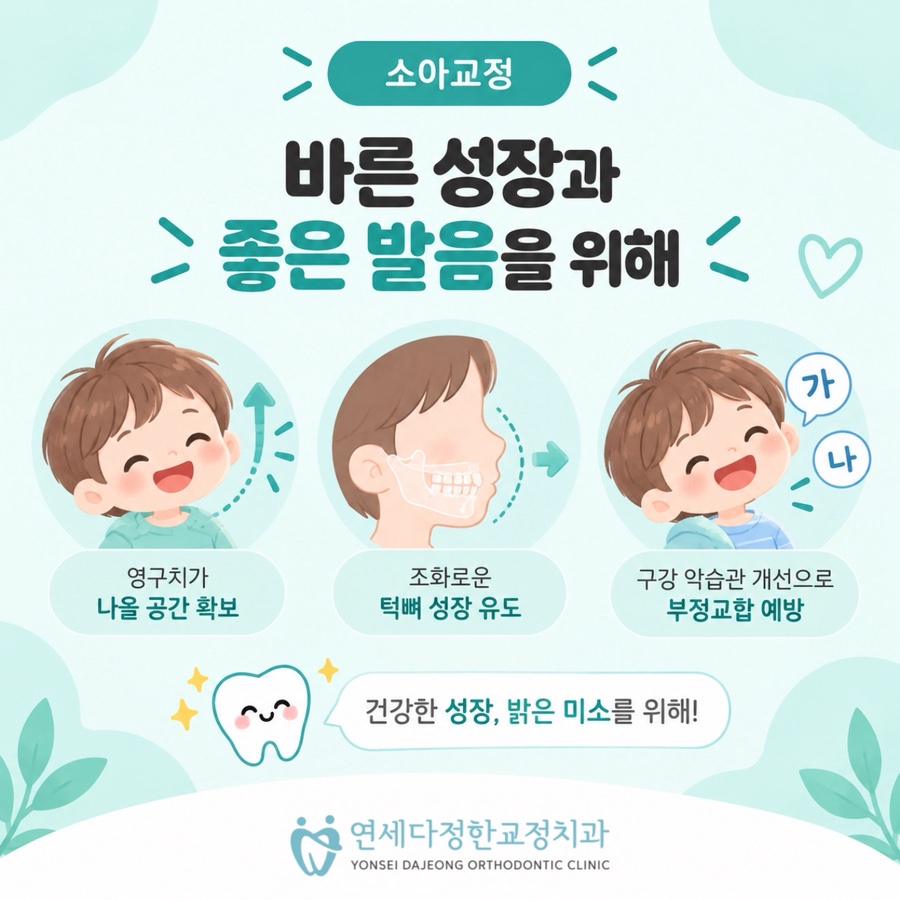
- Creating space for permanent teeth to erupt correctly
- Guiding harmonious growth of the upper and lower jawbones
- Helping prevent malocclusion by correcting oral habits

| Category | Growth-Stage (Pediatric) Orthodontics | Adult Orthodontics |
|---|---|---|
| Treatment Goal | Guiding/restraining jaw growth | Focused on aligning teeth |
| Main Methods | Orthopedic appliances, growth-guidance appliances | Brackets, clear aligners, etc. |
| Possible Benefit | May reduce the likelihood of extraction or surgery | Proceeds based on an already-formed skeletal structure |
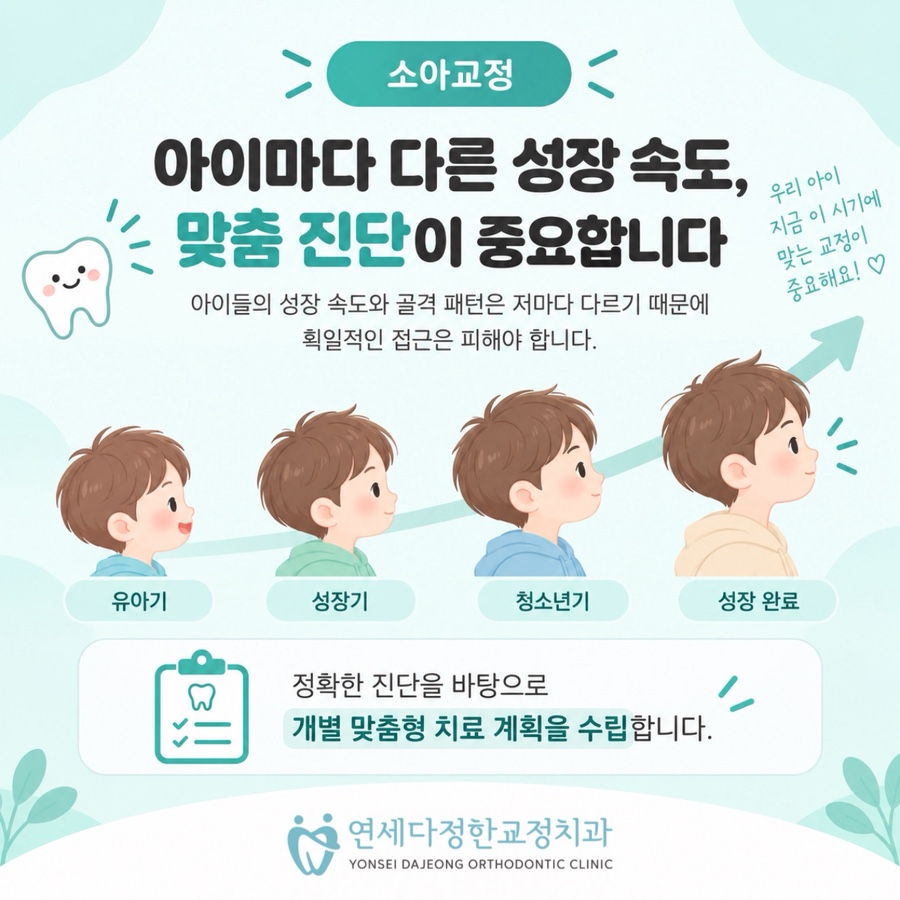
Because every child’s growth rate and skeletal pattern differs,
a one-size-fits-all approach should be avoided.
Building an individualized treatment plan based on an accurate diagnosis is what matters most.
Why Should Early Orthodontic Treatment Be Done by a Board-Certified Orthodontist?
A board-certified orthodontist is a dentist who completed one year of internship and three years of residency training exclusively in orthodontics at an institution recognized by Korea’s Ministry of Health and Welfare, and who has passed the national specialist licensing exam.
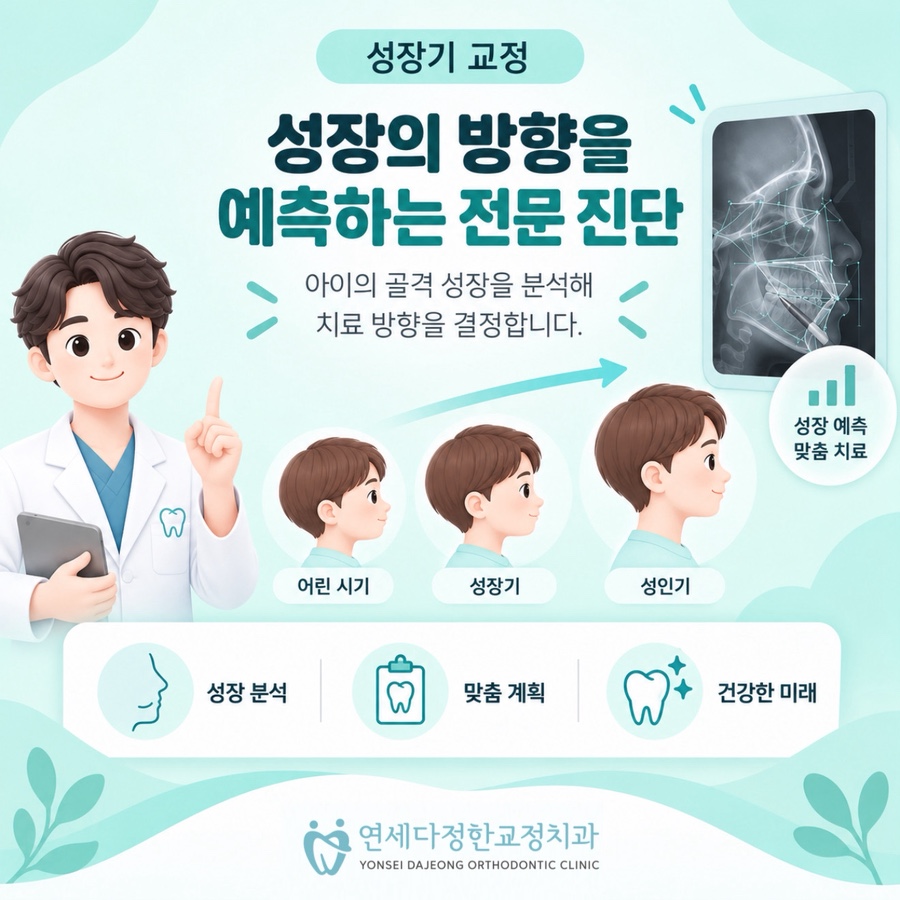
Growth-stage orthodontic care is a complex discipline that must consider not only a child’s current tooth alignment but also how the facial bones will develop into adulthood.
That’s why it demands the ability to anticipate skeletal growth patterns and judge long-term prognosis.

✅ Confirm the provider holds a Ministry of Health and Welfare–certified orthodontic specialist qualification
✅ Look for experience across a range of growth-stage cases and a precise diagnostic system
✅ Confirm they offer systematic, long-term prognosis management
You can also verify specialist credentials on the Korean Association of Orthodontists (KAO) website.
This expertise may help reduce variables that can arise during treatment and support overall safety.
If you’re considering early orthodontic treatment in the Cheongnyangni area, visit the Cheongnyangni Yonsei Dajeonghan Orthodontics homepage to check whether care is provided by a board-certified orthodontist.

How Do You Safely Care for Pediatric Orthodontic Appliances?
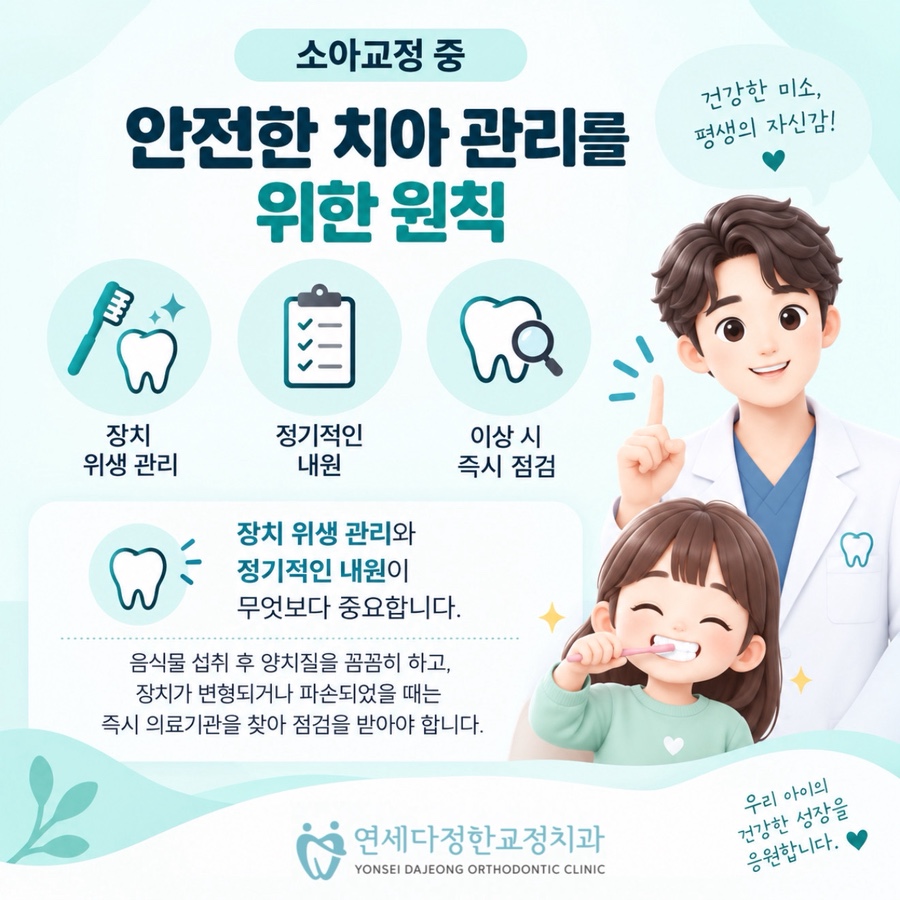
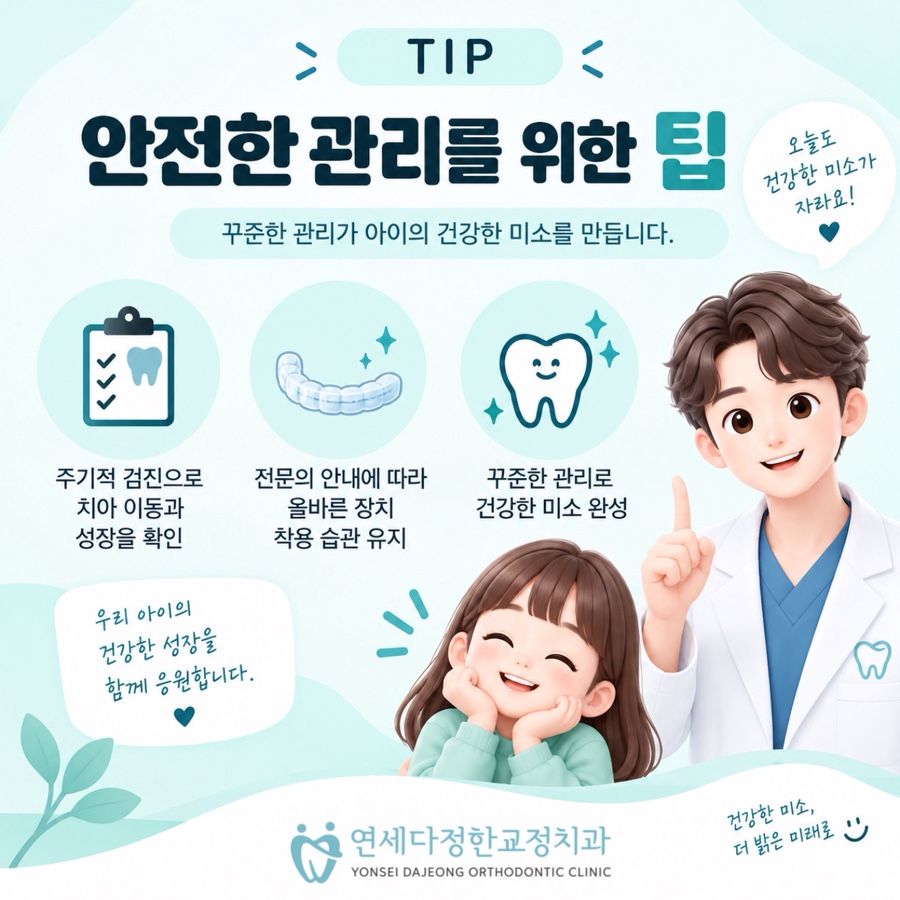
During early orthodontic treatment, appliance hygiene and regular follow-up visits matter most.
Neglecting to brush after meals can make cavities and gum disease more likely, so attentive guidance from parents or guardians is essential.
If an appliance becomes bent or damaged, do not try to adjust it yourself — see your dental provider right away for an inspection.
Regular checkups to track tooth movement and jaw growth, combined with following your orthodontist’s guidance on appliance wear, can support consistent care and systematic progress monitoring.
Frequently Asked Questions
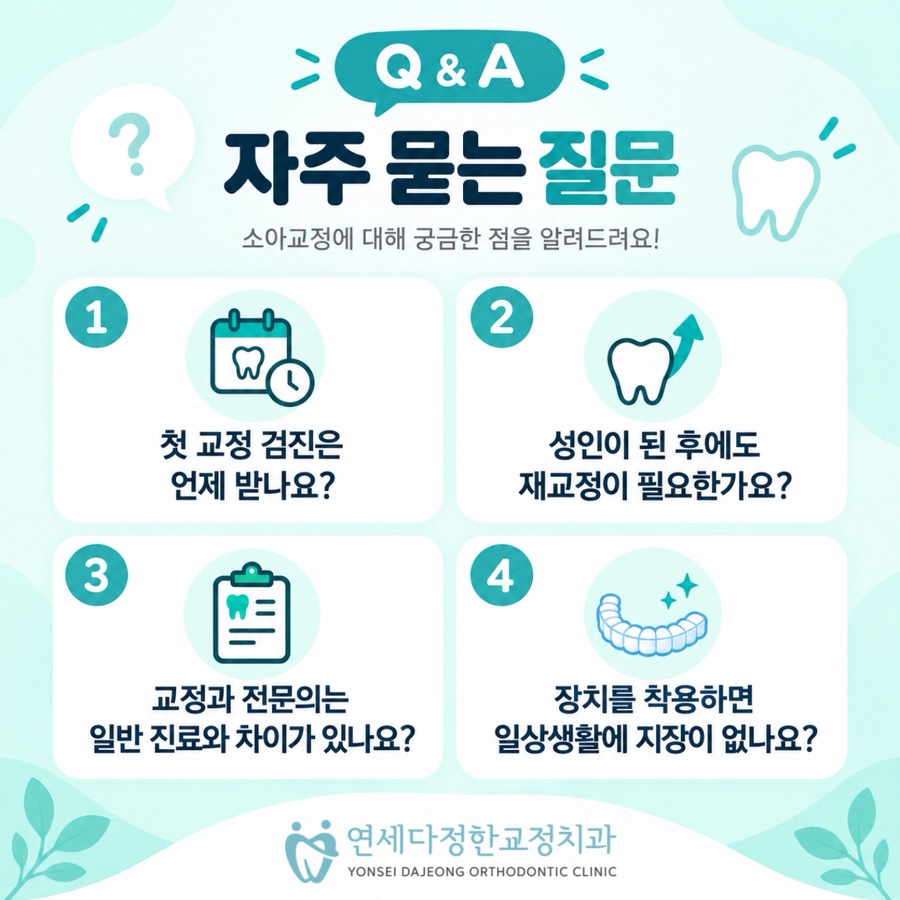
1. When should my child have their first orthodontic checkup?
It’s recommended to have a first checkup around age 6 to 7, when permanent teeth begin coming in, to assess skeletal development.
2. If my child gets early orthodontic treatment, will they avoid needing treatment again as an adult?
Correcting skeletal imbalances early, during the growth years, may help reduce the difficulty of future adult orthodontic treatment and the likelihood of extraction — though it does not guarantee that no further treatment will be needed.
3. How is a board-certified orthodontist’s care different from general dental care?
Board-certified orthodontists draw on specialized knowledge of jawbone tendencies and overall facial skeletal harmony, not just tooth alignment, to build a precise treatment plan.
4. Will wearing an appliance get in the way of daily life?
There may be some initial discomfort or a sense of foreign material in the mouth, but children often adjust within a few days and return to their normal routine.
References
· American Association of Orthodontists, “Monitoring Jaw Growth: Why the AAO Recommends an Age 7 Checkup,” AAO, 2023. View source
· Korean Association of Orthodontists, “Find a Society Member and Board-Certified Orthodontist,” Korean Association of Orthodontists (KAO). View source

If your child has symptoms, please consult a specialist.