Tag: Tooth Health

  • Fluoride Treatment for Kids: 3–6 Month Schedule, Cost by Age & Precautions

    Fluoride Treatment for Kids: 3–6 Month Schedule, Cost by Age & Precautions

    SummaryFluoride treatment for kids is typically recommended every 3 to 6 months, depending on a child’s cavity risk and stage of tooth development. Here’s what to know before your visit — from aftercare precautions right after the procedure to how non-covered pricing is typically determined by age.

    Have you ever noticed that different dental offices recommend different intervals for the same fluoride treatment? It can seem a bit odd.

    The truth is, there isn’t just one correct answer when it comes to fluoride treatment frequency.
    The ideal interval can vary depending on a child’s cavity risk and stage of tooth development.

    Today, we’ll walk through everything from the precautions to follow right after treatment to how non-covered (out-of-pocket) pricing for fluoride treatment for kids is typically determined.

    In this article, you’ll find the key factors behind fluoride treatment frequency, how fluoride helps support cavity prevention, what to watch for before and after the procedure, and how pricing is typically determined by age — all in one place.

    Fluoride treatment frequency for kids

    What Is Fluoride Treatment and Why Might Kids Need It?

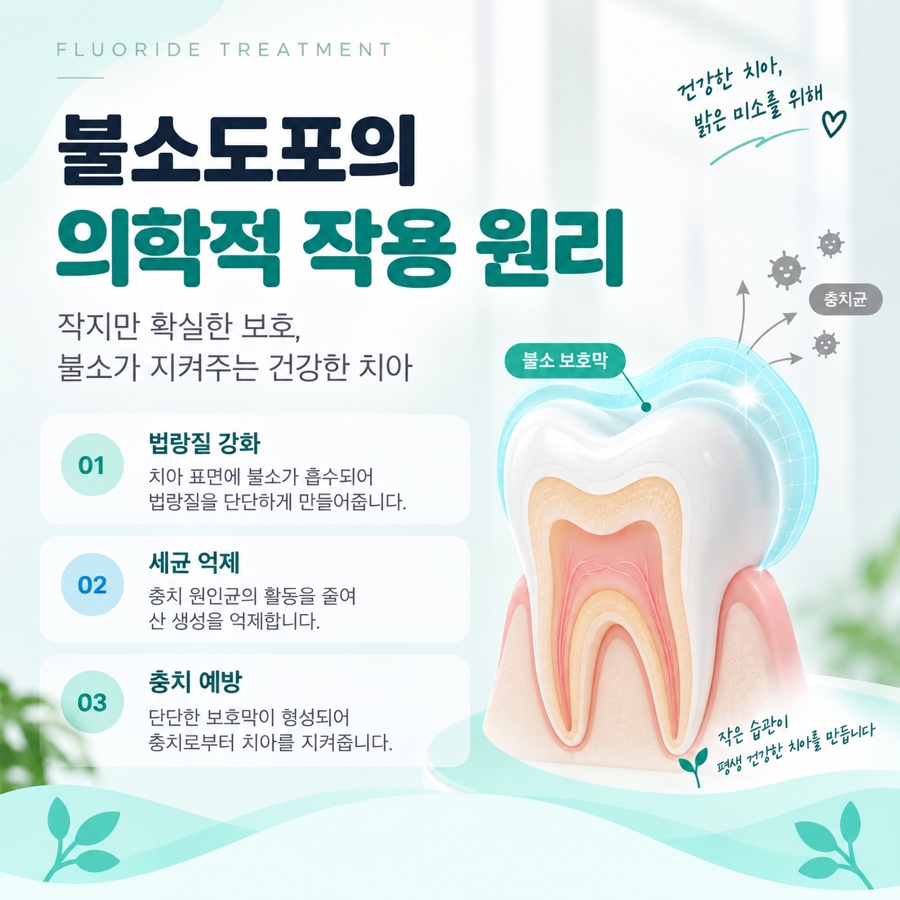
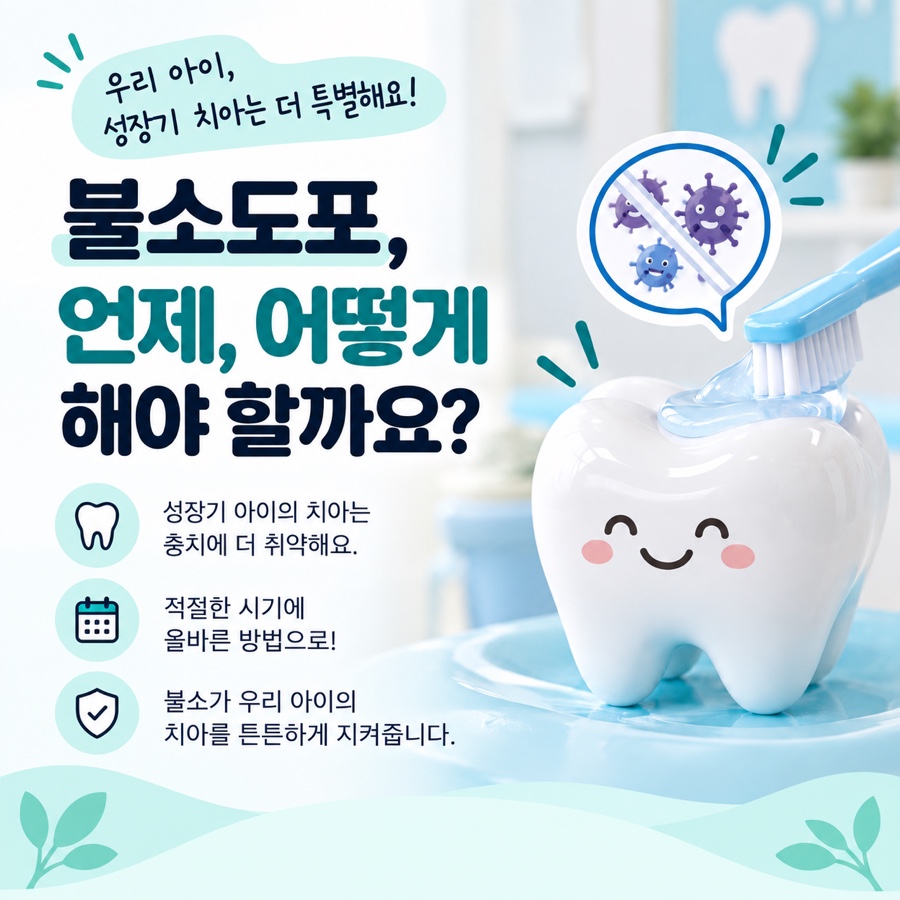
    Fluoride treatment is a preventive procedure in which a high concentration of fluoride is applied to the tooth surface to help strengthen enamel and increase resistance to the acids produced by bacteria.

    Every parent hopes their child’s teeth will grow in strong and healthy.
    But it’s common to feel unsure about exactly where to start with cavity prevention.

    Fluoride treatment for kids illustration 2

    Teeth are especially vulnerable to cavities right after baby teeth and permanent teeth first erupt, since the enamel hasn’t fully hardened yet.
    At this stage, fluoride can bind with calcium in the tooth to help form a protective layer.

    This may help protect teeth against the bacteria that cause cavities.
    Fluoride treatment for kids illustration 3

    Key Points
    ✔ Fluoride treatment is a preventive measure that helps build a protective barrier before cavities form.
    ✔ It may also help slow the progression of early-stage cavities.
    ✔ Regular treatment timed to a child’s stage of tooth development plays a big role in how effective it is.

    For these reasons, it’s best to have your child’s oral condition properly evaluated first, then schedule treatment at the appropriate time.


    Fluoride treatment for kids illustration 4

    How Often Should Fluoride Treatment for Kids Be Scheduled?

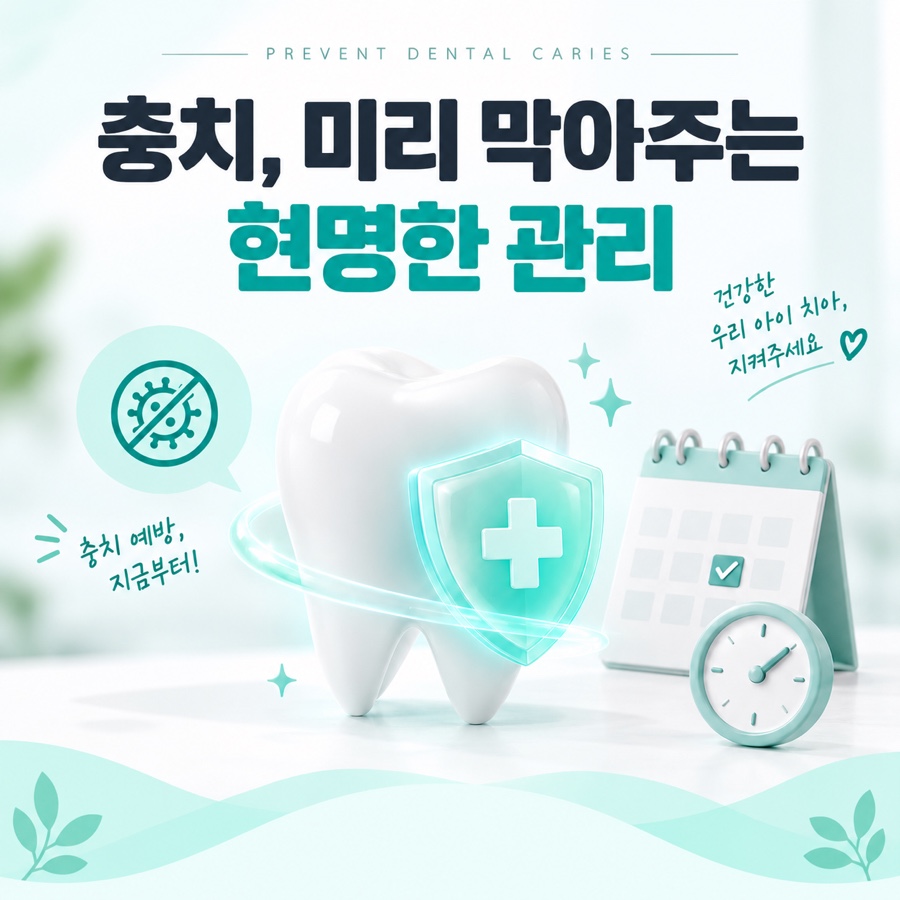
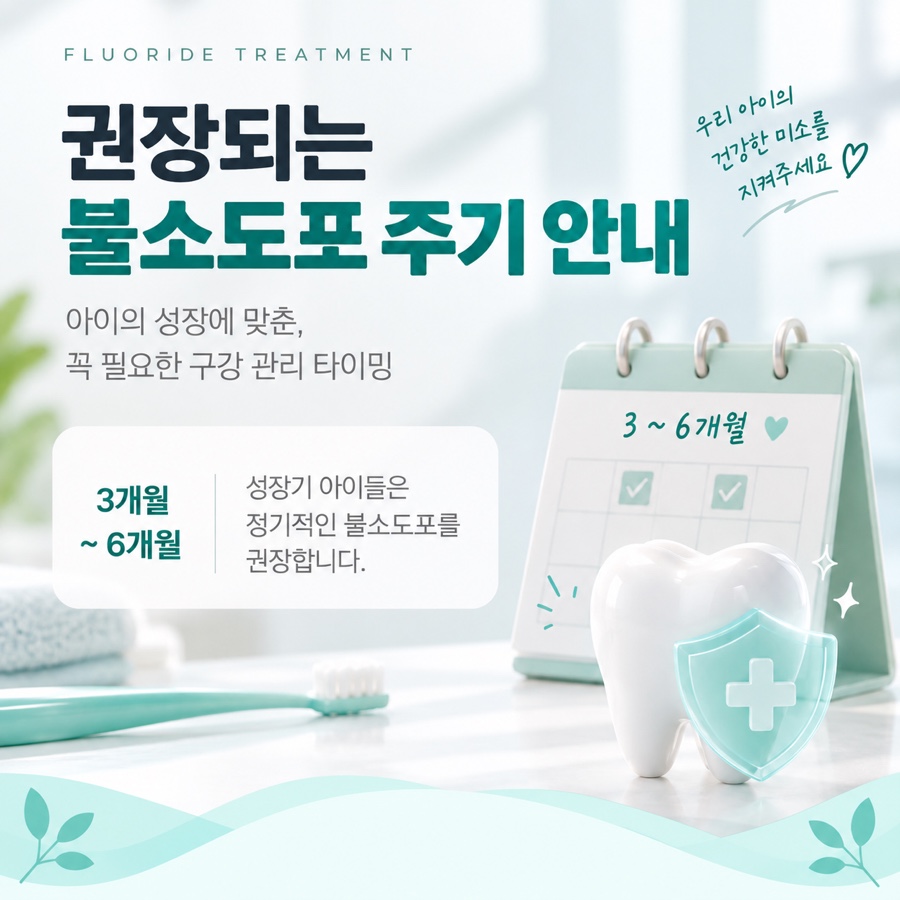
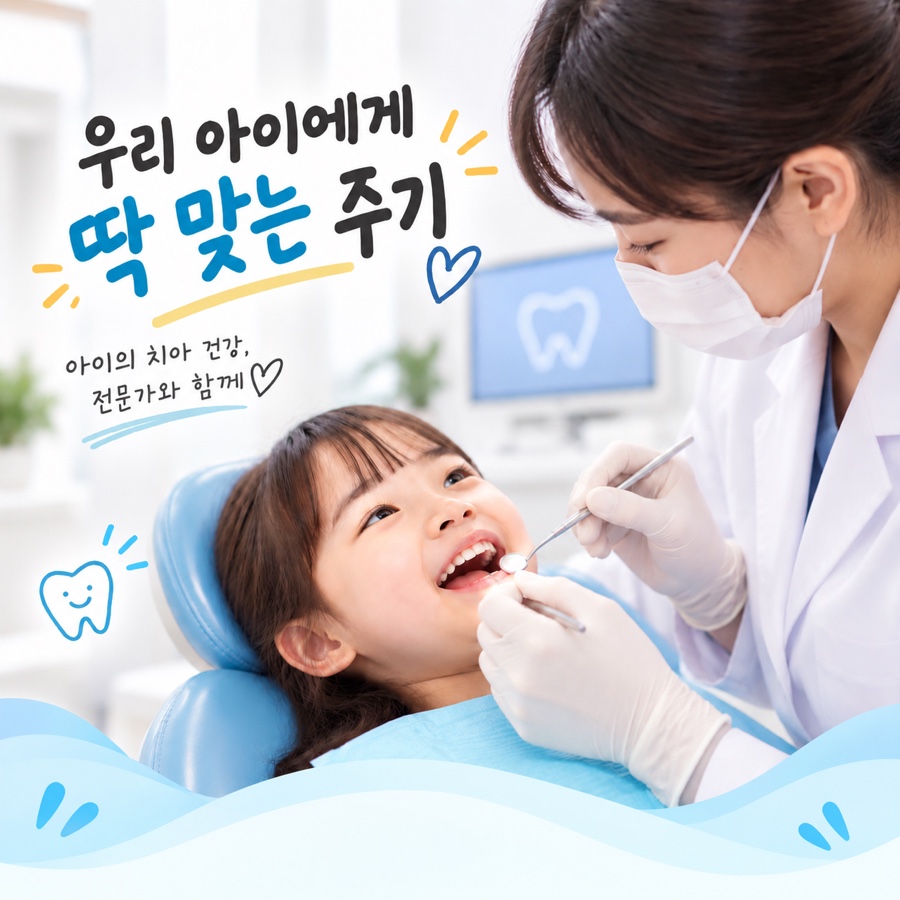
    Fluoride treatment frequency is typically adjusted to every 3 to 6 months based on a child’s age, cavity risk, and the timing of permanent tooth eruption.

    Children who are more prone to cavities during growth spurts may benefit from shorter intervals, while children with generally healthy oral conditions can often be managed on a somewhat longer schedule.
    Fluoride treatment for kids illustration 5

    Category Recommended Frequency Who It Applies To
    High cavity risk Every 3 months Children with a history of cavities or inconsistent brushing habits
    Standard risk Every 6 months Children with typical oral health
    Permanent tooth eruption period Applied right after eruption When the first or second permanent molars are coming in

    Fluoride treatment for kids illustration 6

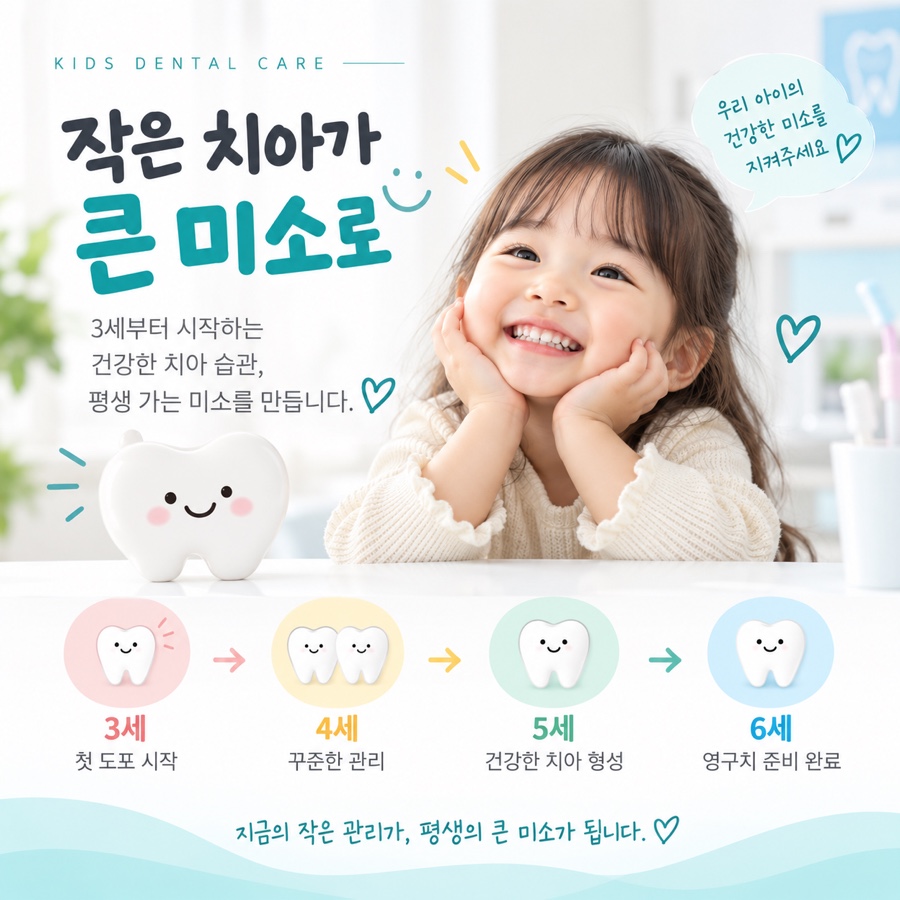
    Starting around age 3, once most baby teeth have come in, is a common time to begin fluoride treatment, continuing consistently through adolescence until the permanent teeth are fully in.

    That said, every child’s brushing habits and oral condition are different, so the right interval for your child may vary somewhat.
    Consulting with a dental professional to determine the appropriate schedule is the sensible approach.

    Key Points
    ✔ Starting fluoride treatment around age 3 is a typical starting point.
    ✔ Intervals are often shortened when new permanent molars are erupting.
    ✔ The exact frequency should be adjusted based on your child’s dental checkup results.
    Fluoride treatment for kids illustration 7

    What Should You Know Before and After the Procedure?

    After fluoride treatment, limiting eating and brushing for a period of time can help the fluoride absorb more fully.

    It takes time for fluoride to fully absorb into the tooth surface.
    That’s why hard or hot foods should be avoided right after treatment.
    Fluoride treatment for kids illustration 8

    Precautions
    ⚠ On the day of treatment, hold off on brushing or flossing for the period your dentist recommends, and follow their instructions.
    ⚠ Avoid hard or hot foods until the fluoride layer has had time to set.
    Fluoride treatment for kids illustration 9

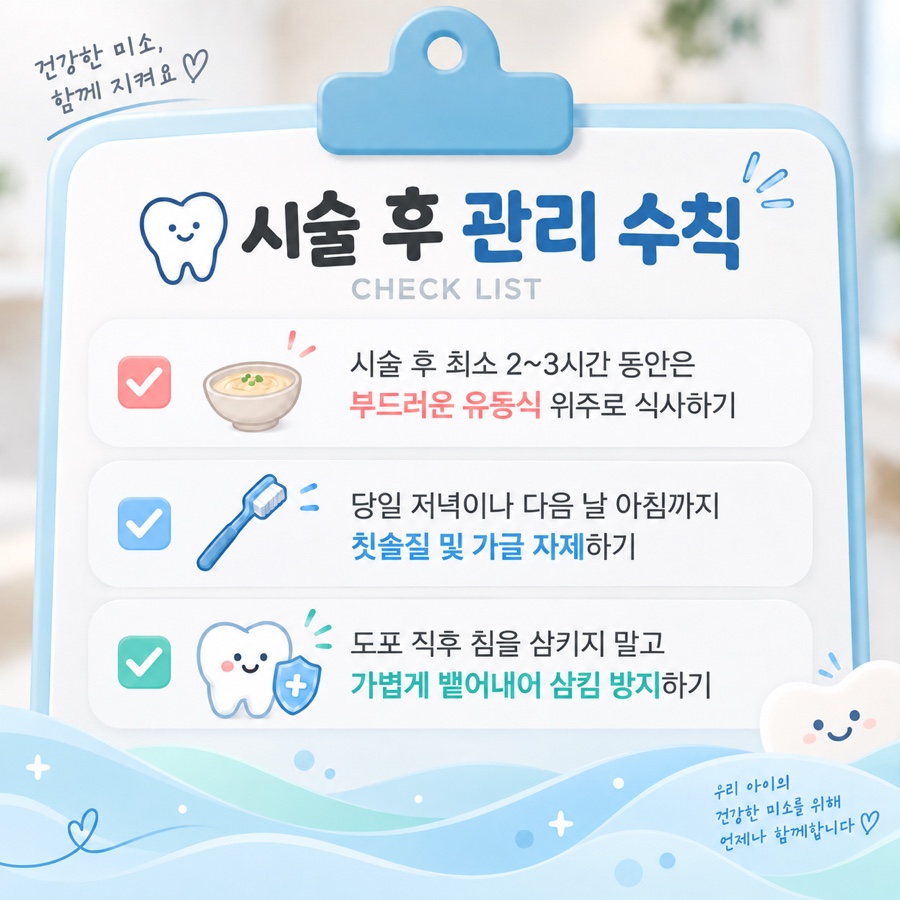
    Checklist: Aftercare Guidelines
    ✅ Stick to soft, liquid-based foods for at least 2–3 hours after treatment
    ✅ Avoid brushing and rinsing until that evening or the next morning
    ✅ Gently spit out saliva rather than swallowing it right after treatment

    Following these precautions carefully can help make the most of the fluoride treatment.

    A parent’s attention and consistent follow-through go a long way in supporting a child’s dental health.


    How Is Fluoride Treatment Priced by Age?

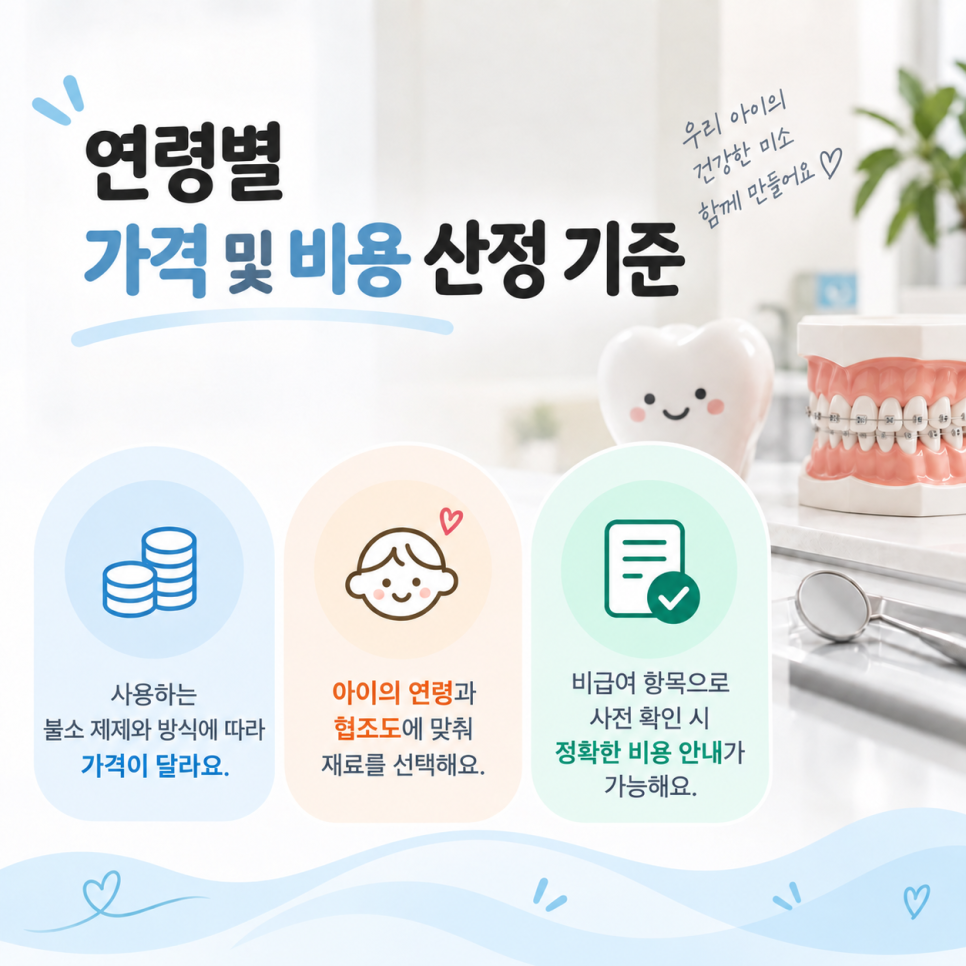
    Fluoride treatment pricing depends on the type of fluoride product used, how cooperative the child is during the procedure, and each dental practice’s non-covered fee schedule.

    Since this is a non-covered (out-of-pocket) treatment, prices can vary between practices.
    That’s why it helps to check the fee structure clearly before your visit.
    Fluoride treatment for kids illustration 10

    Typically, either a gel or varnish form is chosen based on the child’s age and how well they’re able to cooperate during the procedure.

    Age Group Cooperation Level Preferred Form
    Ages 3–5 May be difficult to cooperate Varnish, due to shorter application time
    Ages 6–12 Generally good cooperation Wider choice between gel and varnish
    Ages 13–18 High cooperation Focused care on permanent molars

    Fluoride treatment for kids illustration 11

    Tips for Safe Care
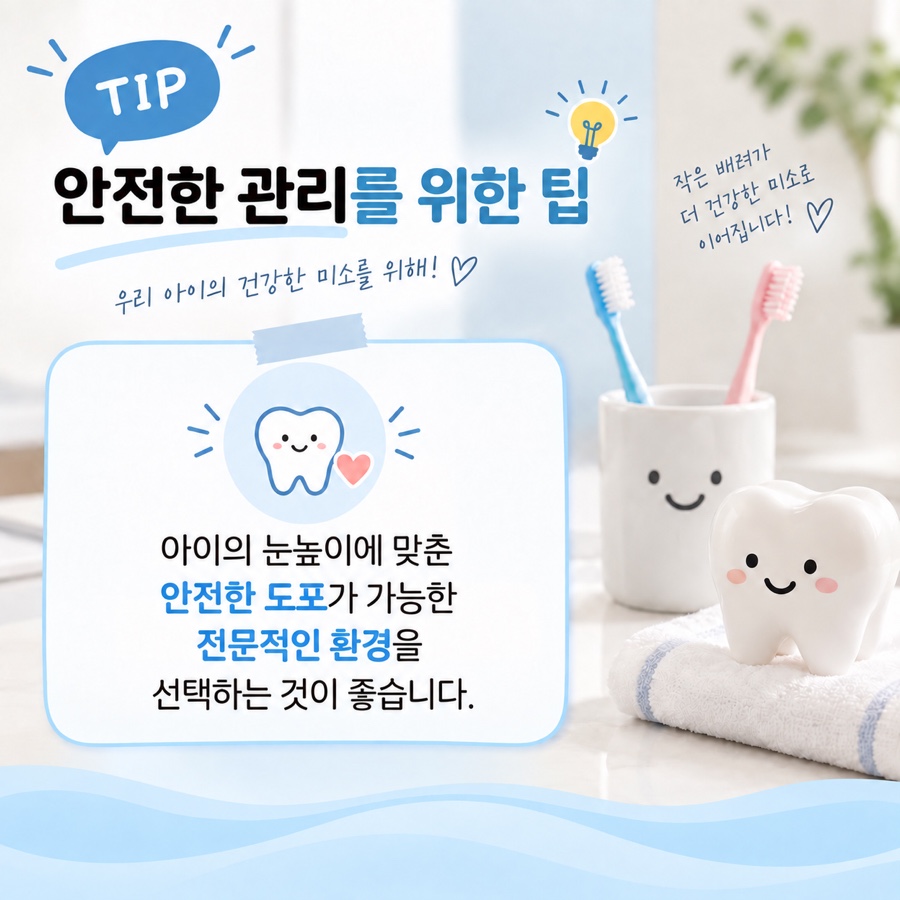
    ⚠ Rather than focusing only on the lowest price, it’s worth carefully checking whether the practice offers a professional environment suited to your child’s comfort and safety during treatment.
    Fluoride treatment for kids illustration 12

    What You Can Expect
    Keeping up with regular preventive treatment at a reasonable price may help reduce oral health costs over the long term.

    The most reliable way to find out non-covered pricing is to ask during a consultation.
    You can also find related treatment information on the Cheongnyangni Yonsei Dajeonghan Orthodontic Dental Clinic website.

    Fluoride treatment for kids illustration 13

    Frequently Asked Questions

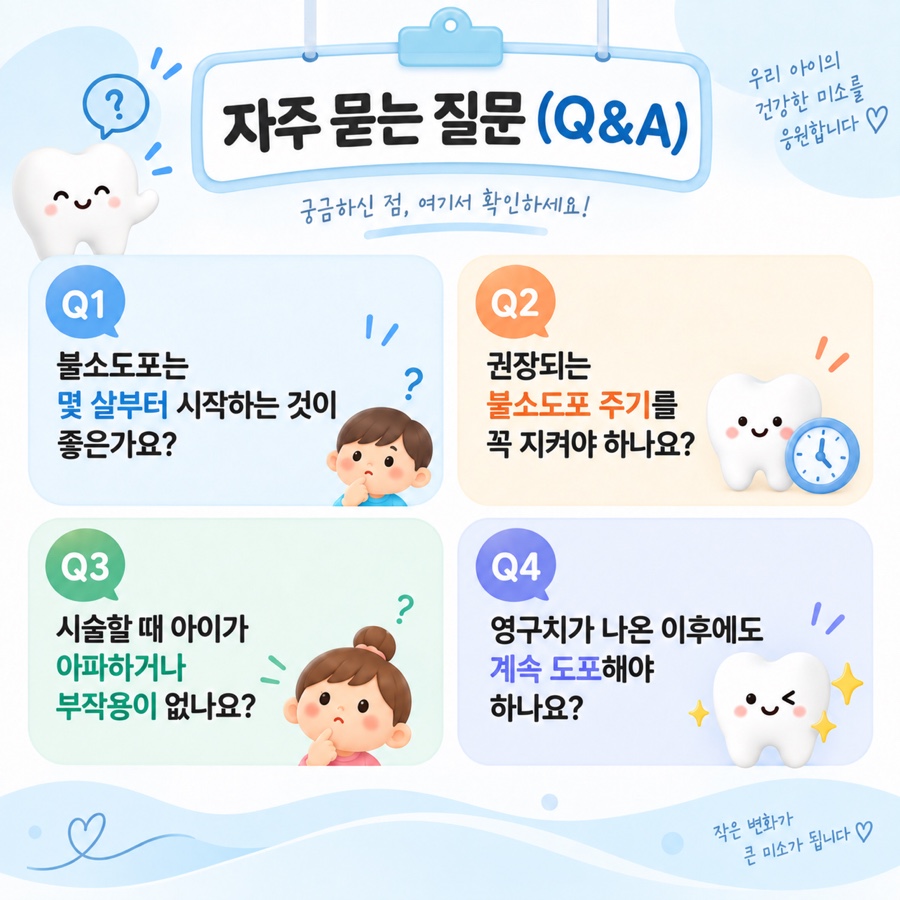
    1. What age is best to start fluoride treatment?
    It’s generally recommended to start around age 3, once most baby teeth have come in and the child is able to communicate and control swallowing.

    2. Is it important to stick to the recommended fluoride treatment schedule?
    Since fluoride’s protective layer gradually wears down over time, keeping to the recommended interval helps maintain its cavity-prevention benefit.

    3. Does the procedure hurt, or are there side effects?
    As a topical preventive treatment, it’s generally associated with minimal discomfort, and it’s considered relatively safe as long as care is taken to avoid swallowing after application.

    4. Should treatment continue after permanent teeth come in?
    Since permanent teeth need to last a lifetime, it’s advisable to continue regular care through adolescence, when cavity risk remains higher.

    5. Can fluoride treatment alone fully prevent cavities?
    Fluoride treatment is a supportive preventive measure that helps lower cavity risk; it should be combined with proper brushing and regular checkups to maintain its effect.

    Fluoride treatment for kids illustration 14

    References

    · Korea Disease Control and Prevention Agency, “Fluoride Application,” National Health Information Portal, 2026. Link
    · American Academy of Pediatrics, “Fluoride Use in Caries Prevention in the Primary Care Setting,” Pediatrics, 2014. Link
    Fluoride treatment for kids illustration 15

    This article is provided for general health information purposes only and is not a substitute for individual diagnosis or treatment. Please consult a dental professional if you have any symptoms or concerns.
  • Composite Resin vs Inlay vs Amalgam: 3 Cavity Filling Materials Compared

    Composite Resin vs Inlay vs Amalgam: 3 Cavity Filling Materials Compared

    SummaryWe compare composite resin vs inlay vs amalgam fillings by treatment method, color, insurance coverage, and strength. This guide outlines how to choose the right material based on cavity location, size, and bite force.

    Have you ever wondered about the difference between composite resin, inlay, and amalgam before getting a cavity treated?
    A higher price doesn’t always mean better quality, and a lower-cost material isn’t necessarily inferior.

    Considering the cavity’s location, size, and your bite force together helps you make a choice you won’t regret.

    This article compares the treatment methods, pros and cons, and insurance coverage of composite resin, inlay, and amalgam.
    It also explains which material suits different cavity sizes and how to care for your tooth after treatment.

    composite resin vs inlay vs amalgam differences

    composite resin vs inlay vs amalgam related image 2

    Key Points
    ✔ Composite resin and amalgam are direct restorations, filled in place
    ✔ Inlays are indirect restorations, custom-made and then bonded
    ✔ The right choice depends on cavity size and tooth condition, not price

    composite resin vs inlay vs amalgam related image 3

    What Is the Difference Between Composite Resin, Inlay, and Amalgam?

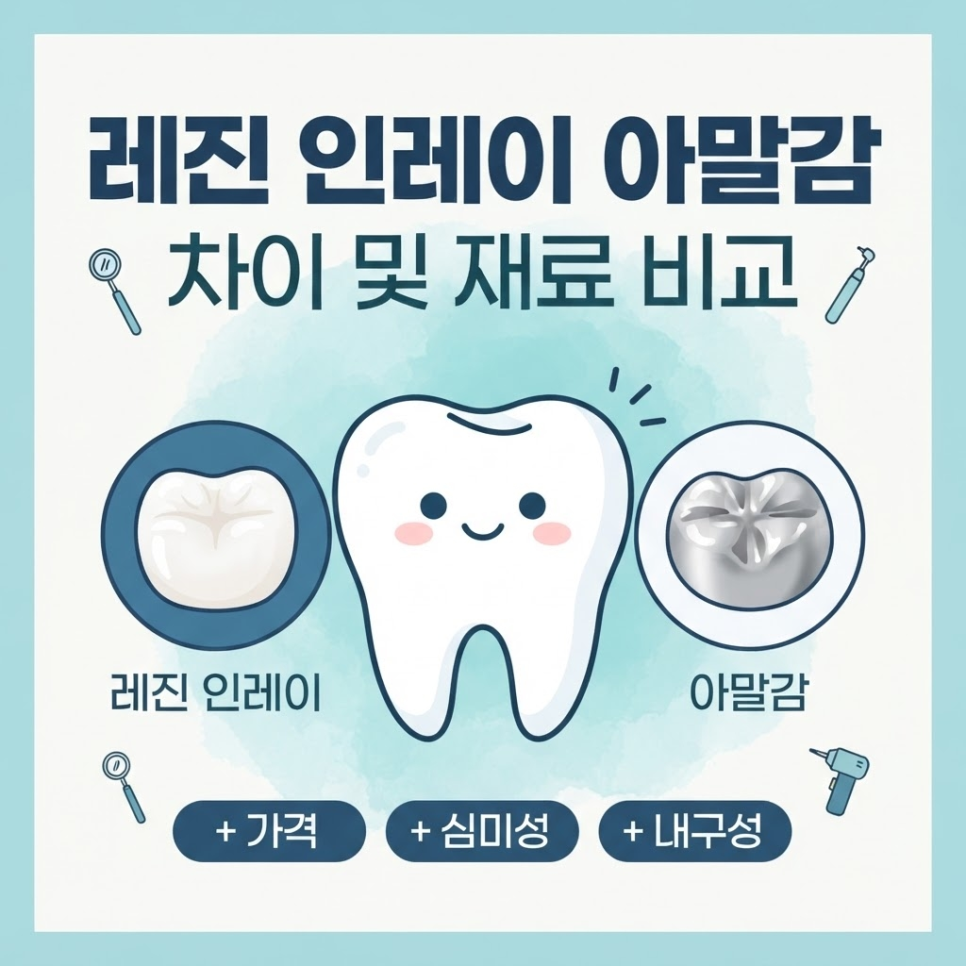
    The difference between composite resin, inlay, and amalgam shows up most clearly in the treatment method rather than the material itself.
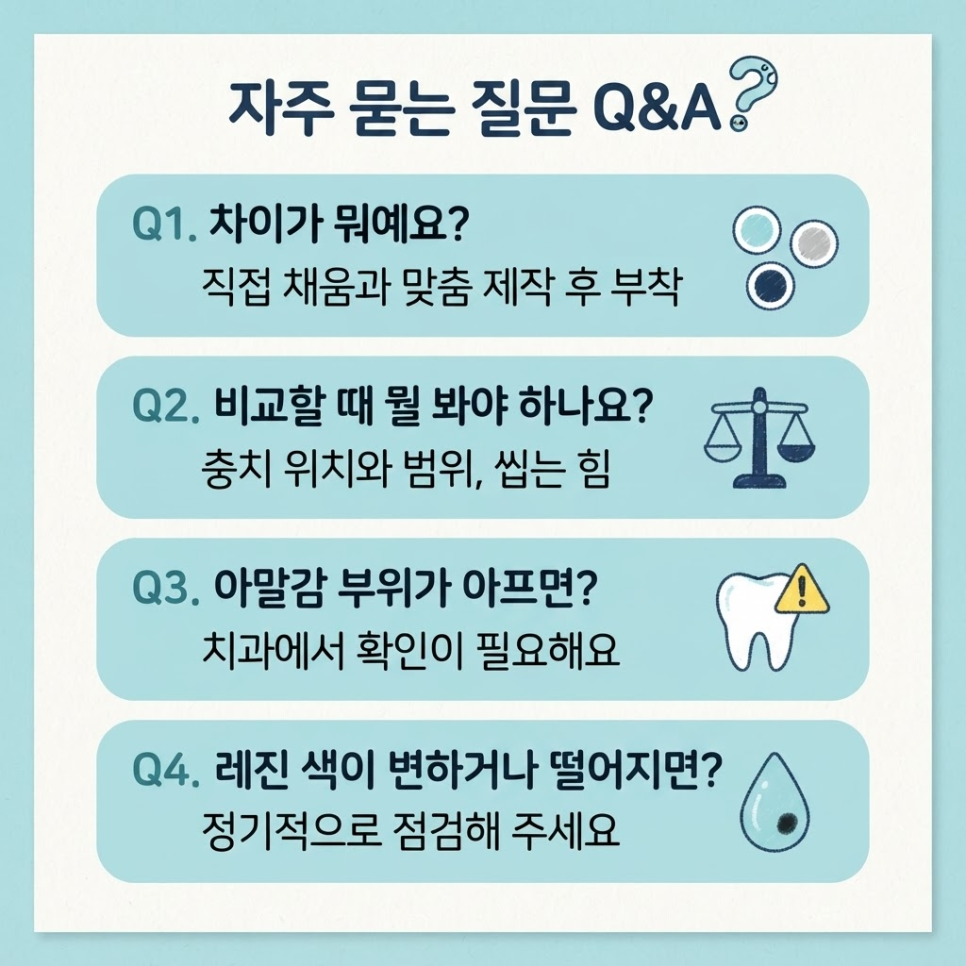
    Composite resin and amalgam are direct restorations, placed directly into the cavity after decay removal, while an inlay is an indirect restoration — a custom-made piece bonded onto the tooth.

    If a cavity is small and limited in area, direct restoration may be considered.
    However, if the damage is extensive or has spread between teeth, an inlay may be needed instead.

    So the difference between composite resin, inlay, and amalgam appears not only in the material but also in the treatment method and its scope of use.

    composite resin vs inlay vs amalgam related image 5

    Checklist · Comparing Restoration Methods
    ✅ Direct restoration – material is placed right after decay removal (composite resin, amalgam)
    ✅ Indirect restoration – a custom restoration is fabricated, then bonded to the tooth (inlay)

    composite resin vs inlay vs amalgam related image 6

    Which method is appropriate should be decided by comprehensively evaluating the cavity’s size and location along with the amount of remaining healthy tooth structure.


    How Do the Pros and Cons of Resin, Inlay, and Amalgam Compare?

    The three materials show clear differences in color, strength, and insurance coverage.
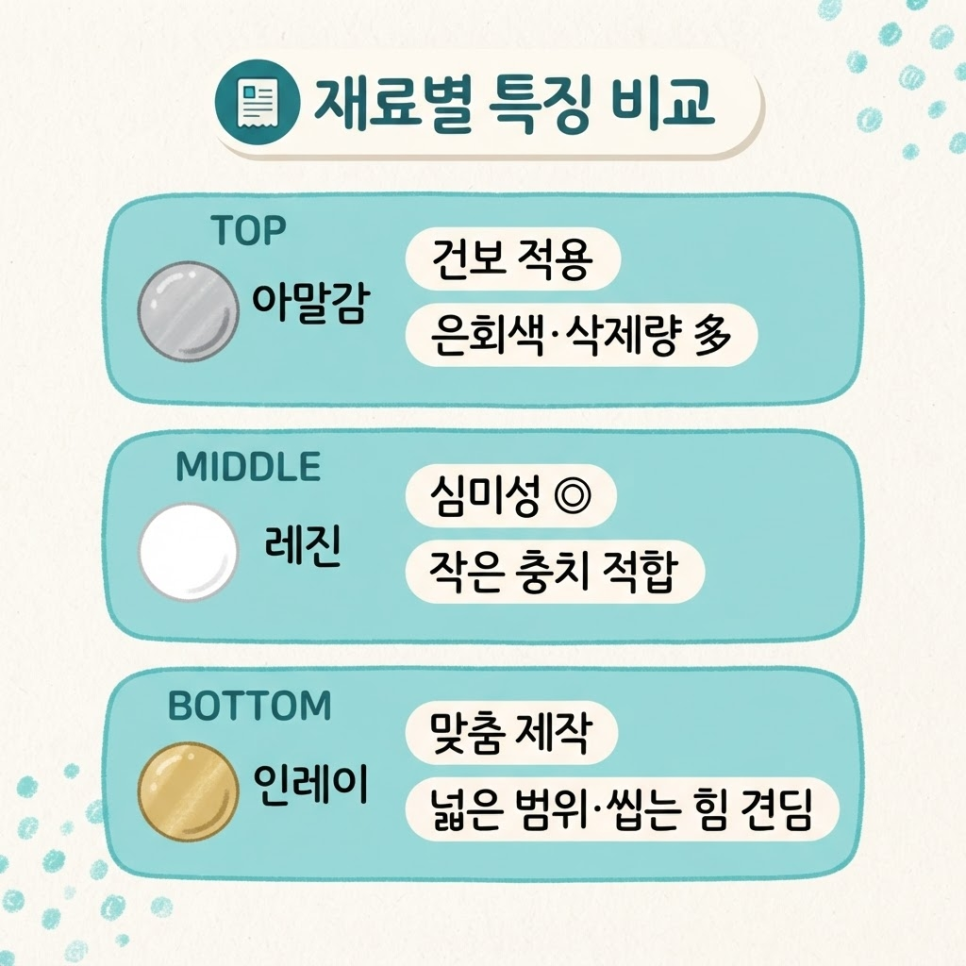
    Amalgam is a silver-gray metal material, composite resin is tooth-colored, and an inlay is a restoration custom-fabricated to match the shape of the tooth.

    composite resin vs inlay vs amalgam related image 7

    composite resin vs inlay vs amalgam related image 8

    Material Color Insurance Coverage Features
    Amalgam Silver-gray Covered (for certain ages/areas) Cost-effective, but lower aesthetics and more tooth structure removed
    Composite Resin Tooth-colored Partially covered (e.g., permanent teeth, age 12 and under) Natural-looking with less tooth structure removed, but may wear or stain over time
    Inlay Varies by material Not covered by insurance Precisely fabricated for larger areas; withstands bite force well

    The insurance coverage figures above reflect South Korea’s National Health Insurance system and do not represent US private dental insurance; coverage varies by plan and country, so check with your own insurer to confirm what is covered.

    composite resin vs inlay vs amalgam related image 9

    Key Points
    ✔ Amalgam may be covered by insurance but has lower aesthetics
    ✔ Composite resin looks natural but may wear down over time
    ✔ Inlays are precisely made to withstand bite force well, but are usually not covered by insurance

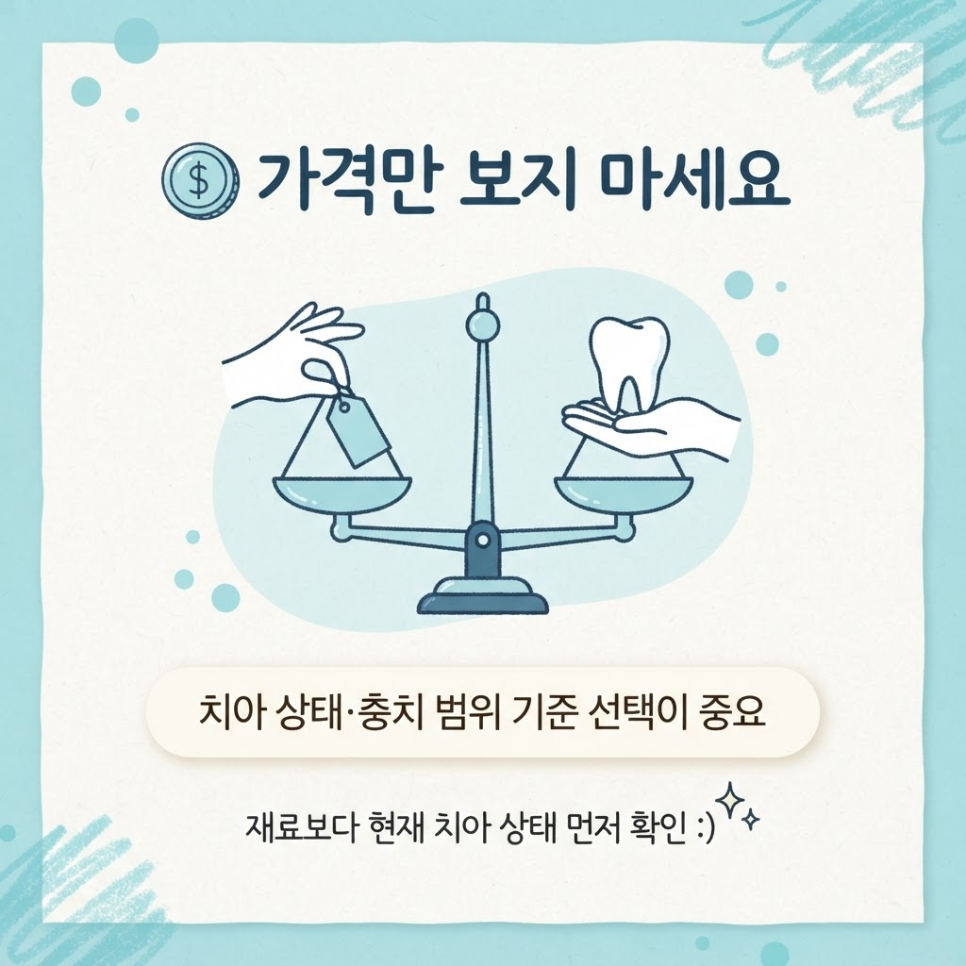
    Ultimately, rather than comparing composite resin, inlay, and amalgam by price alone,
    it’s important to choose based on your tooth condition and the extent of the cavity.


    Which Material Should You Choose Based on Cavity Size?

    If the cavity is small, direct restoration with a material like composite resin after removing the decay may be considered.
    However, if the decay has spread widely or extends between teeth, an inlay may be needed.

    If the cavity has progressed deep near the nerve, simple restoration alone may not be enough to treat it.

    composite resin vs inlay vs amalgam related image 10

    Precautions · Treatment Based on Cavity Progression
    ⚠ Early-stage cavities may be periodically monitored depending on their condition
    ⚠ Cavities requiring restoration should be treated with a material matched to the extent of damage
    ⚠ If decay has reached the nerve, additional treatment such as root canal therapy may be needed

    composite resin vs inlay vs amalgam related image 11

    Even if you understand the differences between composite resin, inlay, and amalgam, it’s best to have your current tooth condition checked rather than choosing a material on your own.
    Since more extensive tooth damage can mean a larger scope of treatment,

    catching cavities early through regular dental checkups is important.


    How Should You Care for Your Tooth After Filling Treatment?

    Regardless of which material was used, food particles or plaque can build up at the margin between the tooth and the restoration.
    Aftercare for restorative treatment means maintaining hygiene at that margin and checking its condition regularly.

    composite resin vs inlay vs amalgam related image 12

    If the treatment was between teeth in particular, use floss or an interdental brush for areas that brushing alone can’t reach.
    You should also regularly check that the restoration hasn’t chipped or come loose, and that no new decay has developed at the margin.

    Checklist · Aftercare for Restorative Treatment
    ✅ Brush thoroughly and use floss or an interdental brush
    ✅ Be cautious with very hard or sticky foods
    ✅ Check the restoration’s condition at regular dental visits
    ✅ See a dentist if pain or sensitivity persists

    composite resin vs inlay vs amalgam related image 13

    Comparing the characteristics of each material, receiving treatment suited to your tooth condition, and keeping up consistent care afterward
    can help you keep your natural teeth longer.

    If you’d like more information about ongoing care, you can check the treatment guide on the Cheongnyangni Yonsei Dajeonghan Dental Clinic homepage.


    Frequently Asked Questions

    composite resin vs inlay vs amalgam related image 14

    1. What is the difference between composite resin, inlay, and amalgam?
    Composite resin and amalgam are placed directly into the cavity after decay removal, while an inlay is custom-made and then bonded onto the tooth. Differences can also appear in color, strength, and scope of use.

    2. What should I look at first when comparing cavity filling materials?
    Rather than comparing price or appearance alone, it’s best to also consider the cavity’s location and size, the remaining tooth structure, and your bite force.

    3. If an amalgam filling hurts, does it need to be replaced right away?
    Pain alone isn’t enough to determine whether replacement is needed. There can be several causes, such as secondary decay around the restoration, damage, or a bite issue, so it’s best to have a dentist check the area.

    4. Can a composite resin filling discolor or come off over time?
    Staining, wear, or fracture may occur over time. It’s best to have the restoration and surrounding tooth checked regularly as part of ongoing care.


    References

    · Worthington HV, et al., “Direct composite resin fillings versus amalgam fillings for permanent posterior teeth,” Cochrane Library, 2021. View source
    · Ministry of Health and Welfare (Korea), “Expansion of National Health Insurance Coverage for Cavity Treatment in Children Age 12 and Under,” MOHW Press Release, 2019. View source


    This article is intended for general health information purposes only and is not a substitute for individual diagnosis or treatment. If you have symptoms, please consult a dental professional.