Tag: Yonsei Dajeonghan Orthodontics

  • Clear Aligners vs Braces: How to Choose and 3 Rules for 22-Hour Wear

    Clear Aligners vs Braces: How to Choose and 3 Rules for 22-Hour Wear

    SummaryWhen comparing clear aligners vs braces, the real deciding factors are diagnosis and wear habits. In one study, only 36% of patients consistently met the 22-hour daily wear target, and both Korea’s MFDS and the U.S. FDA have warned against using clear aligners without a specialist’s diagnosis. A Cheongnyangni orthodontic specialist breaks down how to choose.

    Almost every patient who sits down in the consultation room asks the same question first.
    Whether clear aligners or braces would be the better choice.

    Clinical experience suggests the answer is a little different.
    What matters more than the type of appliance is your tooth condition and your wear habits.

    This article breaks down the criteria for a clear aligners vs braces comparison.
    We’ll walk through the differences in structure and pain, when clear aligners have the advantage, how to correct teeth that don’t move as planned, the daily wear-time standard, and how to verify an orthodontic specialist.

    Key takeaway
    A clear aligners vs braces comparison isn’t about which appliance is “better” — it comes down to diagnosis and wear habits.
    Clear aligners tend to work well for open bite, deep bite, re-treatment cases, and growing children, while more complex cases — such as crowding, extractions, or protruding teeth — call for a specialist consultation first.
    One study found that only 36% of patients consistently wore their aligners 22+ hours a day, making wear habits a key variable in treatment outcomes.

    Clear Aligners vs Braces: How Do They Differ in Structure and Pain?

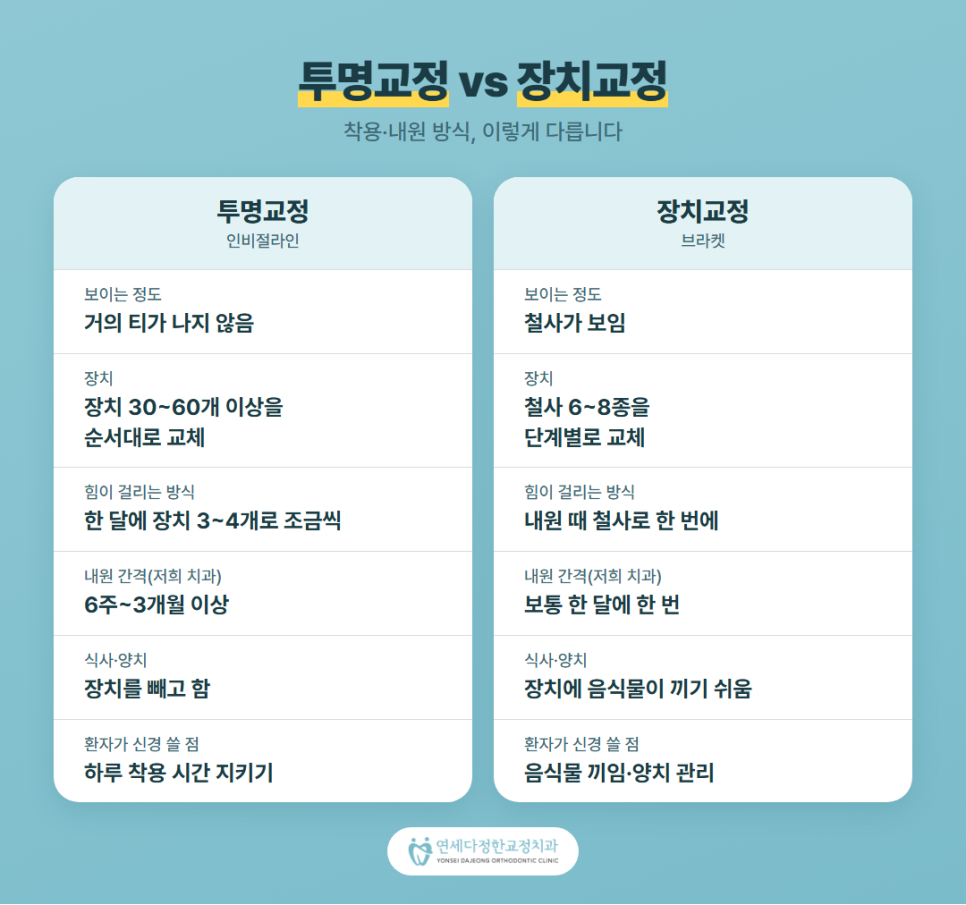
    The two methods differ in where and how the force that moves your teeth is applied.
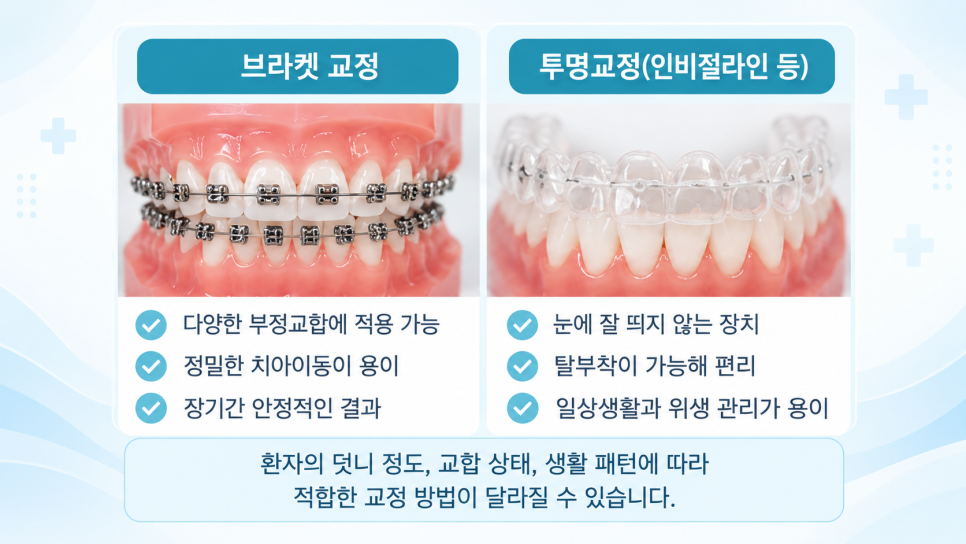
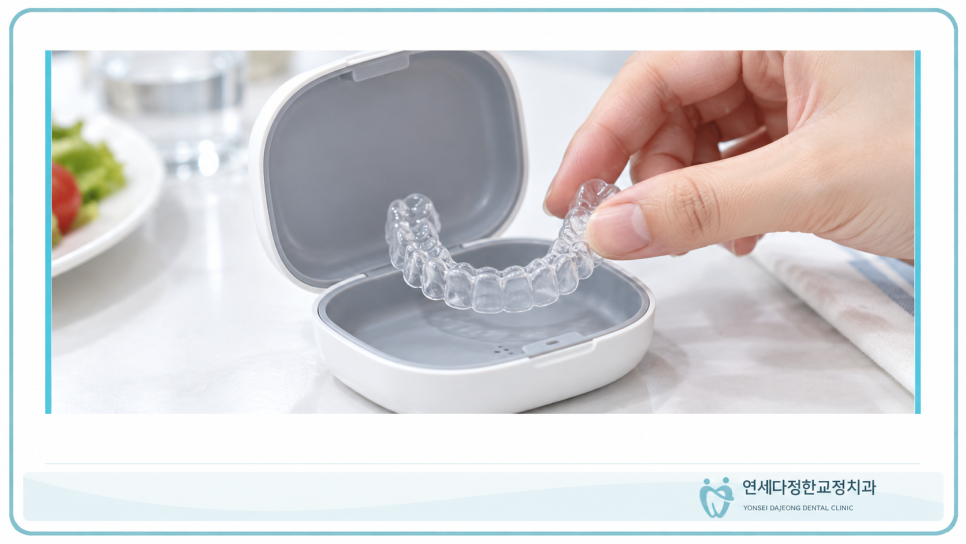
    Clear aligners are an orthodontic method that gradually moves teeth by switching through a series of clear plastic trays.
    Braces, by contrast, work by bonding brackets to the teeth and applying force through a wire.

    Invisalign is simply one brand of clear aligner.
    Just as many people use “Kleenex” to mean any tissue or “Band-Aid” for any adhesive bandage, the Invisalign name has become shorthand for clear aligners as a whole.
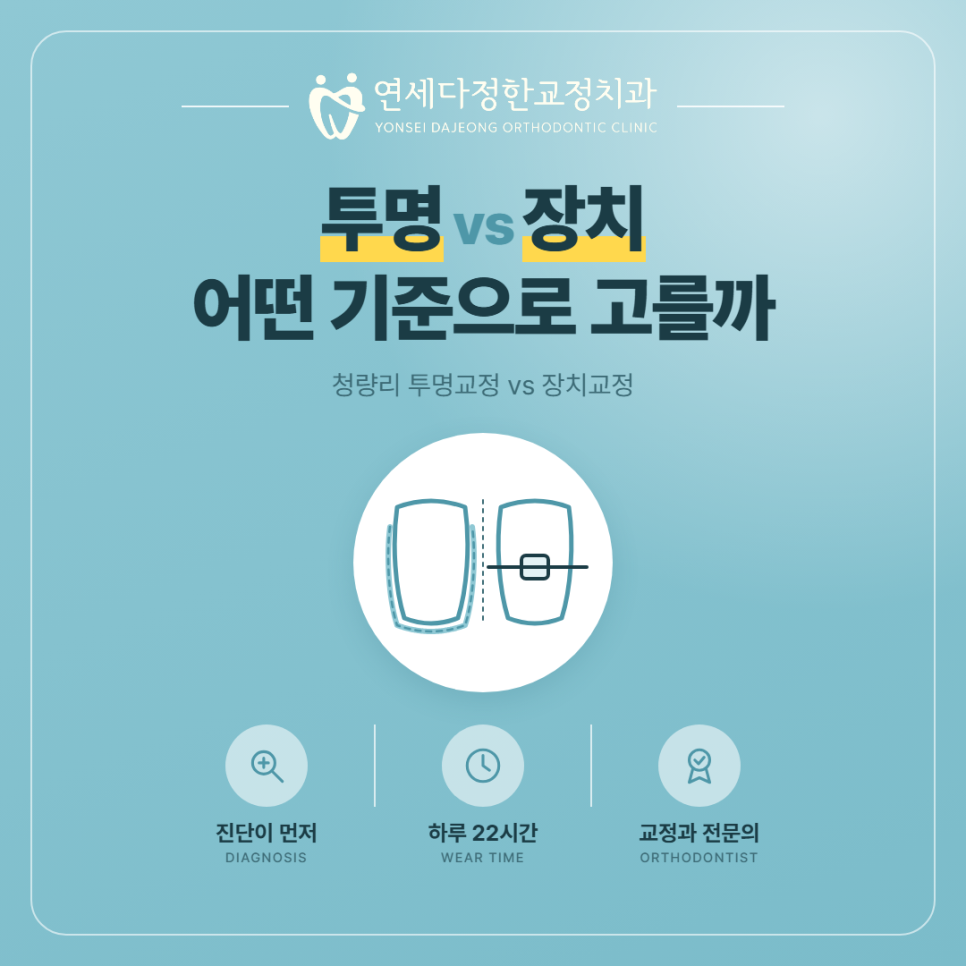
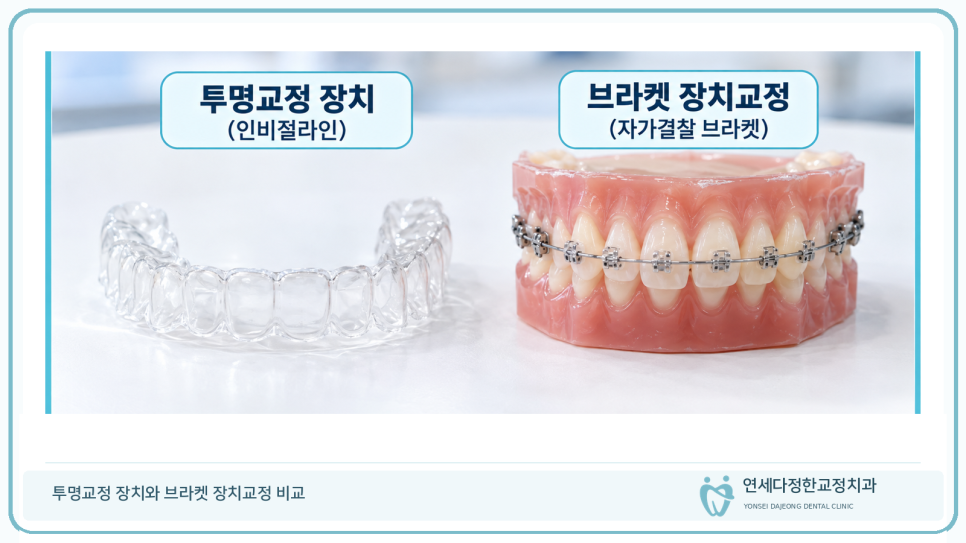
    Clear aligners vs braces comparison

    Clear aligners vs braces comparison image 2

    Category Clear Aligners Braces
    Appliance type Clear trays, changed every 1-2 weeks Brackets + wire
    Removable Removable for eating and brushing Not removable
    Visit frequency Every 6 weeks to 3 months Every 3-4 weeks
    Appearance Barely noticeable Visible appliance
    Pain pattern Mild discomfort spread over several occasions Sharper pain concentrated right after adjustments

    Clear aligners vs braces comparison image 3

    The way pain is experienced also differs.
    Traditional wire braces tend to cause a spike of discomfort right after each adjustment,
    while clear aligners tend to produce milder discomfort spread out over several weeks.


    When Are Clear Aligners Especially Advantageous?

    Even among patients with malocclusion, how much clear aligners help can vary.
    Malocclusion refers to a condition where the upper and lower teeth or jaw don’t align within a normal range.
    Clinically, clear aligners tend to work especially well in the following four situations.

    • Open bite — when the front teeth don’t meet when biting down
    • Deep bite — when the front teeth overlap excessively
    • Re-treatment — when teeth shift back out of alignment after previous orthodontic treatment
    • Orthodontic treatment for growing children

    On the other hand, more complex cases that require significant tooth movement — such as crowding, extraction cases, or protruding teeth — need careful evaluation to determine whether clear aligners alone are sufficient.
    The more complex the case, the more important it is to start with a detailed diagnostic consultation with a board-certified orthodontic specialist.

    For complex cases like an underbite where the lower jaw protrudes, some treatment approaches combine mini-screws with clear aligners to avoid extractions altogether.
    The guiding principle is always diagnosis first, with the choice of appliance coming second.
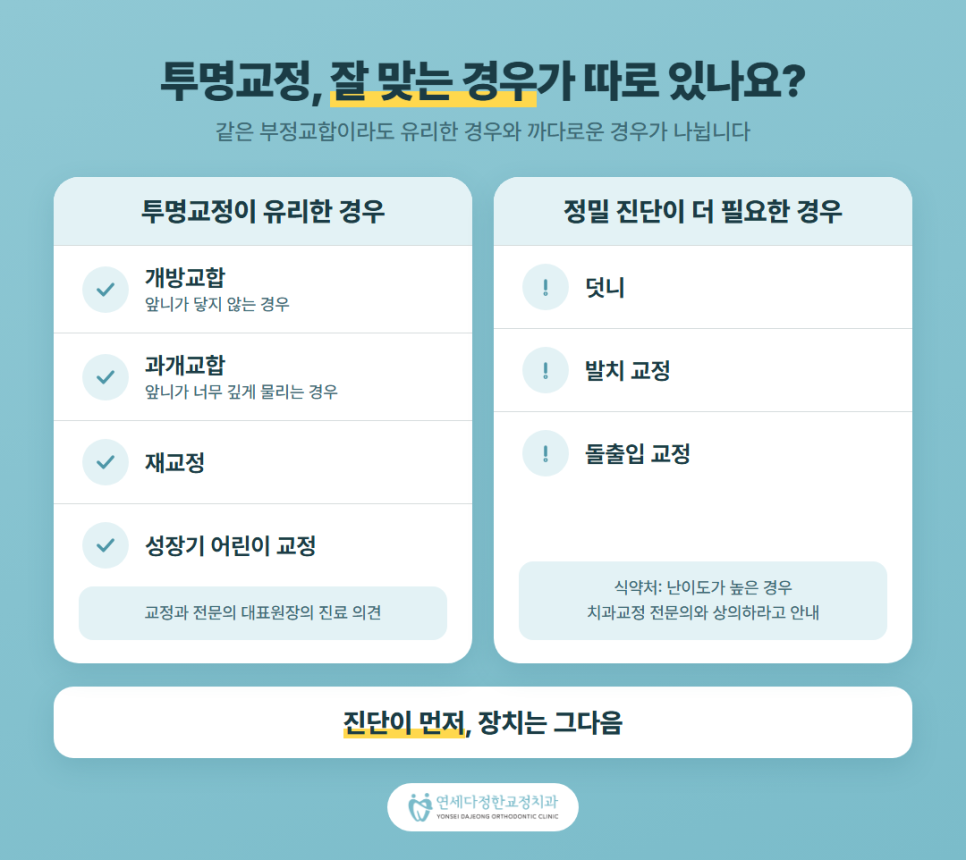
    Clear aligners vs braces comparison image 4


    What Happens When Teeth Don’t Move as Planned?

    In practice, teeth don’t always move exactly as planned with clear aligners.
    Studies report that the accuracy of rotational movement for canines — rotating the tooth into position — ranges from 35.8% to 64%, depending on the study.
    By contrast, intrusion of front teeth (moving them up to 2mm toward the gum line) has a much higher predictability, around 92%.

    That’s why treatment planning builds in safeguards from the start, with mid-course check-ins and additional trays to finish the job.
    Here are the four correction methods actually used in treatment planning.

    1. Attachments — small resin bumps bonded to teeth so the aligner can grip them more effectively
    2. Staging — breaking difficult tooth movements into smaller steps
    3. Mini-screws (orthodontic anchors) — small screws that anchor the back teeth so they don’t shift unintentionally
    4. Refinement trays — additional aligners made after a mid-treatment check to correct any teeth that haven’t moved as planned

    Clear aligners vs braces comparison image 5

    Invisalign plans tooth movement using a 3D simulation called ClinCheck.
    However, ClinCheck isn’t a system that creates the treatment plan on its own.
    It’s a tool that carries out the plan the dentist designs.
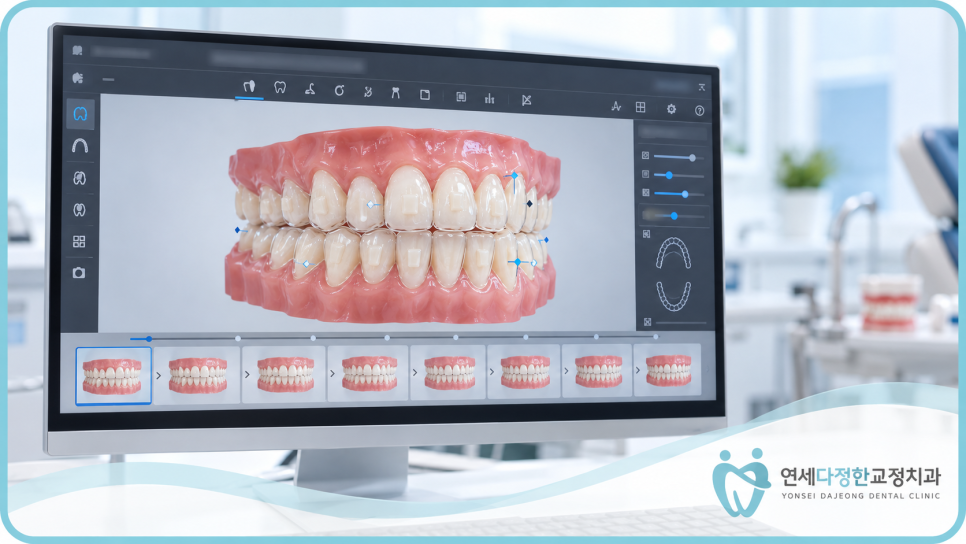
    Clear aligners vs braces comparison image 6


    How Many Hours a Day Should You Wear Clear Aligners?

    The basic rule is to wear your aligners nearly all day, removing them only to eat and brush.
    Research also considers 22+ hours a day to be the benchmark for adequate wear.

    Results
    In a study analyzing 2,644 clear aligner patients, only 36% (953 patients) were classified as “fully compliant,” meaning they consistently met this wear-time standard.
    The rest either fell short of the target or wore their aligners only intermittently.
    No matter how precisely an appliance is designed, treatment won’t progress as planned without enough wear time.
    Wear checklist
    ✅ Remove your aligners before eating
    ✅ Wash your hands with soap before putting them back in
    ✅ Switch to the next set in the correct order
    ✅ Confirm you’re wearing them more than 22 hours a day
    Caution
    If you experience discomfort, a damaged tray, a bite that feels off, or gum inflammation, stop wearing the aligner and contact your dentist right away rather than waiting for your next scheduled visit.
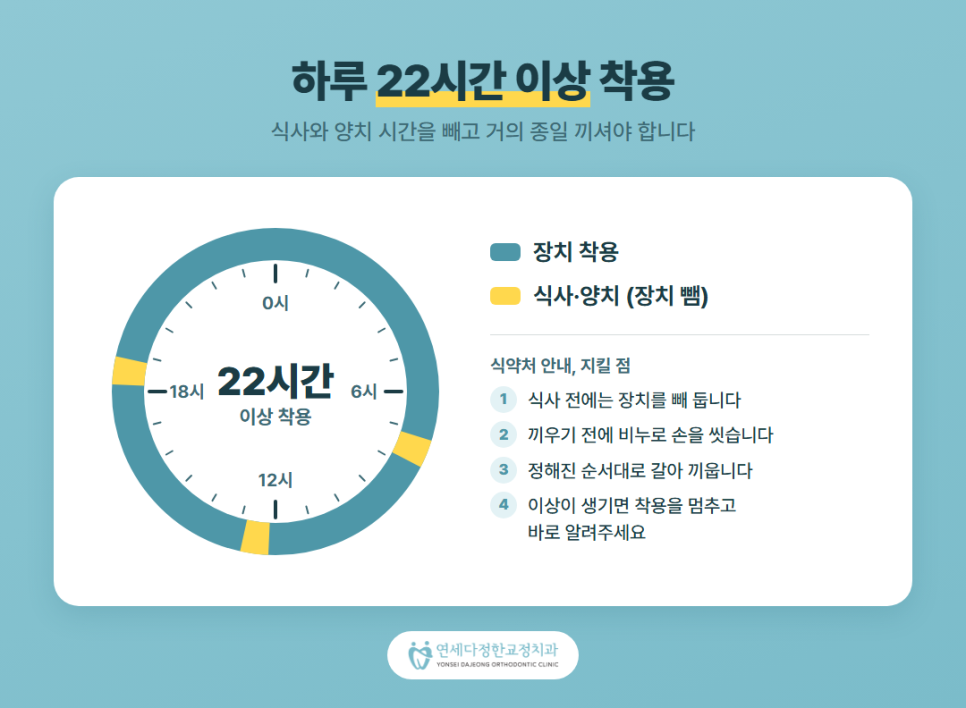
    Clear aligners vs braces comparison image 7

    Clear aligners vs braces comparison image 8


    How Do You Verify an Orthodontic Specialist?

    A board-certified orthodontist is a dentist who, after graduating from dental school, has completed a one-year internship and three-year residency, then passed the specialist qualifying exam administered by Korea’s Minister of Health and Welfare.
    Having “orthodontic training experience” or having “attended orthodontic conferences” is not the same as holding this specialist certification.

    • Directly confirm whether the doctor is a certified orthodontic specialist
    • Check whether the specialist director personally handles your case from the initial consultation through appliance removal
    • Check whether you receive a detailed diagnosis (such as X-rays) and a clear explanation of the treatment plan

    These days, clear aligners sold directly online have also become more common.
    However, regulators have actually caught cases where simple mouthguards with no real tooth-moving function were falsely advertised as clear aligners.

    “Clear dental aligners sold online through direct overseas purchase or purchasing-agent services have not been verified for safety or effectiveness, and consumers should never buy them.”

    Korea’s Ministry of Food and Drug Safety (MFDS) issued this warning in 2020 after catching 92 cases of false or exaggerated advertising for clear dental aligners sold online.

    In October 2026, the U.S. FDA also issued an official warning that it has never approved any clear aligner sold directly to consumers without dentist supervision.
    This came after reports of real complications, including tooth pain, jaw pain, and bite problems.
    Clear aligner treatment should always begin with an in-person diagnosis at a dental clinic.

    Clear aligners vs braces comparison image 9

    Located across from Cheongnyangni Station in Dongdaemun-gu, Seoul, Cheongnyangni Yonsei Dajeonghan Orthodontics is an orthodontic clinic where a director who is a board-certified specialist in orthodontics and integrated dentistry personally handles every patient from the initial consultation through appliance removal.


    Frequently Asked Questions

    1. Does Invisalign hurt?
    It’s not entirely painless. However, because the force is applied gradually over many small steps, the discomfort is often milder compared to traditional braces.

    2. How often do I need to visit the clinic for clear aligner treatment in Cheongnyangni?
    Check-ups are typically scheduled every 6 weeks, sometimes up to every 3 months or more.

    3. Is clear aligner treatment covered by national health insurance?
    General orthodontic treatment, including clear aligners, is not covered by national health insurance in Korea and is billed as an out-of-pocket procedure. Costs are provided after a detailed diagnosis.

    4. Should I choose clear aligners or braces?
    Rather than the type of appliance, the priority is a detailed diagnosis of your teeth and jaw, and whether you can realistically commit to wearing aligners 22+ hours a day for the full treatment.

    5. Are clear aligners sold online safe?
    Clear aligners sold without an in-person dental diagnosis are not recommended — both Korea’s MFDS and the U.S. FDA have warned that their safety has not been verified.


    References

    · Khosravi R, et al., “Factors Influencing Patient Compliance during Clear Aligner Therapy: A Retrospective Cohort Study,” PMC, 2021. View source
    · Korea Ministry of Food and Drug Safety (MFDS), “92 Cases of False and Exaggerated Advertising for Unauthorized Dental Aligners Caught,” Hit News, 2020. View source
    · ADA News, “FDA warns public about unauthorized direct-to-consumer clear aligners,” American Dental Association, 2026. View source
    · Ministry of Health and Welfare, “Regulations on Specialist Training and Qualification Recognition,” Korea Law Information Center, 2025. View source
    · “Accuracy of Invisalign aligners in adult patients: a retrospective study of angular tooth movements,” PMC, 2024. View source


    This article is intended for general health information purposes only and is not a substitute for individual diagnosis or treatment. If you have symptoms, please consult a specialist.

  • Tooth Sensitivity Root Canal: 5 Signs You Need Treatment

    Tooth Sensitivity Root Canal: 5 Signs You Need Treatment

    SummaryNot every case of cold-sensitive teeth ends in a root canal. This guide breaks down tooth sensitivity root canal warning signs by looking at how long pain lingers after a stimulus fades, plus the treatment steps from cervical abrasion to crowns. Check with a dental clinic in Cheongnyangni to find out where you stand.

    Your coffee goes down just fine, but the second cold water hits a back tooth, it stings.
    Does sensitivity like that mean you’re headed straight for a root canal?

    Not necessarily.
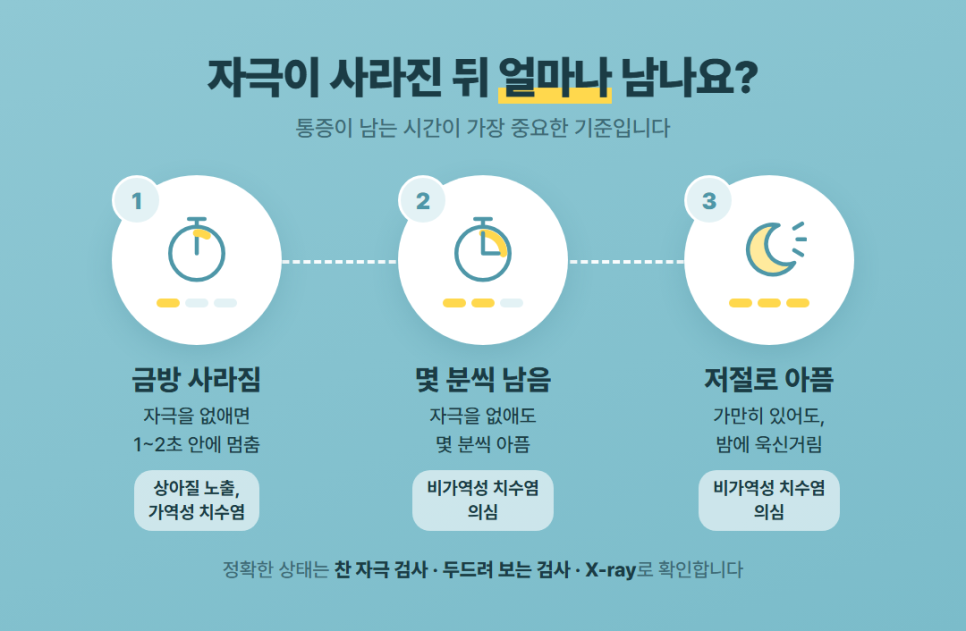
    How long the pain lingers after the stimulus is gone is one of the key factors that can help guide your treatment path.

    Key takeaway
    If the sensitivity fades within 1-2 seconds of removing the stimulus, the nerve is likely still alive — a sign of reversible pulpitis.
    If pain lingers for several minutes or throbs at night, you should suspect irreversible pulpitis, which may require tooth sensitivity root canal treatment.
    According to Korea’s national health information portal, dentin hypersensitivity affects an estimated 8-57% of adults, but simply timing how long the pain lasts can help you gauge how healthy the nerve is.

    tooth sensitivity root canal

    Why Do My Teeth Hurt When I Drink Something Cold?

    The short answer is simple.
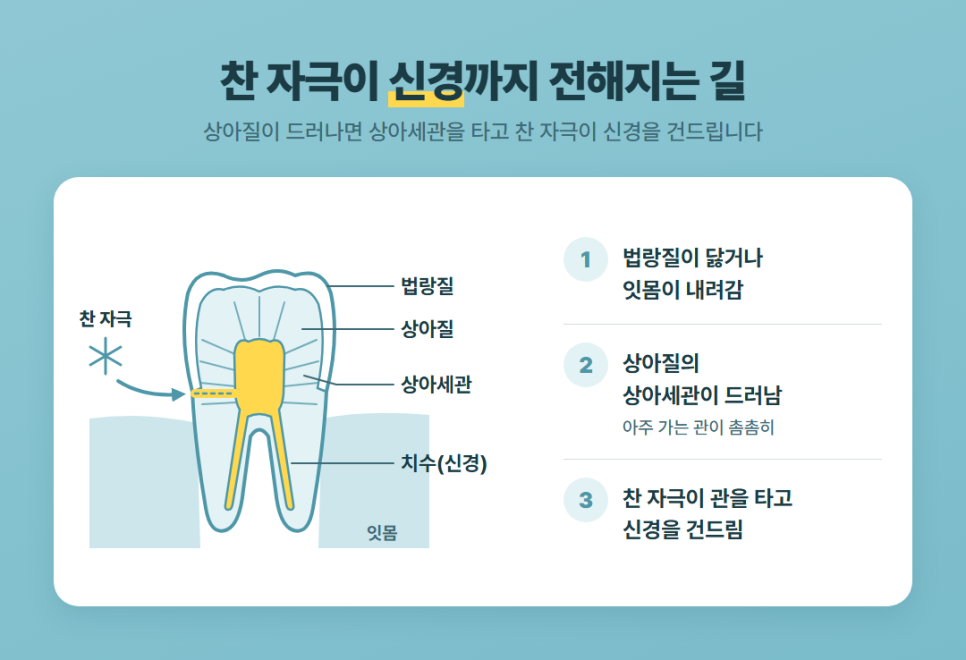
    Once dentin becomes exposed, cold stimuli travel straight through to the nerve.

    Dentin hypersensitivity is a condition in which external stimuli, carried through the dentinal tubules, excite the pulp nerve and trigger pain.
    When enamel that once covered the dentin wears away or the gumline recedes, cold reaches the nerve almost instantly through those thin dentinal tubules.

    A tooth is made up of enamel, dentin, cementum, and pulp. When dentin is exposed, it reacts sensitively to outside stimuli, producing sensitivity symptoms.

    That’s how the Korea Disease Control and Prevention Agency’s National Health Information Portal describes ‘tooth sensitivity (dentin hypersensitivity)’ in its entry on the topic.

    The most widely accepted explanation is the hydrodynamic theory, proposed by Brännström in 1964.
    Fluid inside the dentinal tubules shifts rapidly in response to temperature and pressure changes, and that movement is what irritates the nerve.

    tooth sensitivity root canal illustration 2

    One of the most common causes of tooth sensitivity is cervical abrasion.
    The cervical area, where the tooth meets the gum, has the thinnest enamel, so it’s usually the first spot to wear down from chewing force or teeth grinding.

    Brushing side-to-side with heavy pressure is another common habit that speeds up this wear.
    Cavities, cracked teeth, worn-out fillings, gum disease, and temporary sensitivity right after teeth whitening can all be contributing causes as well.

    tooth sensitivity root canal illustration 3


    How Do I Tell Tooth Sensitivity Apart From a Toothache?

    One of the most important factors is how long pain lingers after the stimulus is gone.
    If the sting is brief and fades quickly, the nerve is often still healthy.

    If pain lasts for several minutes, or if heat makes it worse, you should suspect a nerve-related problem.

    Pain Pattern Likely Condition
    Fades within 1-2 seconds after the stimulus is removed Dentin exposure, reversible pulpitis
    Lasts several minutes even after the stimulus is removed Irreversible pulpitis
    Throbs even at rest, worse at night Irreversible pulpitis
    Sharp, irregular pain when chewing Cracked tooth
    Tooth feels “raised,” gum swelling or pus Apical (root-tip) abscess

    tooth sensitivity root canal illustration 4

    Caution
    This table is only a rough reference to help you guess what might be going on.
    An accurate diagnosis requires a cold test, percussion test, and X-ray at a dental clinic.

    What Treatments Come Before a Root Canal?

    If the nerve is still alive, treatment usually starts with sealing and protecting the sensitive area.

    If only dentin is exposed, a desensitizing toothpaste or an in-office fluoride or sealant application can block the dentinal tubules.
    If the cervical area has worn into a notch, dentists typically fill it with resin or GI (glass ionomer).

    If a cavity has reached the dentin, the decay is removed and the space is filled with resin or an inlay in most cases.

    Key points
    ✔ Dentin exposed → fluoride/sealant, desensitizing toothpaste
    ✔ Cervical wear or notching → resin or GI filling
    ✔ Decay reaching dentin → resin or inlay treatment
    ✔ Inflammation reaching the nerve → root canal treatment should be considered
    Typical outcome
    When the cervical notch isn’t deep, a resin filling can often resolve the pain without further treatment.
    When decay is caught early in the dentin, it can frequently be managed with an inlay or resin filling without needing a root canal.

    Tooth Sensitivity Root Canal: When Is It Actually Necessary?

    Once nerve inflammation reaches a stage where it’s unlikely to heal on its own, root canal treatment or extraction becomes necessary.
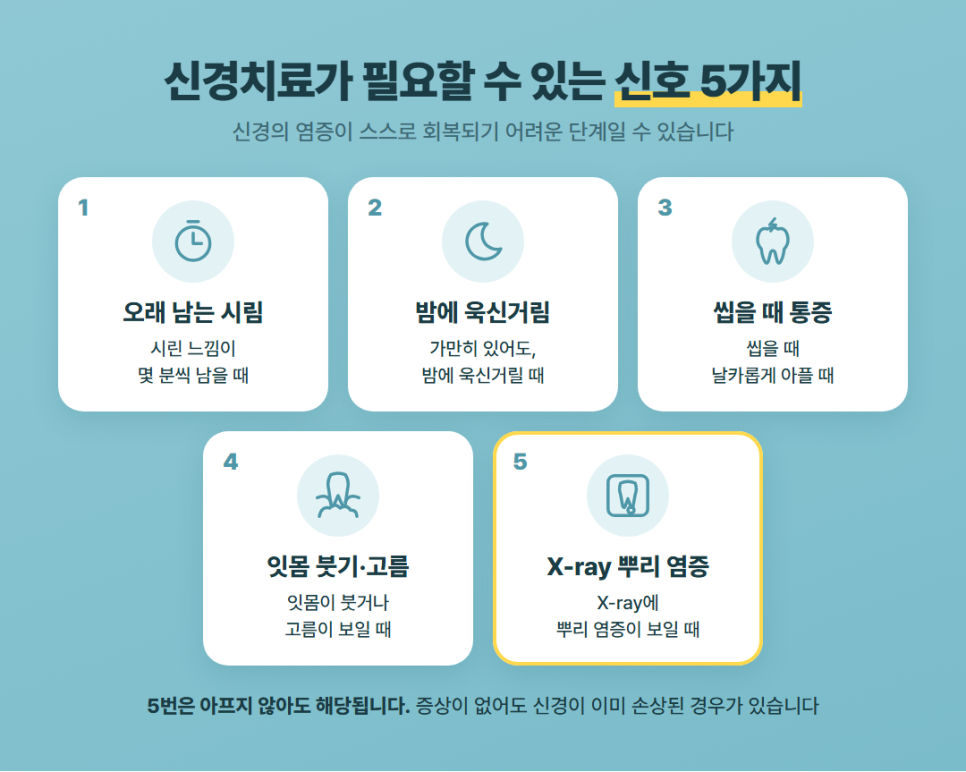
    If any of the five signs below apply to you, it’s best to get checked out soon.

    Checklist
    ✅ Sensitivity lingers for several minutes
    ✅ Throbs even at rest, worse at night
    ✅ Sharp pain when chewing
    ✅ Gum swelling or visible pus
    ✅ Root-tip inflammation shows up on an X-ray (even without pain)

    tooth sensitivity root canal illustration 5

    That fifth sign matters because it applies even without pain.
    That’s because the nerve can already be damaged with no symptoms at all.

    Root canal treatment removes the inflamed nerve tissue, disinfects the canal, and seals it, with the goal of saving your natural tooth.

    If the Pain Suddenly Stops, Does That Mean It’s Healed?

    No.
    If severe pain suddenly disappears, it may mean the nerve has died and can no longer register pain.

    The inflammation is often still active even after the pain is gone.
    Left untreated, the infection can spread to the root tip, causing gum swelling and pus, and in more advanced cases it can spread into the jawbone, which can lead to tooth loss.

    tooth sensitivity root canal illustration 6

    Caution
    Painkillers or antibiotics only ease the pain temporarily — they don’t address the underlying problem.
    The longer treatment is delayed, the more visits and more extensive treatment may be needed.

    Why Do You Need a Crown After a Root Canal?

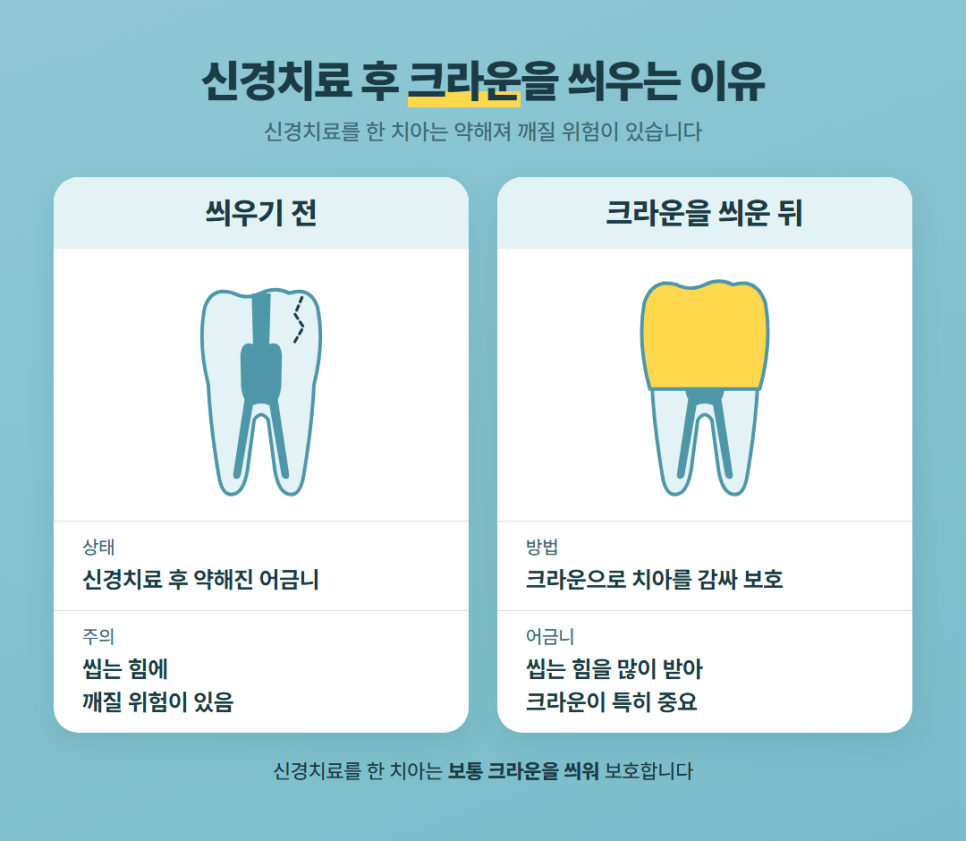
    Because a tooth becomes structurally weaker after root canal treatment, it’s usually covered with a crown for protection in most cases.

    Once the nerve and blood vessels are removed, the tooth gradually dries out, and since the procedure hollows out the center of the tooth, it becomes more prone to fracture.

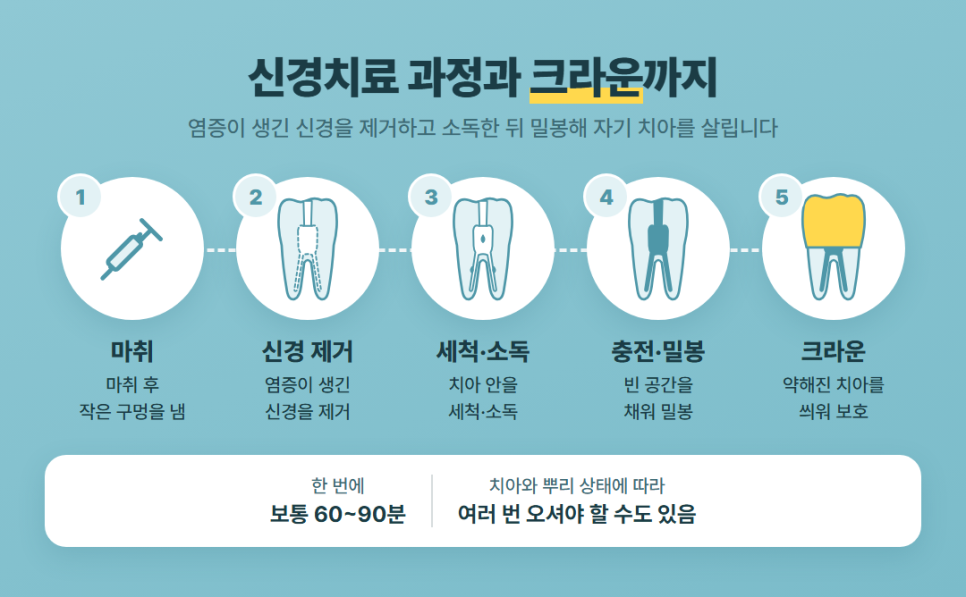
    Root canal treatment generally follows these steps:

    1. Administer anesthesia and create a small opening to access the inflamed nerve
    2. Remove the inflamed nerve tissue
    3. Clean and disinfect the inside of the tooth
    4. Fill and seal the empty space
    5. Fabricate a crown to protect the weakened tooth

    Each session usually takes about 30 to 90 minutes, and depending on the tooth and root condition, treatment may be split across multiple visits.
    The crown’s role matters even more for molars, which bear the brunt of chewing force.

    tooth sensitivity root canal illustration 7

    tooth sensitivity root canal illustration 8

    Key points
    ✔ Teeth can weaken after root canal treatment
    ✔ A crown helps prevent fracture
    ✔ Crowns matter more for molars
    ✔ Treatment typically takes 30-90 minutes per session

    Yonsei Dajeonghan Orthodontics, located in Cheongnyangni, Dongdaemun-gu, Seoul, brings together specialists in orthodontics, periodontics, and comprehensive dentistry who collaborate on care ranging from orthodontic treatment to cavities and prosthodontics.
    If you’d like to learn more about tooth sensitivity, you can review treatment information on the Yonsei Dajeonghan Orthodontics homepage in Cheongnyangni.

    When cold sensitivity strikes, start by checking how long the pain lingers after the stimulus is gone.
    Even if your symptoms are ambiguous, it’s safest to have a dentist confirm whether tooth sensitivity root canal treatment is actually needed.


    Frequently Asked Questions

    1. Is desensitizing toothpaste enough on its own?
    If only dentin is exposed, it often helps. You can also dab a small amount on your finger and apply it directly to the sensitive spot. However, if the cause is a cavity or a cracked tooth, toothpaste alone won’t resolve it.

    2. Do I need to see a dentist right away for cold sensitivity?
    Sensitivity that fades quickly isn’t an emergency, but it still needs to be checked. If painkillers can’t control the pain, you should see a dentist as soon as possible.

    3. I’m in braces and my teeth feel sensitive — is that normal?
    There are reports that orthodontic force can temporarily increase sensitivity in the tissue around the teeth, and it usually settles once tooth movement stabilizes. That said, if the sensitivity lasts a long time or the tooth aches on its own, let your orthodontist know right away rather than waiting for your next scheduled visit.

    4. Does a cervical notch always lead to a root canal?
    Not necessarily. If it’s left unmanaged and decay deepens, it can eventually require a root canal, but if caught before it progresses, a resin filling is often enough.

    5. Is a crown always necessary after a root canal?
    For teeth that bear heavy chewing force, like molars, going without a crown raises the risk of fracture, so it’s recommended in most cases.


    References

    · Korea Disease Control and Prevention Agency, “Tooth Sensitivity (Dentin Hypersensitivity),” National Health Information Portal. Link
    · Seoul National University Hospital, “Reversible Pulpitis,” SNUH Health Information. Link
    · Wikipedia, “Dentin Hypersensitivity” (Brännström’s hydrodynamic theory, 1964). Link


    This article is intended for general health information purposes only and is not a substitute for individual diagnosis or treatment. If you have symptoms, please consult a dental professional.

  • Crooked Canine Tooth Correction: 3 Extraction Criteria and Non-Extraction Options in Cheongnyangni

    Crooked Canine Tooth Correction: 3 Extraction Criteria and Non-Extraction Options in Cheongnyangni

    SummaryWhether crooked canine tooth correction in Cheongnyangni needs extraction or not depends on how severe the misalignment is and whether the mouth protrudes. This guide covers why canine teeth get pushed out of place, three non-extraction methods, whether clear aligners can work, and typical treatment duration.

    There’s one question orthodontic consultations hear more than any other.
    Do I really need to have a tooth pulled?

    Consultations for crooked canine tooth correction in Cheongnyangni often start with this same question.
    But the answer isn’t as simple as it might seem.

    When the canine tooth is only mildly out of place, it can often be straightened without extraction. When it’s severely displaced or the mouth protrudes as well, a small premolar is often removed instead.

    Crooked canine tooth correction in Cheongnyangni

    Key Takeaways
    Whether treatment for a crooked canine tooth in Cheongnyangni involves extraction or not depends on the severity of the misalignment and whether the mouth protrudes.
    Mild cases can often be corrected with non-extraction methods such as arch expansion, interproximal reduction (IPR), or moving the molars back.
    Severe cases often involve removing four small premolars and using that space to align the teeth, with treatment typically taking 1 to 3 years.

    Why Do Canine Teeth Become Crooked?

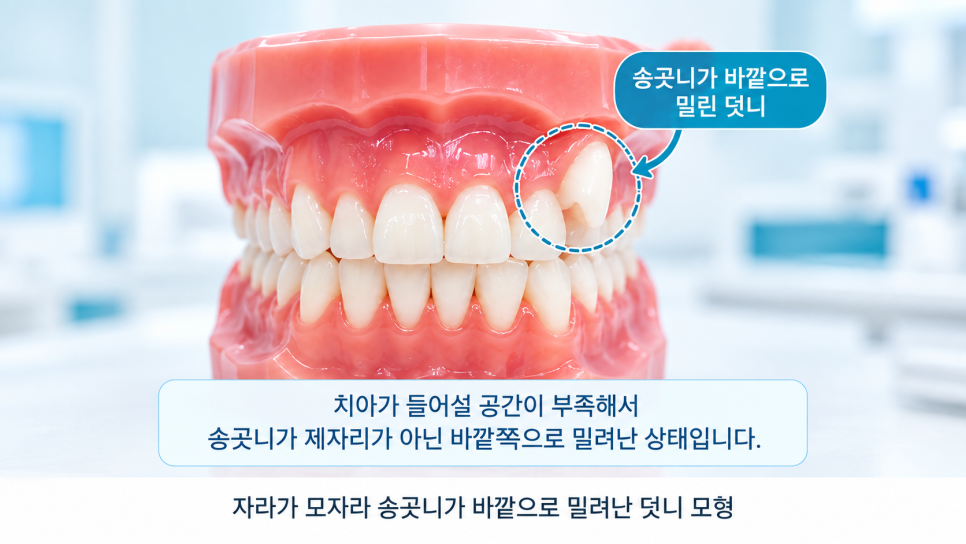
    To put it simply, a crooked canine tooth is a tooth that erupts out of alignment or outside its proper position because there isn’t enough space for it.
    It usually happens when there’s a mismatch between jaw size and tooth size.

    The reason this shows up at the canine teeth in particular also has to do with eruption order.
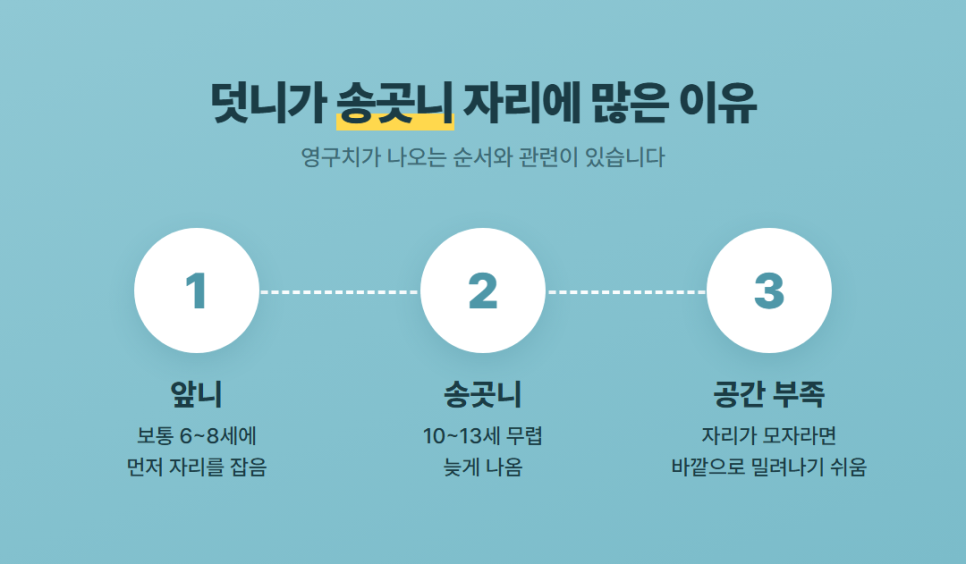
    Front teeth usually come in around ages 6 to 8, while canines erupt later, around ages 10 to 13.

    Since the front teeth settle into place first, canines that come in later tend to get pushed outward if there isn’t enough room left for them.

    Crooked canine tooth correction in Cheongnyangni - image 2

    For this reason, the Korean Association of Orthodontists (KAO) recommends that children have their first orthodontic checkup around age 7, when the front teeth are replaced by permanent teeth.

    The Korean Association of Orthodontists advises that children undergo their first orthodontic evaluation around age 7.

    This is guidance from the Korean Association of Orthodontists.
    This checkup isn’t meant to start treatment right away — it’s an early check to see whether the teeth are coming in in the right order.


    What Happens If a Crooked Canine Tooth Is Left Untreated?

    Crooked canine tooth correction in Cheongnyangni - image 3

    Left untreated, it can make cavities and gum disease more likely.
    That’s because a toothbrush can’t easily reach the spots where teeth overlap.

    Key Points
    · Bristles and floss have a harder time reaching between overlapping teeth, which raises the risk of cavities.
    · Correcting a crooked canine tooth may improve chewing efficiency.

    Wiping behind a crooked canine tooth with gauze can reveal more plaque buildup than in other areas of the mouth.

    Crooked canine tooth correction in Cheongnyangni - image 4

    If floss consistently catches or your toothbrush can’t reach a certain spot when you brush, it’s worth getting a checkup.


    Does Crooked Canine Tooth Correction in Cheongnyangni Always Require Extraction?

    Not necessarily.
    Whether extraction is needed is decided after evaluating the severity of the crooked tooth, whether the mouth protrudes, and the facial profile together.

    When the displacement is severe, four small premolars are typically removed, and that space is used to align the teeth.
    The gaps left behind are generally closed by the end of treatment.

    For mild cases, non-extraction methods that straighten teeth without removing any are usually considered first.

    Method How It Works Best For
    Arch expansion Widens the dental arch to create space Crowding caused by a narrow jaw
    Interproximal reduction (IPR) Shaves a thin layer of enamel between teeth to create space Mild crowding
    Molar distalization (moving molars back) Moves molars backward to free up space in front Cases with a slight space shortage in front
    Extraction orthodontics Uses space from removing 4 premolars Severe crowding or cases with mouth protrusion

    Crooked canine tooth correction in Cheongnyangni - image 5

    Key Points
    · There’s no official guideline confirming a single rule like “extraction is required once the space deficit exceeds a certain number of millimeters.”
    · The decision considers not just how much space is missing, but also mouth protrusion and facial profile.

    Can Clear Aligners Also Straighten a Crooked Canine Tooth?

    For mild crowding, clear aligners can be an option.
    However, they have limitations when the crowding is severe or when teeth need complex movement.

    A 2024 international systematic review compared treatment duration between clear aligners and fixed braces for mild-to-moderate crowding.
    Pooling 10 studies, it found no clear difference in treatment duration between the two appliance types.

    That said, in one of the included studies, clear aligners averaged 8.4 months versus 12.1 months for fixed braces — a difference of about 3.7 months.
    The overall certainty of evidence was rated as low.

    Crooked canine tooth correction in Cheongnyangni - image 6

    On the other hand, a 2016 paper in a Korean dental journal (Journal of the Korean Dental Association) noted that, due to their structural characteristics, clear aligners have limitations when it comes to root movement or complex movement of certain teeth.
    Because the studies differ in timing and population, the findings haven’t converged into a single consensus.

    Things to Keep in Mind
    · Clear aligners don’t work the same way for every crooked canine tooth.
    · A thorough diagnostic exam should guide the decision more than the choice of appliance itself.

    How Long Does Treatment Take and What Does It Cost?

    Orthodontic treatment typically takes about 1 to 3 years, though this varies significantly from person to person.
    It also depends on whether extraction is involved, so an exact timeline can only be given after a diagnosis.

    Crooked canine tooth correction in Cheongnyangni - image 7

    Because orthodontic treatment isn’t covered by national health insurance, costs vary between clinics.
    They also depend on the severity of the crowding and the type of appliance used, so the most accurate figure comes after an exam.

    Aftercare
    After treatment ends, teeth tend to drift back toward their original position.
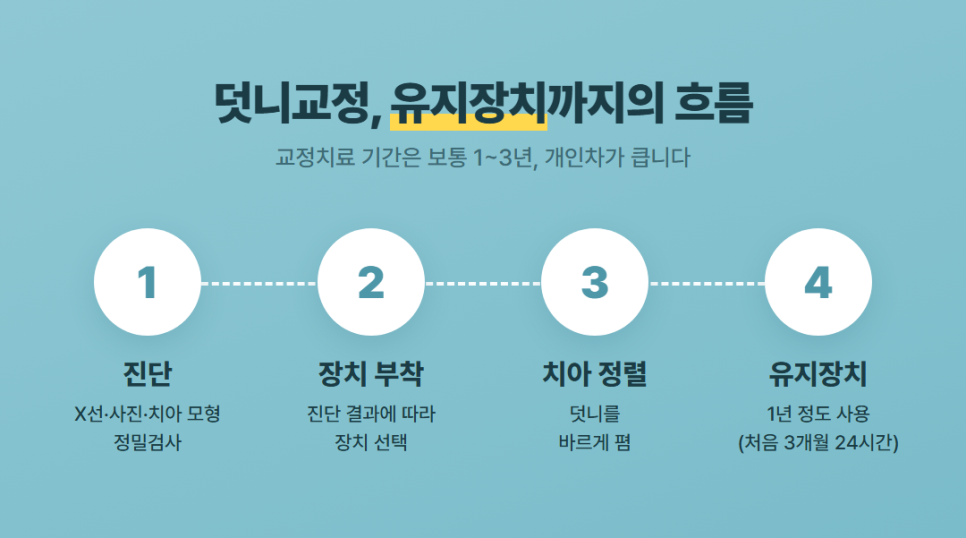
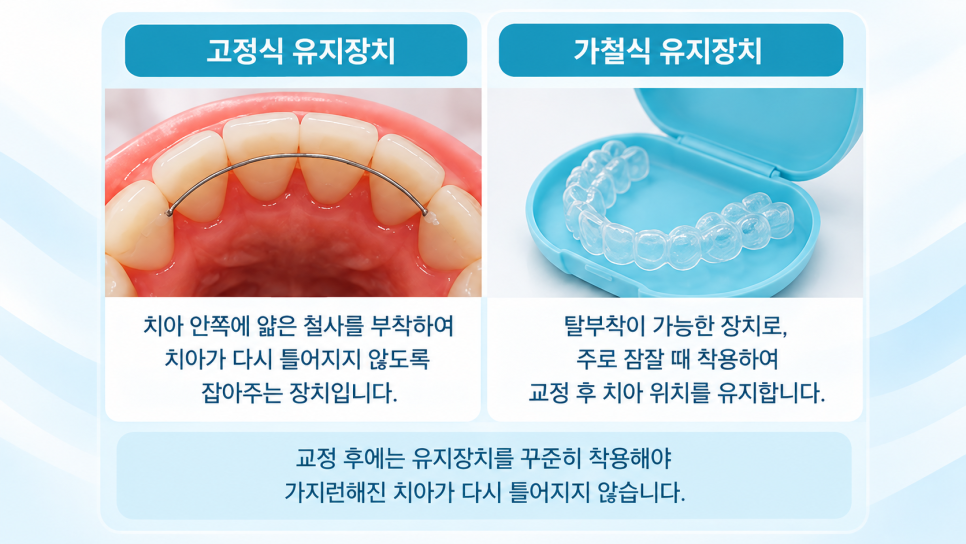
    That’s why a retainer is typically worn for about a year to help reduce relapse.

    Crooked canine tooth correction in Cheongnyangni - image 8

    Things to Keep in Mind
    · During orthodontic treatment, side effects such as gum recession, root resorption, or decalcification (white spots on the tooth surface) can occur.
    · It’s best to discuss these possible side effects during the consultation before treatment begins.

    What Should You Check Before a Consultation in Cheongnyangni?

    Check whether the clinic explains the reasoning behind its extraction or non-extraction decision for crooked canine tooth correction based on a thorough exam.
    If you’re looking for an orthodontic clinic around Cheongnyangni, Dongdaemun, or Yongdu-dong/Jeonnong-dong, here are three things worth checking.

    Checklist
    ✅ Is the treatment provided by an orthodontic specialist? (You can verify this by region and name on the Korean Association of Orthodontists website)
    ✅ Does the clinic perform a thorough exam, including X-rays, facial photos, and a dental model (intraoral scan)?
    ✅ Does it explain the reasoning behind the extraction decision and appliance choice based on your specific tooth condition?

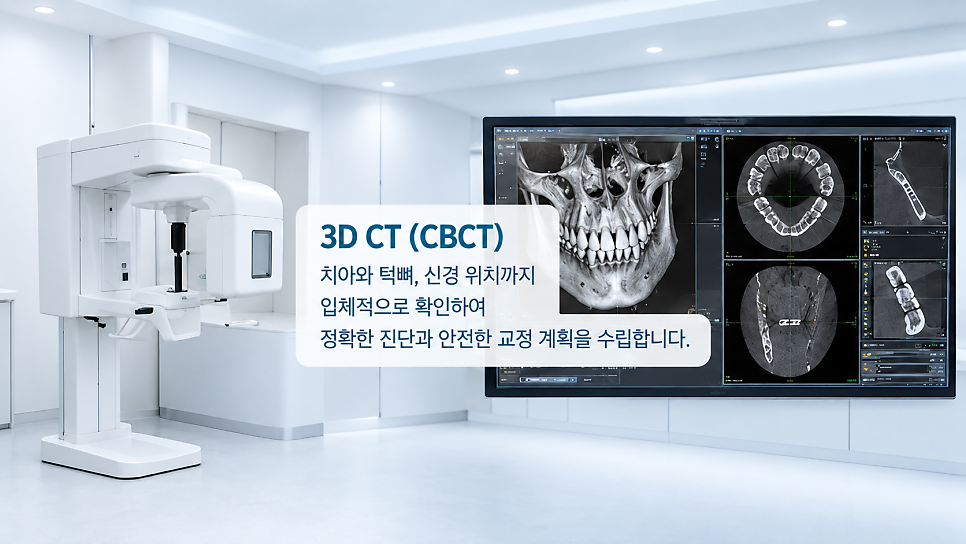
    Yonsei Dajeonghan Orthodontic Dental Clinic, near Cheongnyangni Station in Dongdaemun-gu, Seoul, has orthodontic and integrated dentistry specialists who diagnose using 3D CT and 3D scanners.
    If you need an orthodontic consultation, you can find more information at the Yonsei Dajeonghan Orthodontic Dental Clinic website.

    Crooked canine tooth correction in Cheongnyangni - image 9


    Frequently Asked Questions

    1. Can adults get treatment for a crooked canine tooth, too?
    Yes. There’s no age limit for orthodontic treatment.
    That said, tooth movement is slower in adults and relapse is more likely, so gum and cavity health are checked first.

    2. When should a child’s crooked canine tooth first be checked?
    The Korean Association of Orthodontists recommends an orthodontic consultation around age 7, when the front teeth are replaced by permanent ones.
    In growing children, teeth tend to move more easily, which lowers the risk of relapse.

    3. Can the first consultation for crooked canine teeth in Cheongnyangni tell you right away whether extraction is needed?
    The first consultation mainly determines whether treatment is needed at all.
    Whether extraction is required is decided based on a thorough exam — X-rays, photos, and dental models — and the diagnosis can sometimes take more than a week.

    4. Do teeth become loose when a crooked canine tooth is corrected without extraction?
    Non-extraction methods like arch expansion, interproximal reduction (IPR), and molar distalization are designed to create space only within the range the teeth and gums can tolerate.
    Still, whether this approach applies to you must be confirmed through a thorough exam.


    References

    · Korean Association of Orthodontists, “When to Start Orthodontic Treatment,” official KAO website. Link
    · Jiang Y, et al., “Duration of orthodontic treatment with clear aligners versus fixed appliances in crowding cases: a systematic review,” Clinical Oral Investigations, 2024. Link
    · Bae Gi-seon, “Clinical Limitations of Clear Aligners and Their Solutions,” Journal of the Korean Dental Association 54(7), 2016. Link

    This article is intended for general health information purposes only and is not a substitute for individual diagnosis or treatment. If you have symptoms, please consult a specialist.
  • Non-Surgical Underbite Correction: 3 Criteria You Need to Know

    Non-Surgical Underbite Correction: 3 Criteria You Need to Know

    SummaryA protruding lower jaw doesn’t automatically mean you need surgery. This guide covers the skeletal criteria for non-surgical underbite correction, how to tell a pseudo (dental) underbite apart, typical treatment timelines, and what to check when reading non-surgical underbite correction reviews.

    When you notice your lower jaw standing out in profile, it’s easy to assume jaw surgery is the only option.
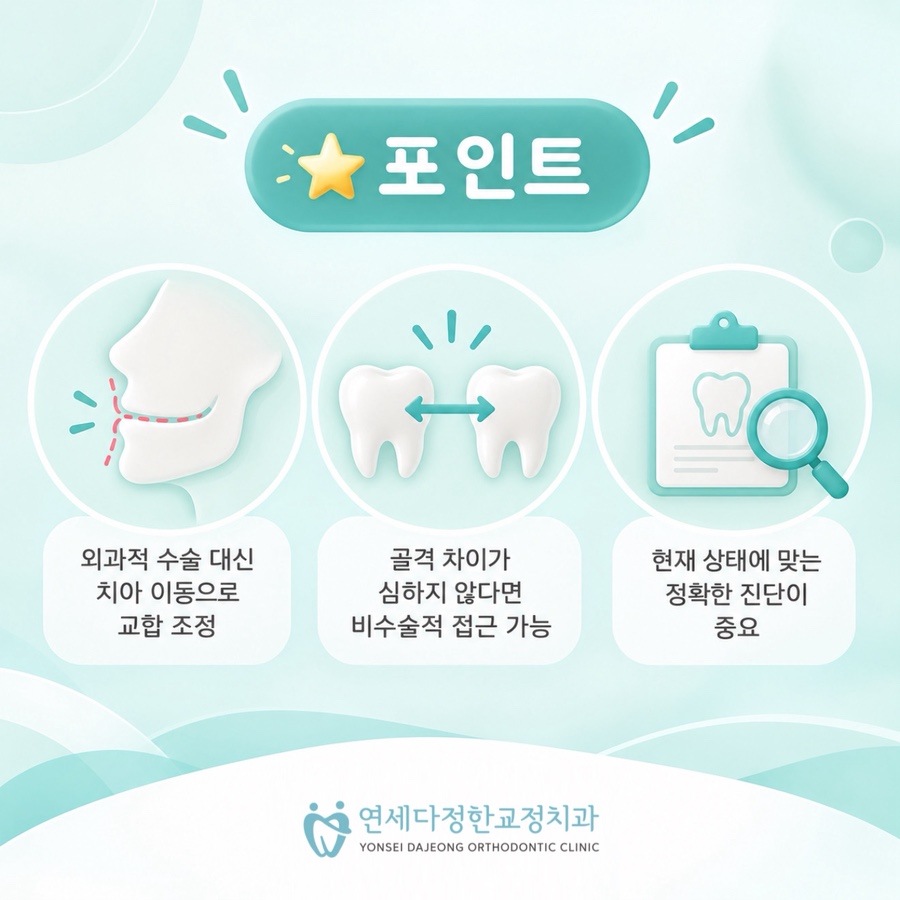
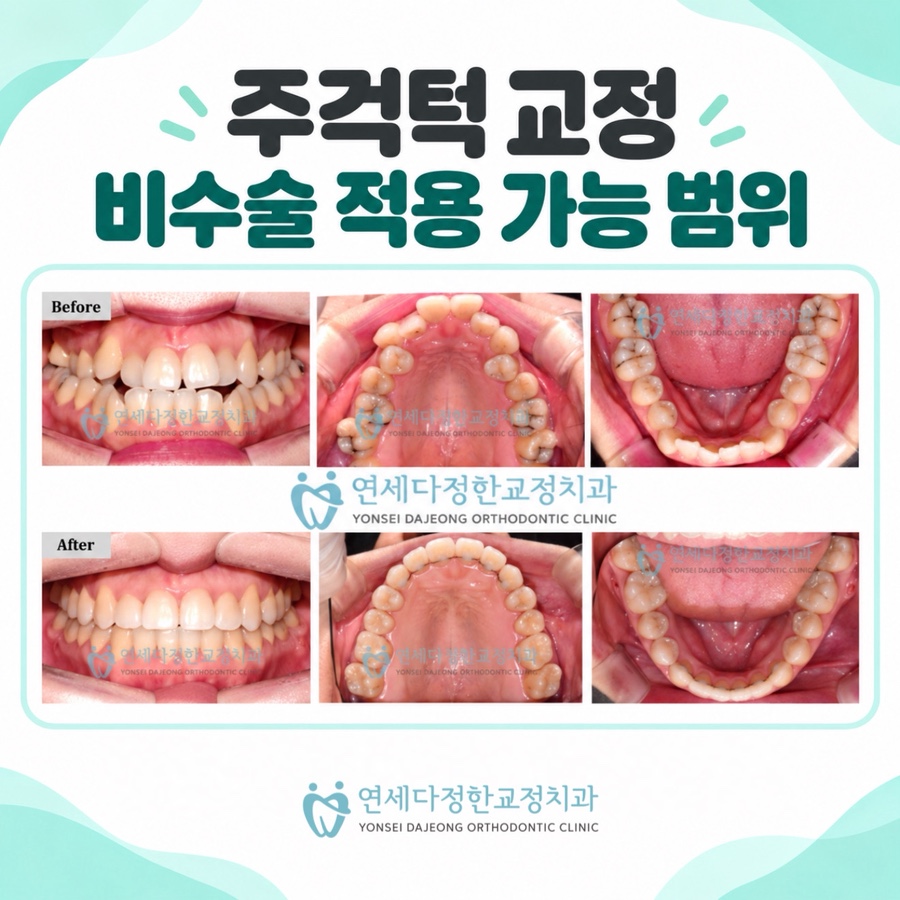
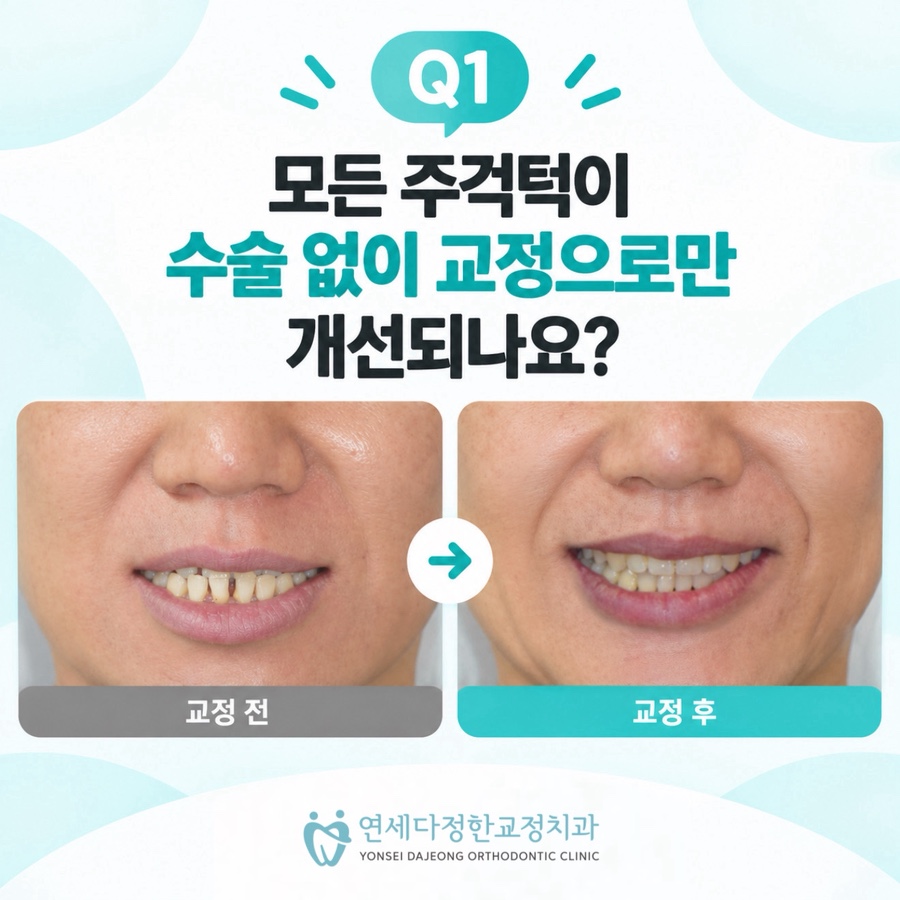
    However, if the difference in jaw bone size is minor and the main issue is how the teeth are arranged, non-surgical underbite correction alone may be able to correct the bite.

    Even so, many people look into surgery first without knowing these criteria.
    With a thorough consultation and diagnosis, some cases are reported to improve with orthodontic treatment alone, without surgery.

    Key Takeaways
    If your back teeth bite normally but only your front teeth meet in reverse — a pattern known as a pseudo (dental) underbite — non-surgical underbite correction may help improve the bite.
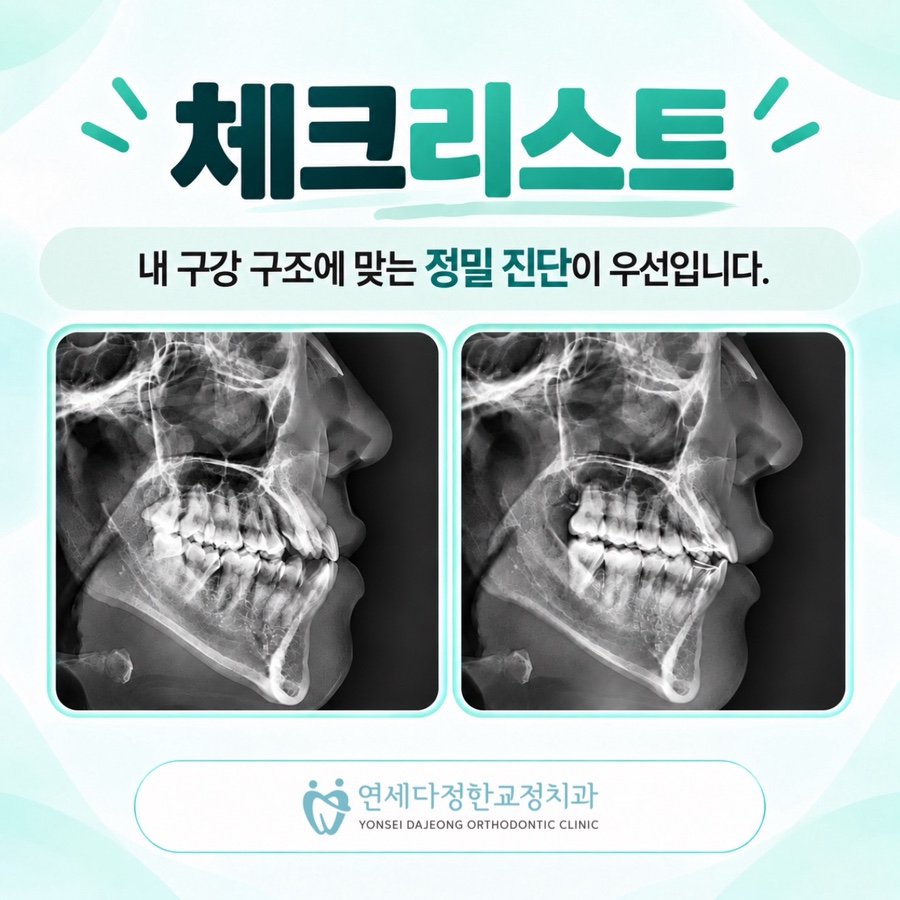
    Treatment typically takes about 18 to 30 months, and the first step is always an accurate 3D CT scan to measure any skeletal discrepancy.
    Below, we outline the specific criteria for non-surgical correction and what to watch for when reading treatment reviews.

    What Causes an Underbite, and What Types Are There?

    non-surgical underbite correction

    To put it simply, underbites fall into two categories — skeletal and dental — and the more dental the cause, the better the odds for non-surgical correction.
    An underbite refers to a condition in which the lower jaw protrudes forward relative to the upper jaw or grows excessively.

    Asan Medical Center classifies an underbite as a type of malocclusion.
    Below is the definition published by the hospital.

    An underbite (mandibular protrusion, mandibular prognathism) occurs when the lower jaw is abnormally large relative to the upper jaw, resulting in malocclusion.

    According to Asan Medical Center’s health information, this is how it’s explained.
    An underbite is classified as Class III malocclusion.

    Causes include not only genetic jaw growth patterns but also habits such as tongue-thrusting or mouth breathing.
    Viewed from the front, it’s often accompanied by facial asymmetry, and from the side, the lower third of the face tends to look elongated.

    non-surgical underbite correction illustration 7

    Key Point
    Not every underbite requires surgery.
    If the difference in jaw bone size is minor and tooth position is the main issue, bite adjustment alone may bring improvement.
    A detailed diagnostic exam is the first step toward understanding exactly where you stand.

    What Are the Criteria for Non-Surgical Underbite Correction?

    non-surgical underbite correction illustration 8

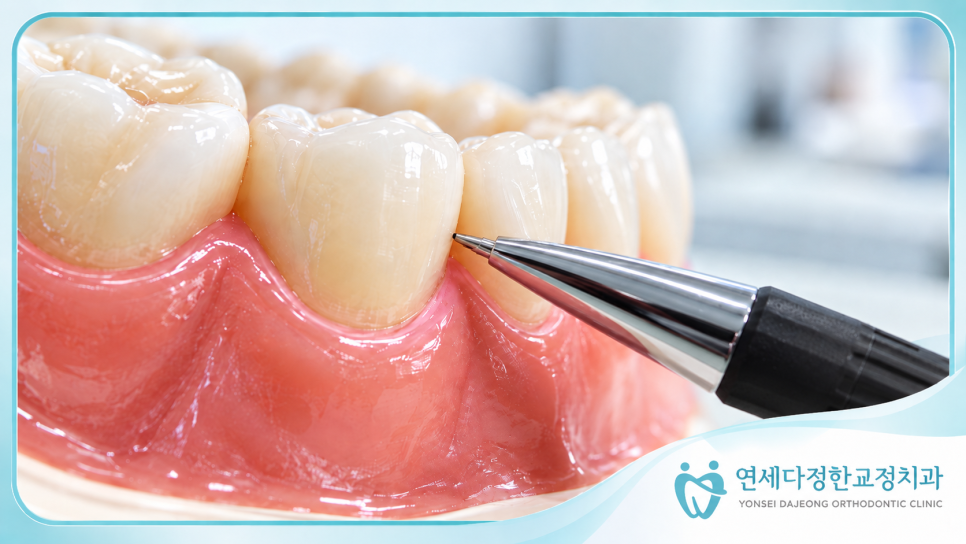
    In short, this approach is an option when the size difference between the upper and lower jaw bones is minor and the back teeth already bite normally.
    Non-surgical underbite correction is a treatment that aims to improve a reverse bite through tooth movement and bite adjustment alone, without jaw surgery.

    This approach is reported to be particularly effective for a pseudo (dental) underbite, where the back teeth bite correctly but only the front teeth meet in reverse.
    In these cases, moving the teeth backward or adjusting their angle can help create a normal bite.

    Category Non-Surgical Correction Possible Surgery Required
    Jaw bone size difference Minor Clearly significant
    Molar (back teeth) bite Normal bite Misaligned
    Main cause Tooth position/angle (pseudo underbite) Excessive skeletal growth itself
    Treatment method Adjustment with orthodontic appliances alone Orthodontics combined with jaw surgery

    non-surgical underbite correction illustration 9

    Changes You May Expect
    ✅ Moving the lower dental arch backward can help the upper and lower teeth meet more normally.
    ✅ Correcting the angle of front teeth that previously met in reverse may help improve the reverse bite.
    ✅ Chewing may feel more comfortable, and the lip line may look more natural as a result.

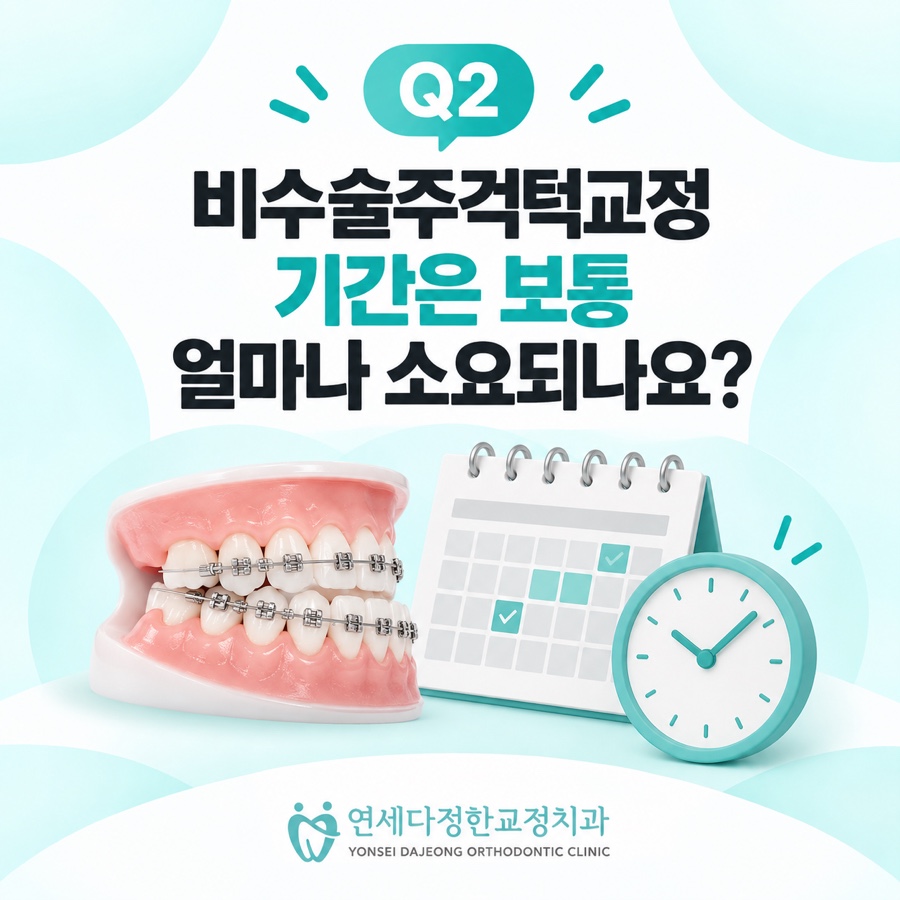
    Treatment length varies from person to person, but non-surgical correction generally takes about 18 to 30 months.
    Cases like a pseudo underbite, where only tooth alignment needs adjusting, can sometimes finish sooner.

    Timing also matters for growing children — the Korean Association of Orthodontists recommends starting treatment around ages 7 to 9 if a skeletal reverse bite is suspected.
    This recommendation applies specifically to children who are still growing; whether non-surgical correction is possible for an adult needs to be determined through a separate diagnosis.


    Reading Non-Surgical Underbite Correction Reviews: What to Look For

    non-surgical underbite correction illustration 10

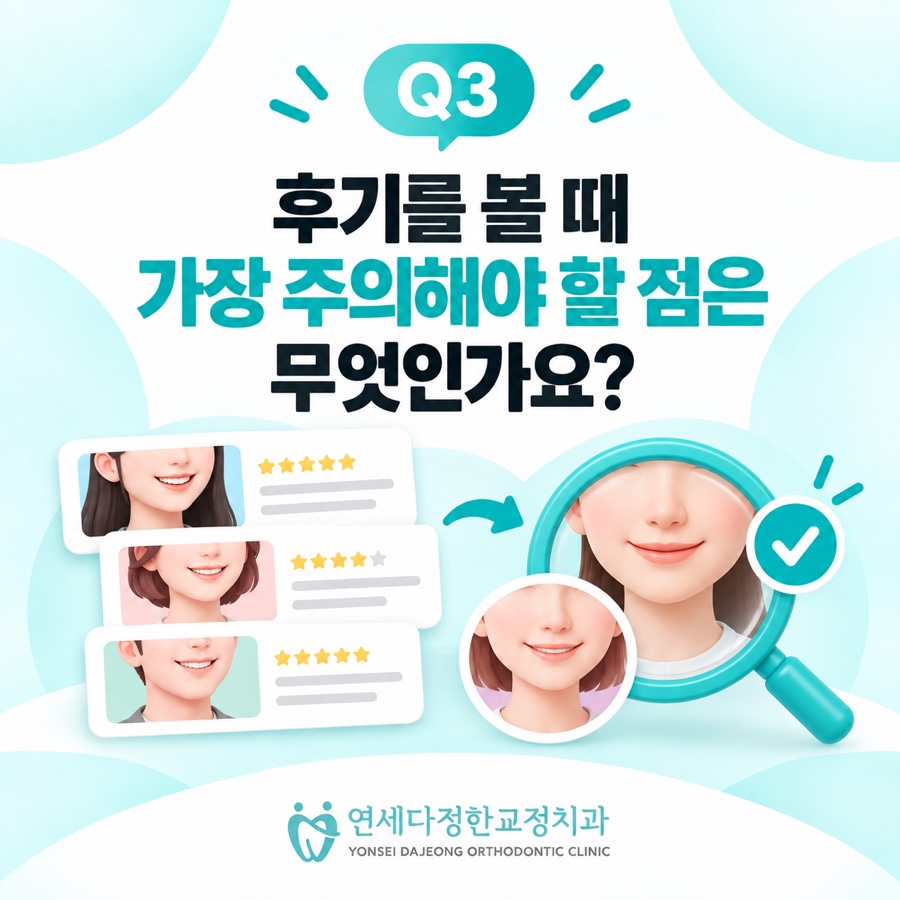
    A review is only meaningful if you look past subjective impressions and focus on bite measurements and the treatment process.
    A trustworthy review is one that includes before-and-after bite data from a case with a jaw structure similar to your own.

    You need to objectively assess how much improvement in appearance and function is realistic through tooth movement alone, within the limits of the jaw bone itself.
    Rather than taking someone else’s success story at face value, check first whether the treatment plan actually fits your own oral structure.

    non-surgical underbite correction illustration 11

    Checklist
    ✅ Was the degree of skeletal discrepancy accurately measured with a 3D CT scan?
    ✅ Was it confirmed that the upper and lower teeth bite evenly after treatment?
    ✅ Was the treatment plan based on a range of clinical cases?

    Because outcomes for underbite correction vary depending on each person’s individual jaw structure, a detailed diagnostic exam is essential.


    How Do You Care for Your Orthodontic Appliance Safely?

    non-surgical underbite correction illustration 12

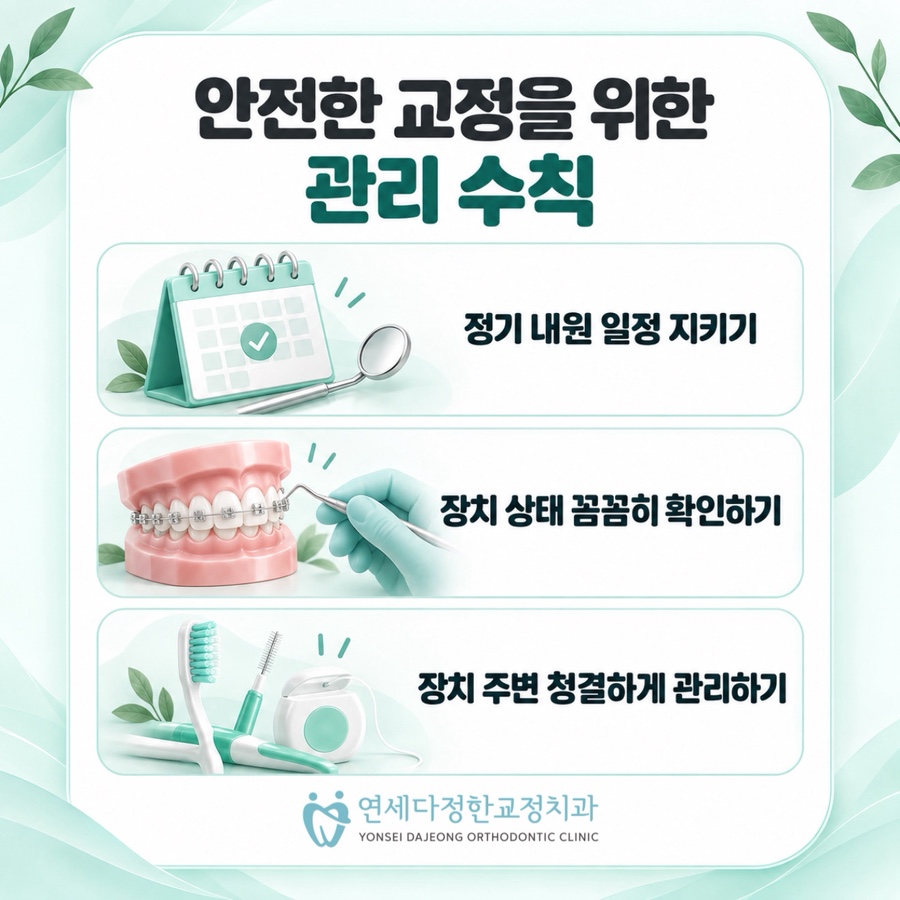
    The key to safe management is keeping up with regular visits and thorough at-home care.
    How finely the force from the appliance is adjusted directly affects how the teeth move and how the bite ultimately turns out.

    Food tends to get trapped around the appliance easily, so it’s important to make active use of oral hygiene tools.

    non-surgical underbite correction illustration 13

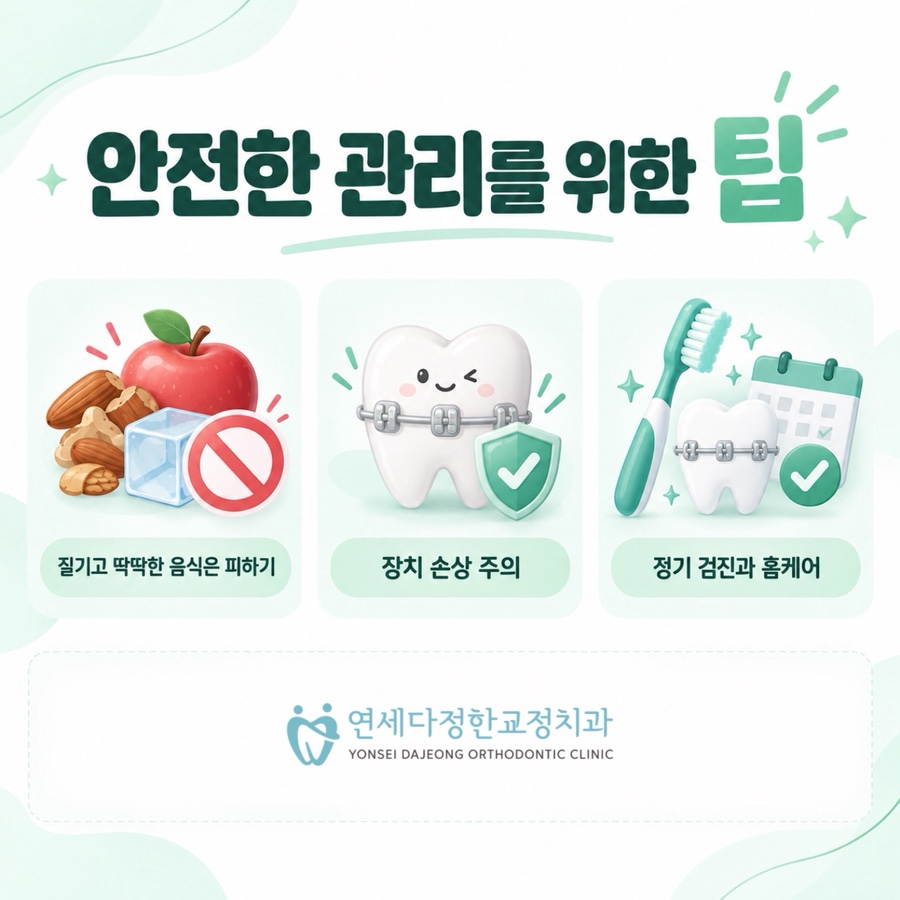
    Precautions
    Chewy or hard foods can dislodge the appliance or put excess strain on tooth movement, so it’s best to avoid them.
    Skipping regular checkups can cause the bite to end up not aligning as planned.

    Following your provider’s guidance for thorough home care alongside regular checkups can help support a well-balanced result.
    If you’re wondering whether your own case meets the criteria for non-surgical correction, consult an orthodontic specialist first.
    For more details on treatment options, visit the Yonsei Dajeonghan Orthodontics Cheongnyangni homepage.


    Frequently Asked Questions

    non-surgical underbite correction illustration 14

    1. Can every underbite be corrected with orthodontics alone, without surgery?
    If the skeletal discrepancy is very severe, orthodontic treatment combined with surgery may be necessary, so a detailed diagnosis should always come first.

    non-surgical underbite correction illustration 15

    2. How long does non-surgical underbite correction usually take?
    It varies depending on the speed of tooth movement and the severity of the malocclusion, but it generally takes about 18 to 30 months.
    Cases involving only tooth alignment, like a pseudo underbite, may finish sooner.

    non-surgical underbite correction illustration 16

    3. What should I watch out for most when reading reviews?
    Rather than relying on someone else’s subjective impressions, it’s important to check whether the case involves a jaw structure similar to your own.

    non-surgical underbite correction illustration 17

    4. Why is it essential to wear a retainer after orthodontic treatment?
    Teeth naturally tend to shift back toward their original position, so a retainer is essential for keeping the bite stable over the long term.


    References

    non-surgical underbite correction illustration 18

    · Asan Medical Center, “Underbite (Class III Malocclusion),” Asan Medical Center Health Information. View source
    · Korean Association of Orthodontists, “Underbite: Treatment Should Start Around Ages 7–9 to Correct It Properly,” Korean Association of Orthodontists. View source
    · Pharm News, “Adult Reverse Bite Improved Through Non-Surgical Underbite Correction,” Pharm News. View source


    This article is intended for general health information purposes only and is not a substitute for individual diagnosis or treatment. If you have symptoms, please consult a specialist.
  • Early Orthodontic Treatment Timing: 3 Reasons to See a Board-Certified Orthodontist

    Early Orthodontic Treatment Timing: 3 Reasons to See a Board-Certified Orthodontist

    SummaryMissing the ideal early orthodontic treatment timing can mean losing the golden window for correcting jaw growth without surgery. Here’s what to know about growth-stage development and why care should come from a board-certified orthodontist.
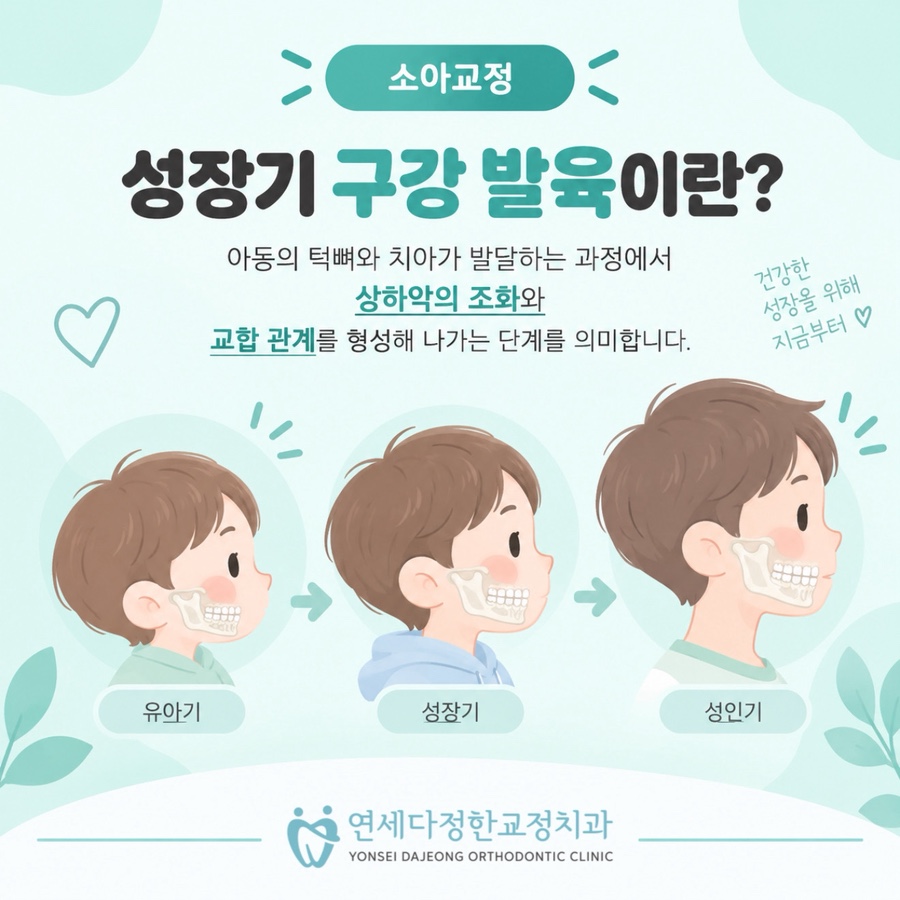
    Has your child mentioned jaw discomfort while eating, yet you keep putting off that dental appointment?

    Meanwhile, your child’s jawbone is growing right now, in this very moment.
    During the growth years, there’s a golden window when skeletal issues can often be corrected without surgery.

    To avoid missing this window,
    you first need to understand the criteria for judging the right early orthodontic treatment timing.

    This article outlines the growth-stage checkpoints for catching the right early orthodontic treatment timing, along with the medical reasons treatment should be provided by a board-certified orthodontist.
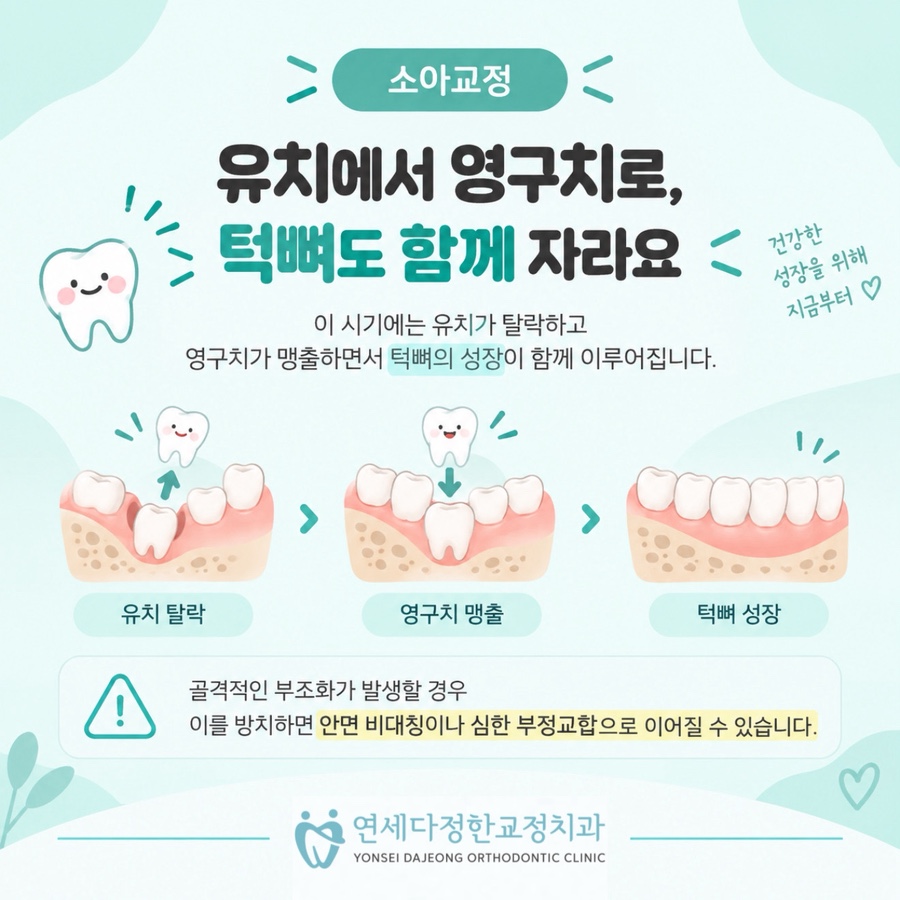
    We’ll walk through everything from the principles of jaw growth to the guidelines for safely caring for orthodontic appliances.

    early orthodontic treatment timing

    early orthodontic treatment timing illustration 2

    When Is the Right Time for Early Orthodontic Treatment?

    To answer directly: the ideal time for a first checkup is around age 6 to 7, when permanent teeth begin coming in.

    Growth-stage oral development refers to the process in which baby teeth fall out and permanent teeth emerge, while the upper and lower jawbones grow together.

    If skeletal imbalances go unaddressed during this stage, they can lead to facial asymmetry or severe malocclusion.

    That’s why careful, early observation to catch warning signs is so important.
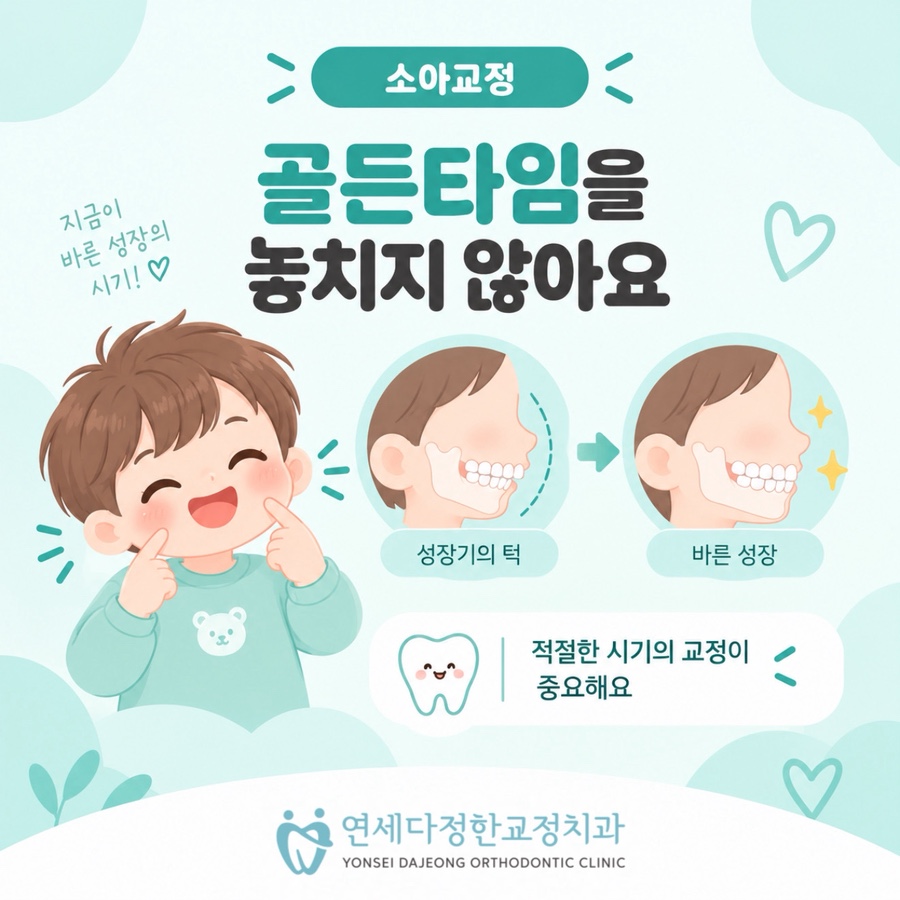
    early orthodontic treatment timing illustration 3

    early orthodontic treatment timing illustration 4

    early orthodontic treatment timing illustration 5

    Key Point
    Because a child’s jaw growth can sometimes be guided to correct skeletal imbalances without surgery, it’s important not to miss the right early orthodontic treatment timing — the golden window.
    Genetic factors and habits like thumb-sucking or mouth breathing are also major contributors that can interfere with normal growth.

    early orthodontic treatment timing illustration 6

    early orthodontic treatment timing illustration 7

    early orthodontic treatment timing illustration 8


    How Does Early Orthodontic Treatment Manage Jaw and Teeth Growth?

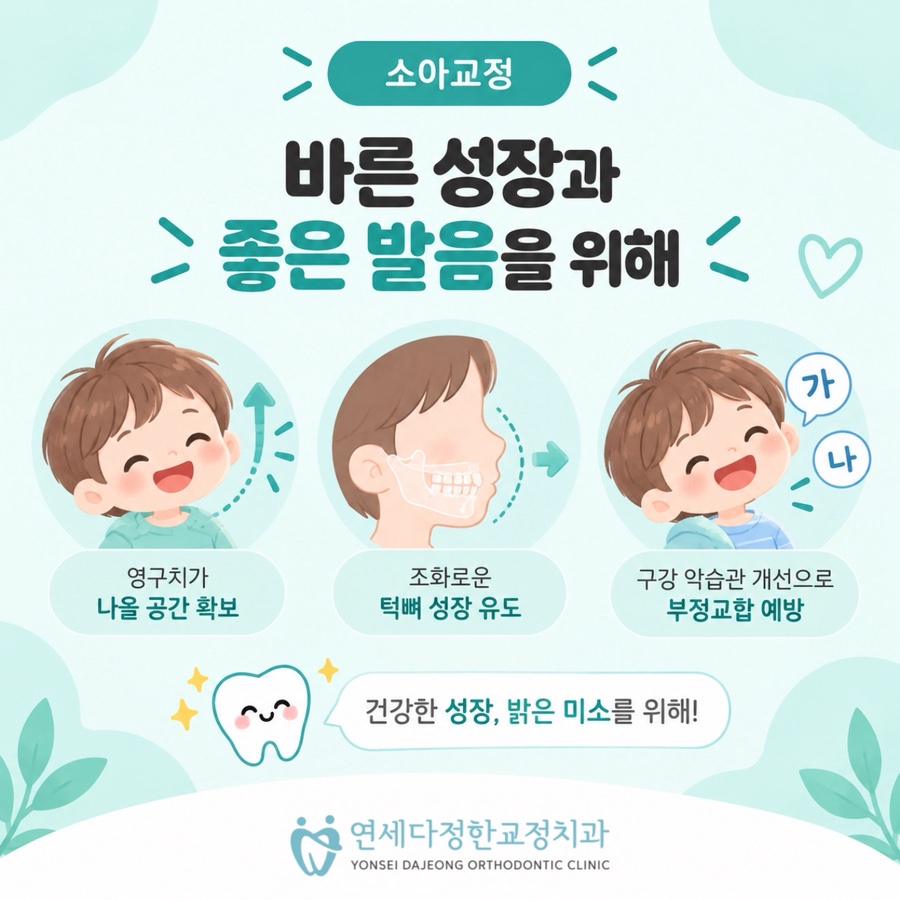
    Early orthodontic treatment is less about moving teeth with appliances and more like orthopedic treatment that guides the direction of jaw growth.

    Early (pediatric) orthodontic treatment refers to guiding or restraining jaw growth during the growth years to balance the upper and lower jaws while also correcting related muscle function.

    Here’s what this approach can help achieve:

    1. Creating space for permanent teeth to erupt correctly
    2. Guiding harmonious growth of the upper and lower jawbones
    3. Helping prevent malocclusion by correcting oral habits

    early orthodontic treatment timing illustration 9

    Category Growth-Stage (Pediatric) Orthodontics Adult Orthodontics
    Treatment Goal Guiding/restraining jaw growth Focused on aligning teeth
    Main Methods Orthopedic appliances, growth-guidance appliances Brackets, clear aligners, etc.
    Possible Benefit May reduce the likelihood of extraction or surgery Proceeds based on an already-formed skeletal structure

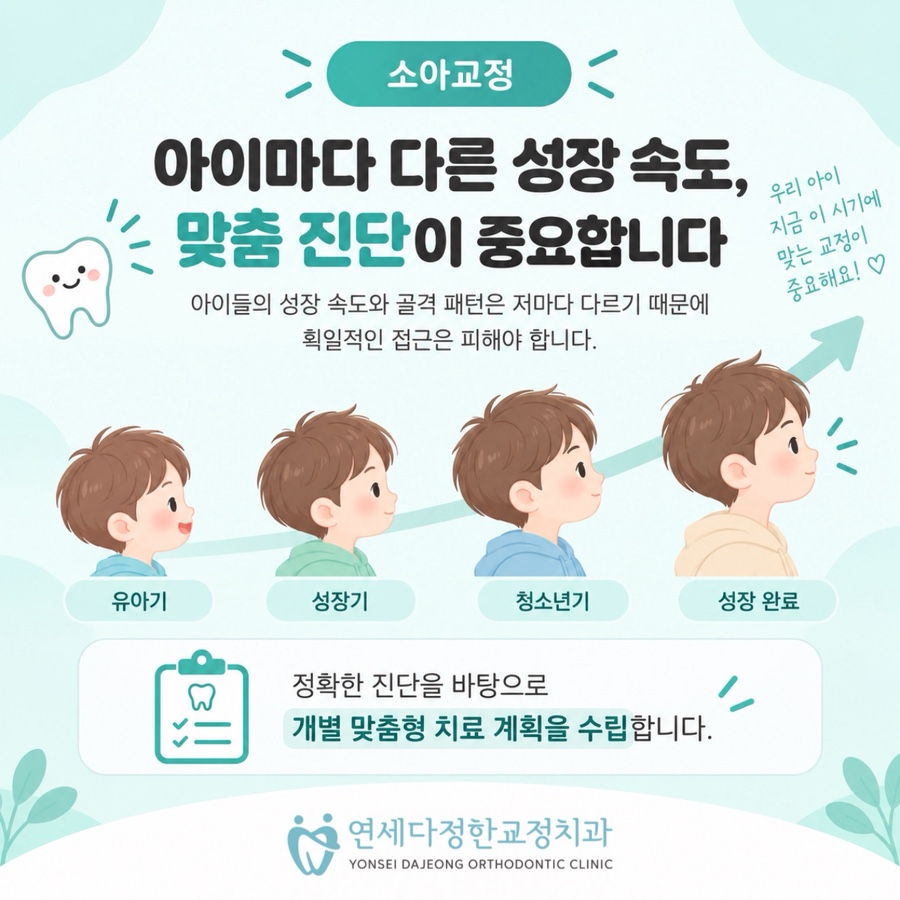
    Because every child’s growth rate and skeletal pattern differs,
    a one-size-fits-all approach should be avoided.

    Building an individualized treatment plan based on an accurate diagnosis is what matters most.

    early orthodontic treatment timing illustration 10

    early orthodontic treatment timing illustration 11


    Why Should Early Orthodontic Treatment Be Done by a Board-Certified Orthodontist?

    A board-certified orthodontist is a dentist who completed one year of internship and three years of residency training exclusively in orthodontics at an institution recognized by Korea’s Ministry of Health and Welfare, and who has passed the national specialist licensing exam.

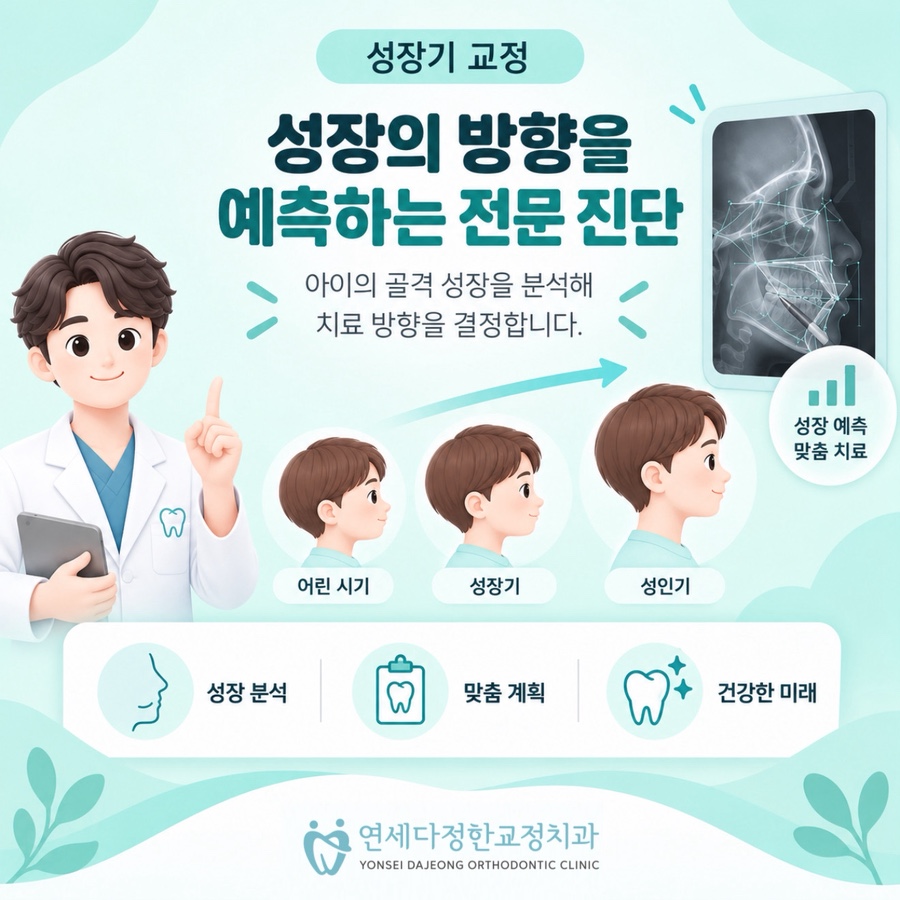
    Growth-stage orthodontic care is a complex discipline that must consider not only a child’s current tooth alignment but also how the facial bones will develop into adulthood.

    That’s why it demands the ability to anticipate skeletal growth patterns and judge long-term prognosis.

    early orthodontic treatment timing illustration 12

    early orthodontic treatment timing illustration 13

    Checklist: What to Consider When Choosing a Provider
    ✅ Confirm the provider holds a Ministry of Health and Welfare–certified orthodontic specialist qualification
    ✅ Look for experience across a range of growth-stage cases and a precise diagnostic system
    ✅ Confirm they offer systematic, long-term prognosis management

    You can also verify specialist credentials on the Korean Association of Orthodontists (KAO) website.

    This expertise may help reduce variables that can arise during treatment and support overall safety.
    If you’re considering early orthodontic treatment in the Cheongnyangni area, visit the Cheongnyangni Yonsei Dajeonghan Orthodontics homepage to check whether care is provided by a board-certified orthodontist.

    early orthodontic treatment timing illustration 14

    early orthodontic treatment timing illustration 15


    How Do You Safely Care for Pediatric Orthodontic Appliances?

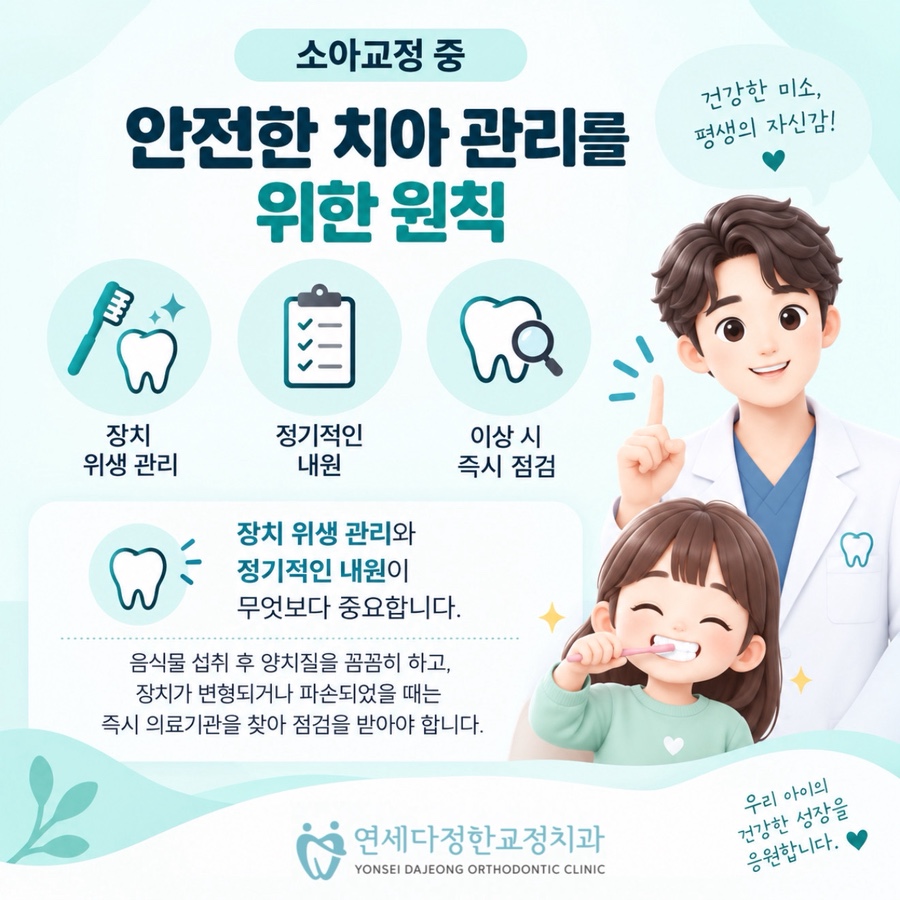
    During early orthodontic treatment, appliance hygiene and regular follow-up visits matter most.

    Neglecting to brush after meals can make cavities and gum disease more likely, so attentive guidance from parents or guardians is essential.

    Caution
    If an appliance becomes bent or damaged, do not try to adjust it yourself — see your dental provider right away for an inspection.

    early orthodontic treatment timing illustration 16

    Ongoing Care
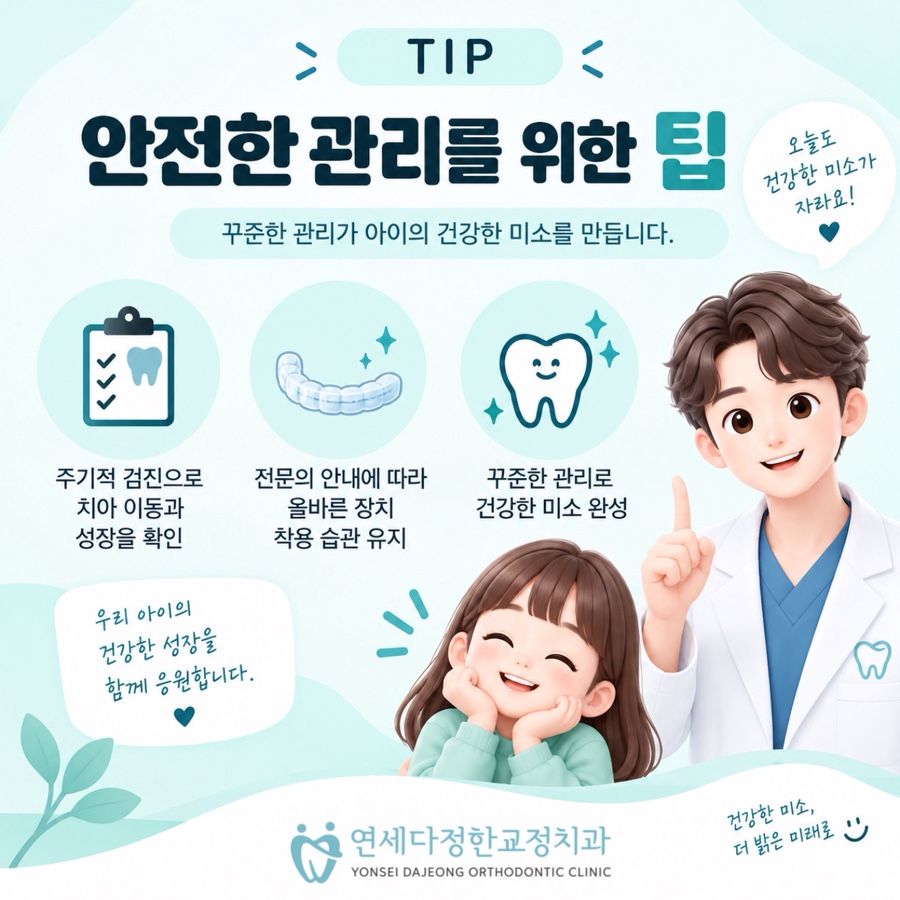
    Regular checkups to track tooth movement and jaw growth, combined with following your orthodontist’s guidance on appliance wear, can support consistent care and systematic progress monitoring.

    early orthodontic treatment timing illustration 17


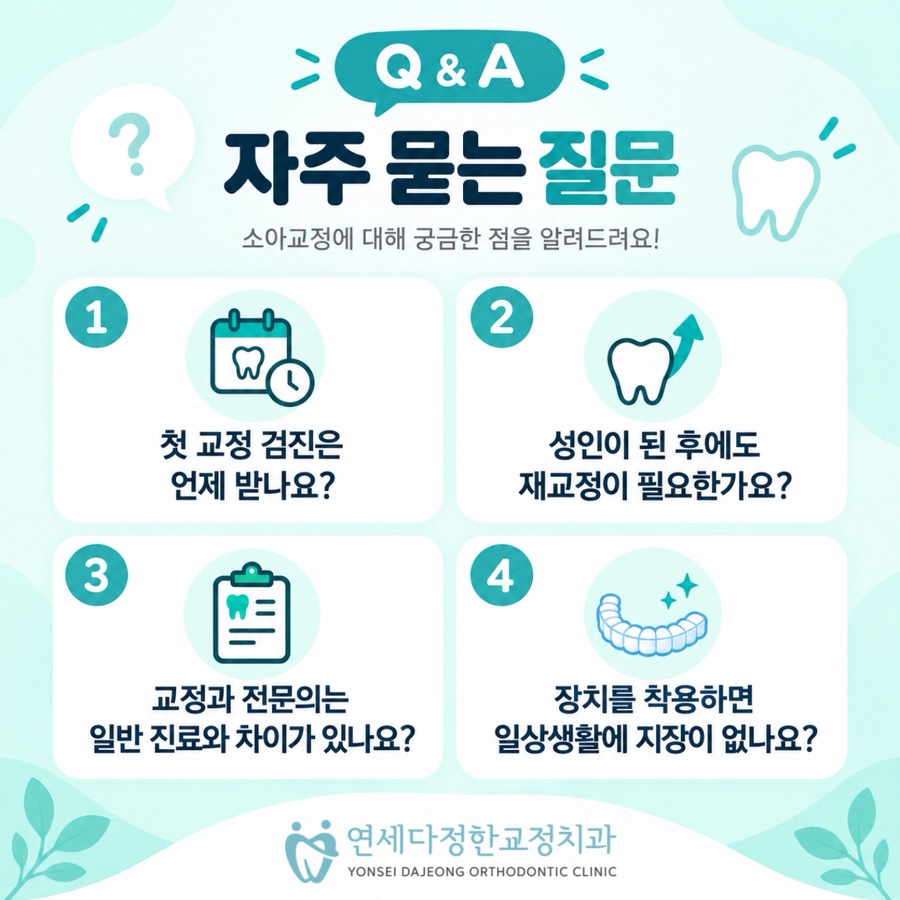
    Frequently Asked Questions

    1. When should my child have their first orthodontic checkup?
    It’s recommended to have a first checkup around age 6 to 7, when permanent teeth begin coming in, to assess skeletal development.

    2. If my child gets early orthodontic treatment, will they avoid needing treatment again as an adult?
    Correcting skeletal imbalances early, during the growth years, may help reduce the difficulty of future adult orthodontic treatment and the likelihood of extraction — though it does not guarantee that no further treatment will be needed.

    3. How is a board-certified orthodontist’s care different from general dental care?
    Board-certified orthodontists draw on specialized knowledge of jawbone tendencies and overall facial skeletal harmony, not just tooth alignment, to build a precise treatment plan.

    4. Will wearing an appliance get in the way of daily life?
    There may be some initial discomfort or a sense of foreign material in the mouth, but children often adjust within a few days and return to their normal routine.

    early orthodontic treatment timing illustration 18


    References

    · American Association of Orthodontists, “Monitoring Jaw Growth: Why the AAO Recommends an Age 7 Checkup,” AAO, 2023. View source
    · Korean Association of Orthodontists, “Find a Society Member and Board-Certified Orthodontist,” Korean Association of Orthodontists (KAO). View source

    early orthodontic treatment timing illustration 19


    This article is intended for general health information purposes only and is not a substitute for individual diagnosis or treatment.
    If your child has symptoms, please consult a specialist.