Tag: Baby Tooth Care

  • Fluoride Treatment for Kids: 3–6 Month Schedule, Cost by Age & Precautions

    Fluoride Treatment for Kids: 3–6 Month Schedule, Cost by Age & Precautions

    SummaryFluoride treatment for kids is typically recommended every 3 to 6 months, depending on a child’s cavity risk and stage of tooth development. Here’s what to know before your visit — from aftercare precautions right after the procedure to how non-covered pricing is typically determined by age.

    Have you ever noticed that different dental offices recommend different intervals for the same fluoride treatment? It can seem a bit odd.

    The truth is, there isn’t just one correct answer when it comes to fluoride treatment frequency.
    The ideal interval can vary depending on a child’s cavity risk and stage of tooth development.

    Today, we’ll walk through everything from the precautions to follow right after treatment to how non-covered (out-of-pocket) pricing for fluoride treatment for kids is typically determined.

    In this article, you’ll find the key factors behind fluoride treatment frequency, how fluoride helps support cavity prevention, what to watch for before and after the procedure, and how pricing is typically determined by age — all in one place.
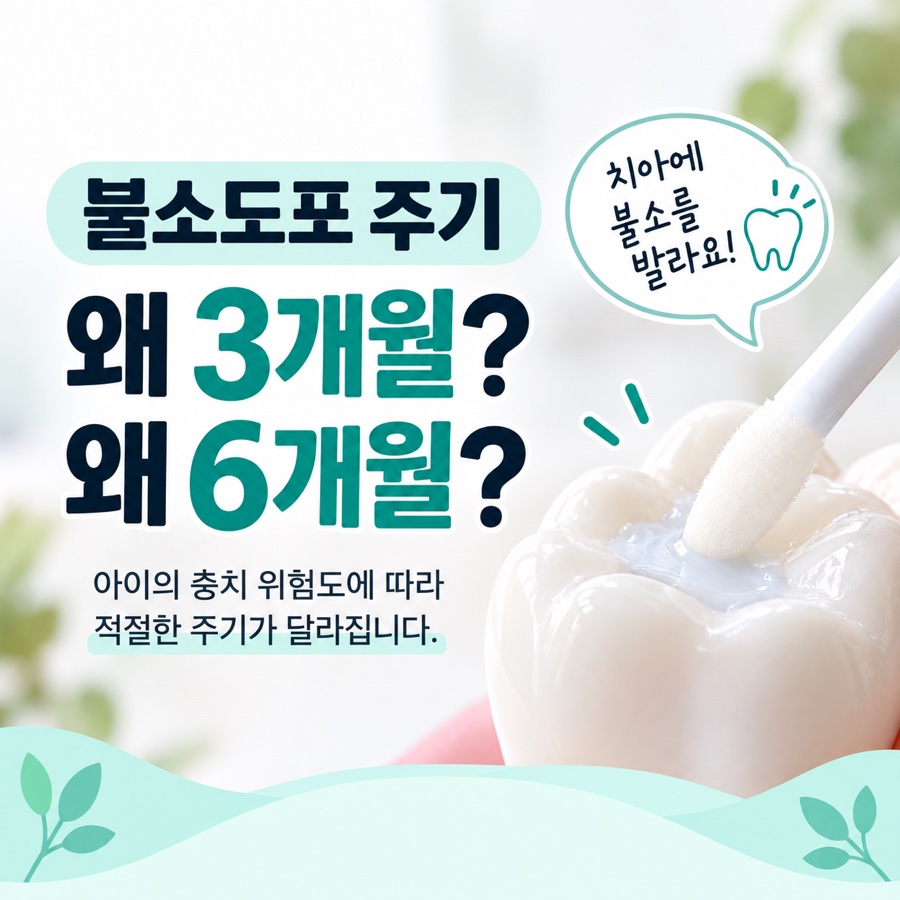
    Fluoride treatment frequency for kids

    What Is Fluoride Treatment and Why Might Kids Need It?

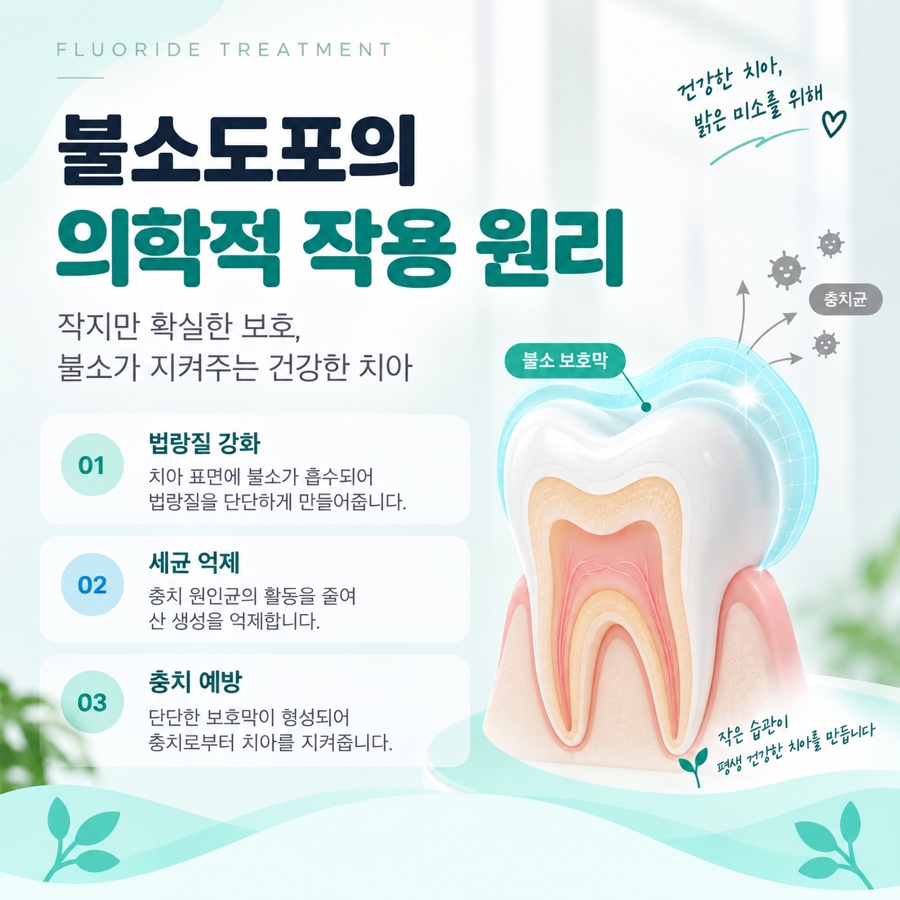
    Fluoride treatment is a preventive procedure in which a high concentration of fluoride is applied to the tooth surface to help strengthen enamel and increase resistance to the acids produced by bacteria.

    Every parent hopes their child’s teeth will grow in strong and healthy.
    But it’s common to feel unsure about exactly where to start with cavity prevention.
    Fluoride treatment for kids illustration 2

    Teeth are especially vulnerable to cavities right after baby teeth and permanent teeth first erupt, since the enamel hasn’t fully hardened yet.
    At this stage, fluoride can bind with calcium in the tooth to help form a protective layer.

    This may help protect teeth against the bacteria that cause cavities.
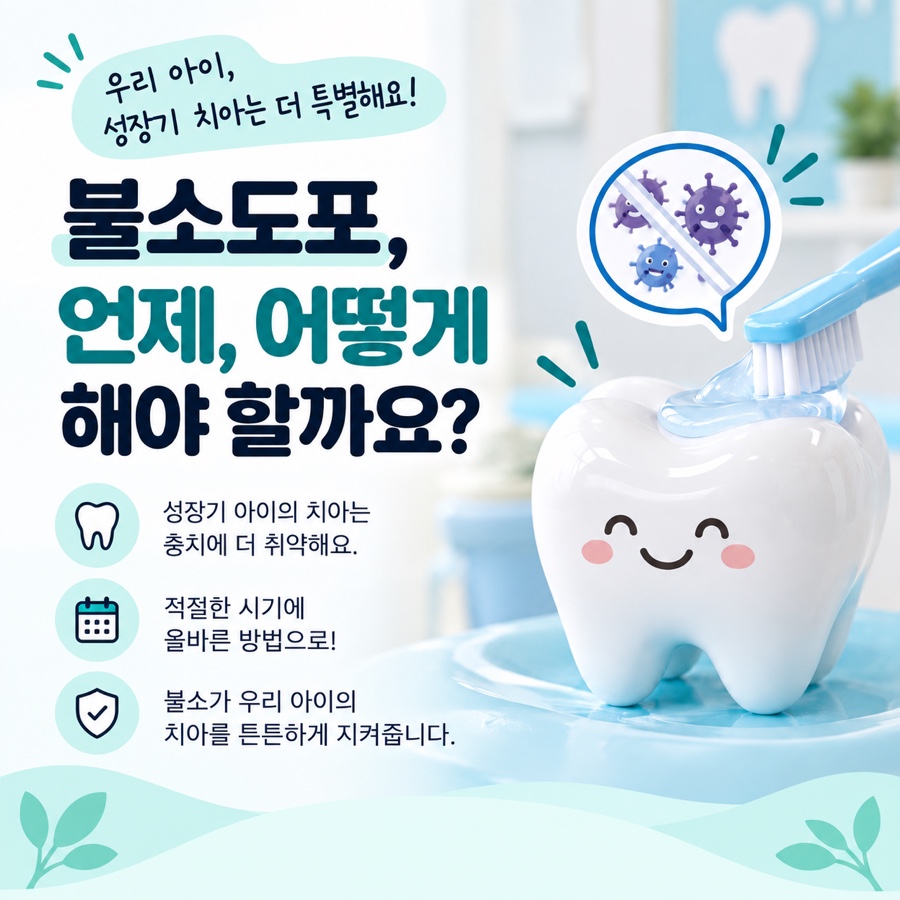
    Fluoride treatment for kids illustration 3

    Key Points
    ✔ Fluoride treatment is a preventive measure that helps build a protective barrier before cavities form.
    ✔ It may also help slow the progression of early-stage cavities.
    ✔ Regular treatment timed to a child’s stage of tooth development plays a big role in how effective it is.

    For these reasons, it’s best to have your child’s oral condition properly evaluated first, then schedule treatment at the appropriate time.


    Fluoride treatment for kids illustration 4

    How Often Should Fluoride Treatment for Kids Be Scheduled?

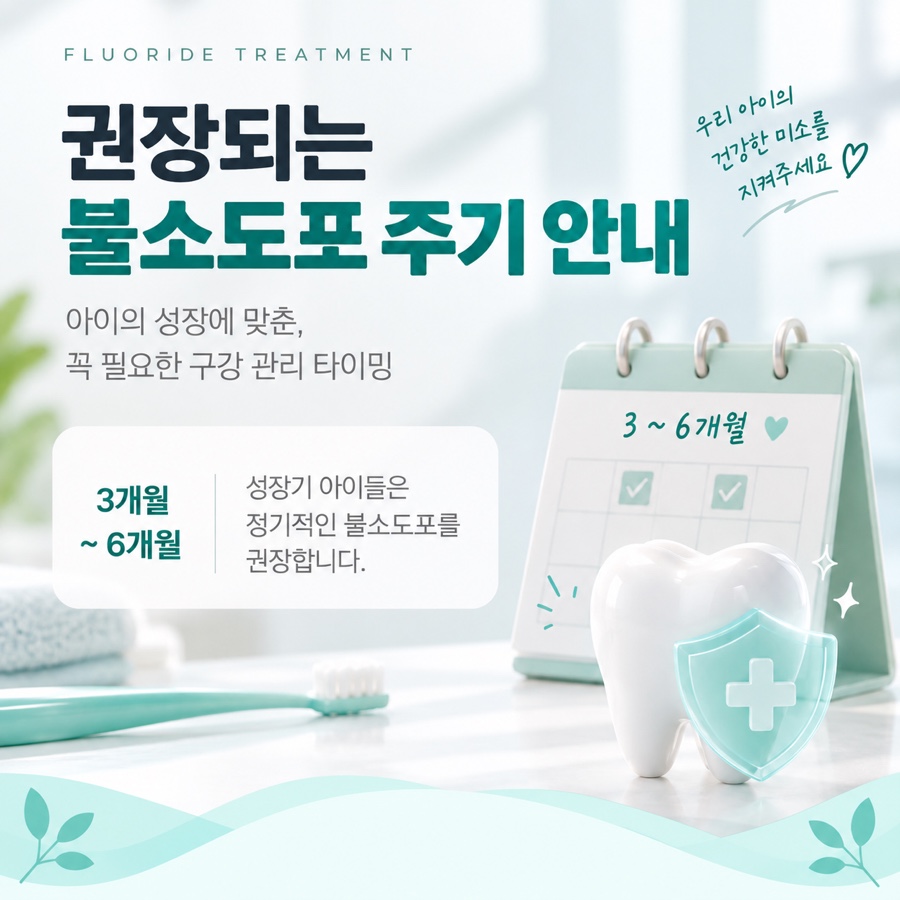
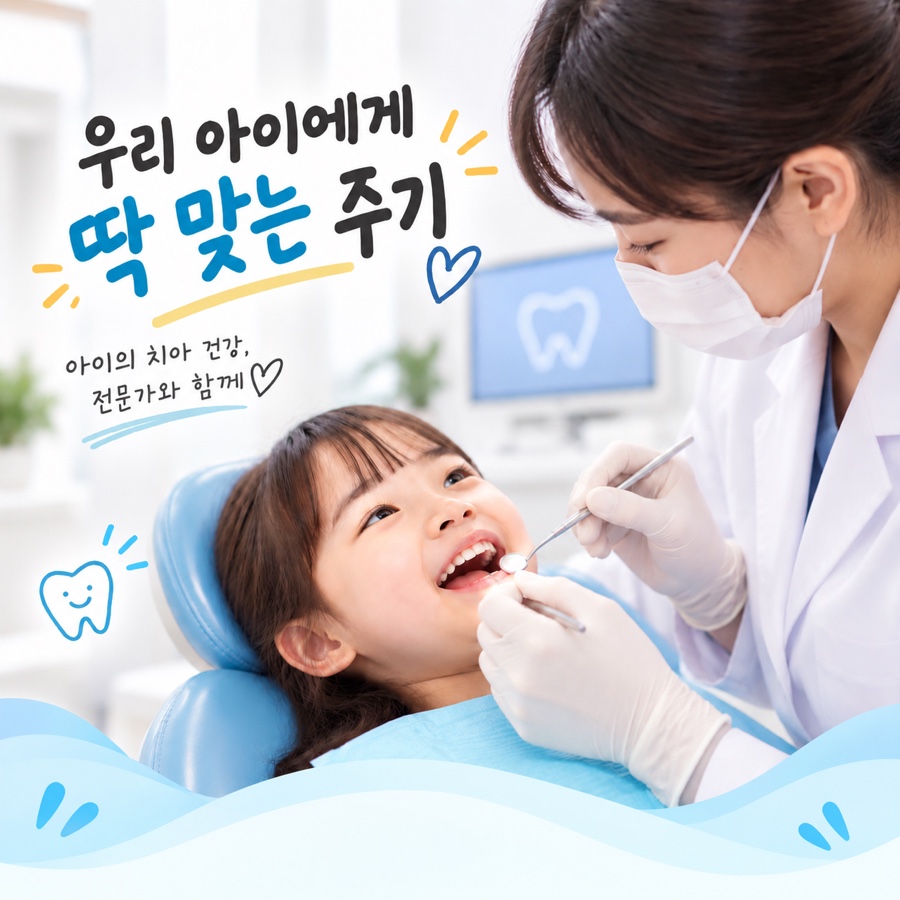
    Fluoride treatment frequency is typically adjusted to every 3 to 6 months based on a child’s age, cavity risk, and the timing of permanent tooth eruption.

    Children who are more prone to cavities during growth spurts may benefit from shorter intervals, while children with generally healthy oral conditions can often be managed on a somewhat longer schedule.
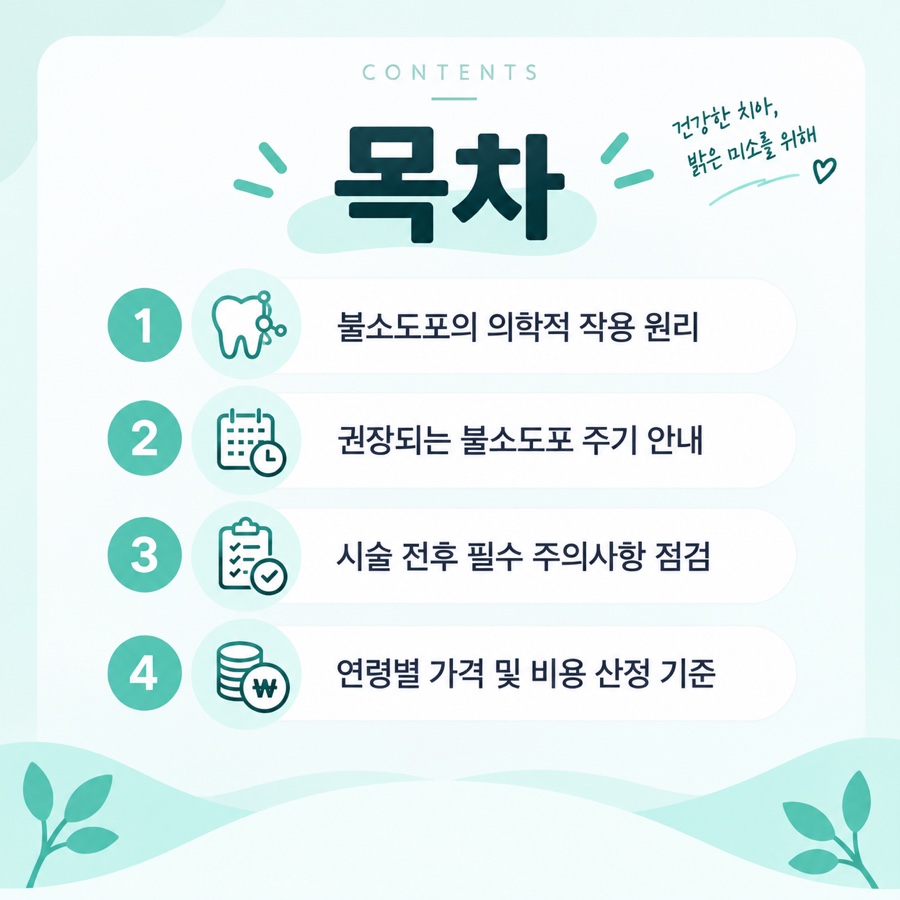
    Fluoride treatment for kids illustration 5

    Category Recommended Frequency Who It Applies To
    High cavity risk Every 3 months Children with a history of cavities or inconsistent brushing habits
    Standard risk Every 6 months Children with typical oral health
    Permanent tooth eruption period Applied right after eruption When the first or second permanent molars are coming in

    Fluoride treatment for kids illustration 6

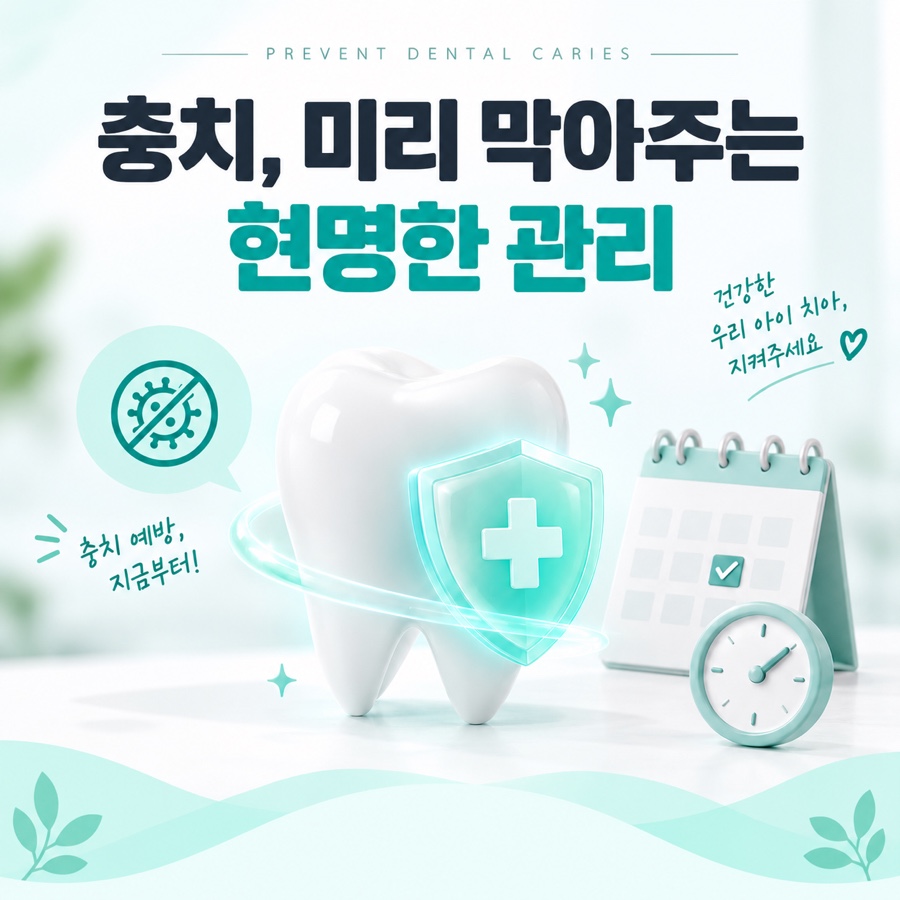
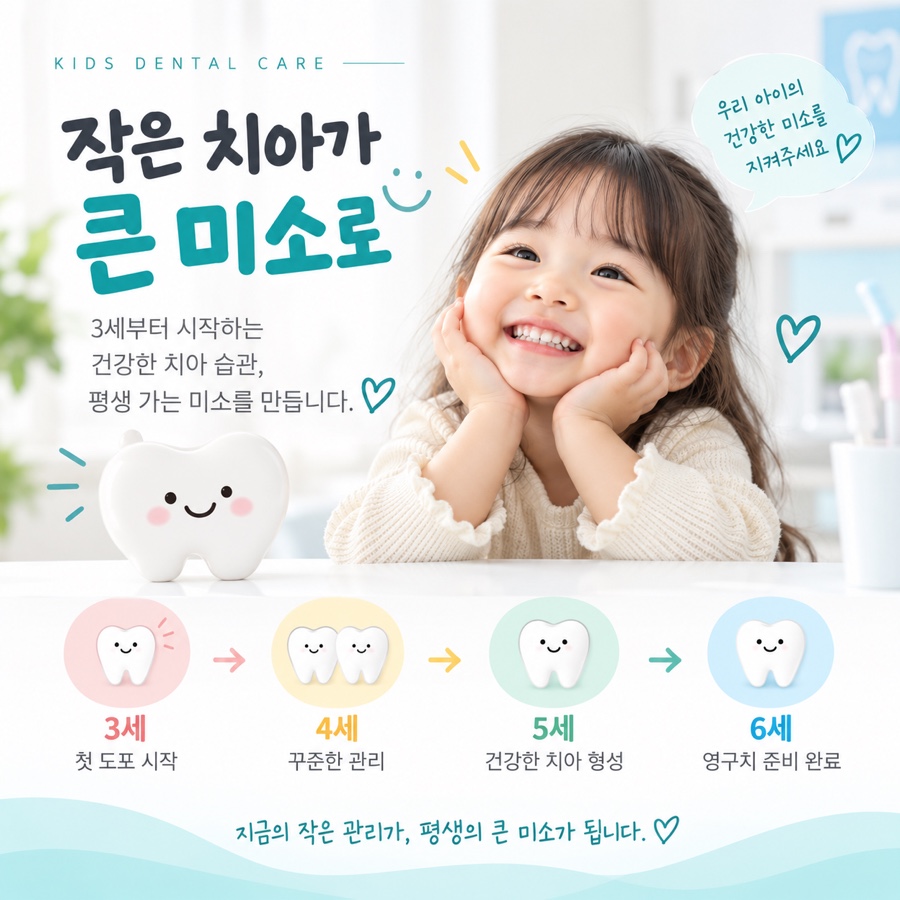
    Starting around age 3, once most baby teeth have come in, is a common time to begin fluoride treatment, continuing consistently through adolescence until the permanent teeth are fully in.

    That said, every child’s brushing habits and oral condition are different, so the right interval for your child may vary somewhat.
    Consulting with a dental professional to determine the appropriate schedule is the sensible approach.

    Key Points
    ✔ Starting fluoride treatment around age 3 is a typical starting point.
    ✔ Intervals are often shortened when new permanent molars are erupting.
    ✔ The exact frequency should be adjusted based on your child’s dental checkup results.
    Fluoride treatment for kids illustration 7

    What Should You Know Before and After the Procedure?

    After fluoride treatment, limiting eating and brushing for a period of time can help the fluoride absorb more fully.

    It takes time for fluoride to fully absorb into the tooth surface.
    That’s why hard or hot foods should be avoided right after treatment.
    Fluoride treatment for kids illustration 8

    Precautions
    ⚠ On the day of treatment, hold off on brushing or flossing for the period your dentist recommends, and follow their instructions.
    ⚠ Avoid hard or hot foods until the fluoride layer has had time to set.
    Fluoride treatment for kids illustration 9

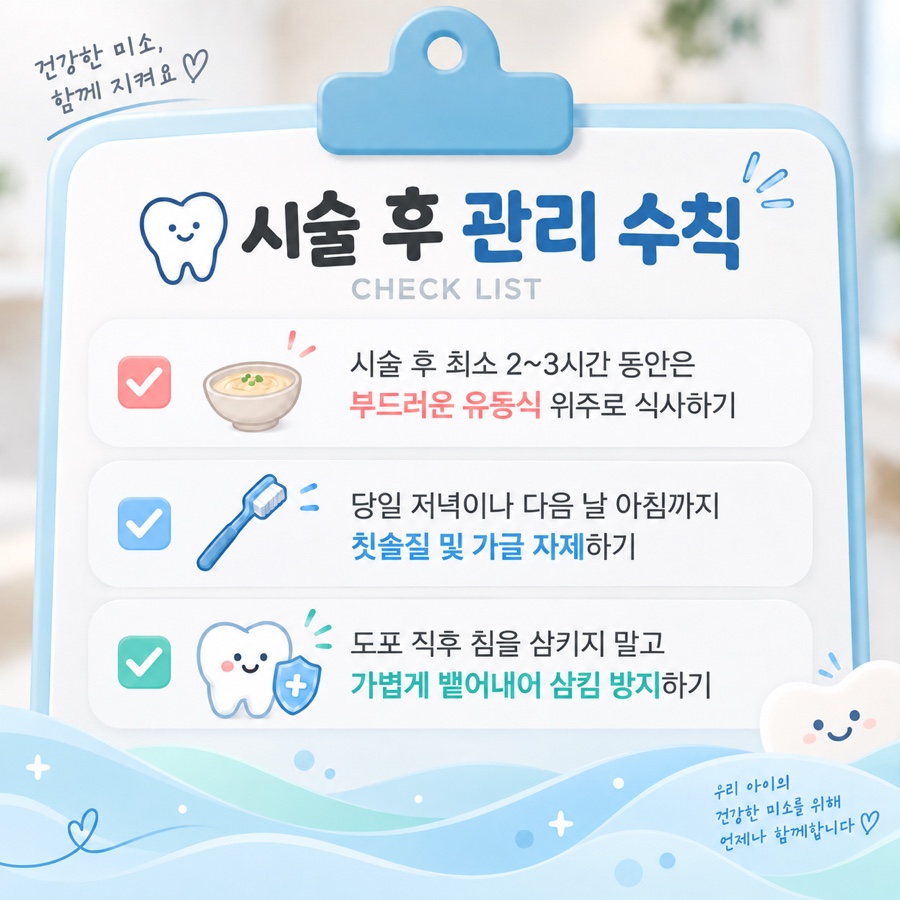
    Checklist: Aftercare Guidelines
    ✅ Stick to soft, liquid-based foods for at least 2–3 hours after treatment
    ✅ Avoid brushing and rinsing until that evening or the next morning
    ✅ Gently spit out saliva rather than swallowing it right after treatment

    Following these precautions carefully can help make the most of the fluoride treatment.

    A parent’s attention and consistent follow-through go a long way in supporting a child’s dental health.


    How Is Fluoride Treatment Priced by Age?

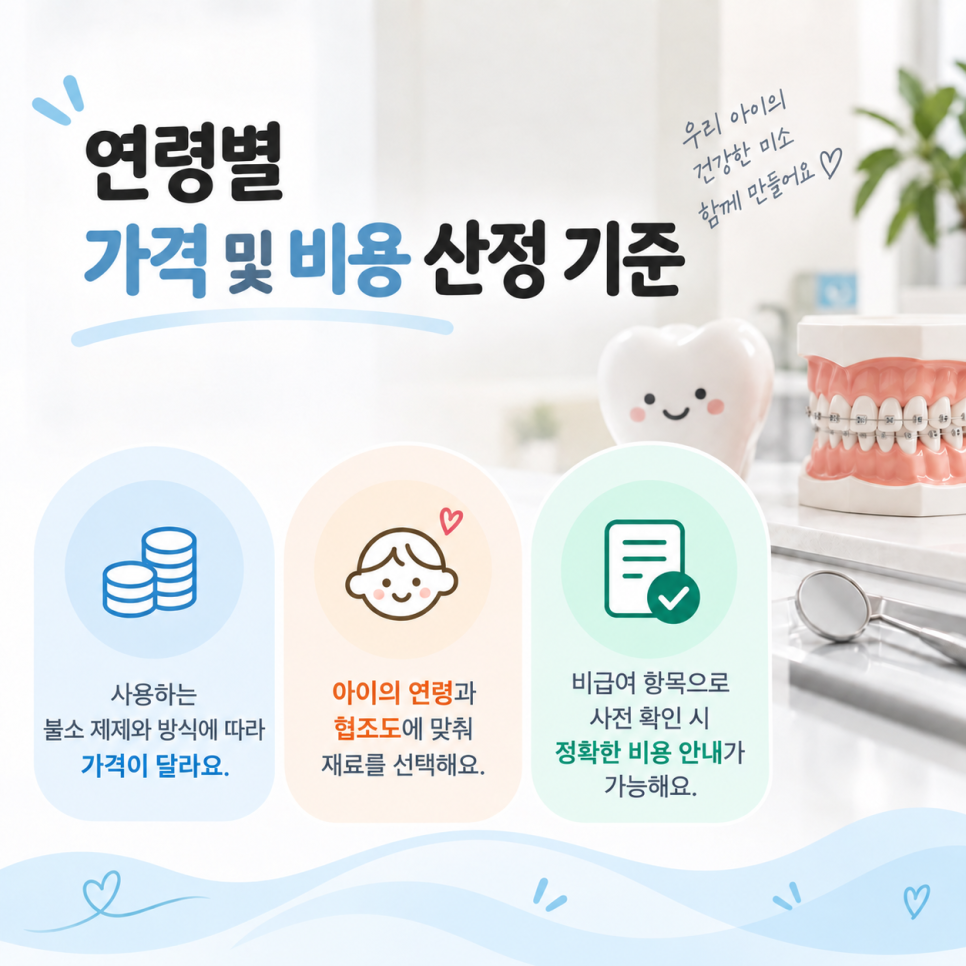
    Fluoride treatment pricing depends on the type of fluoride product used, how cooperative the child is during the procedure, and each dental practice’s non-covered fee schedule.

    Since this is a non-covered (out-of-pocket) treatment, prices can vary between practices.
    That’s why it helps to check the fee structure clearly before your visit.
    Fluoride treatment for kids illustration 10

    Typically, either a gel or varnish form is chosen based on the child’s age and how well they’re able to cooperate during the procedure.

    Age Group Cooperation Level Preferred Form
    Ages 3–5 May be difficult to cooperate Varnish, due to shorter application time
    Ages 6–12 Generally good cooperation Wider choice between gel and varnish
    Ages 13–18 High cooperation Focused care on permanent molars

    Fluoride treatment for kids illustration 11

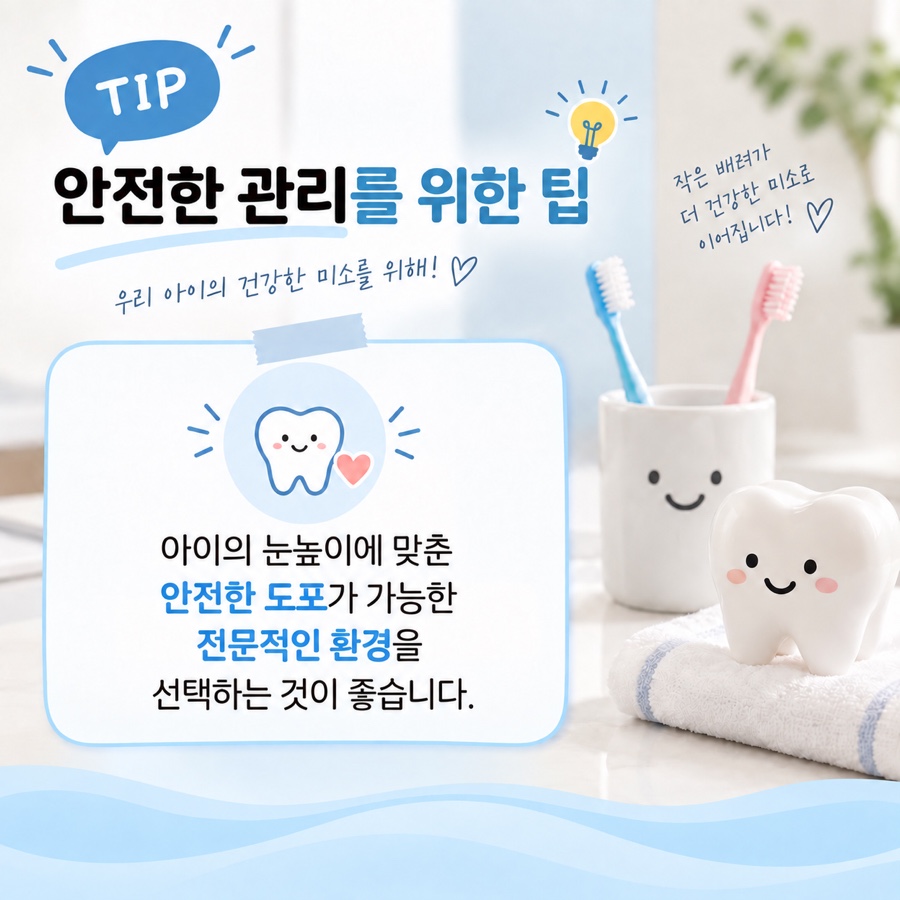
    Tips for Safe Care
    ⚠ Rather than focusing only on the lowest price, it’s worth carefully checking whether the practice offers a professional environment suited to your child’s comfort and safety during treatment.
    Fluoride treatment for kids illustration 12

    What You Can Expect
    Keeping up with regular preventive treatment at a reasonable price may help reduce oral health costs over the long term.

    The most reliable way to find out non-covered pricing is to ask during a consultation.
    You can also find related treatment information on the Cheongnyangni Yonsei Dajeonghan Orthodontic Dental Clinic website.

    Fluoride treatment for kids illustration 13

    Frequently Asked Questions

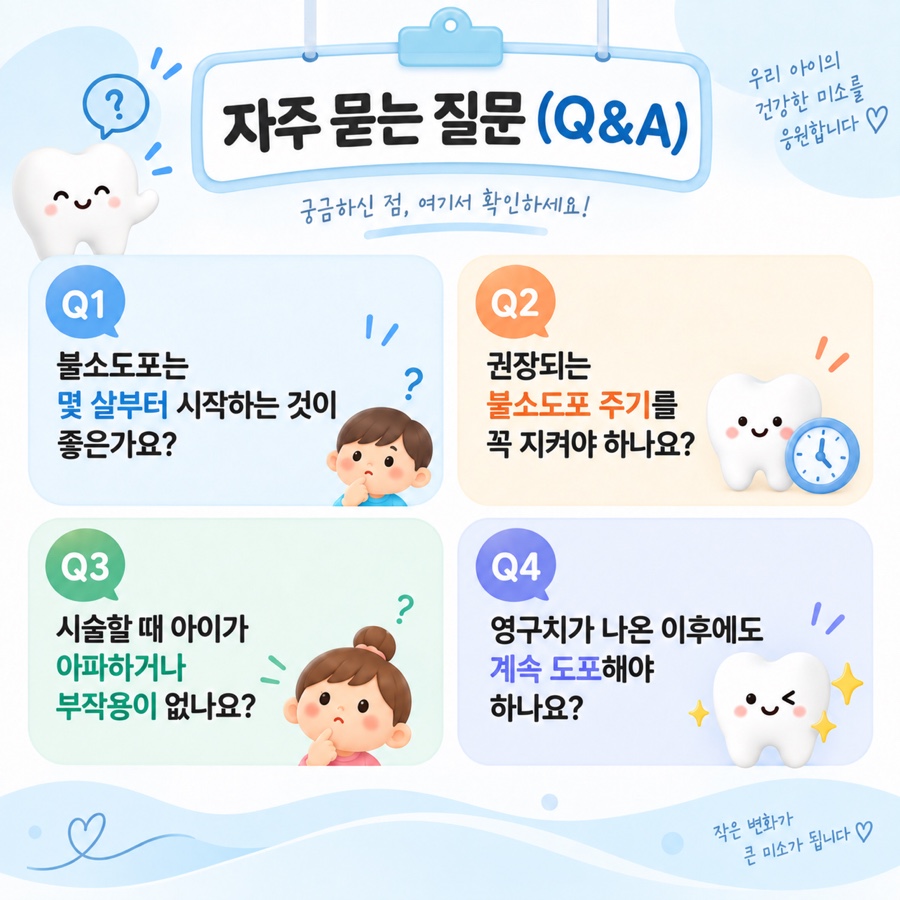
    1. What age is best to start fluoride treatment?
    It’s generally recommended to start around age 3, once most baby teeth have come in and the child is able to communicate and control swallowing.

    2. Is it important to stick to the recommended fluoride treatment schedule?
    Since fluoride’s protective layer gradually wears down over time, keeping to the recommended interval helps maintain its cavity-prevention benefit.

    3. Does the procedure hurt, or are there side effects?
    As a topical preventive treatment, it’s generally associated with minimal discomfort, and it’s considered relatively safe as long as care is taken to avoid swallowing after application.

    4. Should treatment continue after permanent teeth come in?
    Since permanent teeth need to last a lifetime, it’s advisable to continue regular care through adolescence, when cavity risk remains higher.

    5. Can fluoride treatment alone fully prevent cavities?
    Fluoride treatment is a supportive preventive measure that helps lower cavity risk; it should be combined with proper brushing and regular checkups to maintain its effect.

    Fluoride treatment for kids illustration 14

    References

    · Korea Disease Control and Prevention Agency, “Fluoride Application,” National Health Information Portal, 2026. Link
    · American Academy of Pediatrics, “Fluoride Use in Caries Prevention in the Primary Care Setting,” Pediatrics, 2014. Link
    Fluoride treatment for kids illustration 15

    This article is provided for general health information purposes only and is not a substitute for individual diagnosis or treatment. Please consult a dental professional if you have any symptoms or concerns.
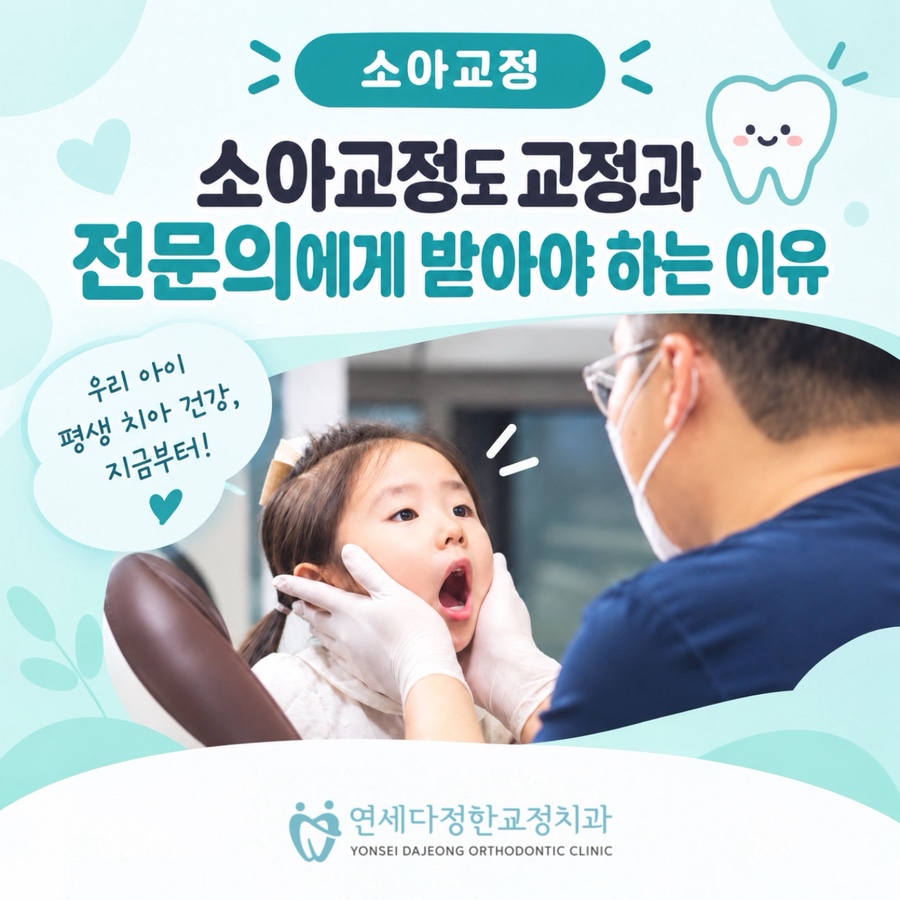

  • Early Orthodontic Treatment Timing: 3 Reasons to See a Board-Certified Orthodontist

    Early Orthodontic Treatment Timing: 3 Reasons to See a Board-Certified Orthodontist

    SummaryMissing the ideal early orthodontic treatment timing can mean losing the golden window for correcting jaw growth without surgery. Here’s what to know about growth-stage development and why care should come from a board-certified orthodontist.

    Has your child mentioned jaw discomfort while eating, yet you keep putting off that dental appointment?

    Meanwhile, your child’s jawbone is growing right now, in this very moment.
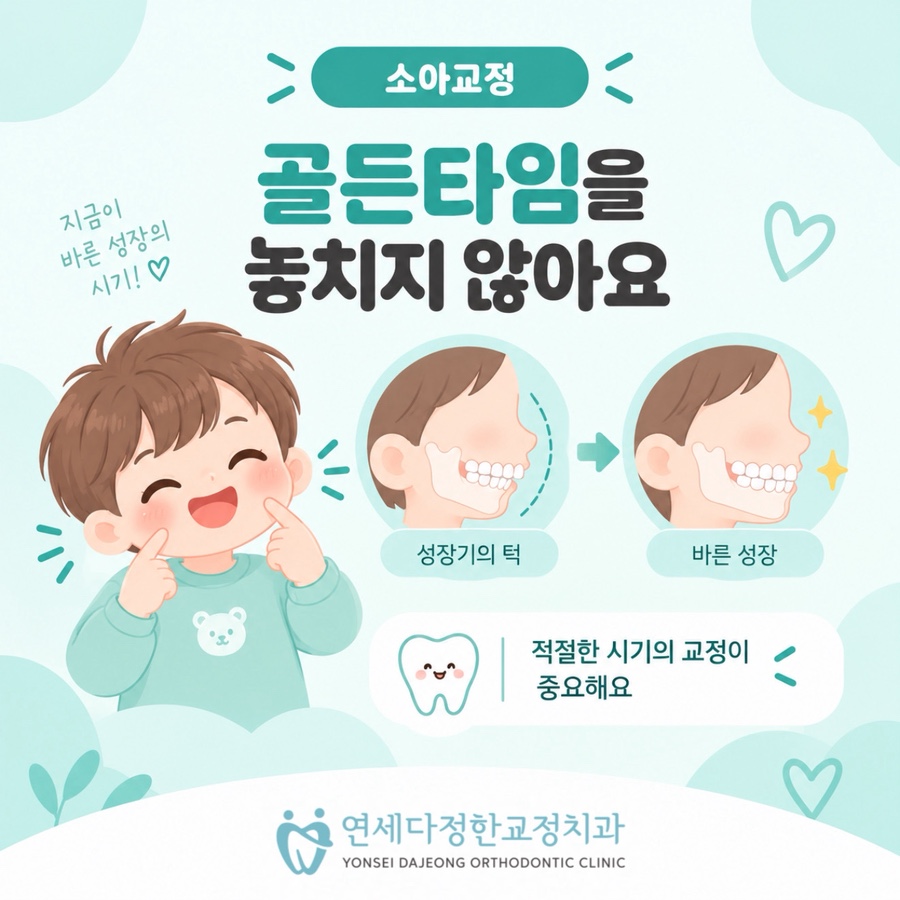
    During the growth years, there’s a golden window when skeletal issues can often be corrected without surgery.

    To avoid missing this window,
    you first need to understand the criteria for judging the right early orthodontic treatment timing.

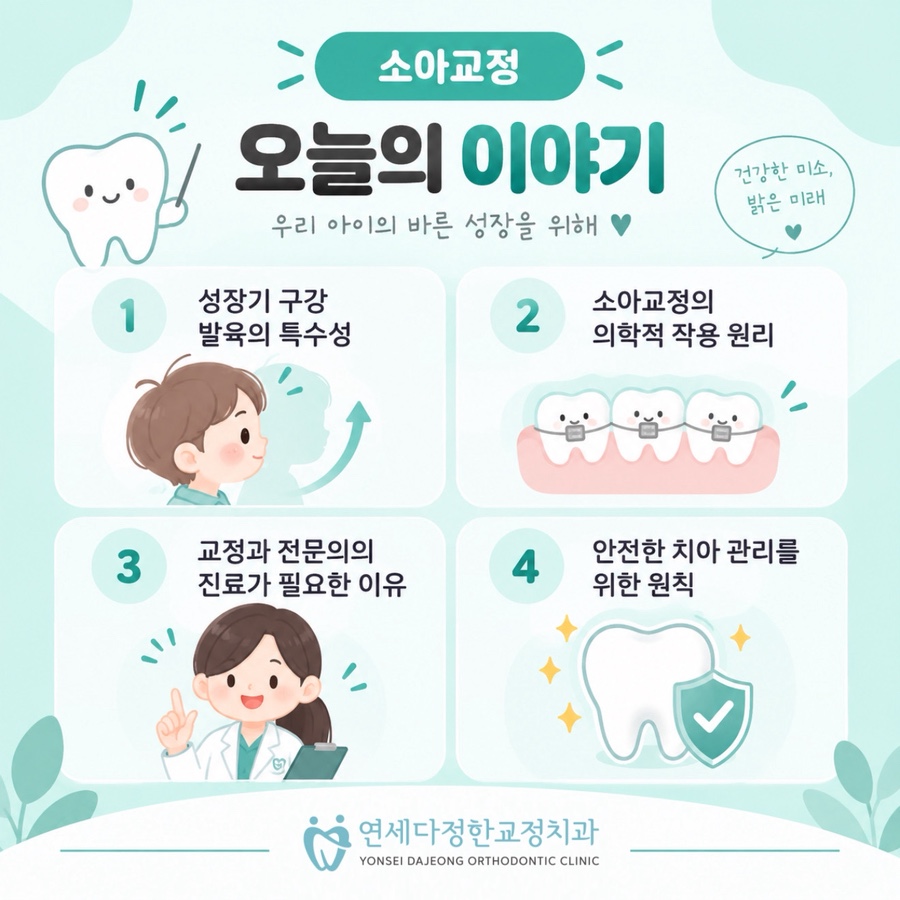
    This article outlines the growth-stage checkpoints for catching the right early orthodontic treatment timing, along with the medical reasons treatment should be provided by a board-certified orthodontist.
    We’ll walk through everything from the principles of jaw growth to the guidelines for safely caring for orthodontic appliances.
    early orthodontic treatment timing

    early orthodontic treatment timing illustration 2

    When Is the Right Time for Early Orthodontic Treatment?

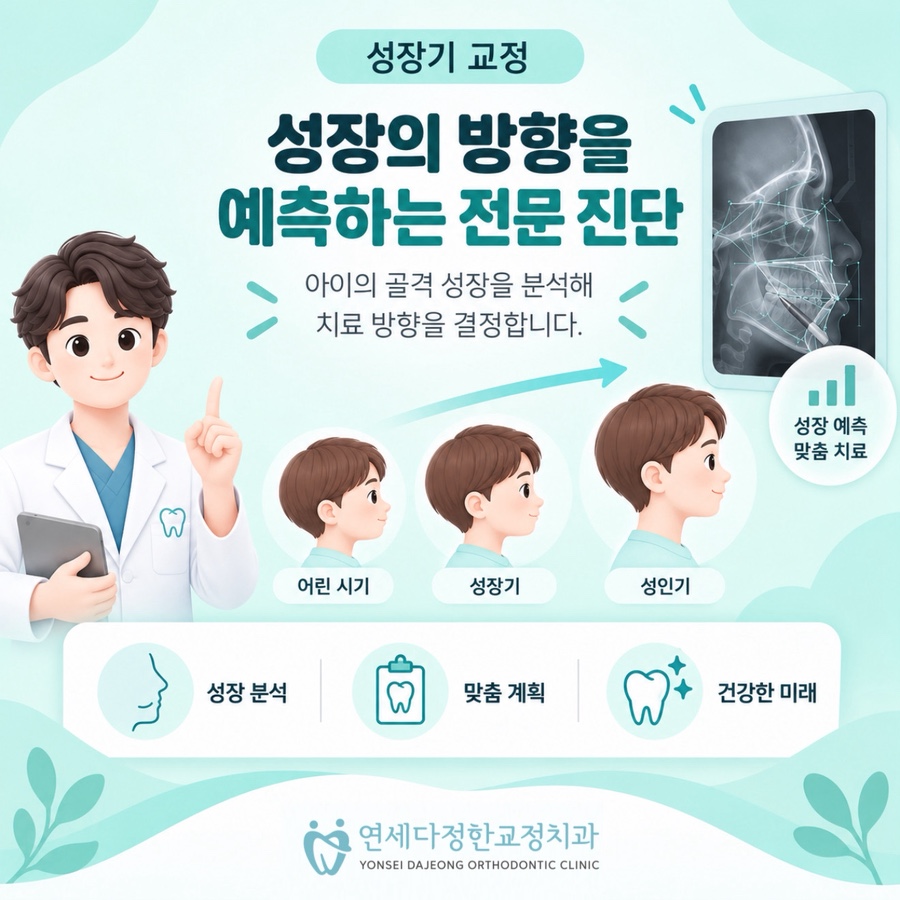
    To answer directly: the ideal time for a first checkup is around age 6 to 7, when permanent teeth begin coming in.

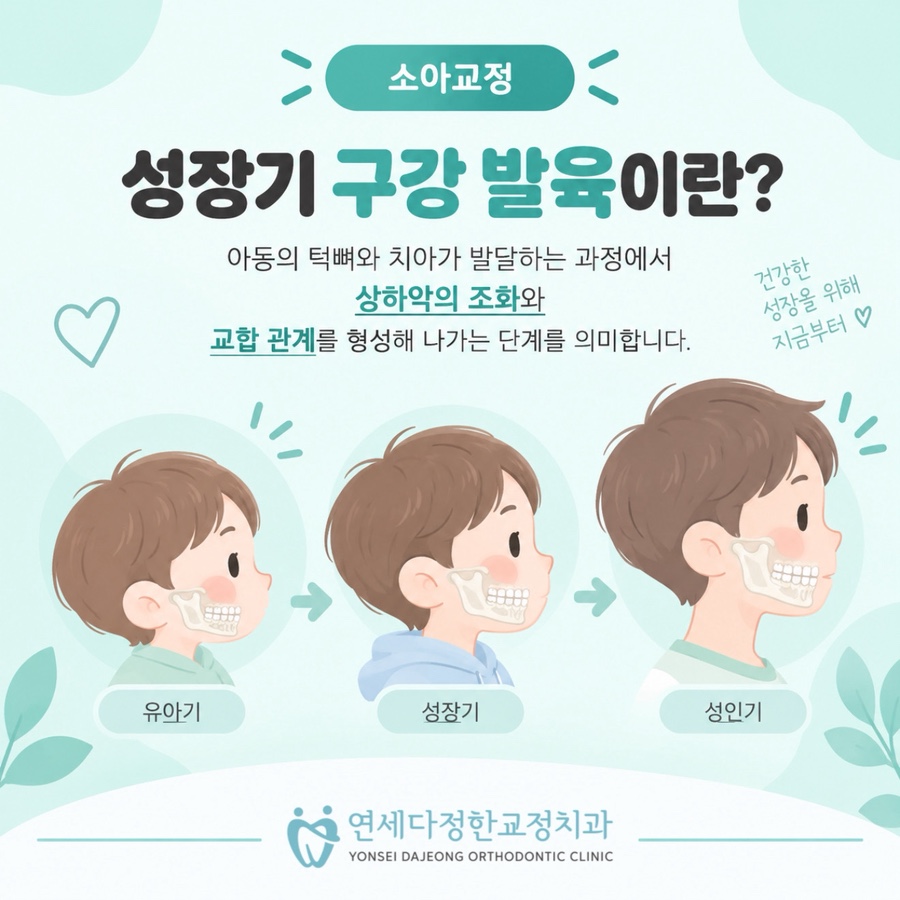
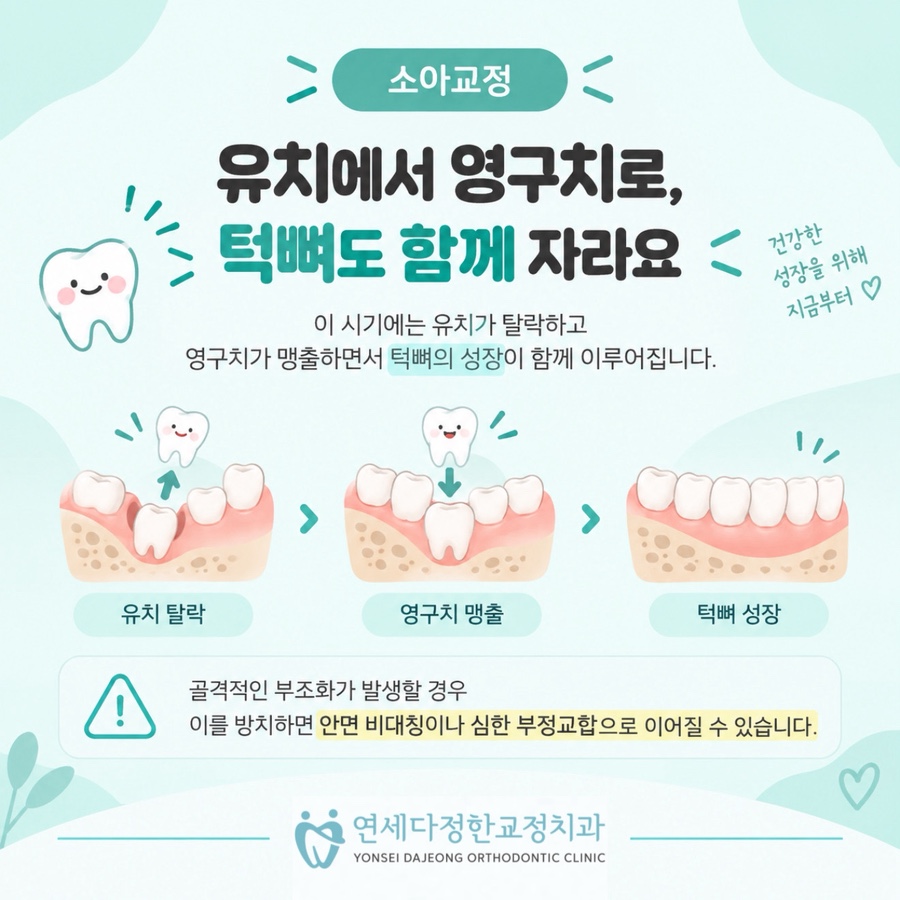
    Growth-stage oral development refers to the process in which baby teeth fall out and permanent teeth emerge, while the upper and lower jawbones grow together.

    If skeletal imbalances go unaddressed during this stage, they can lead to facial asymmetry or severe malocclusion.

    That’s why careful, early observation to catch warning signs is so important.

    early orthodontic treatment timing illustration 3

    early orthodontic treatment timing illustration 4

    early orthodontic treatment timing illustration 5

    Key Point
    Because a child’s jaw growth can sometimes be guided to correct skeletal imbalances without surgery, it’s important not to miss the right early orthodontic treatment timing — the golden window.
    Genetic factors and habits like thumb-sucking or mouth breathing are also major contributors that can interfere with normal growth.

    early orthodontic treatment timing illustration 6

    early orthodontic treatment timing illustration 7

    early orthodontic treatment timing illustration 8


    How Does Early Orthodontic Treatment Manage Jaw and Teeth Growth?

    Early orthodontic treatment is less about moving teeth with appliances and more like orthopedic treatment that guides the direction of jaw growth.

    Early (pediatric) orthodontic treatment refers to guiding or restraining jaw growth during the growth years to balance the upper and lower jaws while also correcting related muscle function.

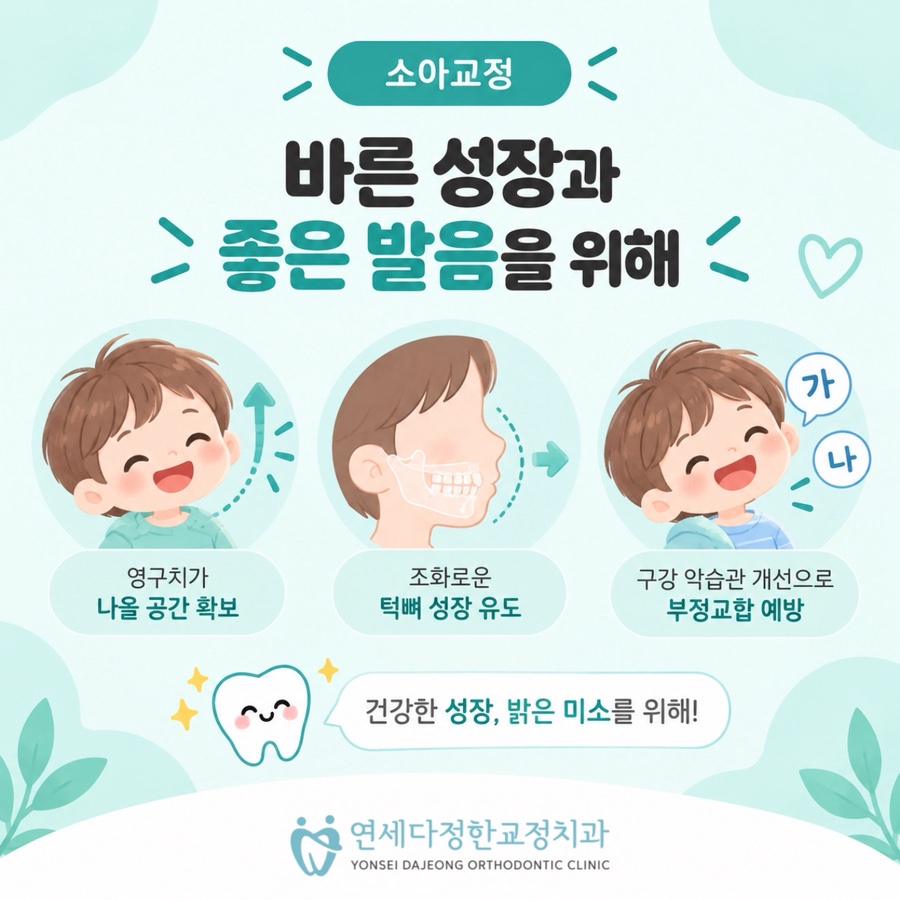
    Here’s what this approach can help achieve:

    1. Creating space for permanent teeth to erupt correctly
    2. Guiding harmonious growth of the upper and lower jawbones
    3. Helping prevent malocclusion by correcting oral habits

    early orthodontic treatment timing illustration 9

    Category Growth-Stage (Pediatric) Orthodontics Adult Orthodontics
    Treatment Goal Guiding/restraining jaw growth Focused on aligning teeth
    Main Methods Orthopedic appliances, growth-guidance appliances Brackets, clear aligners, etc.
    Possible Benefit May reduce the likelihood of extraction or surgery Proceeds based on an already-formed skeletal structure

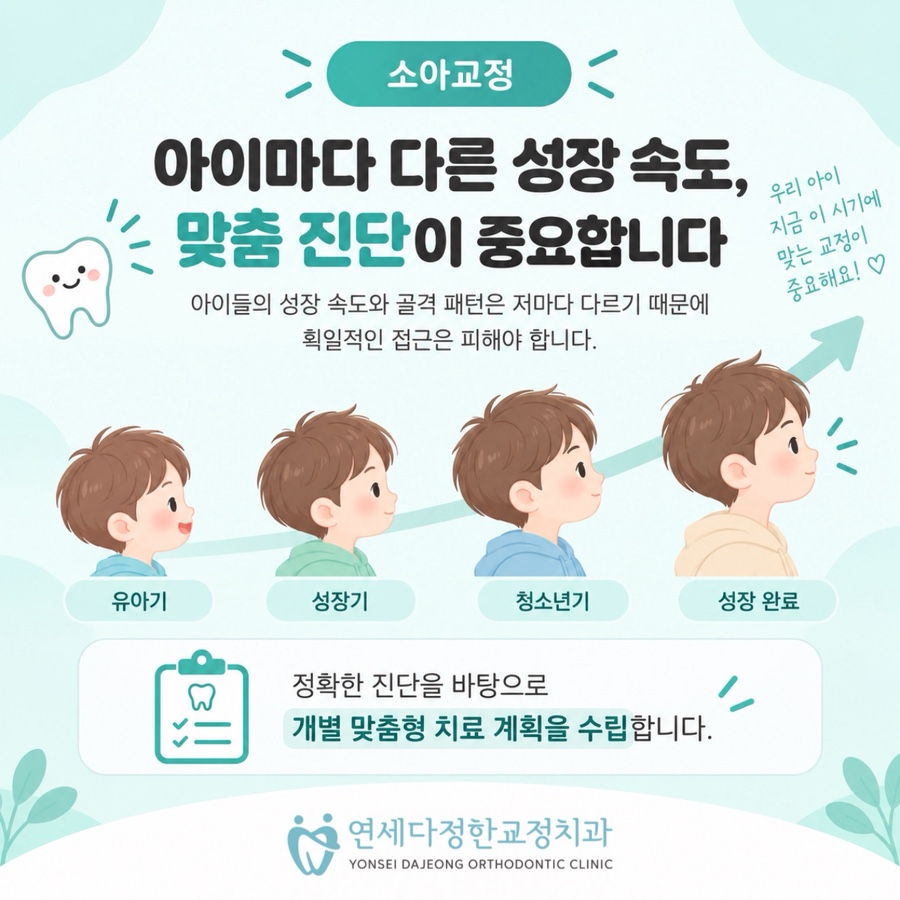
    Because every child’s growth rate and skeletal pattern differs,
    a one-size-fits-all approach should be avoided.

    Building an individualized treatment plan based on an accurate diagnosis is what matters most.

    early orthodontic treatment timing illustration 10

    early orthodontic treatment timing illustration 11


    Why Should Early Orthodontic Treatment Be Done by a Board-Certified Orthodontist?

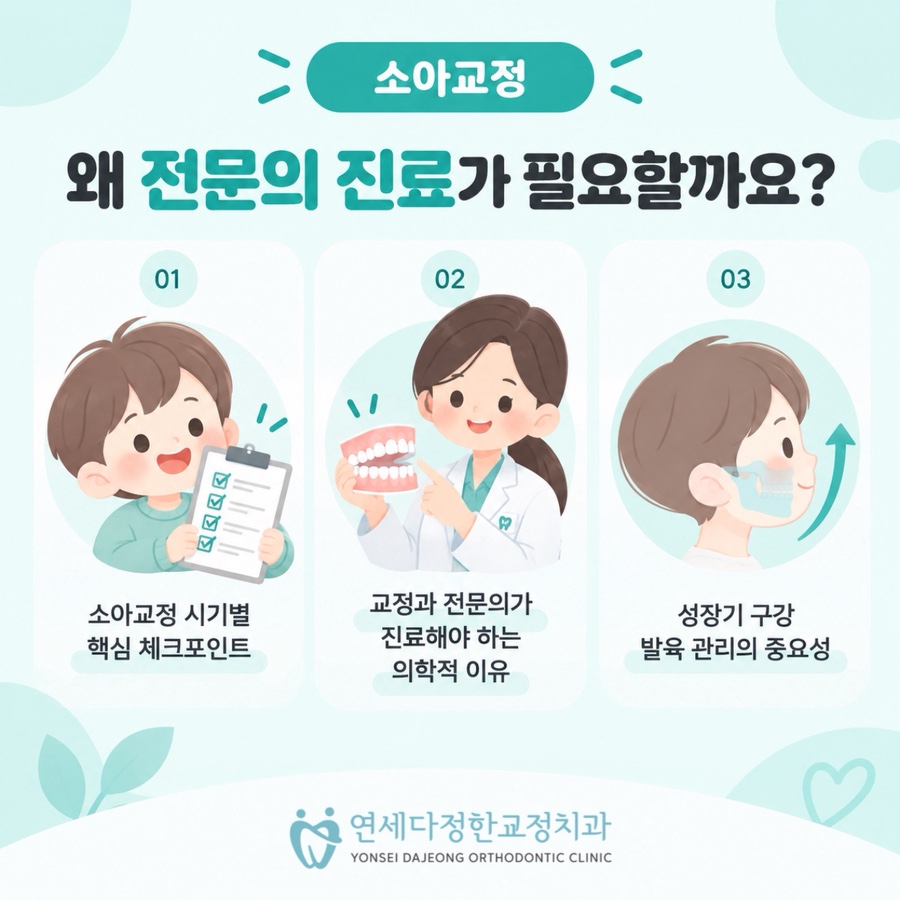
    A board-certified orthodontist is a dentist who completed one year of internship and three years of residency training exclusively in orthodontics at an institution recognized by Korea’s Ministry of Health and Welfare, and who has passed the national specialist licensing exam.

    Growth-stage orthodontic care is a complex discipline that must consider not only a child’s current tooth alignment but also how the facial bones will develop into adulthood.

    That’s why it demands the ability to anticipate skeletal growth patterns and judge long-term prognosis.

    early orthodontic treatment timing illustration 12

    early orthodontic treatment timing illustration 13

    Checklist: What to Consider When Choosing a Provider
    ✅ Confirm the provider holds a Ministry of Health and Welfare–certified orthodontic specialist qualification
    ✅ Look for experience across a range of growth-stage cases and a precise diagnostic system
    ✅ Confirm they offer systematic, long-term prognosis management

    You can also verify specialist credentials on the Korean Association of Orthodontists (KAO) website.

    This expertise may help reduce variables that can arise during treatment and support overall safety.
    If you’re considering early orthodontic treatment in the Cheongnyangni area, visit the Cheongnyangni Yonsei Dajeonghan Orthodontics homepage to check whether care is provided by a board-certified orthodontist.

    early orthodontic treatment timing illustration 14

    early orthodontic treatment timing illustration 15


    How Do You Safely Care for Pediatric Orthodontic Appliances?

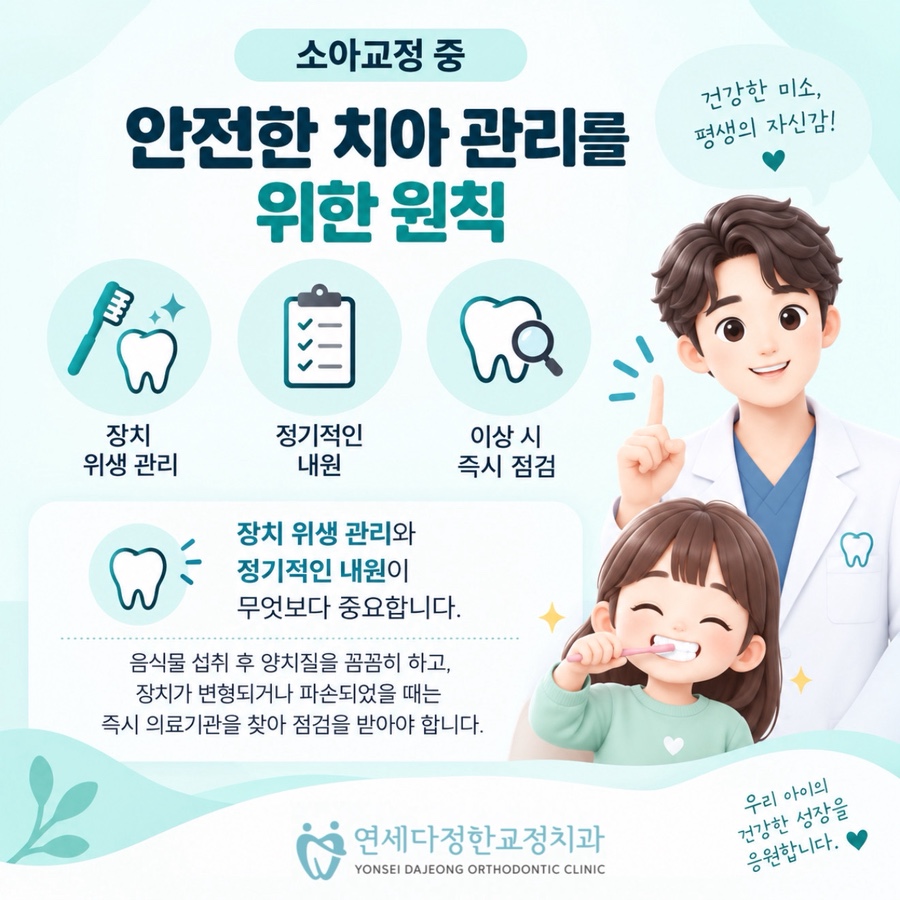
    During early orthodontic treatment, appliance hygiene and regular follow-up visits matter most.

    Neglecting to brush after meals can make cavities and gum disease more likely, so attentive guidance from parents or guardians is essential.

    Caution
    If an appliance becomes bent or damaged, do not try to adjust it yourself — see your dental provider right away for an inspection.

    early orthodontic treatment timing illustration 16

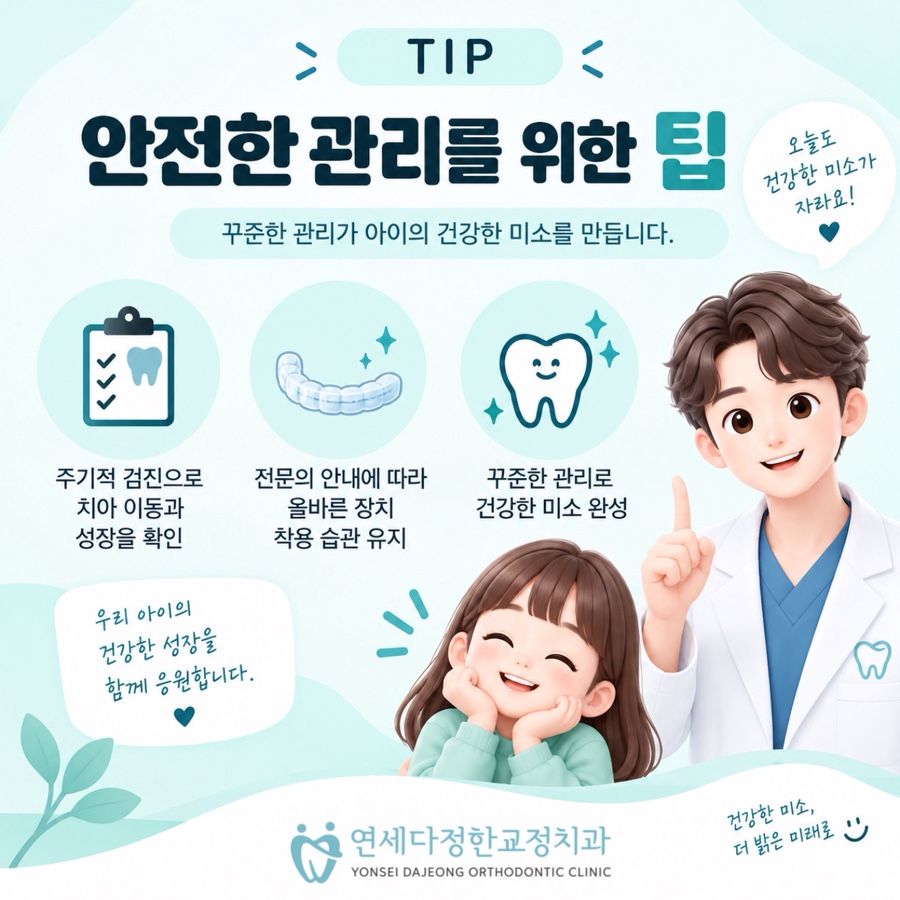
    Ongoing Care
    Regular checkups to track tooth movement and jaw growth, combined with following your orthodontist’s guidance on appliance wear, can support consistent care and systematic progress monitoring.

    early orthodontic treatment timing illustration 17


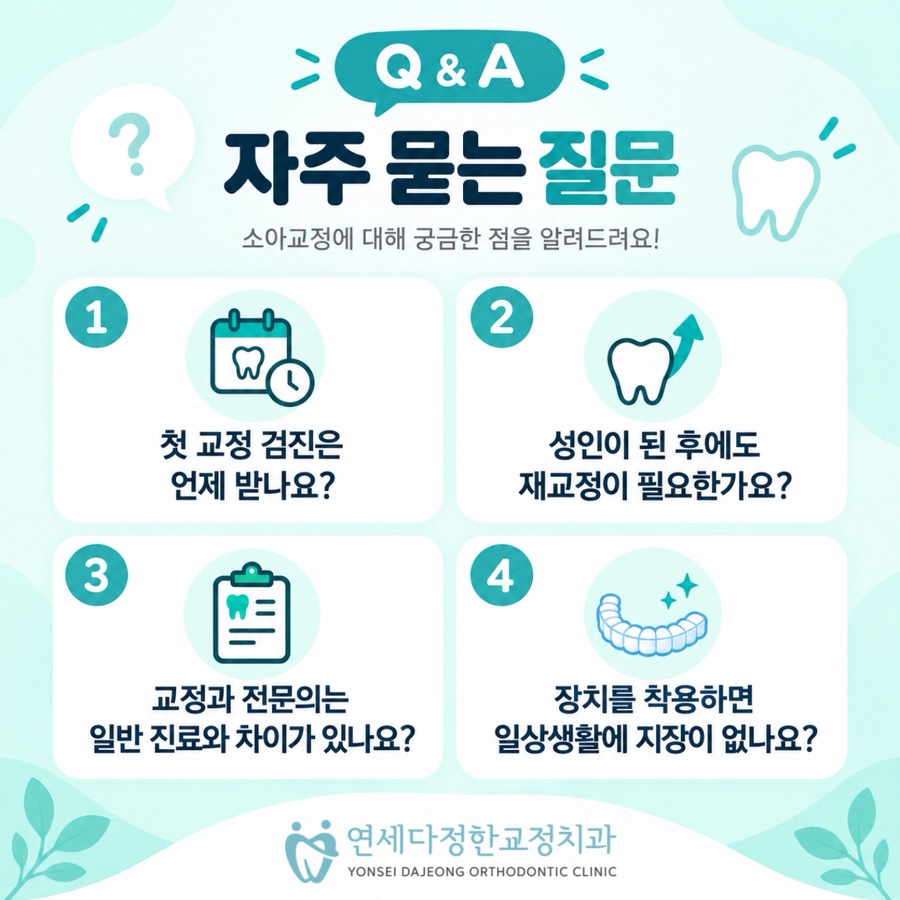
    Frequently Asked Questions

    1. When should my child have their first orthodontic checkup?
    It’s recommended to have a first checkup around age 6 to 7, when permanent teeth begin coming in, to assess skeletal development.

    2. If my child gets early orthodontic treatment, will they avoid needing treatment again as an adult?
    Correcting skeletal imbalances early, during the growth years, may help reduce the difficulty of future adult orthodontic treatment and the likelihood of extraction — though it does not guarantee that no further treatment will be needed.

    3. How is a board-certified orthodontist’s care different from general dental care?
    Board-certified orthodontists draw on specialized knowledge of jawbone tendencies and overall facial skeletal harmony, not just tooth alignment, to build a precise treatment plan.

    4. Will wearing an appliance get in the way of daily life?
    There may be some initial discomfort or a sense of foreign material in the mouth, but children often adjust within a few days and return to their normal routine.

    early orthodontic treatment timing illustration 18


    References

    · American Association of Orthodontists, “Monitoring Jaw Growth: Why the AAO Recommends an Age 7 Checkup,” AAO, 2023. View source
    · Korean Association of Orthodontists, “Find a Society Member and Board-Certified Orthodontist,” Korean Association of Orthodontists (KAO). View source

    early orthodontic treatment timing illustration 19


    This article is intended for general health information purposes only and is not a substitute for individual diagnosis or treatment.
    If your child has symptoms, please consult a specialist.
  • Pediatric Dentist in Seoul: 3 Tips to Choose the Right Clinic

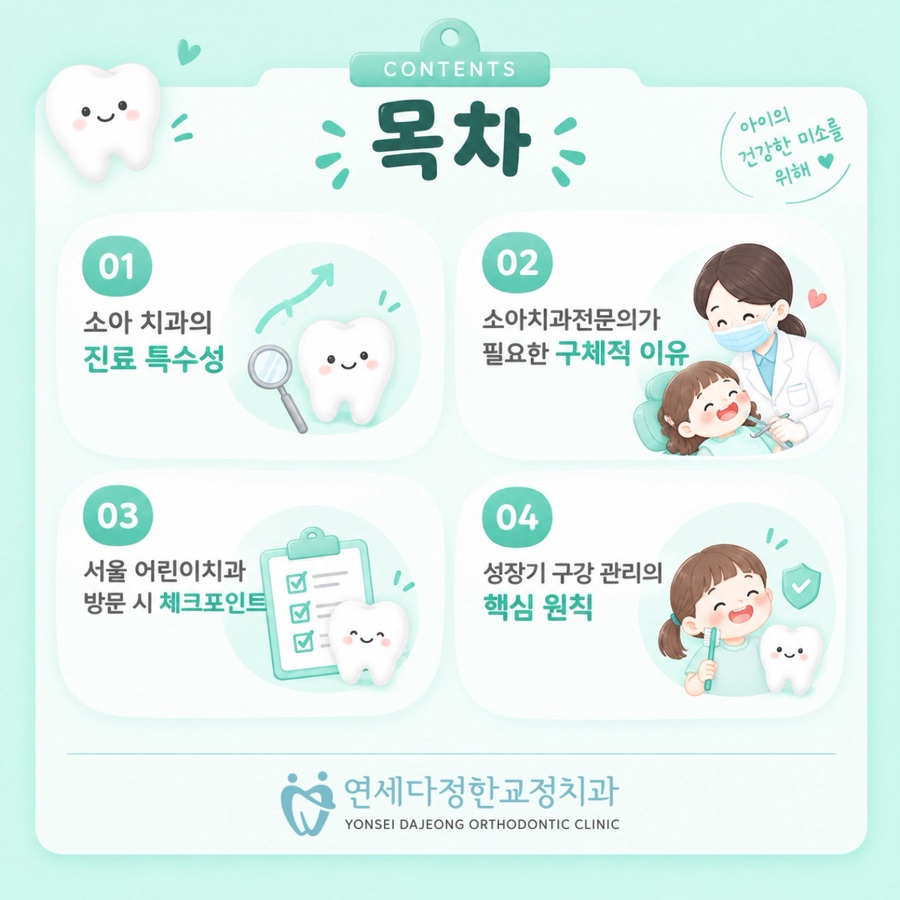
    Pediatric Dentist in Seoul: 3 Tips to Choose the Right Clinic

    SummaryHere’s why care from a board-certified pediatric dentist matters when choosing a pediatric dentist in Seoul, along with selection checkpoints, baby tooth care, and permanent tooth eruption timing — all in one place. You’ll also find approaches that help ease dental anxiety in kids.

    Have you ever broken into a sweat because your child bursts into tears the moment you reach the dental office door?
    In reality, this reaction usually isn’t about your child’s personality —
    it’s often shaped by the clinic environment and approach.

    Dental fear experienced in childhood
    may carry over into adulthood.

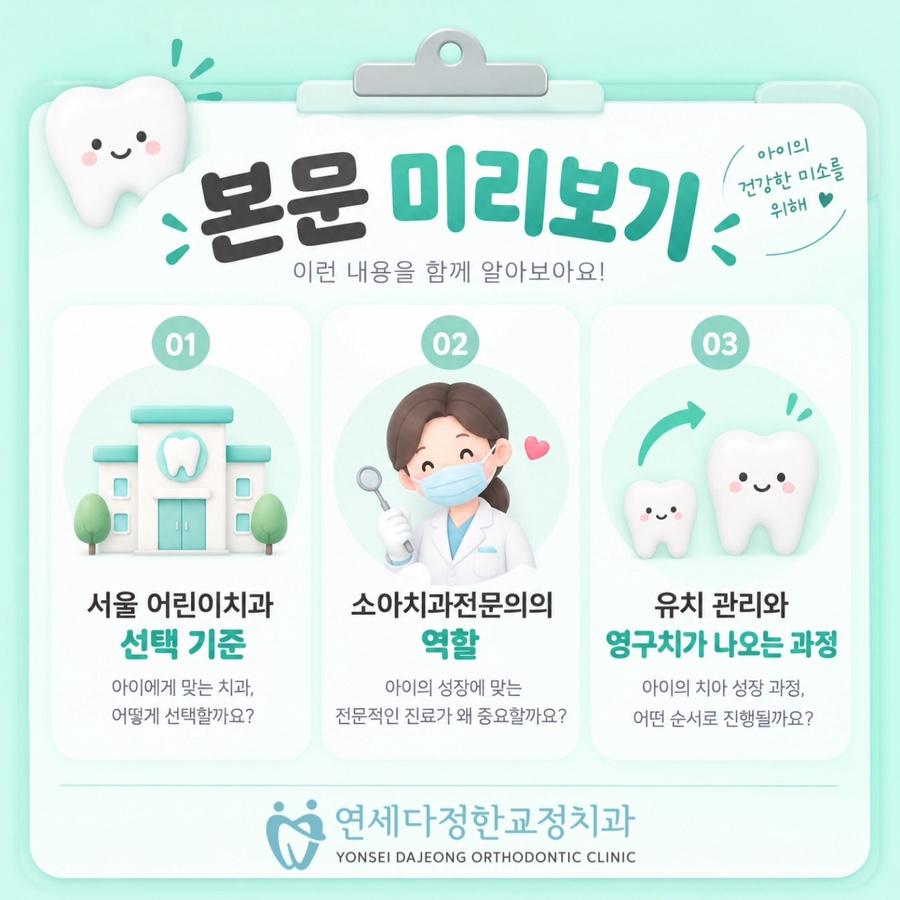
    This article explains why care from a board-certified pediatric dentist matters when choosing a pediatric dentist in Seoul,
    along with what makes pediatric care unique and key checkpoints for your decision.

    You’ll also find the core principles of managing a growing child’s oral health — from baby tooth care to making room for permanent teeth.

    pediatric dentist in Seoul

    pediatric dentist in Seoul - image 2

    pediatric dentist in Seoul - image 3

    pediatric dentist in Seoul - image 4

    pediatric dentist in Seoul - image 5

    What Makes Pediatric Dentistry Different From General Dentistry?

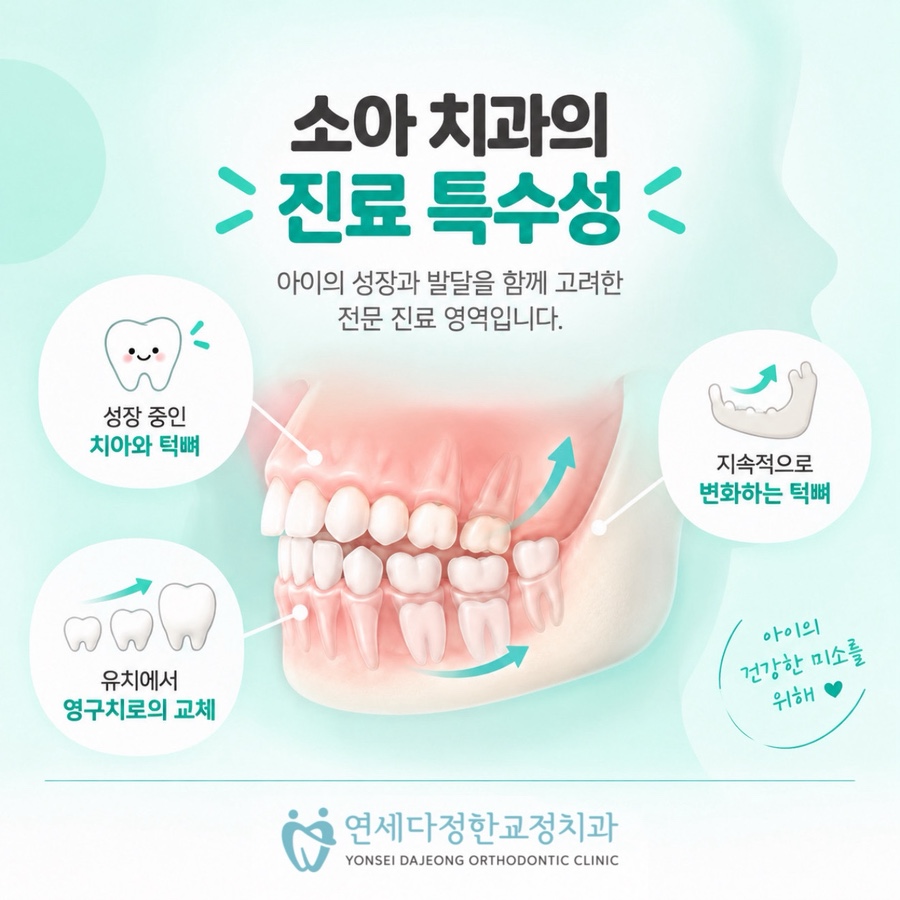
    In short, pediatric dentistry goes beyond treating cavities —
    it’s a specialized field that also monitors jawbone growth and tooth development.

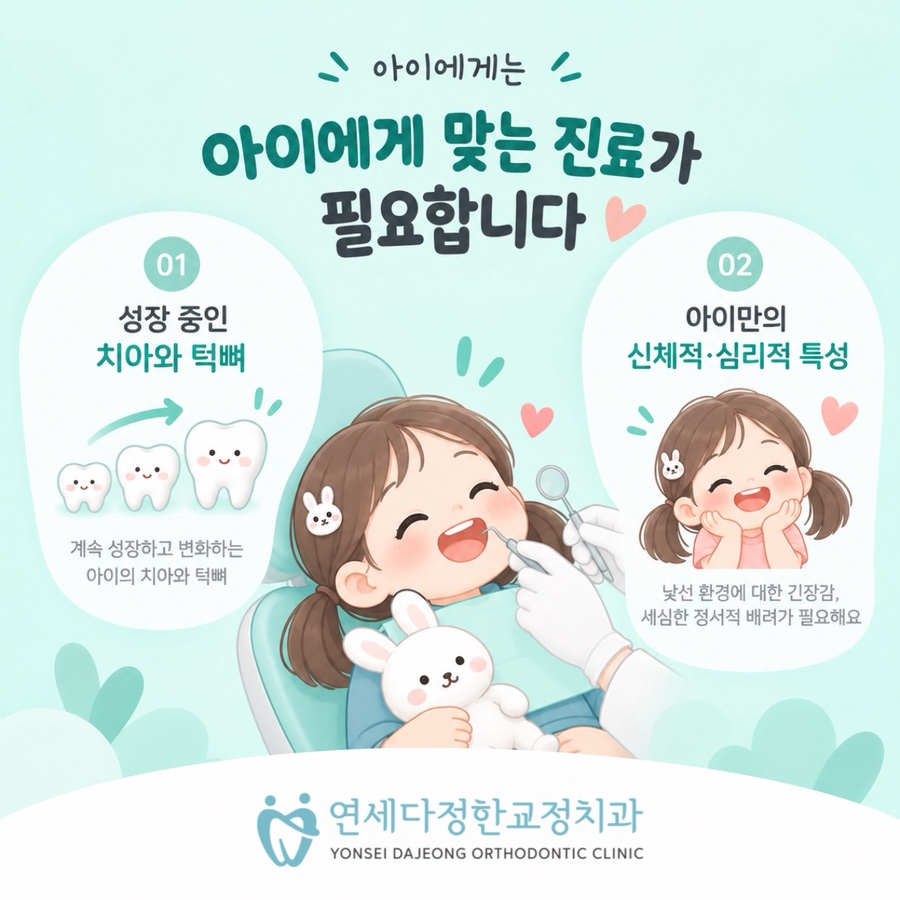
    Pediatric dentistry is the branch of dental care that comprehensively manages tooth and jawbone development at each stage of a child’s growth.

    Baby teeth have thinner enamel and nerves that sit closer to the surface than adult teeth,
    so cavities can progress very quickly once they start.

    On top of that, young children often can’t clearly describe
    where it hurts or what feels uncomfortable.

    That’s why attentive care that catches even small changes is essential.

    Key Point
    A growing child’s tooth alignment and jaw development can influence facial structure and chewing function later on, so it’s best to pair early treatment with careful, thorough diagnosis from the start.

    pediatric dentist in Seoul - image 6

    pediatric dentist in Seoul - image 7

    pediatric dentist in Seoul - image 8

    pediatric dentist in Seoul - image 9


    Why Is a Board-Certified Pediatric Dentist Essential?

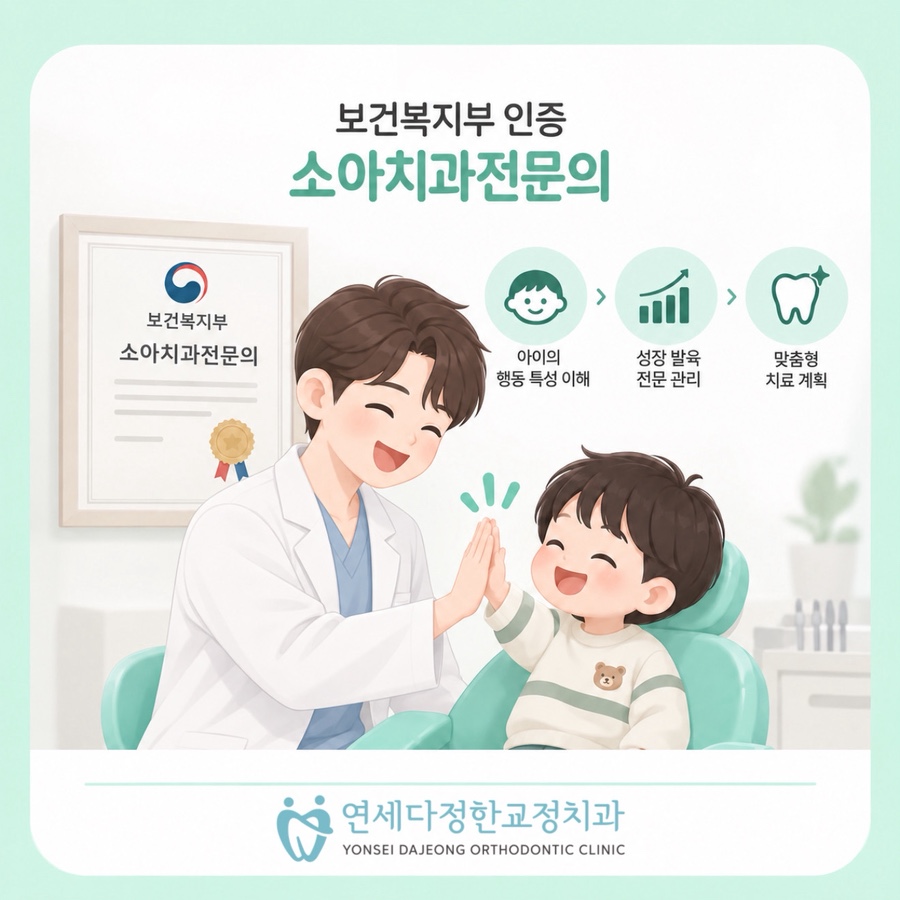
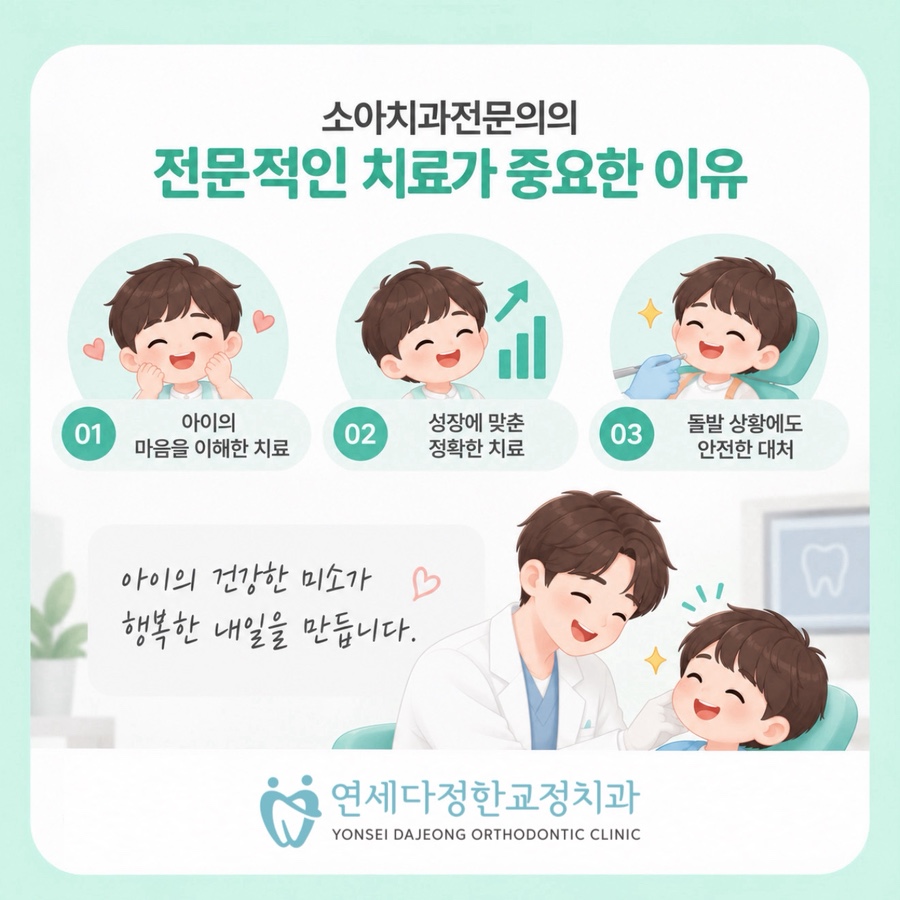
    In short, a board-certified pediatric dentist is essential because they’ve completed specialized training in children’s behavior and development.

    A board-certified pediatric dentist is a dentist who has completed a specialty training program recognized by South Korea’s Ministry of Health and Welfare, with an in-depth understanding of children’s psychology and developmental characteristics.

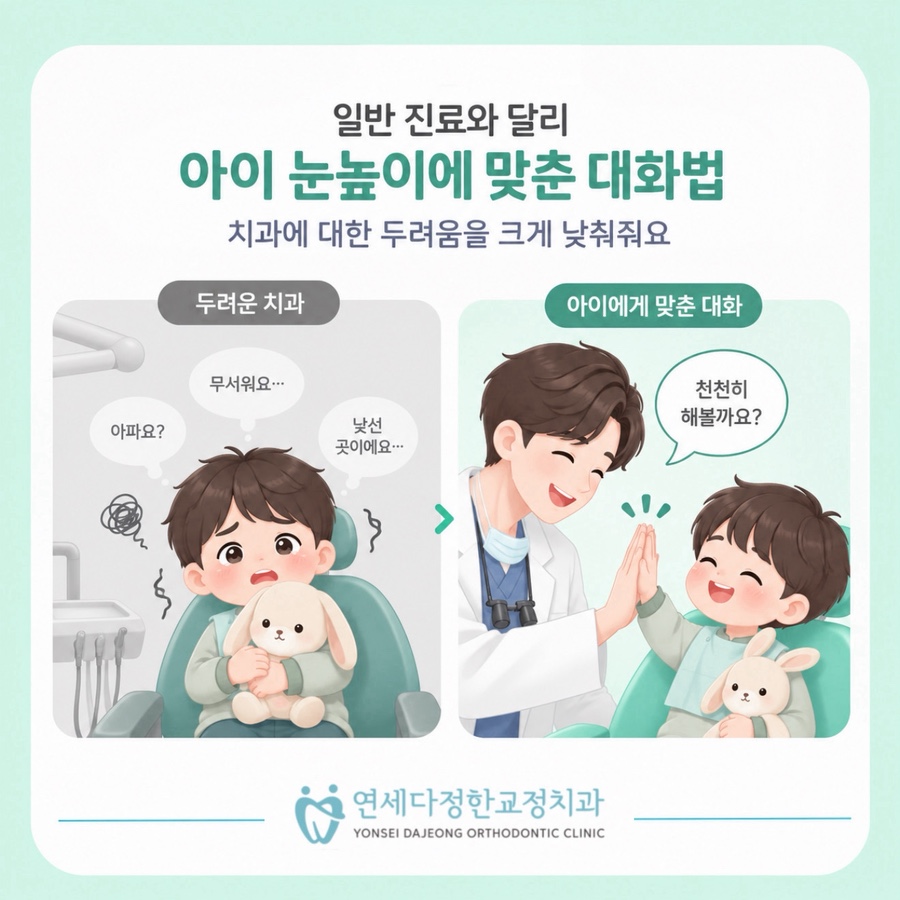
    Unlike general dental visits, communicating at a child’s level
    can help reduce fear of the dentist.

    Pushing treatment on a child who is severely afraid
    may leave dental trauma that lasts into adulthood.

    Category General Dentist Board-Certified Pediatric Dentist
    Patient age range All ages Focused on infants through teens
    Behavior management Limited Systematic behavior-management expertise
    Growth assessment Focused on cavities Comprehensive care including jaw and bite development

    Key competencies of a board-certified pediatric dentist include:

    1. Behavior-management techniques that consider a child’s emotional state
    2. Precise preventive care tailored to age-specific skeletal growth
    3. Clinical experience handling unexpected situations during treatment

    This kind of specialized approach can help ease stress
    not only for the child, but for parents as well.

    pediatric dentist in Seoul - image 10

    pediatric dentist in Seoul - image 11

    pediatric dentist in Seoul - image 12

    pediatric dentist in Seoul - image 13


    What Should You Check When Choosing a Pediatric Dentist in Seoul?

    The key is to look at the clinic’s environment and systems before considering distance.

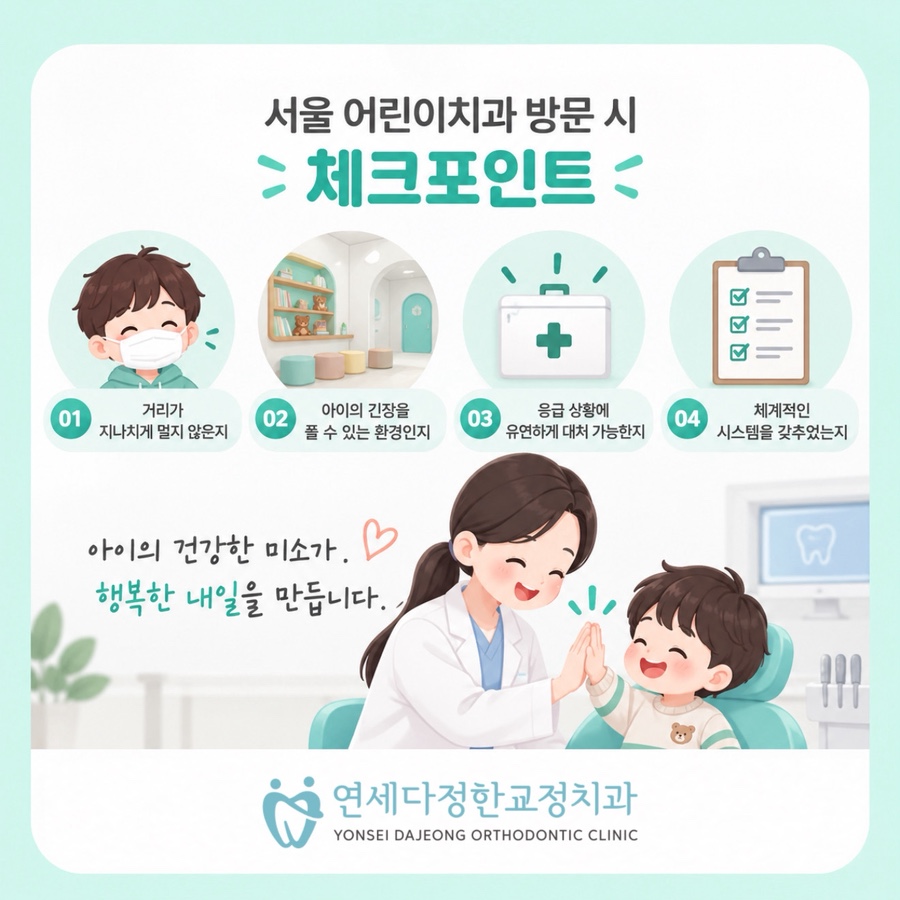
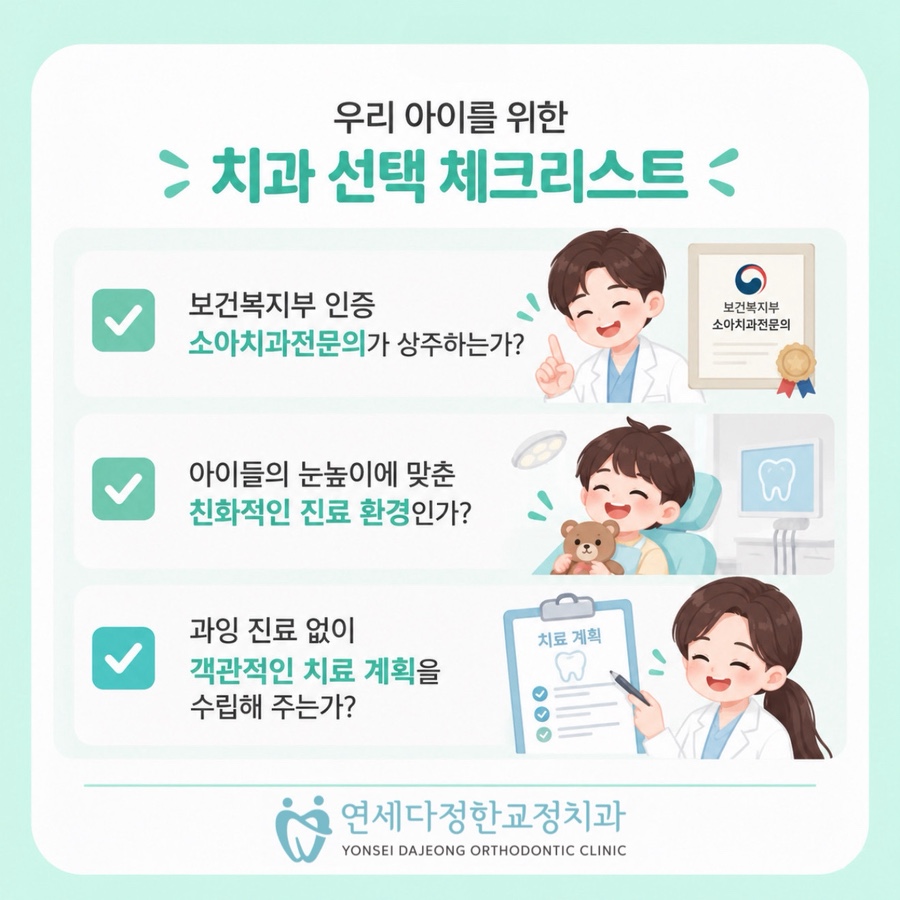
    The criteria for choosing a pediatric dentist in Seoul come down to three things: whether a board-certified specialist is on staff, a child-friendly environment, and an objective treatment plan.

    It’s worth checking whether the clinic has a welcoming interior and a dedicated waiting area to help ease a child’s nerves,
    as well as a system in place to respond flexibly to emergencies.

    Checklist
    ✅ Is a Ministry of Health and Welfare-certified pediatric dentist on staff?
    ✅ Is the treatment environment friendly and geared toward a child’s comfort?
    ✅ Does the clinic offer an objective treatment plan without overtreatment?

    Establishing a trusted pediatric dentist in Seoul as your child’s regular dental home
    can make it easier to track tooth development consistently as they grow.

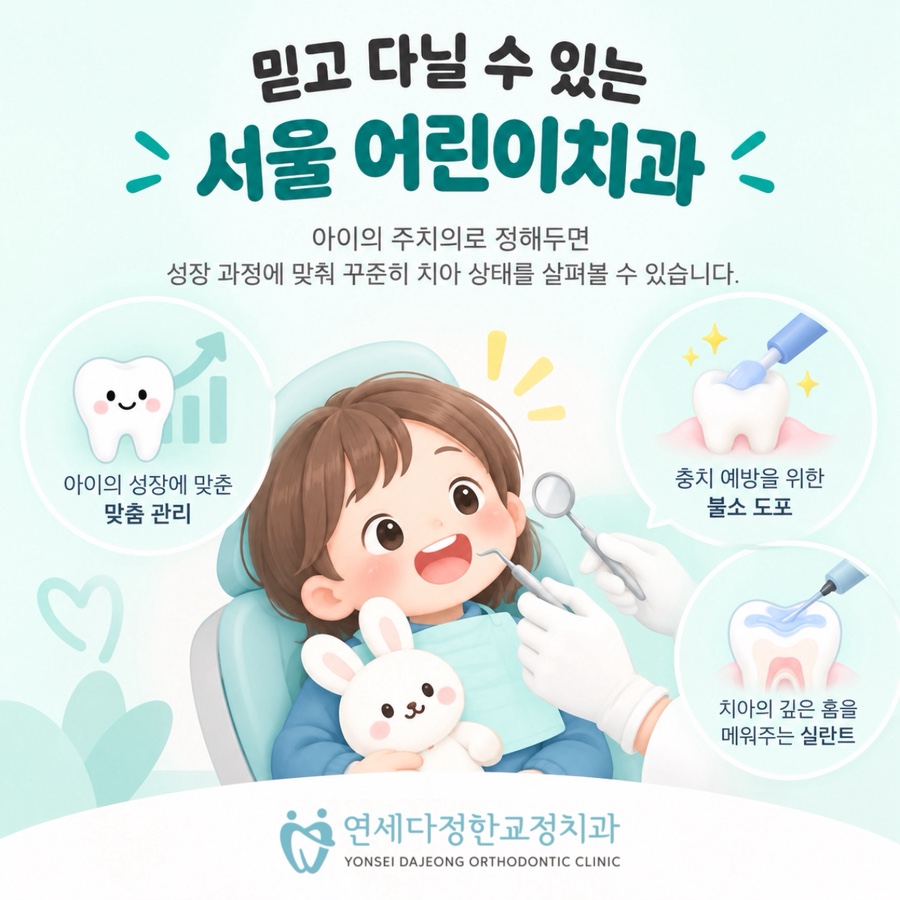
    Preventive measures such as fluoride treatment
    and sealants to protect the grooves of the teeth
    should also be applied based on each child’s individual needs.

    What You Can Expect
    Keeping up with regular specialist visits can help with early cavity detection and preventive care that preserves space for incoming permanent teeth.

    pediatric dentist in Seoul - image 14

    pediatric dentist in Seoul - image 15

    pediatric dentist in Seoul - image 16


    How Should You Manage Oral Care for a Growing Child?

    The conclusion is simple: combine regular checkups with good brushing habits.

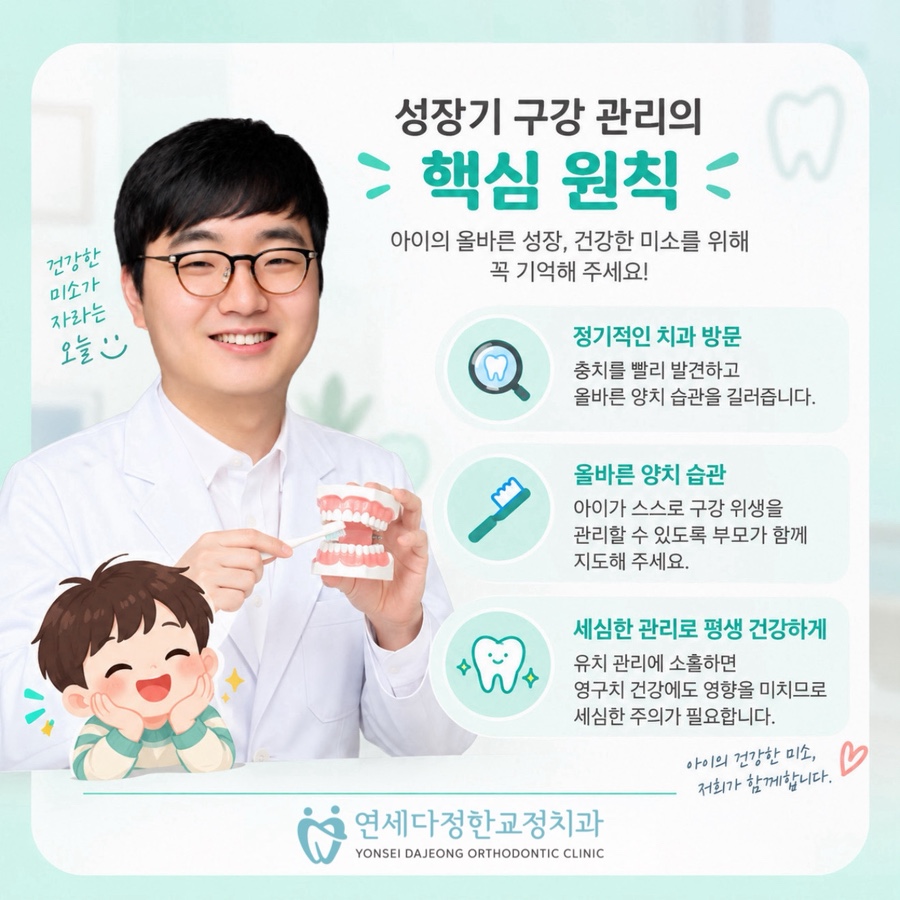
    Oral care during childhood growth means prevention-focused management that combines early cavity detection with healthy habit-building.

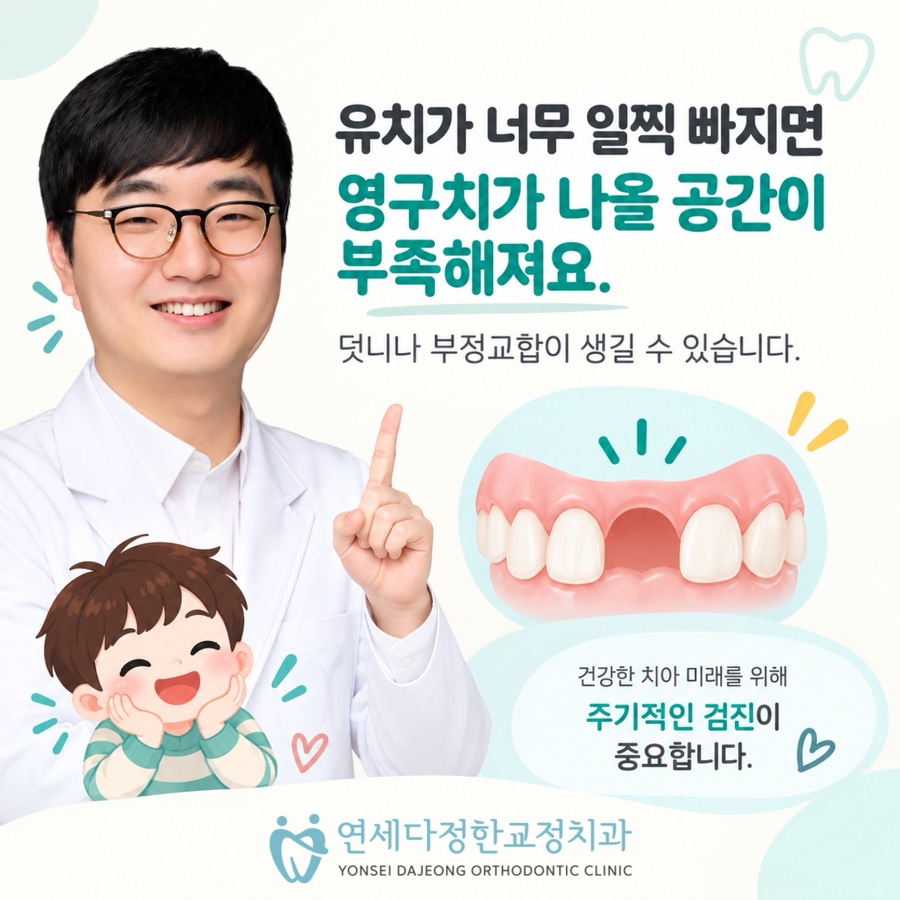
    If a baby tooth falls out too early, there may not be enough room left for the permanent tooth,
    which raises the likelihood of crowding or malocclusion.

    To help prevent this,
    it’s advisable to schedule regular checkups
    at a pediatric dentist in Seoul.

    Parents should also learn how to guide their child
    toward managing their own oral hygiene.

    Neglecting baby tooth care can end up affecting the health of permanent teeth as well,
    so careful attention matters.

    Important Note
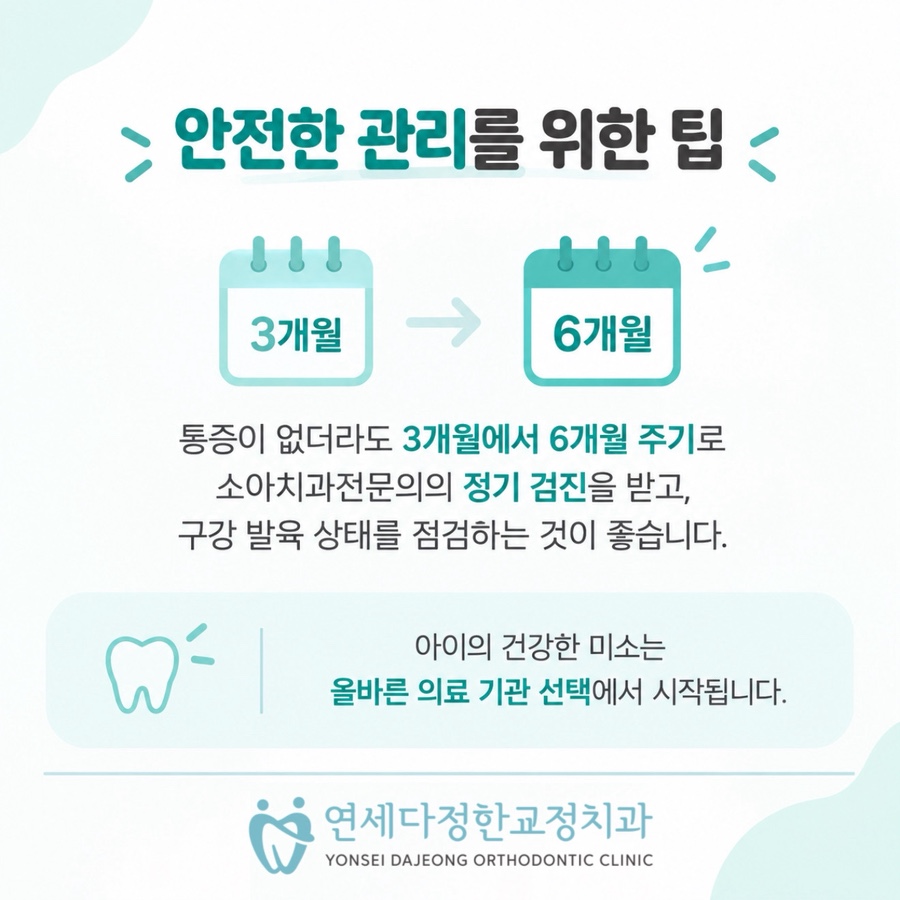
    Even without pain, it’s a good idea to see a specialist for a checkup every 3 to 6 months to monitor oral development.

    Protecting your child’s healthy smile ultimately starts
    with choosing the right dental clinic
    for their needs.

    If you’d like more information on orthodontic treatment,
    you can learn more at the Cheongnyangni Yonsei Dajeonghan Orthodontic Clinic homepage.

    pediatric dentist in Seoul - image 17

    pediatric dentist in Seoul - image 18


    Frequently Asked Questions

    1. When should my child have their first dental visit?
    It’s recommended to schedule a first checkup when the first tooth starts to erupt, or between 6 and 12 months of age.

    2. Are regular checkups necessary even without cavities?
    Yes. Regular checkups are essential for confirming that the jawbone is developing properly and that there’s enough space for permanent teeth to come in.

    3. How is specialist care different from general dental care?
    A pediatric dentist has an in-depth understanding of a child’s physical and psychological needs and works to provide gentle, safe care that helps reduce fear.

    4. What should I do if my child has severe dental anxiety?
    Rather than restraining the child, it can help to find a pediatric dentist in Seoul with a well-developed behavior-management program that gently and gradually helps them adjust to the treatment environment.

    5. Are sealants and fluoride treatment mandatory?
    They’re not required for every child, but for tooth grooves at higher risk of cavities, they’re often applied preventively after a consultation with a specialist.

    pediatric dentist in Seoul - image 19


    References

    · Korean Academy of Pediatric Dentistry, “Introduction to Pediatric Dentistry and First Visit Guide,” Korean Academy of Pediatric Dentistry. View source
    · Health Kyunghyang, “How Can Permanent Teeth Come In Properly? Baby Tooth Care Is Key,” Health Kyunghyang. View source
    · MSD Manual Consumer Version, “Malocclusion,” Merck & Co. View source

    pediatric dentist in Seoul - image 20

    This article is intended for general health information purposes only and is not a substitute for individual diagnosis or treatment.
    If you have symptoms, please consult a specialist.