Two patients can receive the exact same malocclusion diagnosis, yet one finishes treatment in two years while the other ends up needing retreatment.
Much of that difference is often attributed to the expertise of the provider chosen at the very start.
If you’re researching a board-certified orthodontist in Cheongnyangni, there are criteria worth checking before you even look at cost or reviews.
This article walks through, in order, the specialist credentials, the Ministry of Health and Welfare-designated training process, and why continuous care from the lead doctor matters when choosing an orthodontic clinic in Cheongnyangni.
Orthodontic treatment can take one to two years, or more than three years in some cases, so the provider you choose first can shape the outcome.
✔ According to one media report, board-certified orthodontists are said to make up only about 4% of all licensed dentists
✔ Earning this specialist credential requires four years of training in total — a one-year internship plus a three-year residency
✔ It matters whether the clinic follows a continuity-of-care model, where the lead doctor treats you personally from start to finish

What Does “Model Specialist” Mean at a Cheongnyangni Orthodontic Clinic?
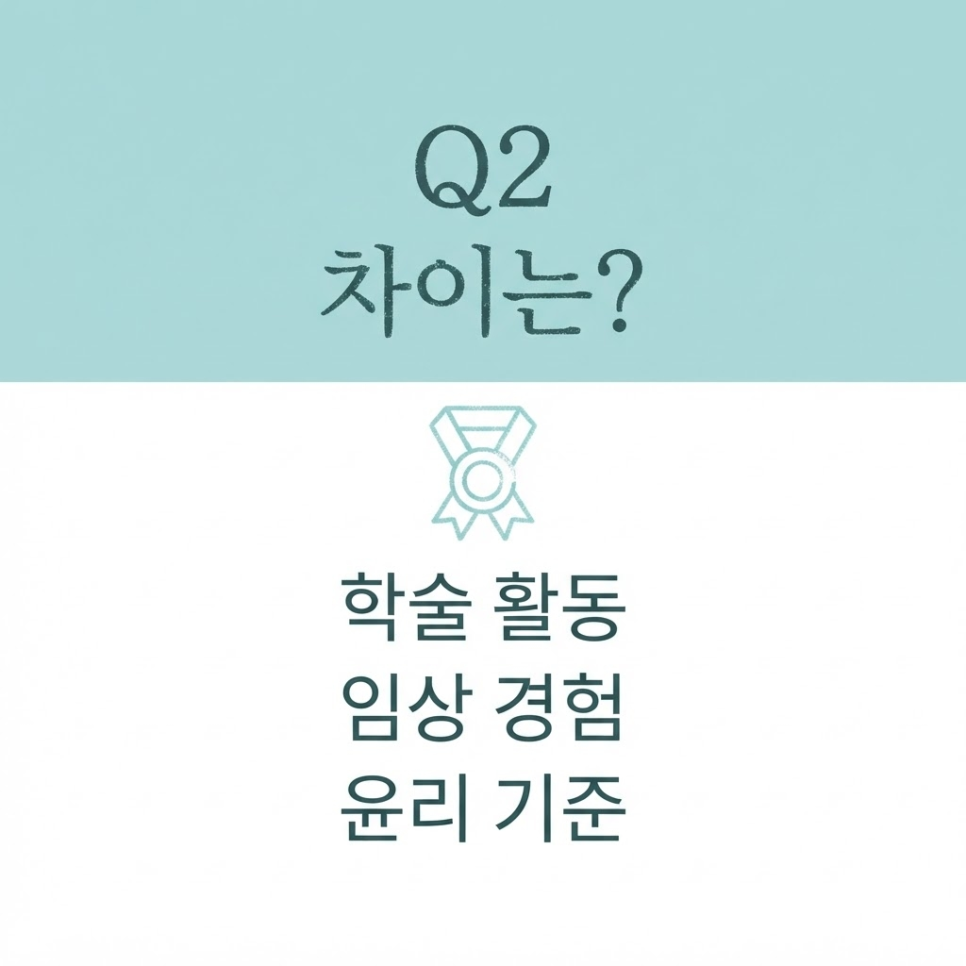
A “Model Specialist” is generally described as a board-certified orthodontist who has continued academic activity and clinical experience after earning their specialty credential.
That said, the specific selection criteria and appointment process behind this title aren’t publicly detailed at the association level, so it’s worth confirming directly with the clinic during a consultation.
In general, it also helps to review the items below.
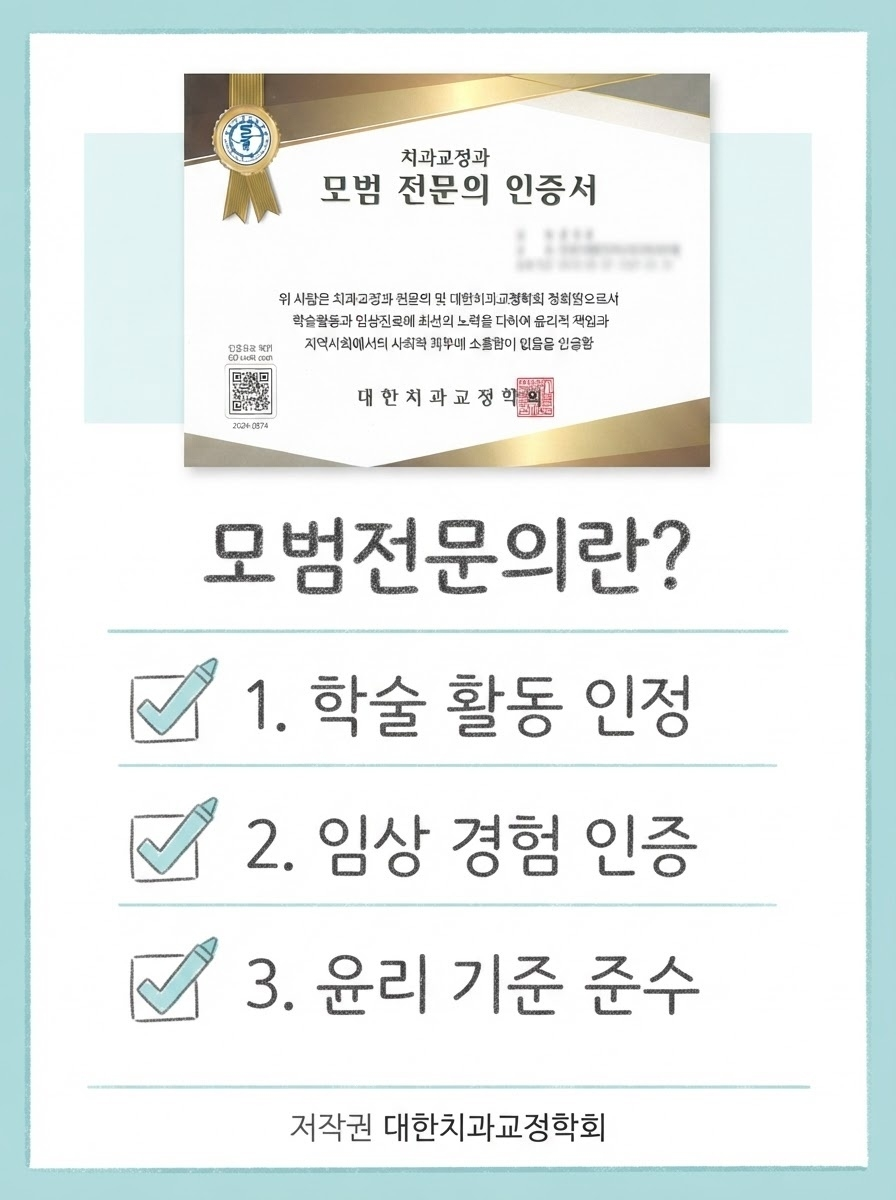
✅ Holds a board-certified orthodontic specialist license issued by the Ministry of Health and Welfare
✅ Active membership and ongoing academic involvement with the Korean Association of Orthodontists
✅ Consistent research into diagnostic approaches for clinical care
✅ Adherence to the ethical responsibilities expected of a medical professional
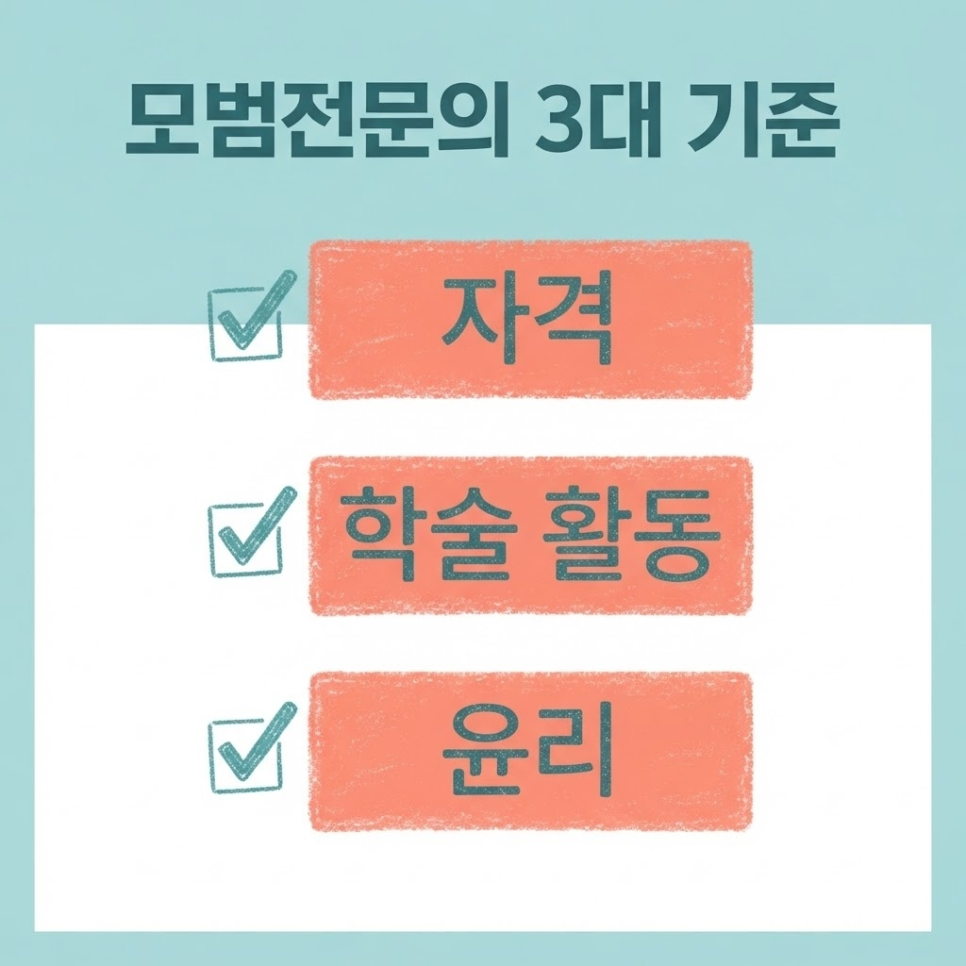
Some clinics use language that sounds like a specialist credential based only on completing association coursework or attending seminars.
It’s safer to confirm directly, before your consultation, whether the license was actually issued by the Ministry of Health and Welfare.
What Training Is Required to Become a Board-Certified Orthodontist?
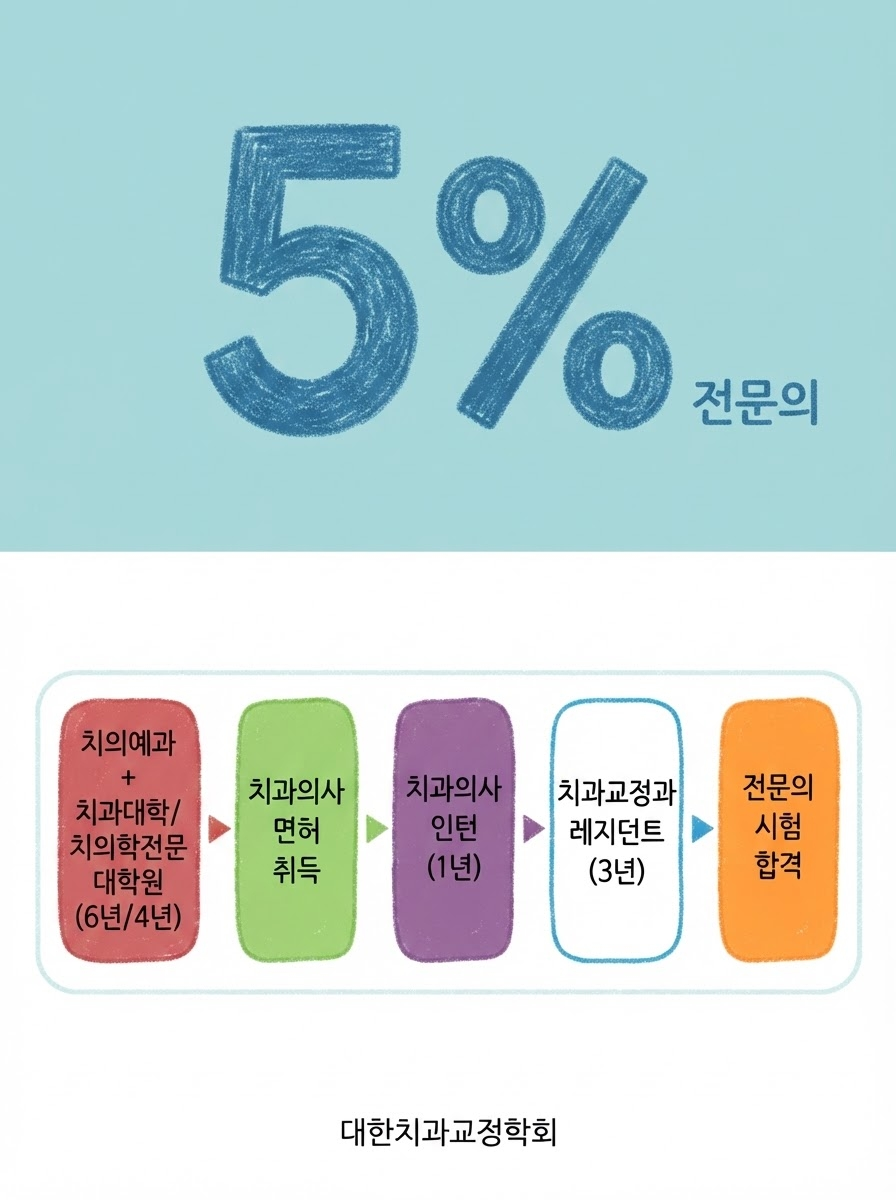
A board-certified orthodontist earns this credential only after completing dental school, a one-year internship, and a three-year residency — four years of training in total — and then passing a national qualifying exam.
According to one media report, board-certified orthodontists are said to account for only about 4% of all dentists in Korea, meaning relatively few practitioners hold this credential.
That reflects just how demanding the qualification process is.
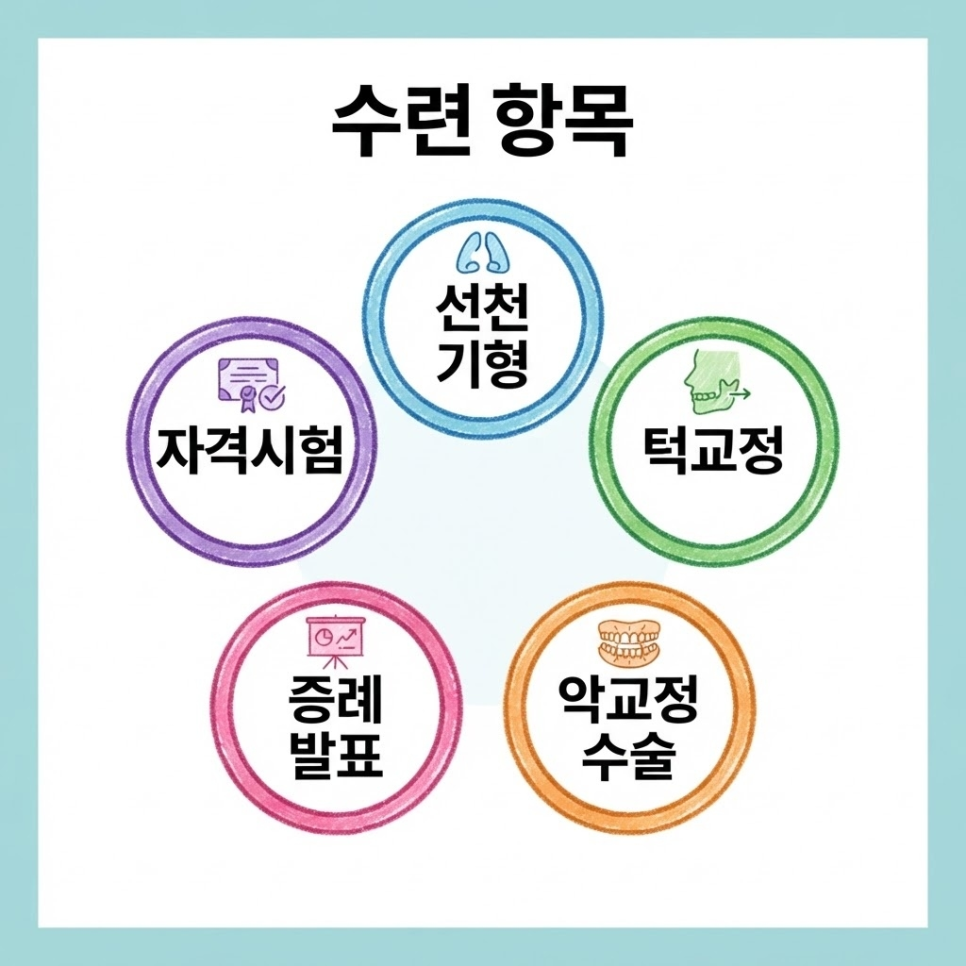
Training institutions designated by the Ministry of Health and Welfare require residents to gain experience in the following areas:
- Orthodontic approaches for congenital dental abnormalities
- Jaw-orthopedic treatment for growing children
- Complex orthodontic treatment coordinated with orthognathic surgery
- Treatment of a minimum number of clinical cases plus presentations at academic conferences
- Passing the national board-certification exam for orthodontic specialists administered by the Ministry of Health and Welfare
Confirming whether a provider has completed this formal training process is the most basic step when comparing orthodontic clinics in Cheongnyangni.
Why Does It Matter Whether the Lead Doctor Treats You Personally, Start to Finish?
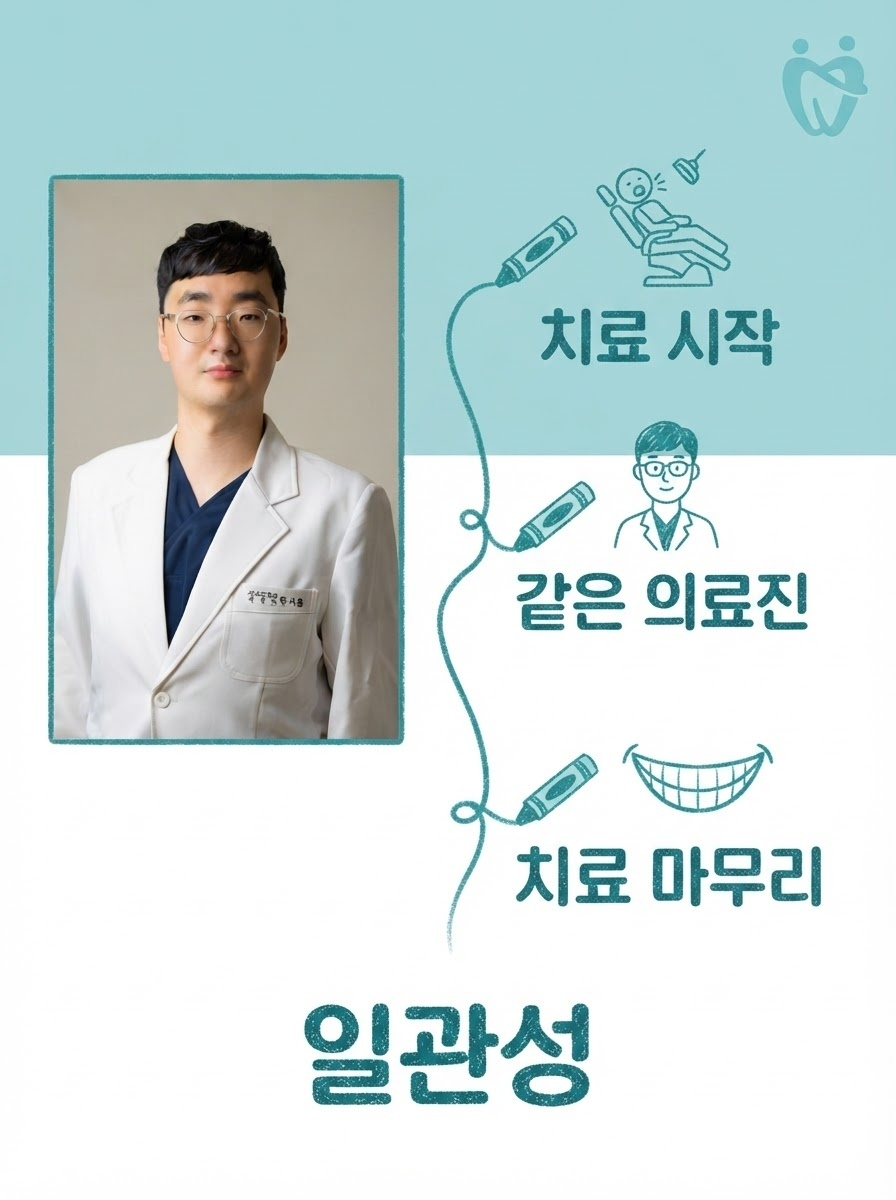
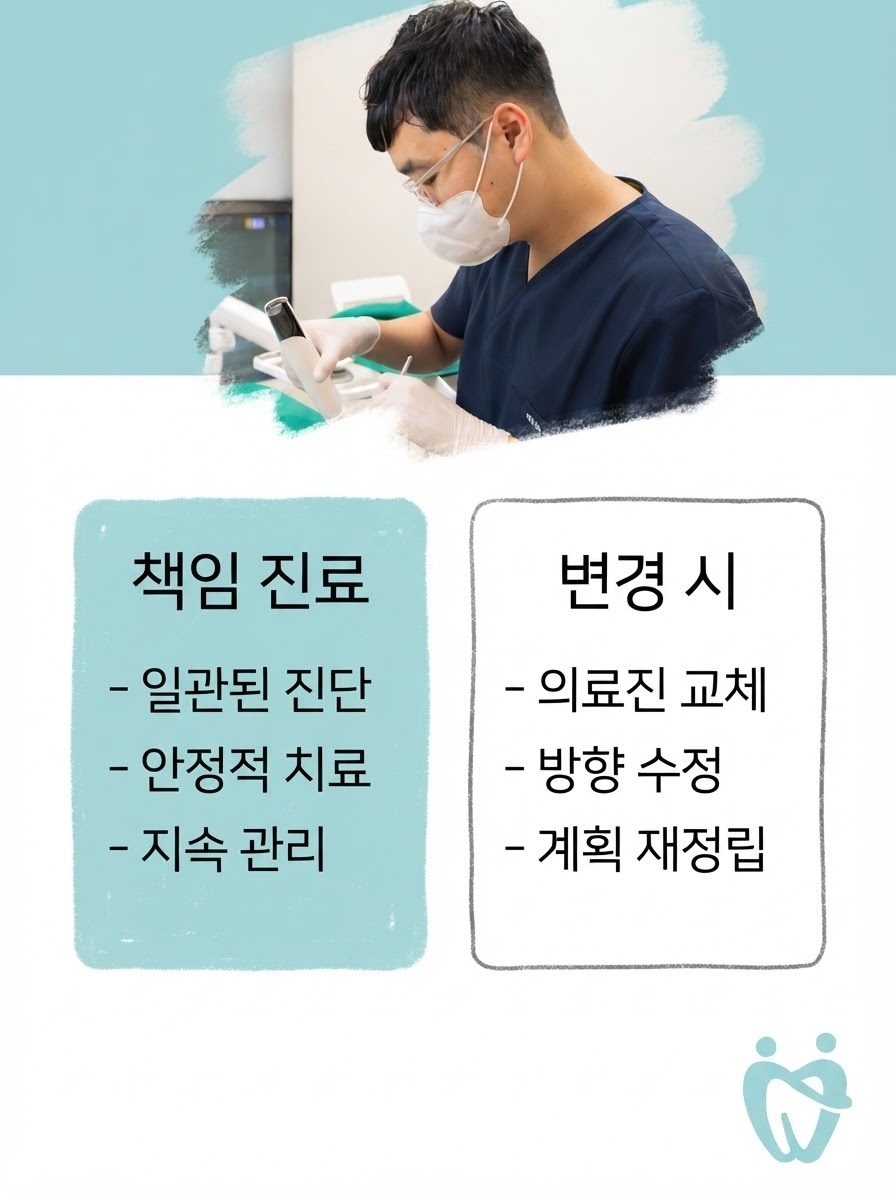
Lead-doctor continuity of care means the same provider oversees your case from the initial treatment plan all the way through completion.
Orthodontic treatment unfolds over months or years, and it matters that it follows the original treatment plan.
If your provider changes partway through, however, there’s a chance the details of your treatment plan could be adjusted.
| Category | Features & Considerations |
|---|---|
| Lead-doctor continuity of care | The same provider can continue overseeing your case from initial diagnosis through long-term maintenance |
| If your provider changes | The treatment direction and details may need to be reassessed |
✔ Check whether the same provider handles your case from diagnosis through long-term maintenance
✔ It’s a good idea to ask directly, during your consultation, exactly who your treating doctor will be
When comparing orthodontic clinics in Cheongnyangni, it’s worth looking closely at this kind of continuity-of-care structure as well.
You can find more details about the clinic’s care system at Yonsei Dajeonghan Orthodontics Cheongnyangni.
Frequently Asked Questions

1. How can I verify a board-certified orthodontic specialist credential?
You can check through the Ministry of Health and Welfare’s specialist license records or the specialist lookup menu on the Korean Association of Orthodontists website.
2. How is a “Model Specialist” different from a regular board-certified orthodontist?
It refers to a board-certified orthodontist who has continued academic activity and clinical experience over time; the exact criteria are best confirmed directly during a consultation.
3. What happens if my treating doctor changes during orthodontic treatment?
Since treatment plans and approaches can vary between providers, some parts of your treatment process may need to be adjusted.
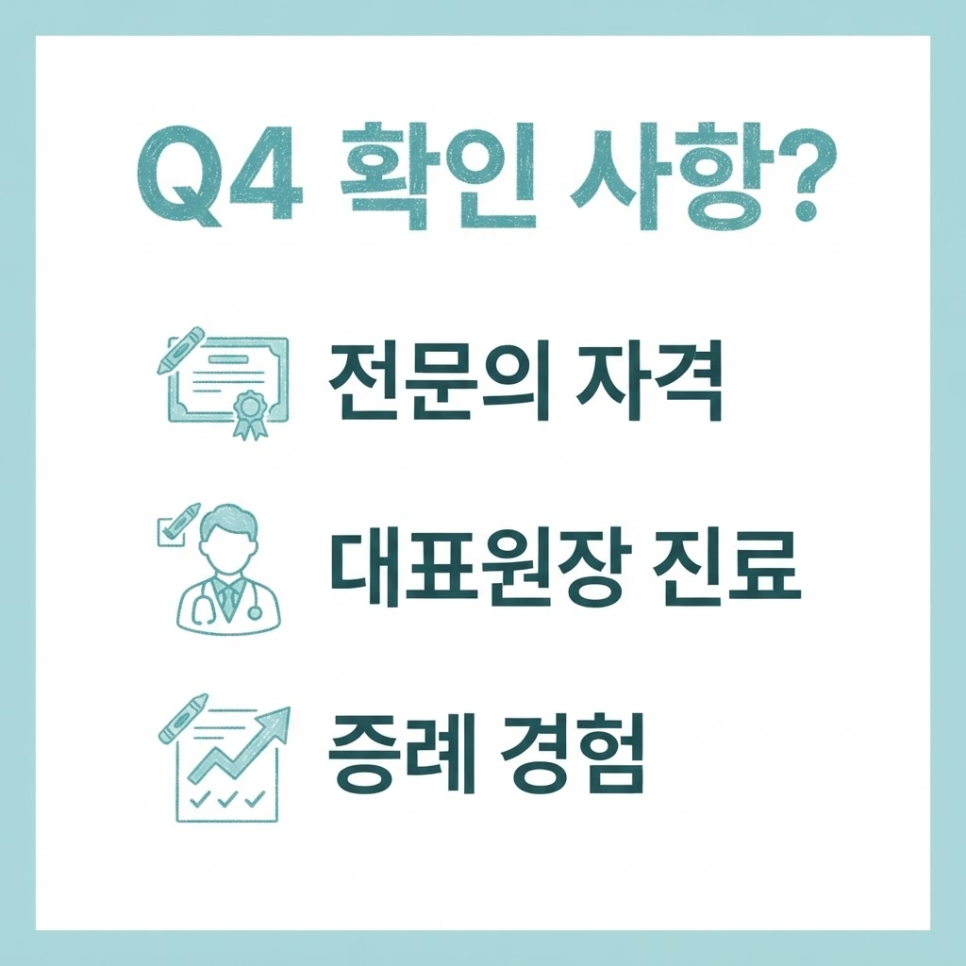
4. What should I check before consulting an orthodontist in Cheongnyangni?
It’s worth confirming whether the provider holds a Ministry of Health and Welfare-certified orthodontic specialist credential, whether the lead doctor treats patients directly, and whether they have broad clinical case experience.
5. Why is the proportion of board-certified orthodontists so low?
Because the process — a one-year internship and three-year residency after dental school, followed by a national qualifying exam — is demanding, only a relatively small share of dentists ultimately earn this credential.

References
· Korea Law Information Center, “Regulations on the Training and Qualification of Dental Specialists,” Ministry of Government Legislation.View
· BioTimes Expert Column, “The Importance of Systematic Orthodontic Treatment,” 2021.View
· Korean Association of Orthodontists, “Find Association Members and Board-Certified Orthodontists.”View
This article is provided for general health information purposes only and is not a substitute for individual diagnosis or treatment. If you have symptoms, please consult a specialist.
Leave a Reply