Do your front teeth look like they curl inward when you smile?
If your mouth looks slightly sunken in the mirror and the angle of your teeth seems off, retroclined teeth could be the reason.
What exactly are retroclined teeth, and why does this kind of tooth alignment happen in the first place?
And why do some people notice their front teeth tilting inward again even after finishing orthodontic correction for retroclined teeth?
Retroclined teeth are teeth angled further inward than a normal bite. Here’s what causes this and how it develops.
You’ll also find the signs that suggest correction may be needed, what the treatment process actually looks like, and how proper retainer care can help prevent teeth from tilting inward again after treatment.
What exactly are retroclined teeth, and why do they happen?
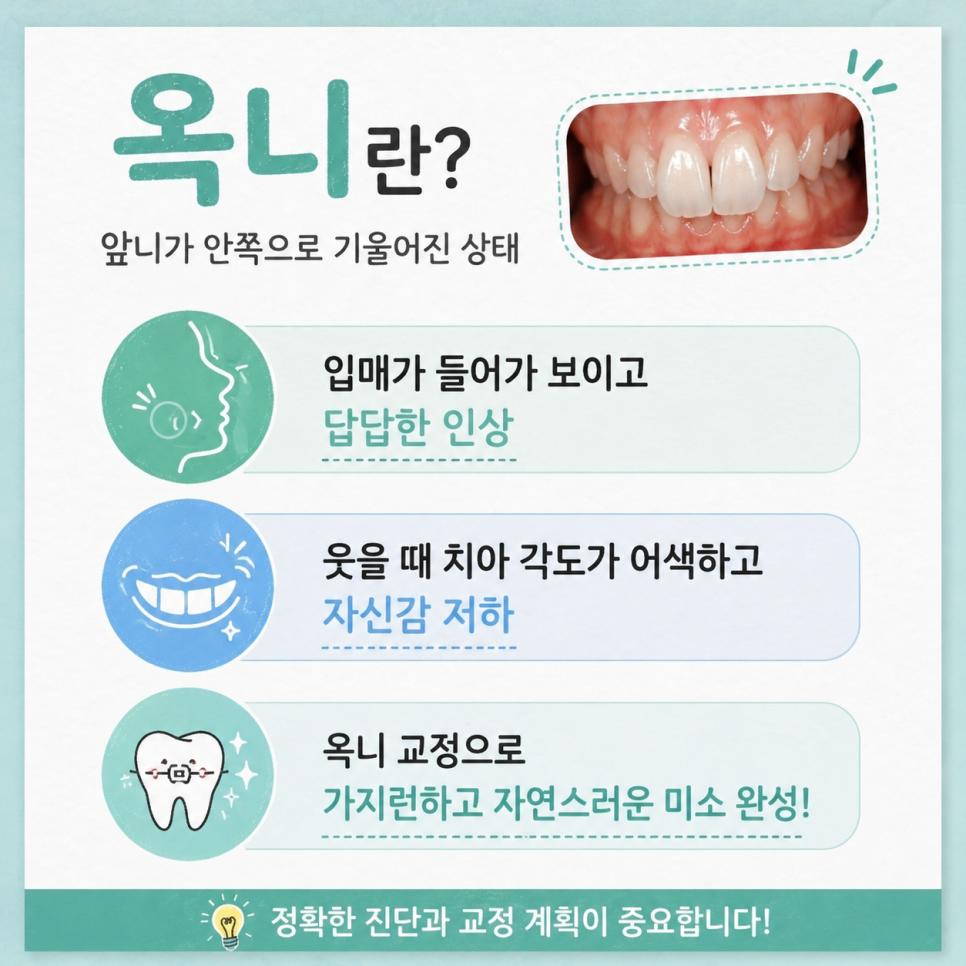
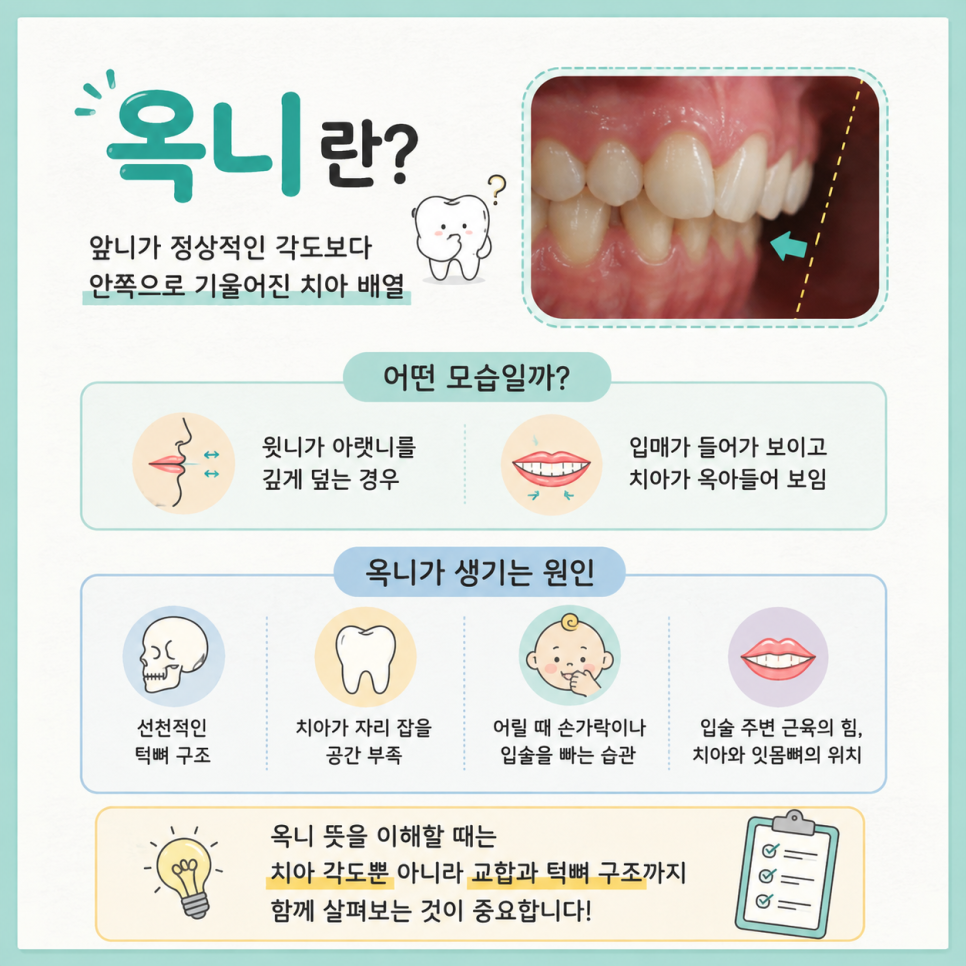
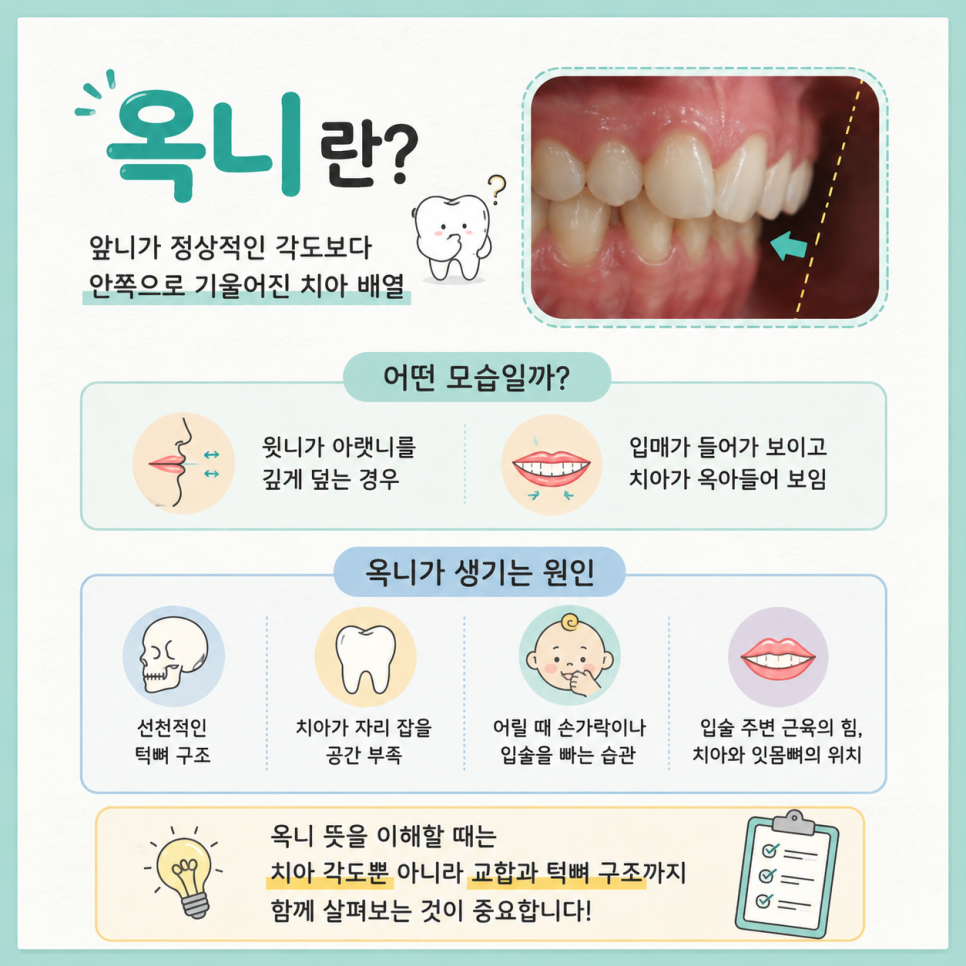
Put simply, retroclined teeth are front teeth angled further into the mouth than a normal bite position.
This can include cases where the upper teeth deeply overlap the lower teeth, or where the whole set of teeth appears tucked inward.
The causes vary.
Genetic jaw structure, limited space for teeth to settle into, and childhood habits like thumb-sucking or lip-sucking can all play a role.
The strength of the muscles around the lips, along with the position of the teeth and jawbone, can also influence how far the front teeth tilt inward.
So to really understand what retroclined teeth are, you need to look beyond just the angle of the teeth — the bite and jaw structure matter too.
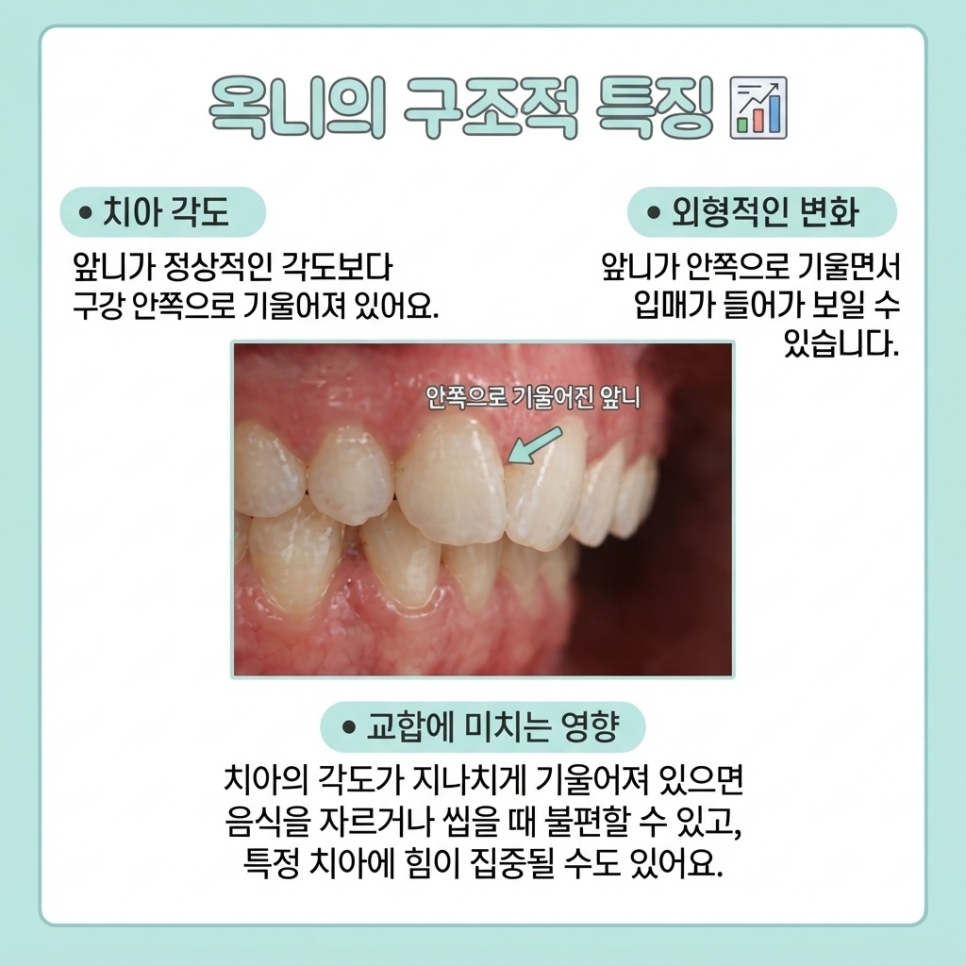
• Tooth angle: Front teeth tilt further into the mouth than a normal angle.
• Appearance: The mouth area can look sunken, which may create a closed-off expression.
• Bite impact: Force can concentrate on certain teeth when biting or chewing.
How do you know if you need correction for retroclined teeth?
Correction for retroclined teeth is a treatment that repositions inward-angled teeth to a healthier angle, improving both alignment and bite.
When the front teeth are noticeably tilted inward, the mouth area can look sunken and create a closed-off appearance.
A poor bite can also mean force concentrates on certain teeth while chewing, sometimes causing discomfort.
That’s why treatment planning for retroclined teeth should take into account not just tooth angle, but bite alignment and overall facial profile as well.
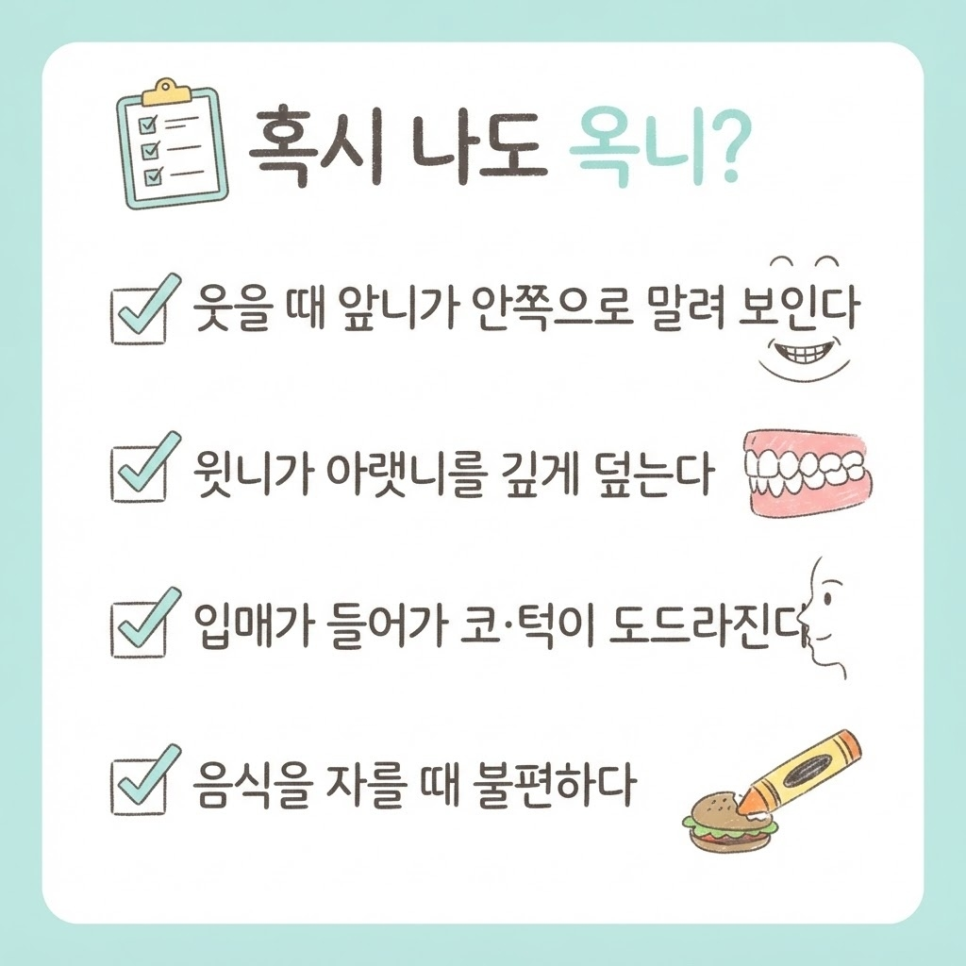
✅ Your front teeth look like they curl inward when you smile
✅ Your upper teeth deeply overlap your lower teeth, so the lower front teeth are barely visible
✅ Your mouth area looks sunken overall, making your nose or chin look more prominent
✅ Biting into food with your front teeth feels awkward or uncomfortable
How does treatment for retroclined teeth work?
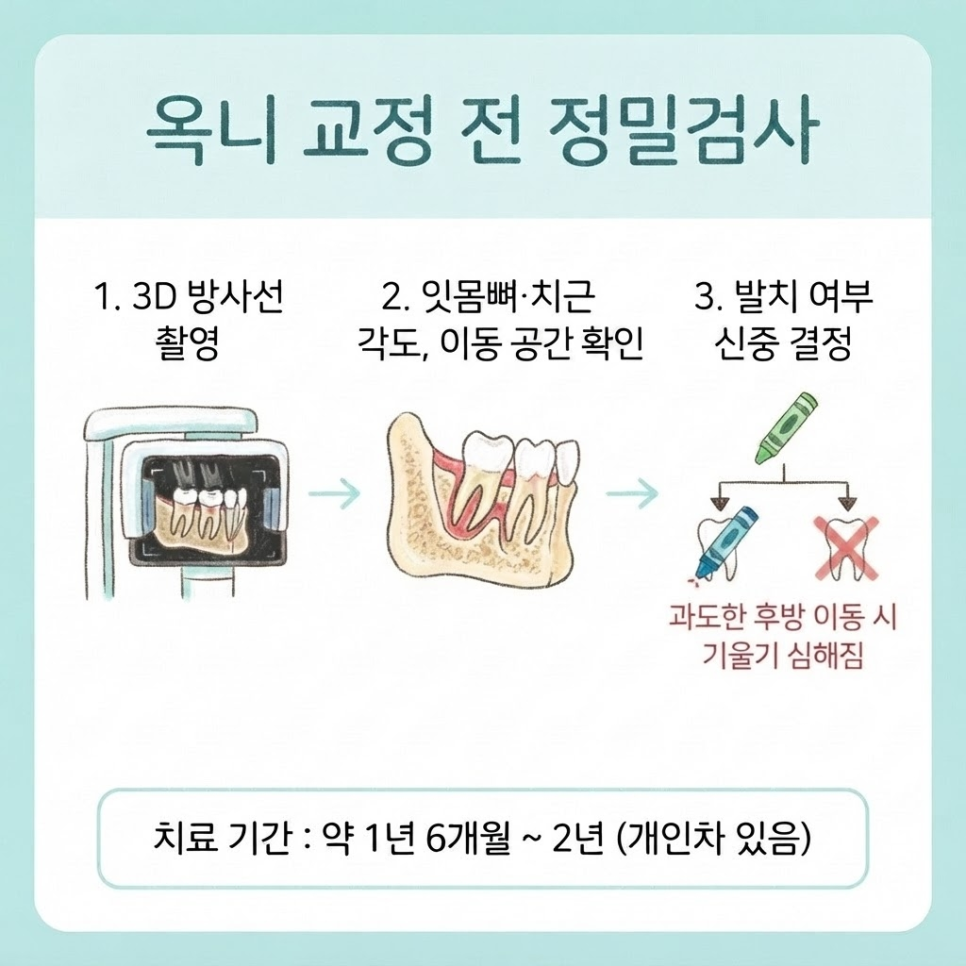
Before treatment begins, 3D imaging is typically used to precisely check the position of the teeth and tooth roots.
After reviewing jawbone condition, root angle, and available space for tooth movement, an individualized treatment plan is developed.
With retroclined teeth in particular, the decision on whether to extract teeth needs careful consideration.
Moving the front teeth too far back can actually make the inward tilt more pronounced.
That’s why treatment for retroclined teeth focuses on adjusting the angle of both the tooth crown and root together.
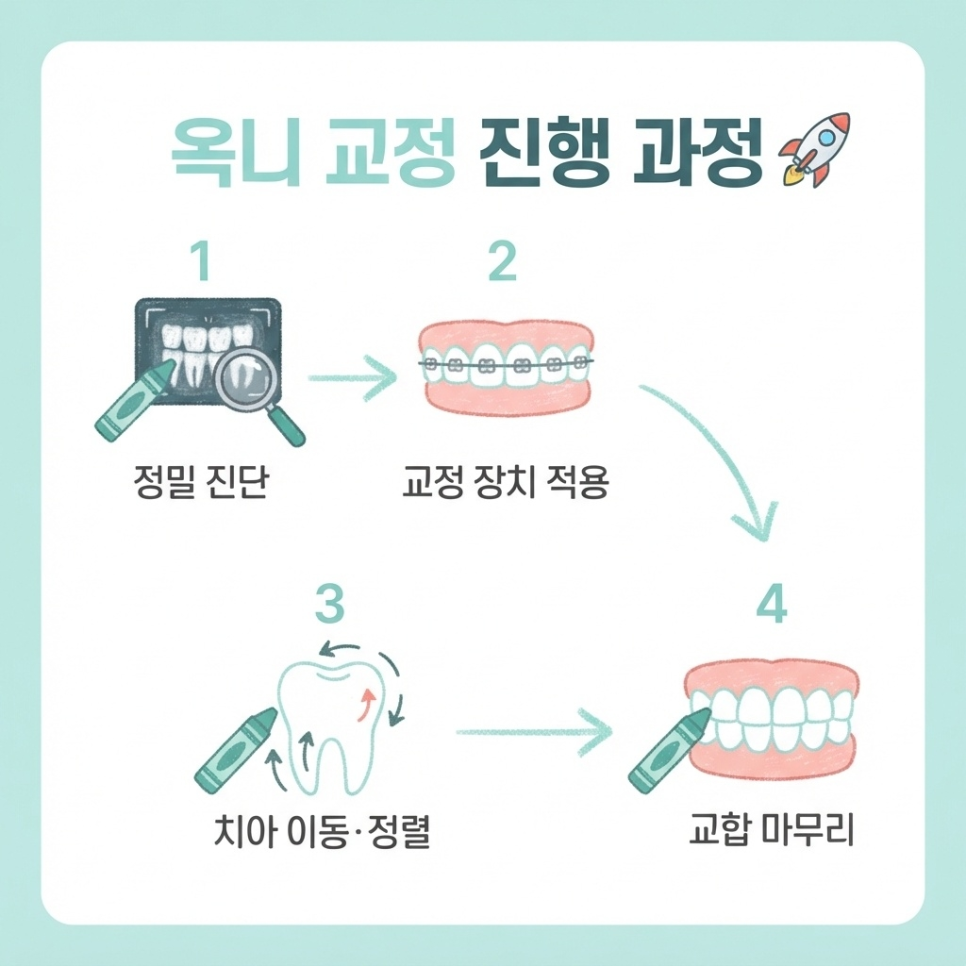
1. Detailed diagnosis: Assess tooth and root angle, jawbone structure, and bite condition.
2. Appliance placement: Fit an appliance suited to your case to begin adjusting the inward angle.
3. Tooth movement and alignment: Gradually reposition the teeth, considering both crown and root together.
4. Bite refinement: Fine-tune how the upper and lower teeth come together for a stable bite.
Treatment time varies by individual, but it commonly takes around 18 months to 2 years.
The exact duration can only be confirmed after a detailed exam, so it’s worth discussing your specific timeline with your provider during a consultation.
Treatment length can also differ significantly depending on whether extraction is needed.
For treatments like retroclined teeth correction, where tooth angle and bite need to be considered together, a detailed diagnosis is especially important.
If you’d like to learn more about a treatment plan, you can check the care information at Cheongnyangni Yonsei Dajeonghan Orthodontic Clinic’s homepage.
How should you care for your retainer to prevent relapse?
Having your braces removed doesn’t mean orthodontic treatment is fully finished.
Teeth naturally tend to drift back toward their original position, so movement can still occur after treatment ends.
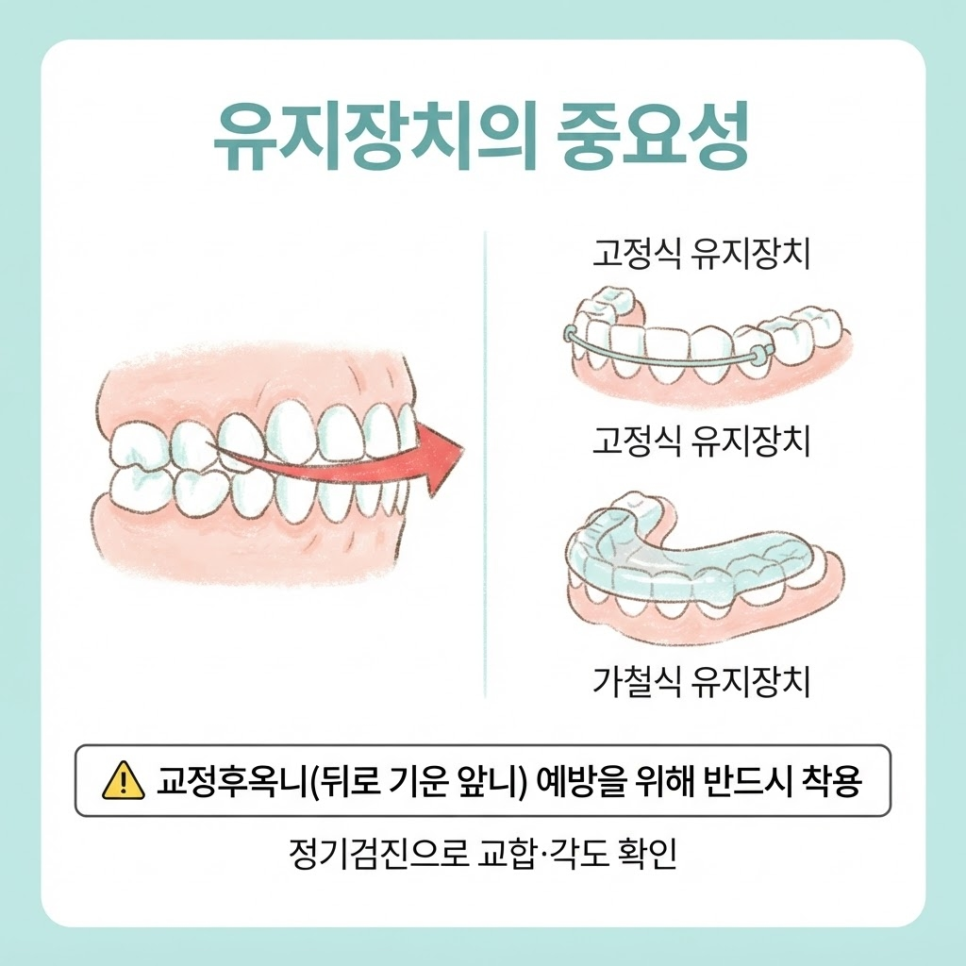
If the front teeth tilt inward again, it can look like the retroclined pattern has returned, which is why wearing your retainer consistently matters.
A combination of a fixed retainer bonded behind the teeth and a removable retainer that can be taken in and out is a common approach to retention.
Following the wear schedule your provider recommends can help lower the risk of relapse.
Some research has reported an association between consistent retainer wear and a reduced risk of teeth shifting back, though the certainty of this evidence is still limited and results can vary by individual.
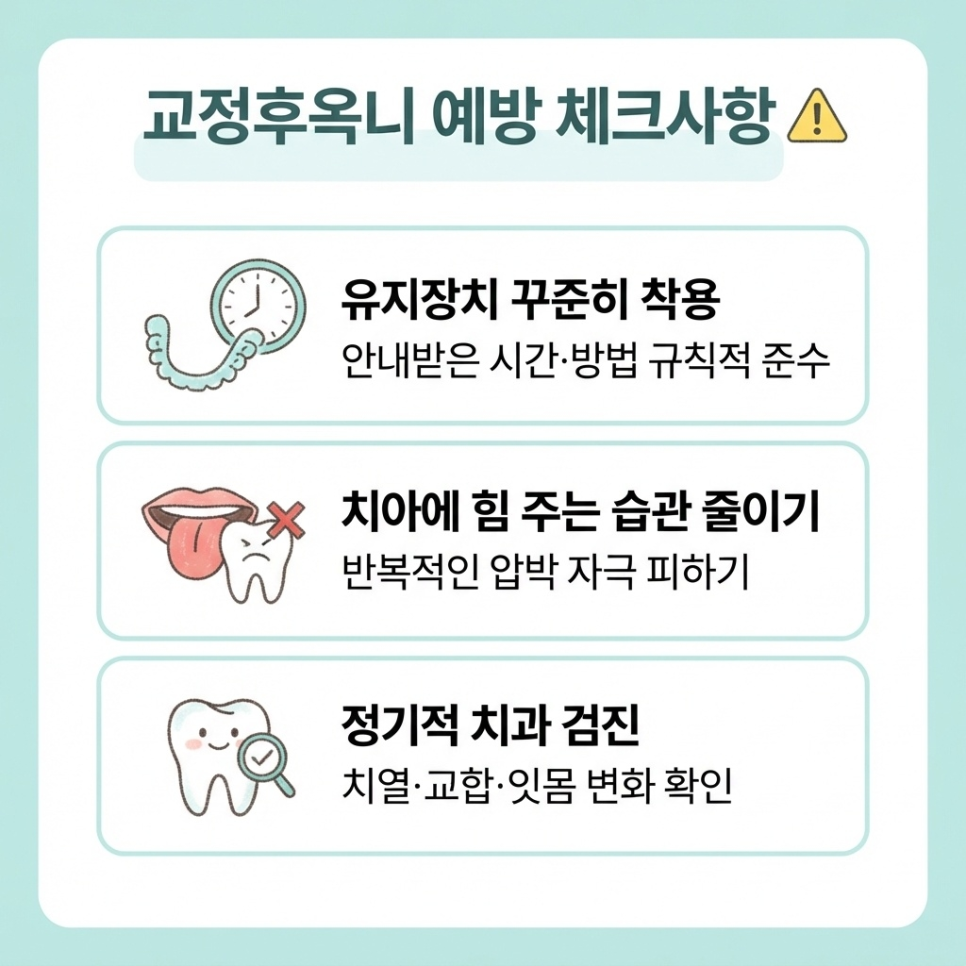
• Wear your retainer consistently: Follow the recommended wear time and method as directed.
• Reduce habits that put pressure on your teeth: Avoid repeatedly pushing on your teeth with your tongue or fingers.
• Check in on your teeth regularly: Get routine dental checkups to monitor alignment and bite changes.
Frequently Asked Questions
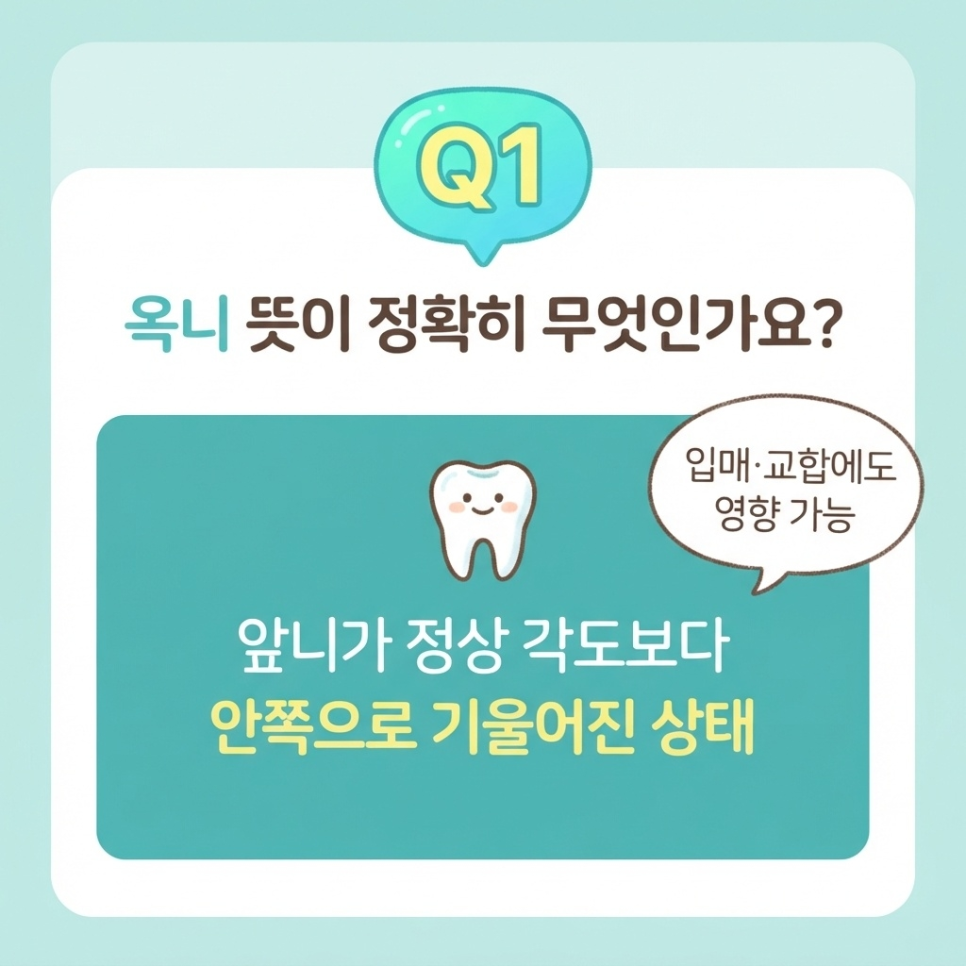
1. What exactly does “retroclined teeth” mean?
Retroclined teeth means the front teeth are angled further into the mouth than normal, which can also affect the shape of the mouth and the bite.
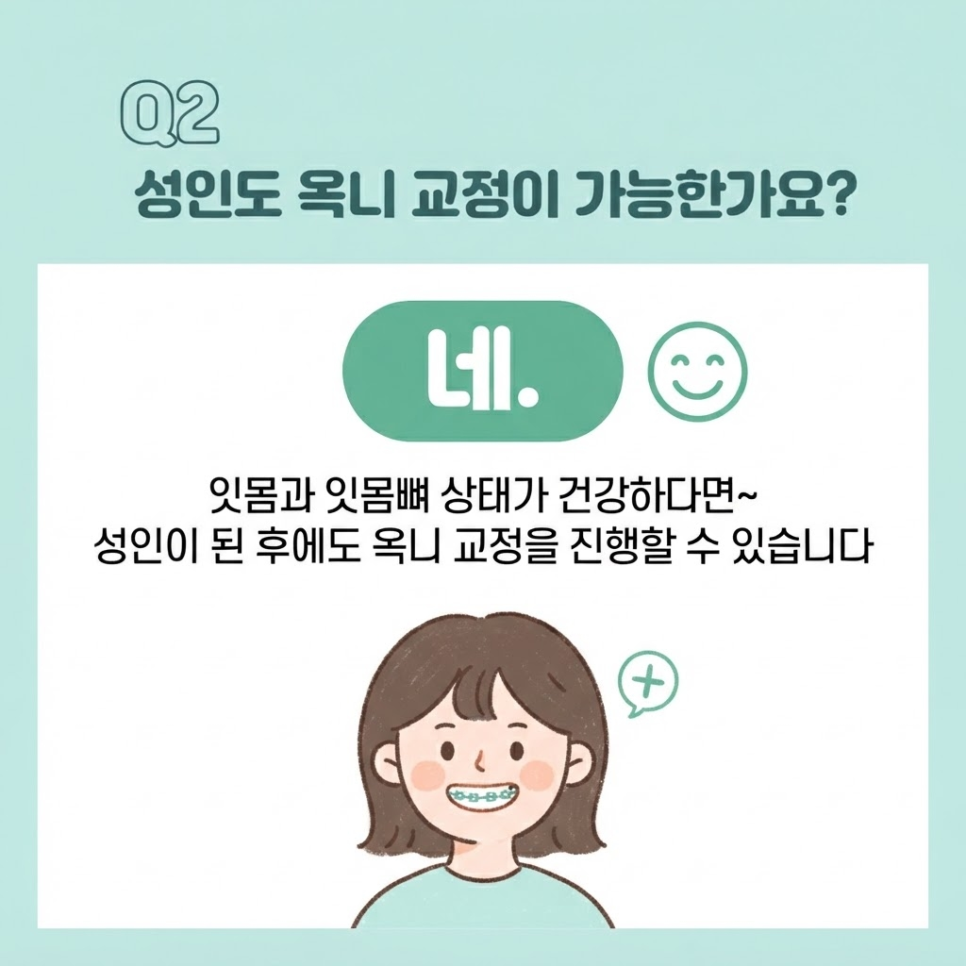
2. Can adults get treatment for retroclined teeth?
Yes. As long as the gums and jawbone are healthy, correction can be carried out at any age, including adulthood.
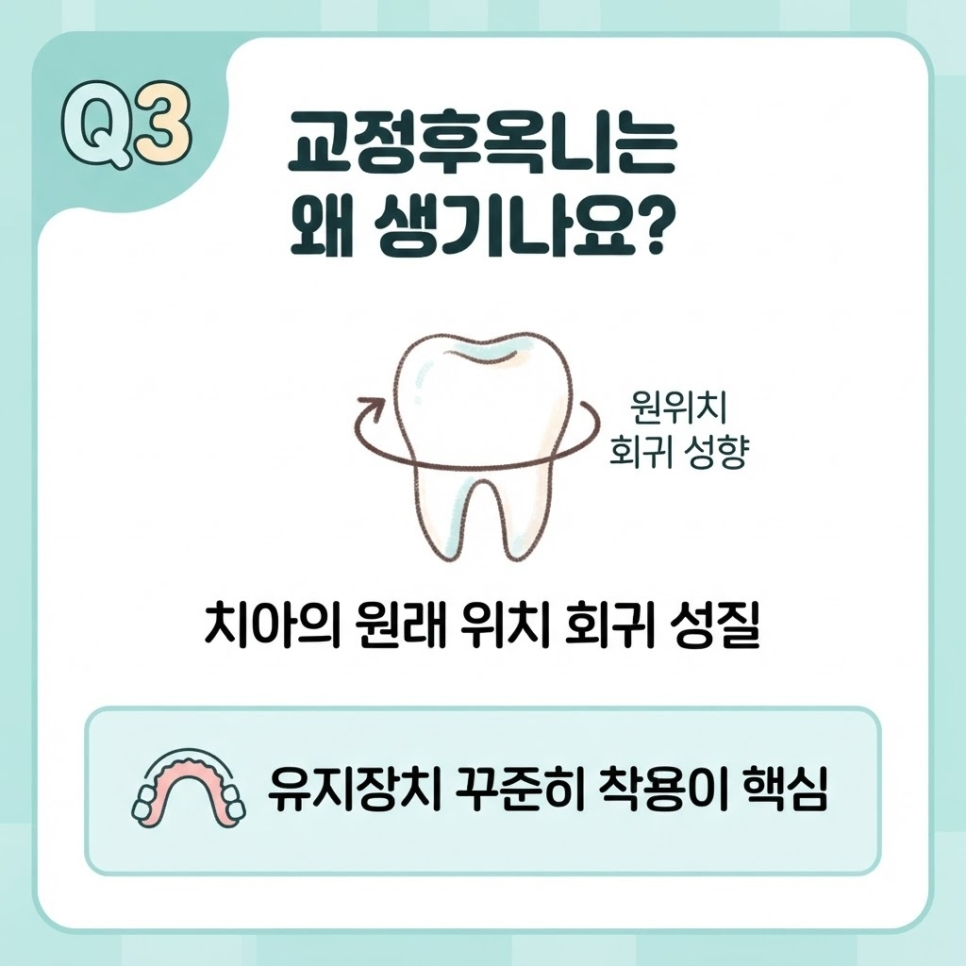
3. Why do teeth become retroclined again after treatment?
It happens because teeth naturally tend to shift back toward their original position, which is why wearing your retainer consistently is important for prevention.
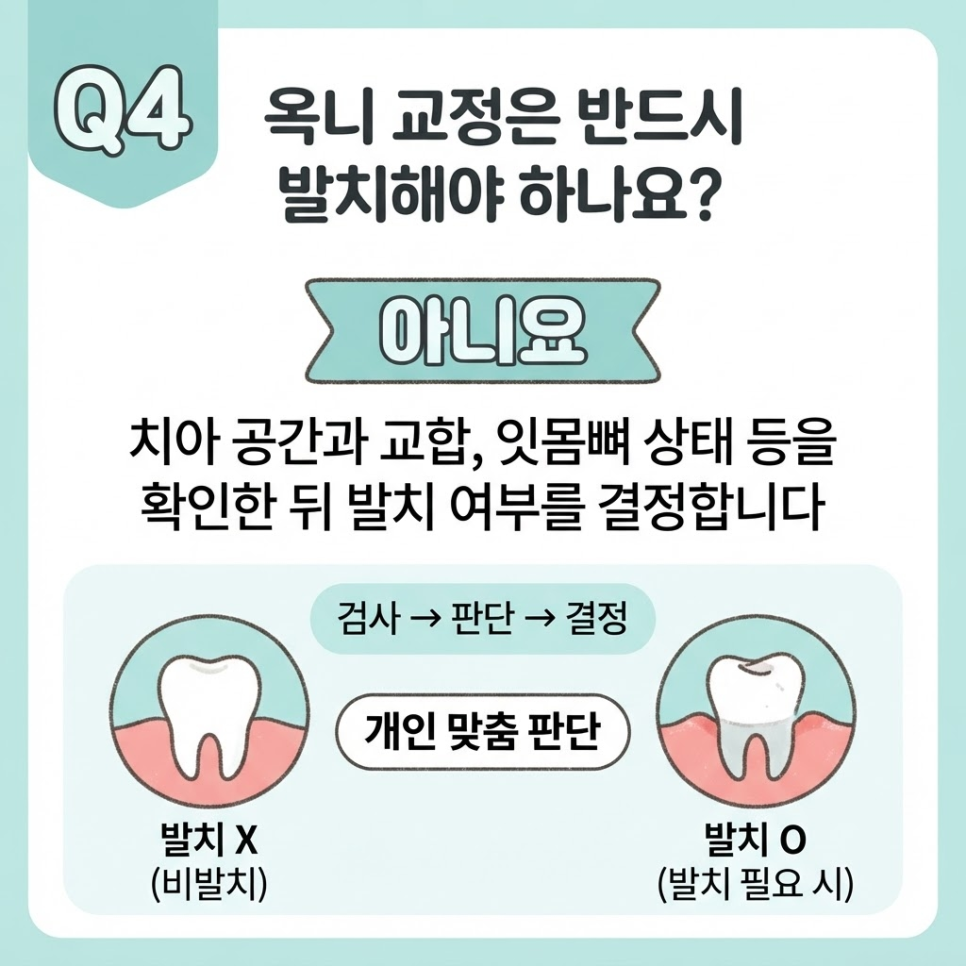
4. Is extraction always necessary for correcting retroclined teeth?
No. Whether extraction is needed depends on available tooth space, bite condition, and jawbone health, which are evaluated on a case-by-case basis.
References
· Martin, C. et al., “Retention procedures for stabilising tooth position after treatment with orthodontic braces,” Cochrane Database of Systematic Reviews, 2023. View source
· Modoodoc Editorial Team, “What retroclined teeth mean, related symptoms, and considerations for re-treatment” (Korean), Modoodoc, 2025. View source
· Medical Today, “Correcting inward-curling retroclined teeth” (Korean), Medical Today. View source
This article is provided for general health information purposes only and is not a substitute for individual diagnosis or treatment. If you have symptoms, please consult a qualified dental professional.
Leave a Reply