Have you ever noticed a silicone orthodontic appliance turn cloudy after cleaning it with toothpaste?
That’s because the abrasive particles in toothpaste leave tiny, invisible scratches on the surface — and bacteria multiply easily in those grooves.
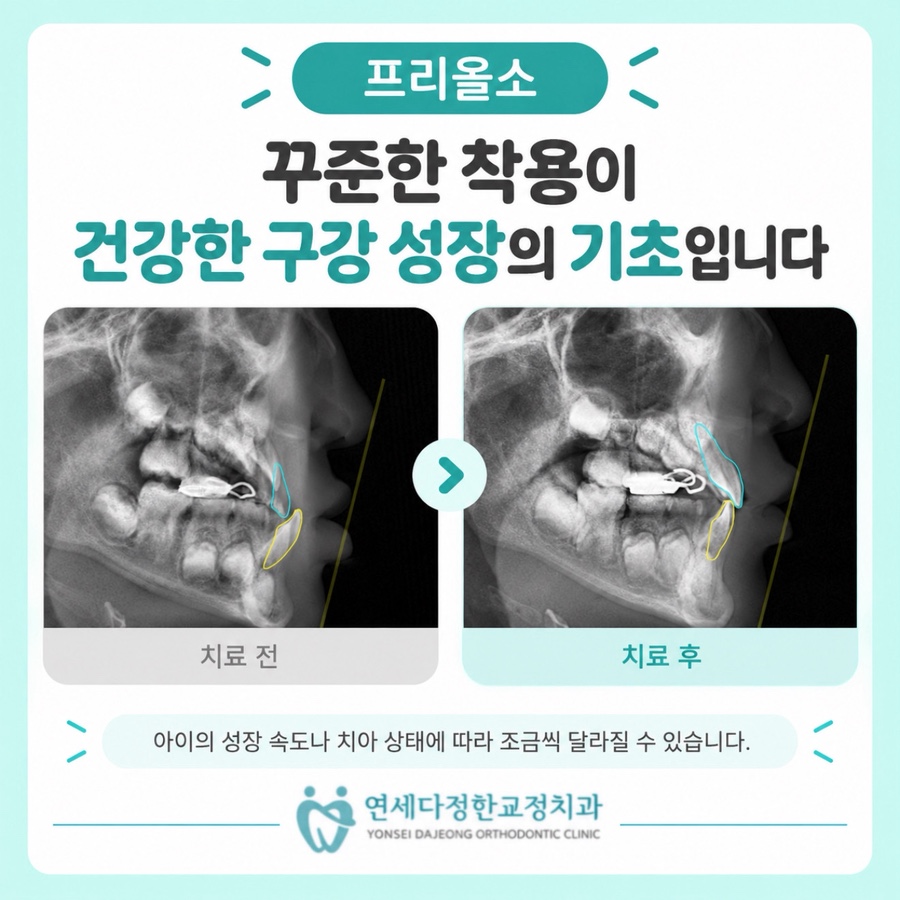
The PreOrtho effect, used to support oral myofunctional development in growing children, depends as much on proper cleaning habits as on the appliance itself.
Let’s go over how to choose the right cleaner and care for the appliance correctly.
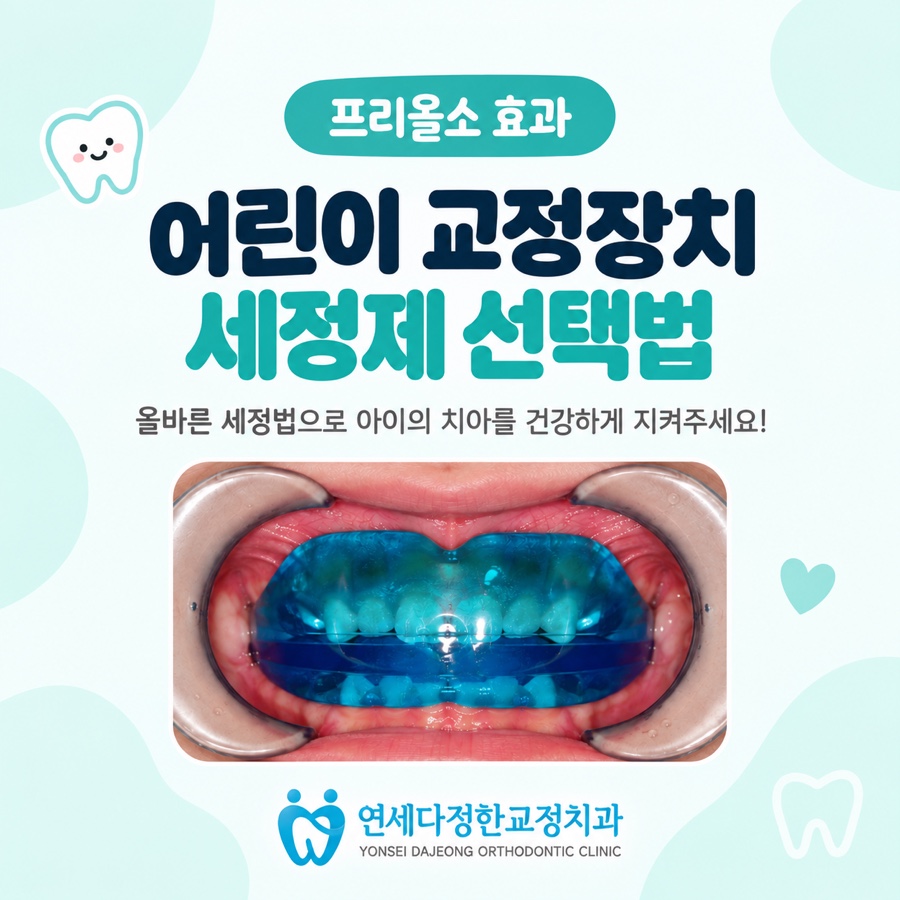
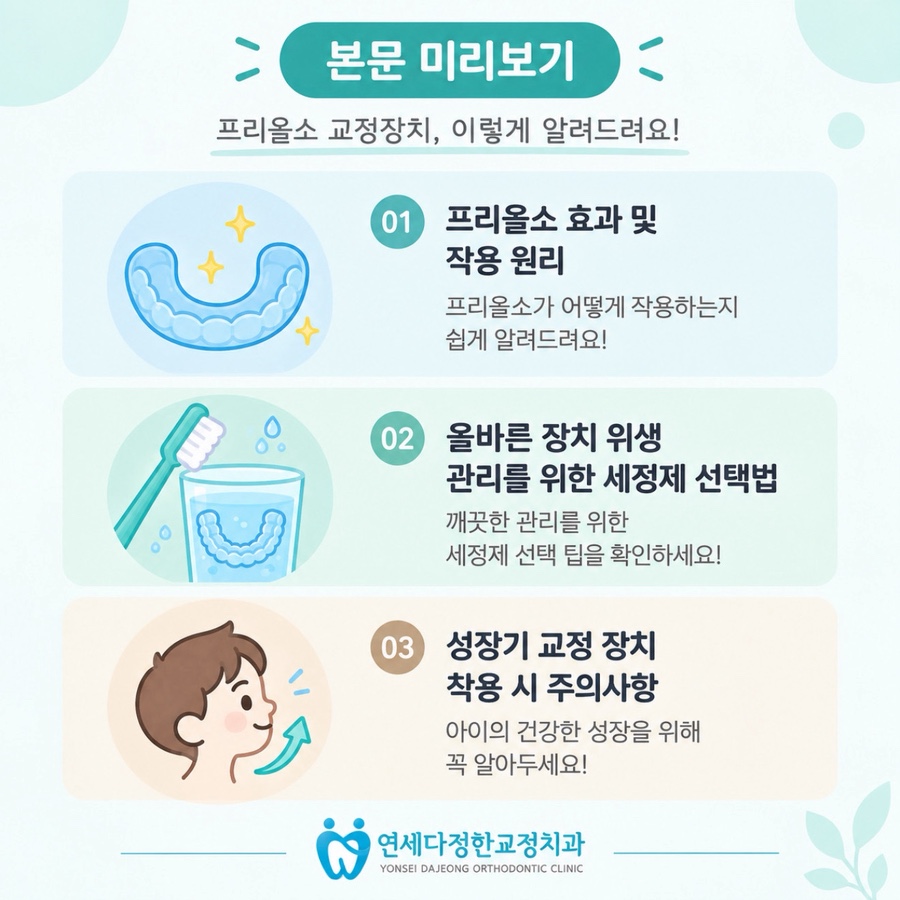
This article covers the PreOrtho effect and how it works, how to choose the right cleaner for a silicone appliance, and what to watch for when a growing child wears it.
Choosing the right cleaner can make a big difference in the appliance’s lifespan and hygiene, so we recommend reading through to the end.
What Kind of Kids’ Orthodontic Appliance Is PreOrtho?
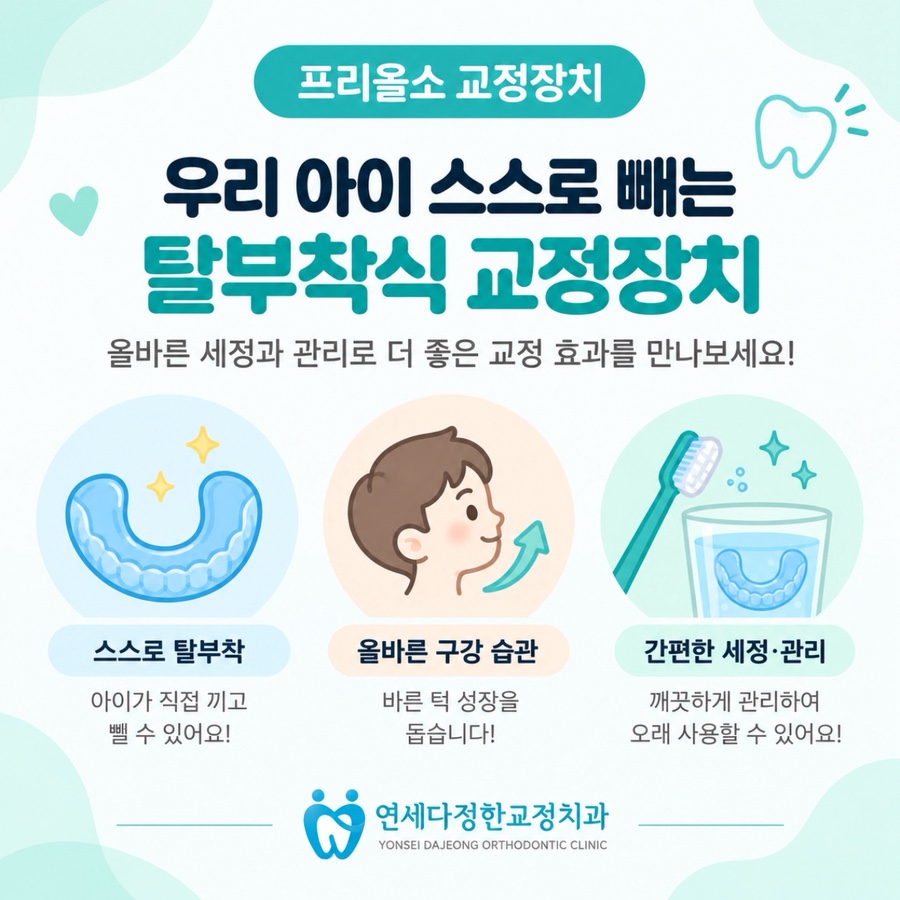
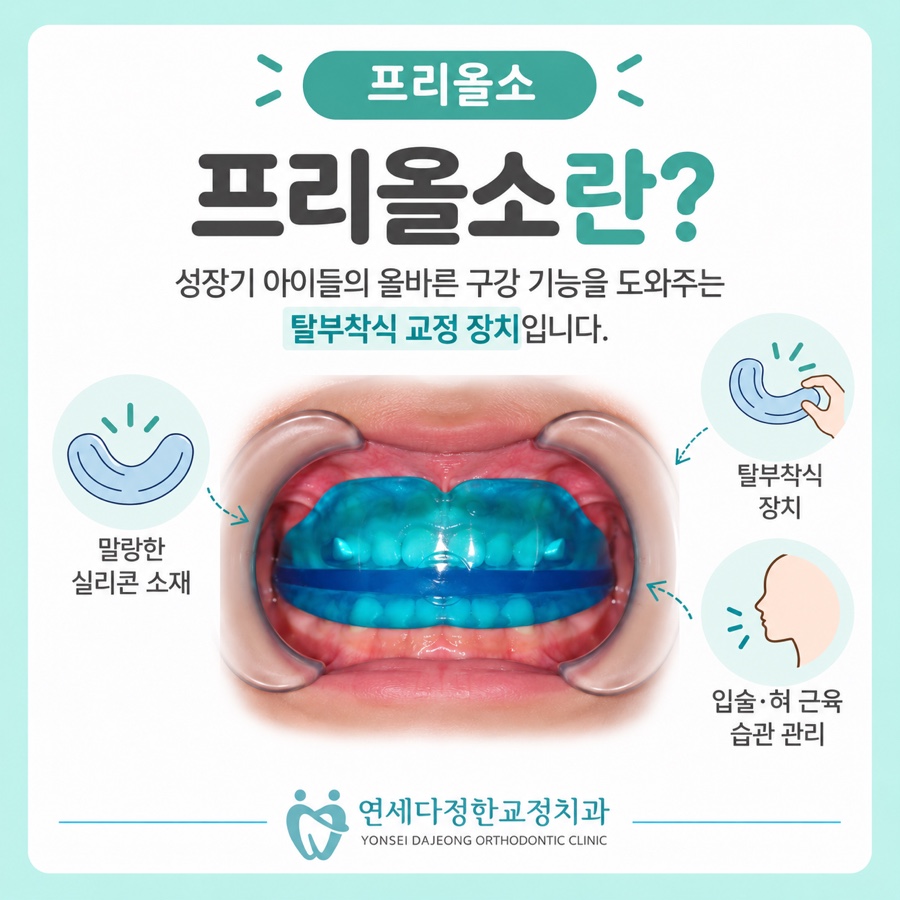
PreOrtho isn’t a device that forces teeth into position — it’s a functional appliance designed to help balance the muscles inside the mouth.
PreOrtho is a removable silicone appliance that supports oral myofunctional development in growing children and can help teeth find their proper position.
Because it’s made of soft silicone, it causes little discomfort, and children can insert and remove it themselves as part of their daily routine.
By helping correct poor tongue and lip muscle habits, it can contribute to creating the space the jawbone and teeth need to grow naturally.
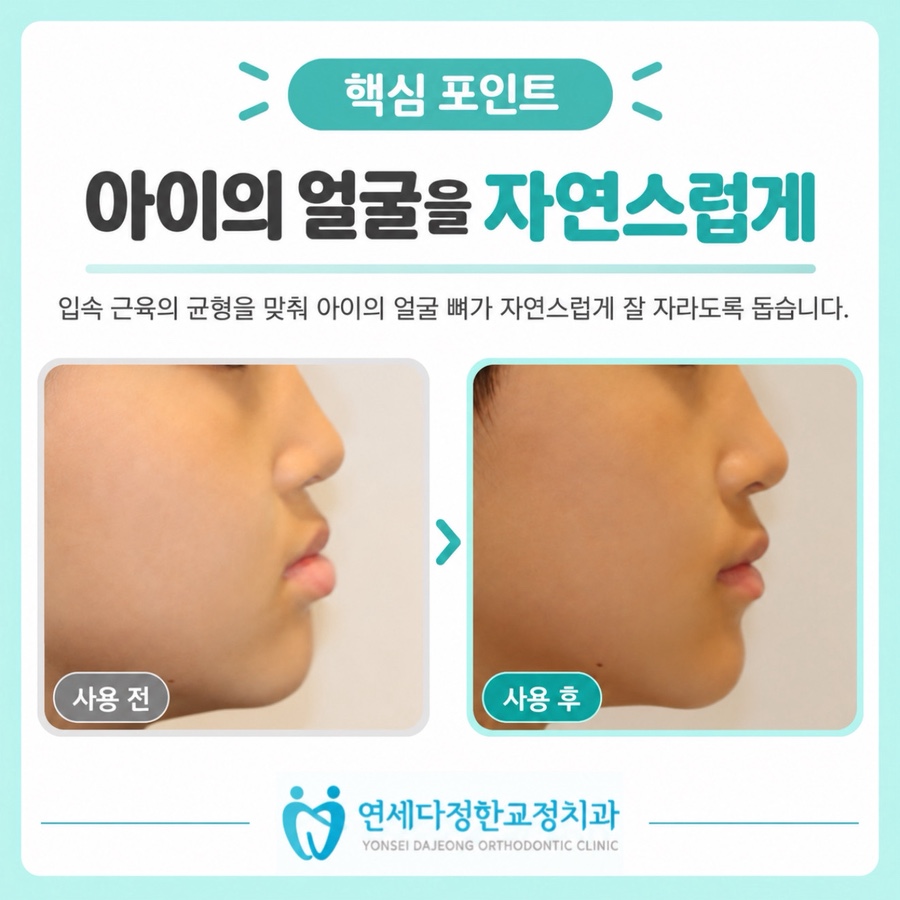
Rather than pushing teeth directly, PreOrtho is a functional appliance that helps a child’s facial bones grow naturally by balancing the muscles inside the mouth.

This approach makes use of a growing child’s natural jaw growth to help the facial bones and teeth develop in harmony.
It may also help lower the likelihood of needing more complex orthodontic treatment later on.
That’s why it’s important not to miss the window when a child’s bones are growing most actively, and to start at the right time.
What PreOrtho Effects Can You Actually Expect?
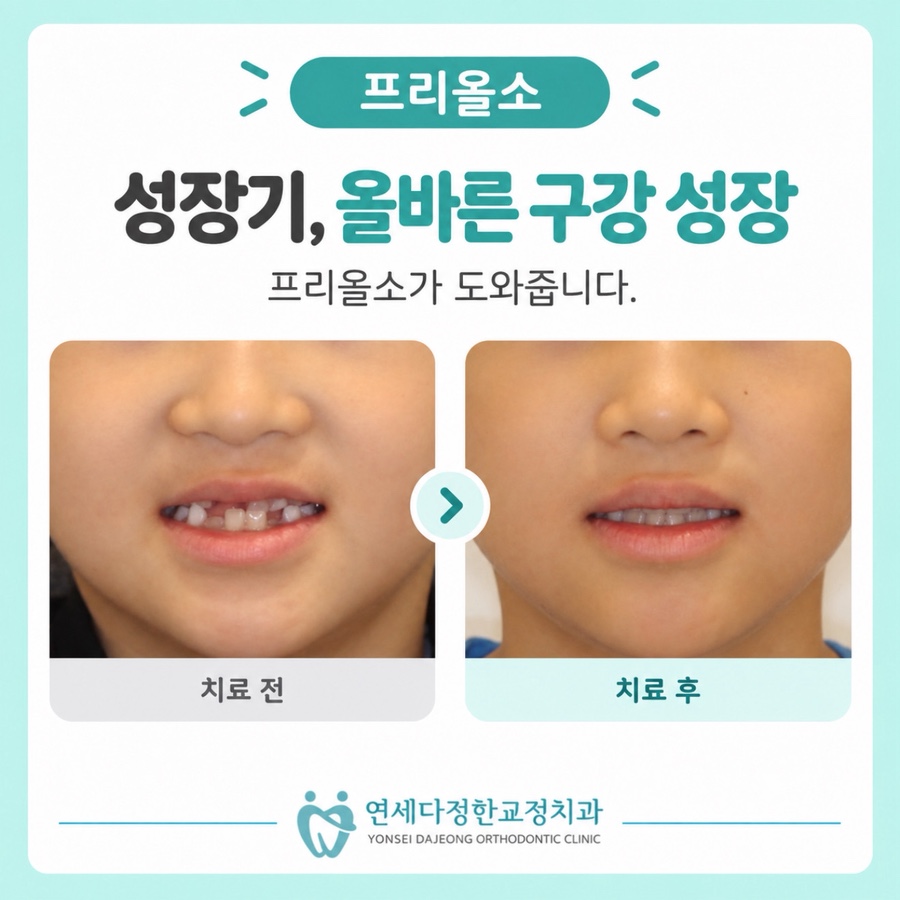
The PreOrtho effect varies depending on how consistently a child wears the appliance and how well poor oral habits are corrected.
It helps guide the tongue into its proper resting position and encourages nasal breathing instead of mouth breathing, which can help relax tension in the jaw joint and surrounding muscles.
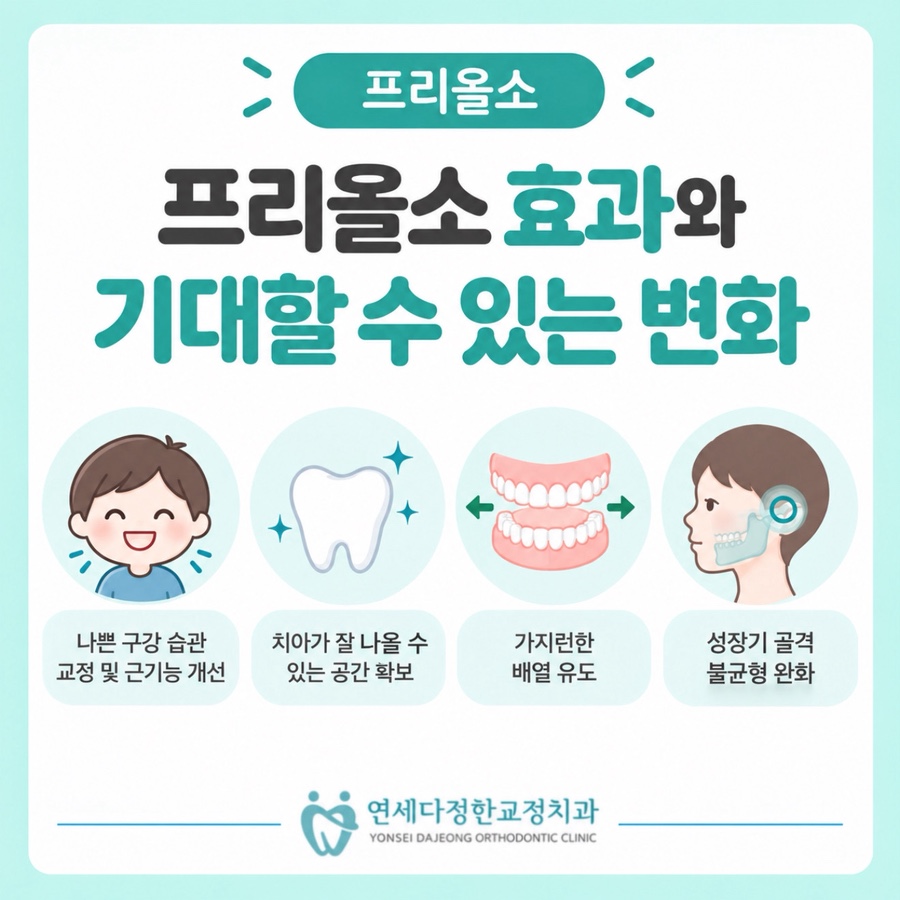
Through this, the following changes can be expected.

- Correction of poor oral habits and improved muscle function
- Creating space for teeth to erupt properly
- Guiding teeth toward a more even alignment
- Easing skeletal imbalance during the growth period
Building a foundation for a healthy oral environment through consistent wear is an important part of the process.
That said, results can vary somewhat depending on a child’s growth rate and dental condition.
How Should You Choose a Kids Orthodontic Appliance Cleaner?
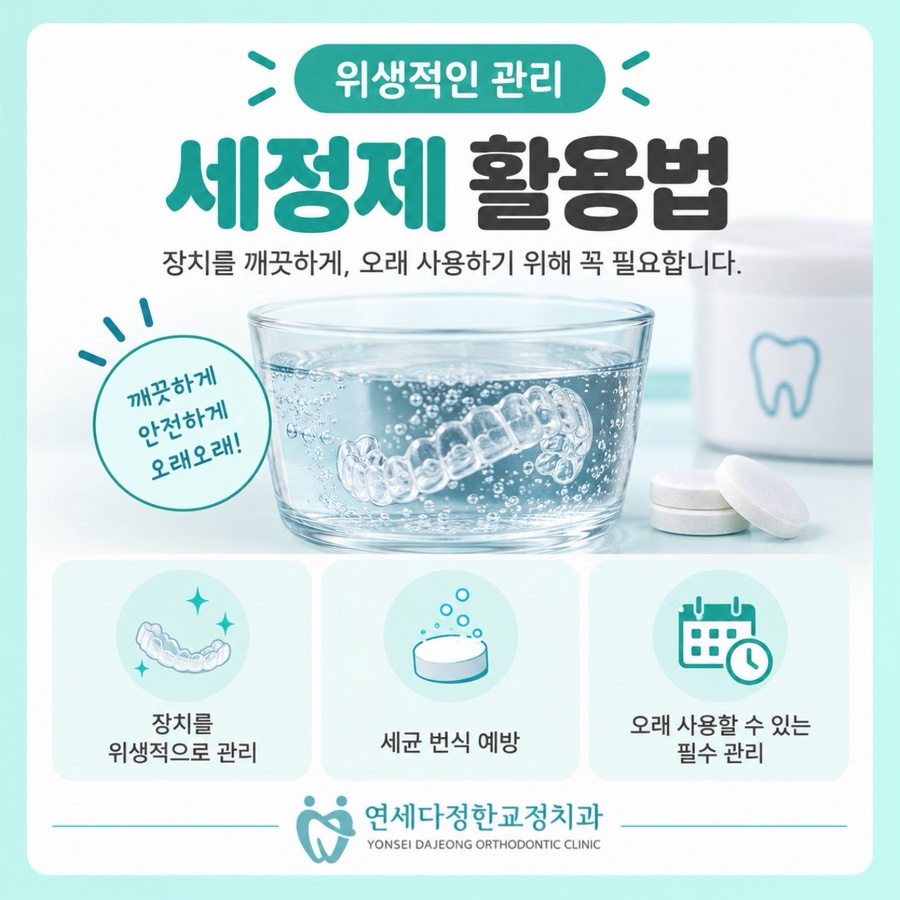
Choosing the right cleaner is essential for keeping the appliance hygienic and usable for longer.
A dedicated appliance cleaner is a product that cleans the silicone surface thoroughly without any abrasive ingredients.
Because of the nature of silicone, cleaning it with regular toothpaste can leave invisible micro-scratches caused by the abrasive particles in the toothpaste.
Bacteria can multiply easily within those scratches, so it’s safer to always use a cleaner made specifically for the appliance.
| Category | Regular Toothpaste | Dedicated Appliance Cleaner |
|---|---|---|
| Abrasive ingredients | Yes | No |
| Risk of surface scratches | High | Low |
| Risk of bacterial growth | Present | Minimal |
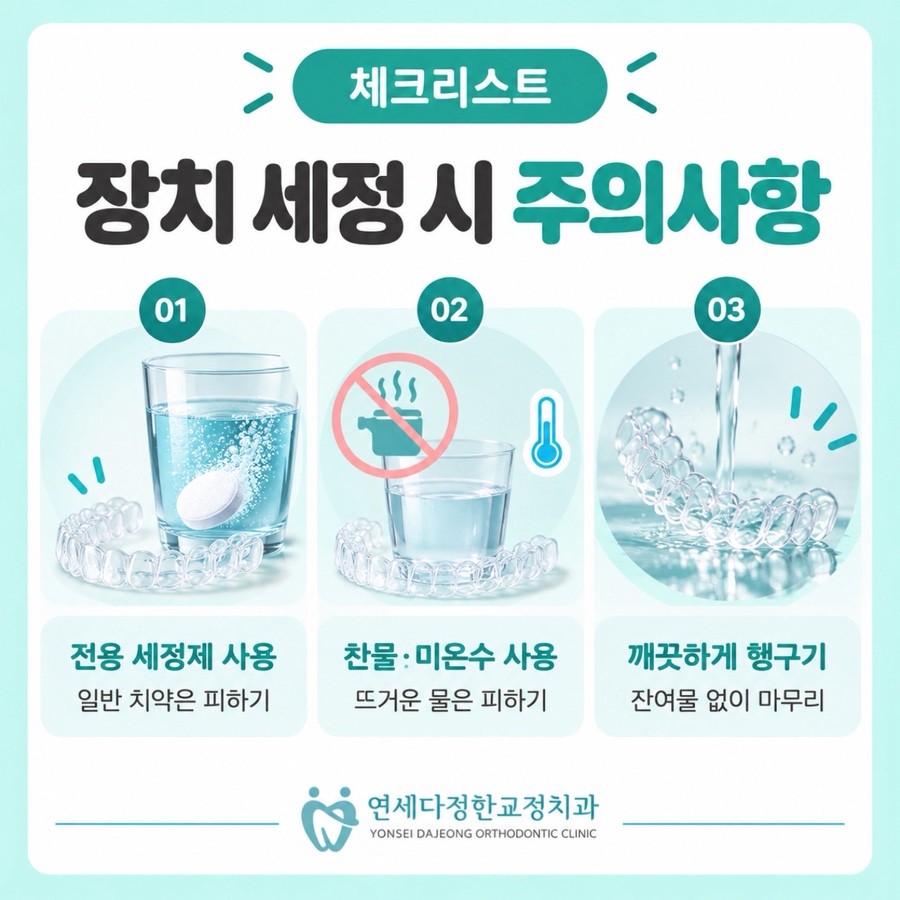
✅ Use a dedicated appliance cleaner instead of regular toothpaste
✅ Rinse with lukewarm or cold water instead of hot water
✅ Rinse thoroughly after cleaning so no residue remains
✅ Regularly check the appliance surface for warping or tears
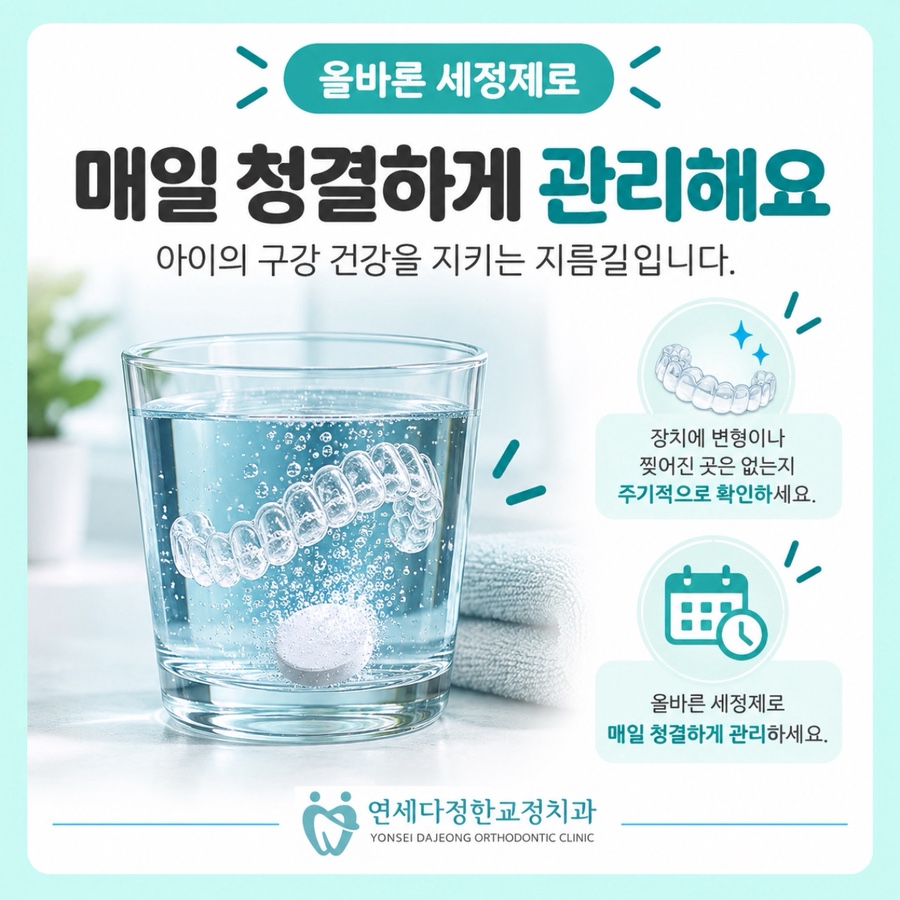
Silicone is sensitive to heat, so it can warp easily if left in hot water or inside a car during summer.
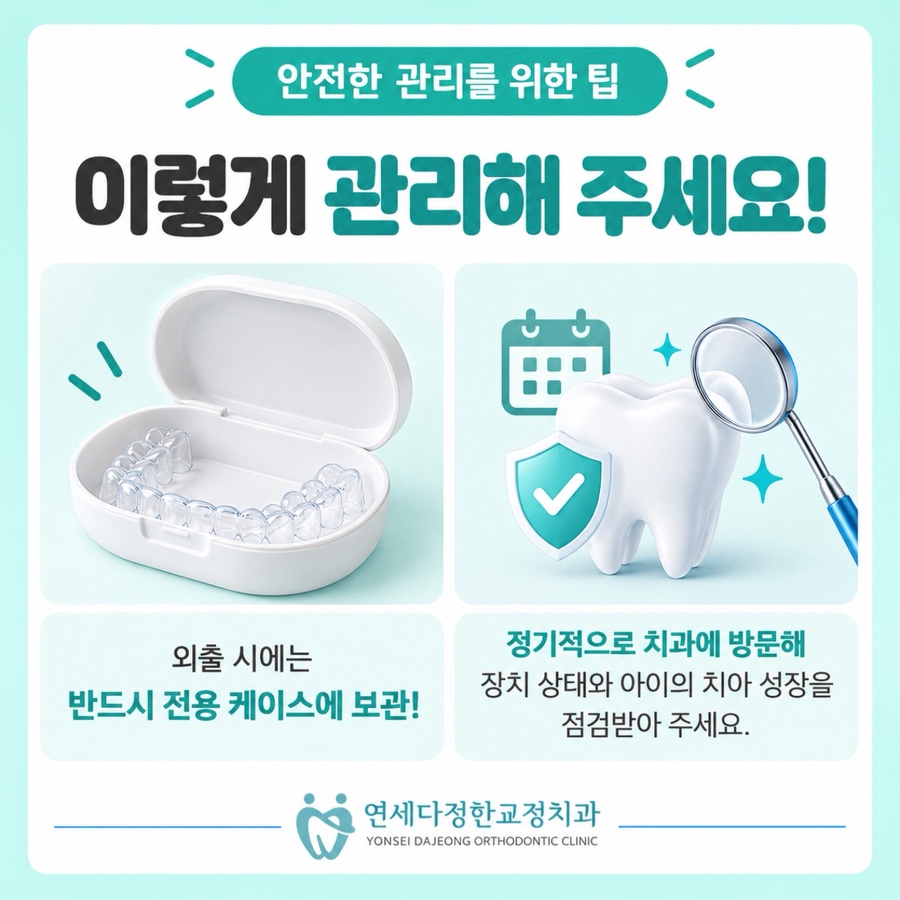
After cleaning, always store the appliance in its dedicated case.
What Should You Watch Out for When a Growing Child Uses the Appliance?
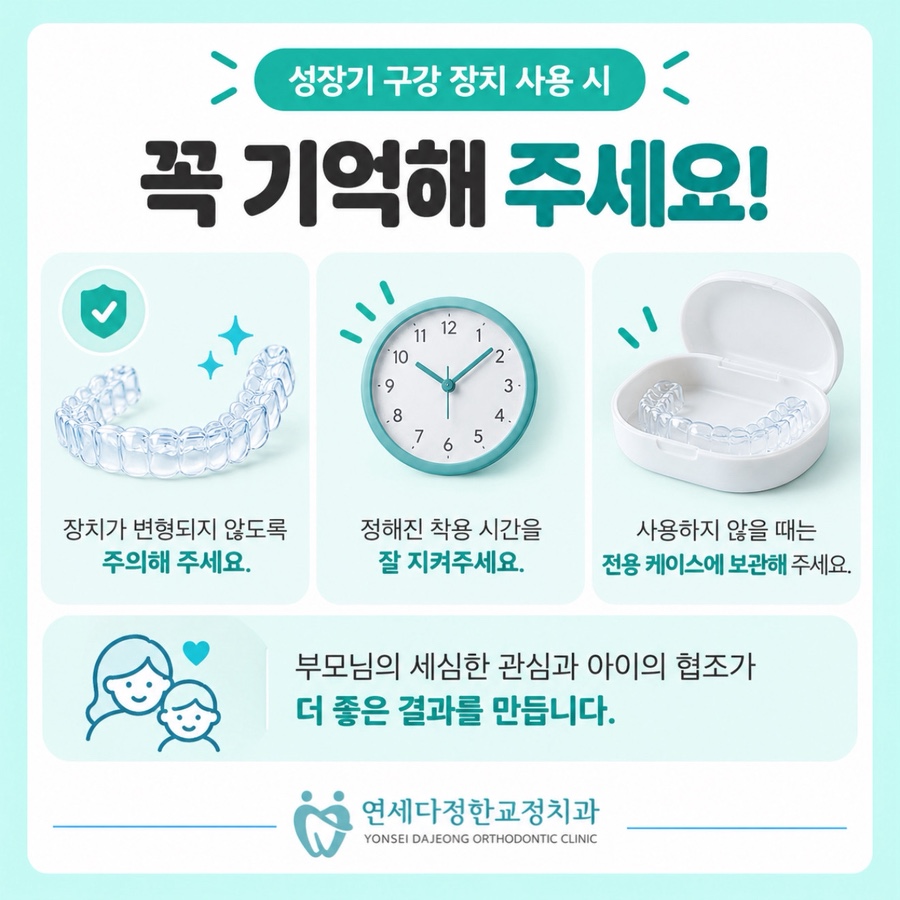
To support the PreOrtho effect, it’s essential to keep the appliance from warping and to follow the recommended wear time.
Because silicone is sensitive to heat, it can warp if left somewhere hot, so it’s important to build the habit of always storing it in its dedicated case.
Good results are more likely when attentive parenting is combined with the child’s cooperation.
It’s a good idea to visit the dentist regularly to have both the appliance and the child’s dental growth checked together.
If you’d like a more detailed consultation, please visit the Yonsei Dajeonghan Orthodontics Cheongnyangni website.
When heading out, always keep the appliance in its dedicated case so it doesn’t get lost.
Thorough hygiene care combined with proper wear habits together help build a healthy oral environment for your child.
Frequently Asked Questions
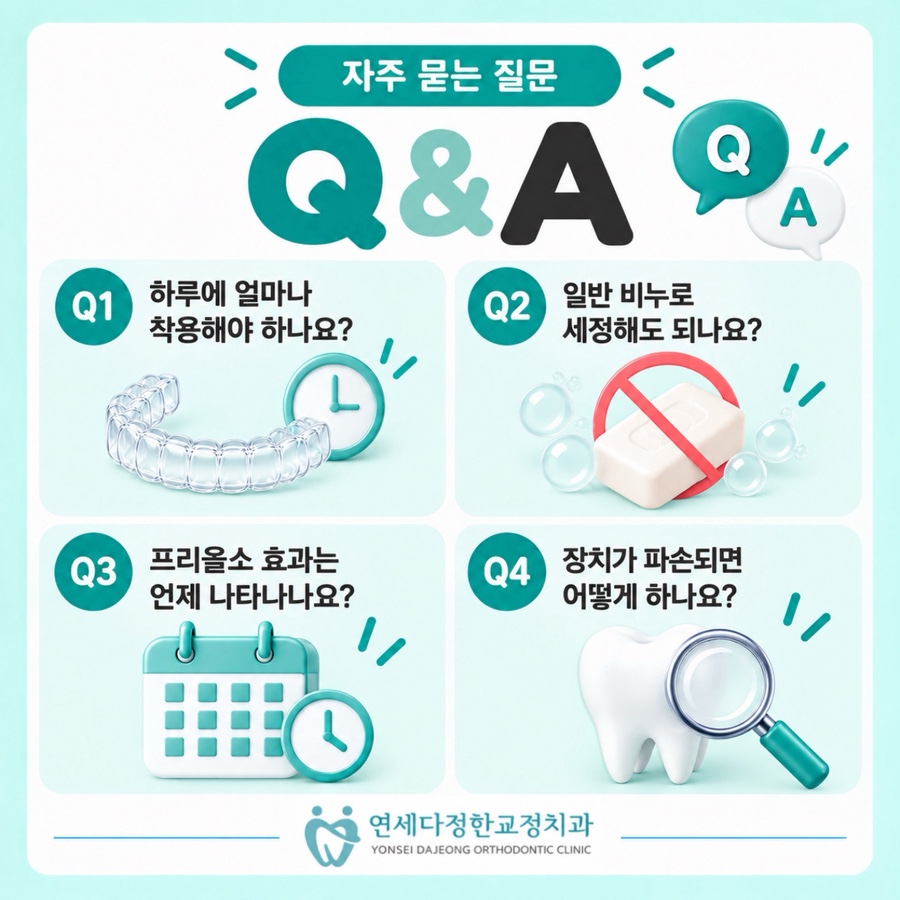
1. How many hours a day should the appliance be worn?
Typically, wear time combines nighttime sleep hours with periods after school, adding up to the recommended daily total.
2. Can I use regular soap instead of a cleaner?
Soaps with strong cleaning agents can leave residue in the mouth, so it’s best to use a kids orthodontic appliance cleaner made specifically for the appliance whenever possible.
3. When does the PreOrtho effect start to show?
This varies with a child’s growth rate and wear habits, but changes generally appear gradually after several months or more of consistent use.
4. What should I do if the appliance breaks?
Don’t try to adjust it yourself — be sure to visit the dental clinic for a checkup.
5. Where can I buy a dedicated cleaner?
Most are available through your dentist’s recommendation or at oral care product retailers.
References
· Asan Medical Center Children’s Hospital, \”Prevention of Oral Myofunctional Disorders,\” Pediatric Disease Information, Asan Medical Center. View source
· \”Comparison of Maximum Tongue, Lip, and Cheek Pressure in Patients Undergoing Myofunctional Training and Appliance Therapy,\” Journal of the Korean Academy of Pediatric Dentistry, Korea Citation Index (KCI). View source

This article is intended for general health information purposes only and is not a substitute for individual diagnosis or treatment.
If you have symptoms, please consult a specialist.
Leave a Reply